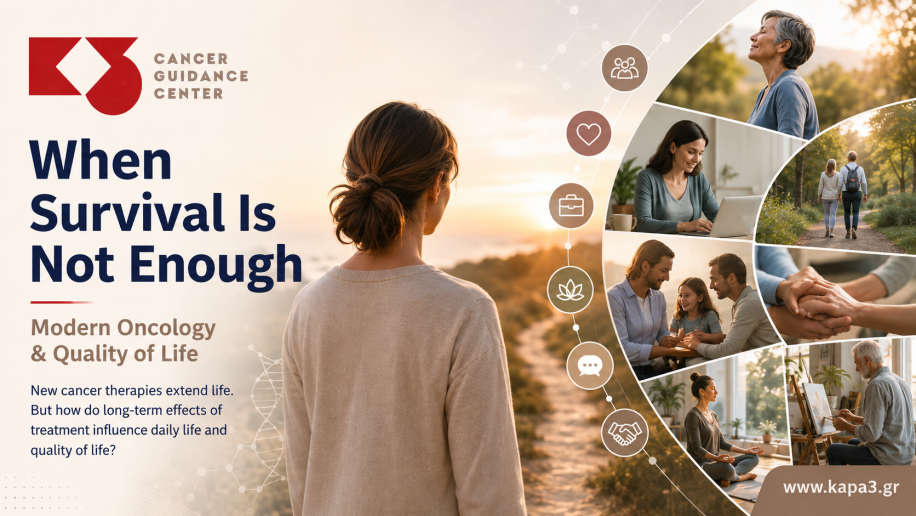
Modern Oncology: When Survival Is Not Enough

New therapies, “hidden” effects and the need to assess not only how long patients live, but how they live

Modern Oncology: When Survival Is Not Enough

New therapies, “hidden” effects and the need to assess not only how long patients live, but how they live

Modern oncology is changing at an unprecedented pace. Immunotherapies, antibody–drug conjugates (ADCs), bispecific antibodies and new targeted therapies are creating treatment opportunities that would have been unimaginable only a few years ago.

Cancer treatment is becoming increasingly personalised and tailored to the biological and molecular characteristics of each tumour, while overall survival is being extended for many people living with cancer.

Yet alongside this remarkable scientific progress, a critical question is emerging:

What does it really mean to live longer after — or with — cancer?

A recent Nature Medicine editorial, entitled “Oncology must confront hidden side effects”, highlights precisely this challenge. While cancer drug development is advancing at remarkable speed, the approaches used to record, assess and manage long-term treatment-related toxicities — and their impact on patients’ quality of life — have not evolved at the same pace.

When a “mild” side effect becomes a major burden

Therapeutic success can create a new reality: people are living longer, but some must also manage treatment-related adverse effects for months, years or even for the rest of their lives.

An adverse event classified clinically as low-grade is not necessarily insignificant to the person experiencing it.

A persistent rash, diarrhoea, stomatitis or other symptoms may substantially affect daily functioning, psychological wellbeing and social life when they continue over long periods.

Similarly, some immune-related adverse events associated with immune checkpoint inhibitors can become chronic, persist for years or even be irreversible.

This highlights an important limitation of the Common Terminology Criteria for Adverse Events (CTCAE), which are widely used to classify and grade treatment-related adverse events.

The duration of adverse events is not adequately reflected, while functional and psychological consequences may also remain outside traditional toxicity assessment.

As a result, what may be considered “manageable” according to conventional clinical criteria can feel very different to the patient living with it every day.

Quality of life cannot be an afterthought

A second important issue is the timing of quality-of-life evidence.

In some cases, quality-of-life findings are reported considerably later than the primary results of a clinical trial, and sometimes after a new drug has already been approved.

This means that patients making treatment decisions during the early years of a new therapy may not yet have a complete picture of how it could affect their daily functioning, emotional wellbeing and overall quality of life.

At the same time, the questionnaires and tools used to assess quality of life need to evolve continuously.

And this cannot happen without the direct involvement of patients themselves.

The experiences and priorities of people receiving treatment should form part of how treatment impact is assessed, rather than being treated as information that is added later.

The example of daraxonrasib

The Nature Medicine editorial highlights the pan-RAS inhibitor daraxonrasib as a telling example. The therapy has shown important survival benefits for patients with aggressive RAS-driven advanced pancreatic cancer, a setting in which treatment options have historically been limited.

At the same time, most patients experienced acneiform rash, with diarrhoea and stomatitis also reported as lower-grade treatment-related adverse events.

Full quality-of-life data — including information on daily functioning and emotional wellbeing — were not yet available because follow-up remained relatively short.

This example illustrates a much wider issue.

If we know that a therapy can significantly extend life, but we do not yet fully understand what that life will be like, an essential part of the information is missing from the conversation between patients and their healthcare teams.

This also has direct implications for informed consent.

Whenever evidence is available, patients need information not only about response rates and survival but also about the potential short- and long-term consequences of treatment for their everyday lives.

The same treatment is not experienced in the same way by everyone

The toxicity profile of a treatment is not identical for every patient.

It may vary according to the drug’s mechanism of action, a person’s physical condition, co-existing long-term conditions, genetic background and other individual characteristics.

Particular attention is needed for populations that have historically been excluded from, or underrepresented in, clinical trials, as their experiences of treatment-related toxicity may differ.

The editorial points, for example, to sex-related differences in adverse events associated with immunotherapy and racial disparities in adverse events observed with CAR-T cell therapy.

This makes real-world data particularly important.

Clinical trials remain fundamental to establishing the safety and efficacy of new treatments. However, broader use in everyday clinical practice may reveal treatment effects that were not fully captured in the populations included in initial studies.

One example is the bispecific antibody amivantamab in lung cancer, where the full extent and severity of some skin toxicities became clearer after a broader patient population was exposed to the treatment.

Moving beyond clinical silos

This changing landscape also demands a different approach to the organisation of cancer care.

The adverse effects of modern cancer therapies do not always fit within a single organ system or medical specialty.

Traditional clinical and disciplinary silos can limit the transfer of knowledge needed to identify, monitor and manage emerging toxicities effectively.

The response therefore needs to be interdisciplinary.

Collaborative networks, updated guidance, systematic reporting, dedicated registries and effective knowledge exchange are increasingly important so that new or rare adverse effects can be recognised early and managed appropriately.

Above all, the patient voice must be heard

Perhaps the most important change concerns how we define treatment success itself.

Survival remains a fundamental goal of oncology.

But it cannot be the only one.

We also need to understand whether people can work, move, sleep, eat, participate in family and social life, maintain as much independence as possible and manage the effects of treatment on their everyday lives.

In other words, we need to know not only how much time a treatment adds to life, but also what that time means to the person living it.

Patients should therefore not enter the process only at the end, as recipients of treatment.

Their perspectives need to be incorporated from the design of clinical trials and assessment tools through to post-approval monitoring and the real-world use of new cancer therapies.

From survival to living after — and with — cancer

Progress in oncology is undeniable, and it brings genuine hope.

The next challenge is to ensure that longer survival is accompanied by quality of life, functioning, meaningful information, participation and dignity.

Modern cancer care therefore needs to move beyond asking only:

“How much longer can this patient live?”

and give equal importance to another question:

“How will this person live during that additional time?”

For Kapa3, this discussion goes to the heart of truly person-centred cancer care: care that sees not only the disease and the treatment, but the person, their everyday life, their needs, their choices and the life that continues during and after cancer.

Source and references

Main source:
Nature Medicine. “Oncology must confront hidden side effects.” Volume 32, July 2026. Published online 8 July 2026. DOI: 10.1038/s41591-026-04554-9.

  1. Barron CC et al. Journal for ImmunoTherapy of Cancer. 2023;11.
  2. Gyawali B et al. Lancet Oncology. 2025;26–e89.
  3. O’Reilly EM et al. New England Journal of Medicine. 2026. DOI: 10.1056/NEJMoa2605555.
  4. Unger JM et al. Journal of Clinical Oncology. 2022;40:1474–1486.
  5. Rayapureddy AK et al. Journal of Clinical Oncology. 2026;44.
  6. Hines MR et al. Transplantation and Cellular Therapy. 2023;29:438.e1–438.e16.

find more s41591-026-04554-9

Κapa3 at IEEE CBMS 2026 | AI for Equitable Oncology Information

Kapa3 at IEEE CBMS 2026: Artificial Intelligence in Support of Equitable Patient Information in Oncology Care

New scientific publication in the Proceedings of the 39th IEEE International Symposium on Computer-Based Medical Systems

The voice and lived experience of patients must remain at the centre of the emerging era of Artificial Intelligence in healthcare.

Kapa3 – Cancer Guidance Centre contributes to a new scientific publication presented in the Proceedings of the 2026 IEEE 39th International Symposium on Computer-Based Medical Systems (CBMS), focusing on how Artificial Intelligence and Retrieval-Augmented Generation can support more equitable, reliable and patient-centred access to information in oncology.

The paper, entitled:

“Informed, Empowered, and Heard: AI and Retrieval-Augmented Generation as Tools for Equitable Patient Information in Oncology”

is authored by Lars Münter, Evangeli Bista, Maria Lavdaniti and Christos Frantzidis, with Evangeli Bista representing Kapa3 as Co-founder.

From access to information to meaningful patient empowerment

A cancer diagnosis creates an immediate need for information that is reliable, understandable and relevant to the individual patient.

At the same time, patients and their families are often expected to understand complex medical terminology, treatment options, prognosis discussions and administrative procedures at a moment of intense psychological and emotional pressure.

The paper highlights that acute stress associated with a serious diagnosis can affect working memory, attention and the ability to process new information. This means that patient information cannot be designed for an ideal, fully attentive reader; it must respond to the real cognitive and emotional conditions experienced by people facing cancer.

The key question is therefore not simply:

“How much information do we provide?”

but rather:

“Are we providing the right information, at the right time, in a form that people can understand and act upon?”

AI and Retrieval-Augmented Generation: towards trustworthy and evidence-grounded information

The publication places particular emphasis on Retrieval-Augmented Generation (RAG).

RAG architectures combine the generative capabilities of large language models with the retrieval of information from curated and verified knowledge sources. In a healthcare setting, this can include clinical guidelines, validated patient information resources, regulatory documents and peer-reviewed literature.

This approach offers an important advantage over purely generative AI systems: responses can be grounded in identifiable sources, supporting greater transparency and enabling patients and healthcare professionals to verify where information comes from.

In oncology, this is especially important.

A patient does not simply need a quick answer. They need information that is:

accurate, current, understandable, accessible and appropriate to their individual situation.

Artificial Intelligence as a tool for equity

One of the central themes of the paper is inequality in access to high-quality oncology information.

Geography, language, socioeconomic circumstances, health literacy, digital literacy and access to specialised healthcare services can significantly influence a person’s ability to understand their diagnosis, treatment options and rights.

The publication pays particular attention to the Greek context, where patients living in large urban centres may experience a very different information environment from those living in rural, remote or island communities.

When equity is treated as a core design principle, AI-RAG systems can potentially support:

  • multilingual access to health information,
  • different levels of language and information complexity,
  • voice-based interfaces,
  • shorter and more manageable units of information,
  • low-bandwidth or offline-capable solutions,
  • and opportunities for patients to return to information when they are ready to process it.

Technology alone, however, does not create equity.

The way technology is designed determines whether it reduces existing inequalities or reproduces them.

Designed with patients, for patient needs

The paper calls for an important shift in the way digital health systems are developed.

Many traditional health information systems are designed primarily around institutional or clinical workflows, with patient-facing communication added later.

For patient-centred AI, this logic must be reversed.

Systems should be designed with patients and around patient needs, with patients and informal carers actively involved in shaping the knowledge base, the questions the system is expected to answer and the ways information is presented.

This also means moving beyond systems that simply respond to individual questions.

A meaningful AI-supported information environment could help patients prepare for clinical consultations, organise their questions, understand the next steps in their care and become more aware of their rights.

The paper highlights applications such as consultation preparation guides, question prompts before appointments and post-consultation summaries as examples of how technology can support patients before, during and after important healthcare interactions.

AI should strengthen, not replace, human relationships

Perhaps the most important message of the publication is that the transformative potential of AI in oncology is not primarily technical. It is relational.

Artificial Intelligence should not create distance between patients and healthcare professionals.

It should help strengthen their communication.

A better-informed patient can arrive at a clinical consultation more prepared, identify questions and concerns more clearly, participate more actively in shared decision-making and communicate more effectively with the healthcare team.

The same applies to informal carers, who often carry a significant part of the informational and emotional burden of cancer care.

For this reason, the paper argues that AI-RAG systems should be designed to strengthen the relationship between patients, carers and healthcare professionals, rather than to replace any part of this human network of care.

For healthcare professionals, trustworthy information systems may also reduce the time required for basic information provision, allowing more of the clinical encounter to focus on nuanced discussions, decision-making and the human aspects of care that technology cannot replicate.

From information to trust

This scientific contribution adds to an increasingly important discussion about the future of healthcare:

How can Artificial Intelligence be developed and used in ways that genuinely respond to human needs?

The answer does not lie only in more powerful AI models or larger volumes of data.

It also lies in evidence, transparency, accessibility, co-design, equity and respect for patient rights.

As the paper concludes, people affected by cancer in Greece and across Europe deserve access to information that is accurate, personalised, accessible and respectful of their rights, regardless of where they live, the language they speak or the socioeconomic resources available to them.

For Kapa3, participating in this scientific discussion also reflects a broader commitment: ensuring that real patient needs, lived experience and equitable access are represented in the design and evaluation of the next generation of digital health and AI-supported tools.

Publication details

Title: Informed, Empowered, and Heard: AI and Retrieval-Augmented Generation as Tools for Equitable Patient Information in Oncology

Authors: Lars Münter, Evangeli Bista, Maria Lavdaniti, Christos Frantzidis

Published in: 2026 IEEE 39th International Symposium on Computer-Based Medical Systems (CBMS)

DOI: 10.1109/CBMS69103.2026.00302

find more 499901b523

Head and Neck Cancer: The Importance of Early Diagnosis and Prevention.

July 27 has been designated as World Head and Neck Cancer Day (WHNCD). The initiative was launched on July 27, 2014, during the 5th World Congress of the International Federation of Head and Neck Oncology Societies (IFHNOS) in New York, with the goal of raising awareness, education, and the
promotion of prevention. The declaration is supported by dozens of scientific communities worldwide, governments, and, most notably, the UICC (Union for International Cancer Control).

What is Head and Neck Cancer?
This type of cancer includes tumors located in the oral cavity, the lips, the pharynx, the larynx, the
salivary glands, the thyroid gland, the skin of the region, and the cervix.

In terms of prevalence, it is the fifth most common cancer worldwide. Seventy-five percent of cases are located in the mouth and pharynx, while the most common histological type is squamous cell carcinoma (HNSCC). For example, more specifically in Greece in 2012, 1,350 new cases were recorded, a figure that accounted for 3.3% of all new cancer diagnoses in the country.

Based on these percentages, 30% of cases occur in the tongue, 20% on the lip, 15% on the floor of the
mouth and in the larynx, and 10% in the pharynx.

Risk Factors

Understanding the factors that increase the risk is the first step towards prevention. Everyday habits, such as smoking and alcohol consumption, place a significant strain on the body. In particular, 70 per cent of those affected are long-term smokers, with current smokers facing a 300 per cent higher risk. When
smoking is combined with alcohol, the two have a negative synergistic effect, multiplying the likelihood of developing the disease. At the same time, in recent years there has been an increase in HPV-positive cancers, mainly of the pharynx, which often occur in younger people with no history of smoking or
alcohol consumption. Finally, it is worth noting that up to 25 per cent of cases are observed in patients who have never smoked and have no other known risk factors.

Suspicious lesions and symptoms

Delay in diagnosis is the most unfavourable prognostic factor. Conversely, 85–90 per cent of cases can be
cured if diagnosed at an early stage.

Suspected precancerous lesions

Particular care is required when identifying suspected precancerous lesions in the oral cavity. These
include leukoplakia, a white patch of unknown aetiology that does not flake off, in which, in 20–25 per
cent of cases, cancer or severe dysplasia is present. Even more dangerous is erythroplakia, where the rate
of co-occurrence with cancer or severe dysplasia reaches 90 per cent. At the same time, suspicious lesions
include punctate leukoplakia, as well as any chronic ulcer – that is, a sore that is not caused by any
obvious injury and remains unhealed for more than two weeks.

Symptoms requiring medical assessment

There are also certain suspicious symptoms that necessitate immediate assessment by a doctor. These include any unexplained swelling, lump or puffiness in the mouth or throat area, as well as persistent pain when chewing, swallowing or speaking, or pain that radiates to the ear. Furthermore, symptoms such as hoarseness, a change in the tone of the voice, and unexplained bleeding inside the mouth are signs that
should not be ignored.

Prevention and Screening
Screening is particularly important for people over the age of 45, smokers, people who drink alcohol, or
those with a history of HPV infection. Screening involves four simple steps:
1. Neck: Palpation of the lymph nodes and the thyroid gland.
2. Lips: External examination.
3. Mouth: Examination of the tongue, floor of the mouth, cheeks, gums and soft palate.
4. Pharynx: Examination of the tonsils, soft palate and base of the tongue.

The importance of early intervention

Despite advances in surgery, radiotherapy and chemotherapy, the 5-year survival rate remains at around 60 per cent. Furthermore, treatments for advanced-stage disease can affect patients’ quality of life, causing functional (difficulty speaking, chewing, swallowing and breathing), aesthetic or psychological problems.

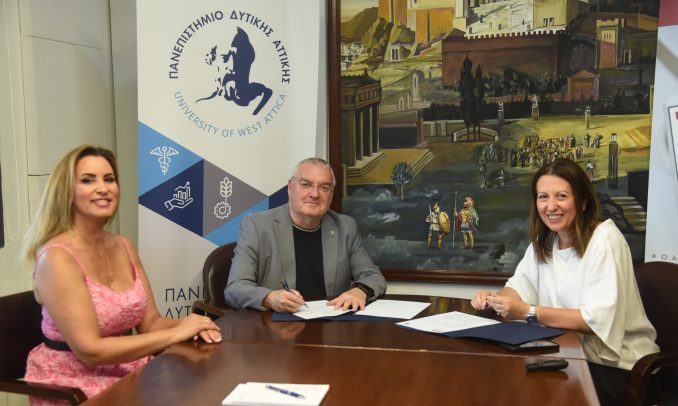
Memorandum of Understanding between the University of West Attica—specifically the Department of Occupational Therapy—and the NGO KAPA3.

On Tuesday, June 9, a meeting was held to sign a Memorandum of Understanding between the University of West Attica—specifically the Department of Occupational Therapy—and the NGO KAPA3.

The meeting was attended by the Rector of the University of West Attica, Panagiotis Kaldis Penelope Vlotinou, Assistant Professor in the Department of Occupational Therapy Evangelia Bista, co-founder of the organization, as well as representatives from both organizations, including the interdisciplinary team of KAPA3: Despoina Chrysostomou, Psychologist Katerina Georgiopoulou, Social Worker Yiannis Kontogiorgis, Psychologist, and Eleftheria-Irini Polyzoti, an intern from the Department of Social and Educational Policy, as well as students from the Occupational Therapy Department.

During the meeting, a constructive discussion took place regarding the prospects for cooperation between the two organizations, with the aim of developing joint actions and initiatives that will contribute to strengthening education, research, social contribution, and the connection between the academic community and society.

In this context,  it was decided in April to jointly organize a major scientific conference, which will focus on an interdisciplinary and holistic approach to health, on combating social inequalities in healthcare, as well as on the management of chronic disease. The aim of this initiative is to raise community awareness, facilitate the exchange of expertise among professionals and scientific bodies, and disseminate scientific knowledge and information to the general public.

Special mention was made of the innovative work of KAPA3, the digital Health Navigator “Myrto,” a modern artificial intelligence tool currently under development and designed to support cancer patients, their families, and their caregivers. “Myrto” will function as a digital assistant (Chatbot) and Health and Rights Navigator, providing immediate, reliable, and personalized information on health, social welfare, rights, benefits, and available support services. The project aims to empower patients, improve their access to information, and reduce inequalities in health and social care through the use of digital technologies and artificial intelligence applications. The development of “Myrtos” represents a pioneering application of social artificial intelligence in the field of oncology care in Greece and is part of KAPA3’s strategy to promote innovation, accessibility, and the active participation of patients in managing their own health.

The meeting concluded in a particularly positive atmosphere of mutual appreciation and recognition. In this context, the Department of Occupational Therapy at the University of West Attica made a symbolic gesture toward the representative of KAPA3, Evangelia Bista, presenting her with a commemorative gift as a token of appreciation for her many years of valuable social contribution in the field of support for cancer patients. At the same time, as a gesture of hospitality and appreciation, the team was offered a specially produced wine, which is an original creation of the University of West Attica.


There is an urgent need for psychological support for cancer patients. The KAPA3 team explains and advocates for this

There is an urgent need for psychological support for cancer patients. The KAPA3 team explains and advocates for this

Every day, healthcare professionals are called upon to communicate with, assess, and, above all, support people who are going through cancer.

Does cancer affect only physical health, or does it also have a profound impact on a person’s psychological, social, and emotional life? The needs that arise during the course of the illness are many and are often accompanied by the question: “What does the disease really bring to a person’s life?” A cancer diagnosis brings about significant changes in daily life, relationships, social roles, and the way a person perceives themselves and their future.

A cancer diagnosis is an extremely stressful event, often accompanied by feelings of fear, uncertainty, anxiety, and grief. At the same time, patients are called upon to cope with the effects of treatments such as chemotherapy, radiation therapy, and surgery. Changes in physical appearance, fatigue, pain, and limitations in daily functioning can significantly affect their self-esteem and quality of life (Pitman et al., 2018).

Uncertainty regarding the course of the disease and the likelihood of relapse are significant sources of psychological distress. The extent of this phenomenon is reflected in the meta-analysis by Mitchell et al. (2011), which included 94 studies and more than 14,000 cancer patients. According to the results, 16.3% of patients met the diagnostic criteria for major depressive disorder, 10.3% for anxiety disorder, and 19.2% for adjustment disorder.

These data highlight that a significant proportion of cancer patients experience severe psychological distress, a fact that underscores the need for specialized psychological support.

Furthermore, cancer often affects an individual’s family and social relationships. The patient may be forced to limit or abandon professional and social roles, while the family is called upon to adapt to new demands and responsibilities, experiencing significant psychological strain of their own (Northouse et al., 2010).

Cancer patients have an increased need for psychological support, as the disease significantly affects their psychological, social, and emotional functioning. Fear of the disease’s progression, uncertainty about the future, the side effects of treatments, and the possibility of recurrence are major sources of psychological distress. At the same time, the experience of cancer is often accompanied by feelings of loss of control, fear, and emotional distress. The contemporary psycho-oncology literature recognizes that the early identification of psychosocial needs and the provision of appropriate interventions are an integral part of holistic oncology care (Caruso & Breitbart, 2020; Mehnert-Theuerkauf et al., 2023).

Within this context, psychological support is a key component of holistic care for cancer patients. Holistic care refers to a comprehensive approach that takes into account not only the patient’s physical needs but also the psychological, social, and spiritual dimensions of their health. Counseling, psychotherapy, and support groups provide a safe space for expressing emotions and building psychological resilience (National Comprehensive Cancer Network [NCCN], 2024).

At the same time, they help improve adherence to treatment, strengthen cooperation with healthcare professionals, and maintain quality of life. As Holland and Weiss (2008) argue, psychosocial care is an integral part of high-quality oncology care, from diagnosis through the survival phase.

In conclusion, the experience of cancer is a complex and multidimensional process that affects every aspect of a person’s life. Managing the disease is not limited solely to physical treatment but requires the recognition and addressing of the psychological and social needs that arise at every stage. Providing timely and systematic psychological support can empower the patient, improve their ability to adapt to the demands of treatment, and contribute significantly to maintaining their dignity, hope, and quality of life. Psychological care should be regarded as a fundamental right of every cancer patient and as an integral part of modern oncology practice.

Coordination of Psychological and Social Services within the Framework of Psychosocial Care

The care of cancer patients is not limited to treating the disease and its physical effects. The needs that arise during treatment are often multifaceted and concern both the individual’s psychological well-being and practical, social, or financial issues that affect their daily life.

For this reason, effective support requires close collaboration among different healthcare professionals within a shared framework of psychosocial care. Within this framework, the Social Services and Psychological Services operate in a complementary manner, with the shared goal of enhancing the individual’s quality of life and overall adjustment to the experience of illness.

A client’s contact with the service can begin either through the Social Services Department or the Psychological Services Department. During the initial contact, an assessment of the client’s needs is conducted, and information is provided about all available support services.

Regardless of the initial request, the beneficiary is informed about the option of receiving psychological support, as the experience of cancer is often accompanied by heightened psycho-emotional needs that are not always apparent from the first contact. With their consent, an internal referral can be made to the Psychological Services Department for further evaluation and support.

The Psychological Services Department is responsible for the initial assessment, obtaining informed consent, and creating an individual support file. A structured series of sessions is then provided, tailored to the beneficiary’s needs. During this process, issues may arise related to social benefits, employment challenges, financial burdens, disability certification procedures, or other practical needs that significantly impact the daily functioning of the individual and their family. In such cases, and always with the beneficiary’s consent, cooperation with Social Services is initiated, and Social Services assumes responsibility for managing the relevant social and administrative matters.

The collaboration between the two services enables the timely identification of new needs and ensures continuity of care. Social Services focuses on the practical, social, and administrative aspects of support, while Psychological Services focuses on psychological resilience, emotional processing of the experience of the disease, and adaptation to the changes it brings about. The collaboration between the two services allows for a more comprehensive response to the needs of the cancer patient. In this way, a unified framework of psychosocial care is established that provides substantial support to the patient and their support network at all stages of their journey with the disease.

At the same time, regular communication and coordination between the two services allow for the timely identification of new needs and ensure continuity of care. The Social Services Department focuses on the practical, social, and administrative aspects of support, while the Psychological Services Department focuses on psychological resilience, emotional processing of the experience of the disease, and adaptation to the changes it brings about. The collaboration between the two services enables a more comprehensive response to the needs of cancer patients. In this way, a unified framework of psychosocial care is established that provides substantial support to the patient and their support network at all stages of their journey with the disease.


Kapa3 – Cancer Patient Guidance Center

Together, with knowledge, care, and a human touch.

Contact us:

https://www.kapa3.gr/epikoinonia/ by typing “Psychological Support” in the Message box

OR CALL

2105221424 – info@kapa3.gr

Athens: 13 Kostis Palamas Street, 3rd floor, (9:00 AM – 5:00 PM) 6982003282

New Joint Ministerial Decision on the 2026 Aerotherapy Allowance: A Detailed Guide for KAPA3 Beneficiaries

At the Cancer Patient Guidance Center—KAPA3, we remain committed to providing accurate and timely information to cancer patients and their families regarding the rights and social benefits to which they are entitled. With the aim of making your daily life easier and ensuring you have full access to beneficial legislative provisions, we present a comprehensive guide to the granting of the air therapy allowance, in accordance with the recent Joint Ministerial Decision (No. 89399 EX 2026) published in the Government Gazette, Issue B, No. 3295, dated June 11, 2026.

The air therapy allowance applies to the summer season of 2026.

The amount is set at 250.00 euros and will be paid as a lump sum to the beneficiaries’ bank accounts on July 10, 2026.

The amount is unseizable and fully exempt from any tax or withholding.

  1. Who Are the Beneficiaries

The benefit is granted to disabled retirees of the State and the e-EFKA. Specifically, beneficiaries are those who fall into the following categories:

a) Pensioners referred to in subparagraphs (a) and (b) of paragraph 1 of Article 6 of Legislative Decree 4605/1966.

b) Pensioners under subparagraph (c) of the aforementioned paragraph 1 of Article 6 of Legislative Decree 4605/1966, who, according to 

the opinion of the competent Health Committee for the years 2020 through 2026, have been deemed to be in need of this allowance and belong to the following categories of retirees:

  1. Disabled officers under Law No. 2588/1921 and Law No. 875/1979 on military retirement.
  2. Disabled officers under Law No. 362/1943.

iii. Disabled enlisted personnel under Article 1 of Legislative Decree 1044/1971, as amended by Article 1 of 

Law 1043/1980.

Disabled members of the former Municipal Police who were subject to Legislative Decree 330/1947.

Disabled members of the Security Forces under Law 1579/1950 and those disabled members of the Coast Guard,

the Fire Department, and the Agricultural Police who are treated as equivalent to them.

Disabled members of the National Resistance under Provisional Act 1855/1951, Legislative Decree 412/1970, and Law 1543/1985.

vii. Persons with disabilities under Law 1370/1944 (who sustained their disabilities during peacetime while in service and as a result thereof, and 

receive a disability pension).

viii. Persons with disabilities from the anti-dictatorship struggle under Law 1543/1985.

Disabled civilians under Law 812/1943.

Disabled civilians under Law 1863/1989.

c) Civilian retirees who sustained disabilities as a result of their service (Decision of the Ministry of Labor and Social Security No. 

754.6/117/3912/March 24, 1969) and

d) OSE retirees who left the service and are receiving a pension due to tuberculosis.

3. Who Is Exempt from Payment

According to the Government Gazette, the following categories are not eligible for the air therapy allowance:

Recipients of other benefits: Those who have received or are set to receive a corresponding air therapy allowance from any other source (such as public entities, private entities, public benefit organizations, etc.).

Spa Therapy Beneficiaries: Those who have been deemed eligible for spa therapy for the year 2026 by the Directorate for Reserve Combatants, Veterans, War Victims, and War Disabled (DEPATHA).

New Pensioners: Citizens whose pension is payable after September 30, 2026, or whose order for registration in the Pensioner Registers is issued after October 31, 2026.

  1. What to Do in Case of Non-Payment

If you are eligible but the benefit does not appear in your account by the scheduled date of July 10, 2026, the law entitles you to file a retroactive claim.

You may submit a request by December 31, 2026, at the latest, to the following agencies (depending on your category):

To Section E of the Income Policy Directorate of the General Accounting Office (p. 2) .

To the General Directorate of Public Sector Pensions of e-EFKA (p. 2).

You can contact the Kapa3 team 

13 Kostis Palamas Street, 3rd floor (Hours: 9:00 a.m. – 5:00 p.m.).

Contact Numbers: 210 5221424 & 6906265170.

Email: info@kapa3.gr

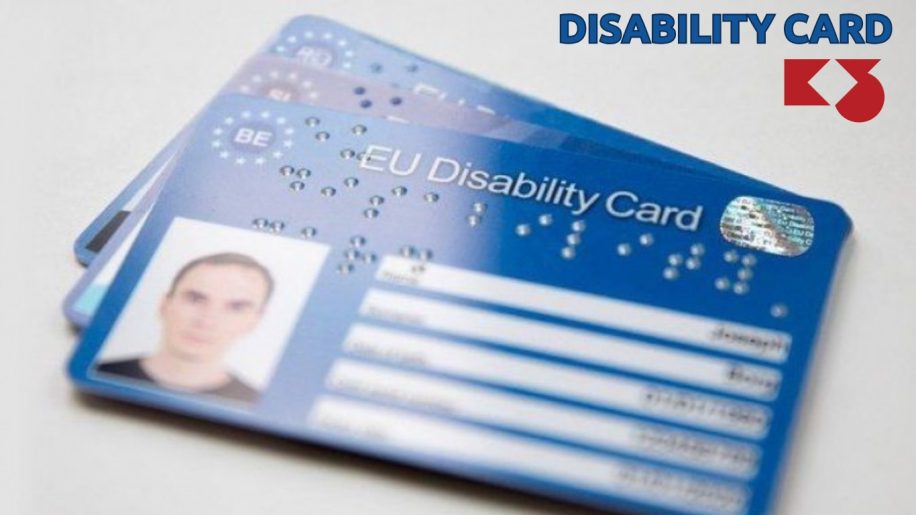
Disability Card: Everything KAPA3 beneficiaries need to know about its use and their rights

The Cancer Patient Guidance Center (KAPA3) informs beneficiaries and their caregivers about Clarification Circular No. 12757 issued by the Ministry of Social Cohesion and Family. This circular clarifies the framework for the operation, recognition, and mandatory acceptance of the Disability Card by all relevant agencies.

The Disability Card is the official government document that verifies the holder’s identity and status as a person with a disability. The primary purpose of issuing the card is to protect sensitive personal data, as it does not contain any information regarding the nature of the condition or disability.

Below is a detailed summary of all provisions under the law:

  1. Obligations of Entities and Rights to Service

Mandatory Acceptance: The Card must be accepted by all public and private sector entities, as well as by individuals and legal entities 

Priority Service: All entities are required to give priority service to Cardholders in procedures requiring in-person presence and to provide accessibility accommodations.

  1. The Three Forms of the Card (Equal Evidential Value)

Customer service staff are required to accept the Disability Card in whichever of the following forms the citizen chooses.

Printed form: A document with a digital signature from the online portal karta.epan.gov.gr.

Digital form: Via the Gov.gr Wallet app on a mobile device.

Plastic card: A printed form with a standardized design.

  1. Disability Levels and Right to an Attendant

The Card indicates the total disability percentage across three levels, in order to grant the corresponding rights:

Level I: Disability of 50%–66%.

Level II: Disability of 67%–79%.

Level III: Disability of 80% or higher.

“S” Marking (Right to a Companion): If the Card bears the “S” marking, all benefits, rights, and accommodations provided to the cardholder automatically extend to their companion during the period of accompaniment.

  1. What is the status of existing disability certificates?

Please note that disability certificates issued by the competent health committees (KEPAs, ASYE, etc.) remain valid as usual. Citizens who present these certificates instead of the Disability Card will be served as usual in accordance with the provisions applicable to each benefit.

The KAPA3 team stands firmly by patients and caregivers to provide guidance and ensure their rights are protected. For any information or support regarding the use of the Disability Card, please contact us.


June: Cancer Survivors Month

Survival is a victory — but care must continue

June is dedicated to people living with and beyond cancer. It is a month of recognition, hope and respect for every person who has faced a cancer diagnosis, completed treatment, continues treatment, or lives with cancer as a long-term condition.

Cancer survival is a major victory. However, for many people, it is not the end of the story. Life after cancer often brings a new reality: follow-up appointments, fear of recurrence, fatigue, emotional distress, changes in body image, work-related challenges, financial pressure, family adjustments and the need to rebuild everyday life with confidence and dignity.

Cancer Survivors Month reminds us that survivorship is not only about living longer. It is also about living better.

A cancer survivor is not only a person who has completed treatment and is disease-free. The term also includes people receiving maintenance treatment, people living with cancer as a chronic condition, and those who continue to experience the physical, emotional, social or economic consequences of the disease and its treatment.

In recent years, advances in early diagnosis, targeted therapies, immunotherapy, surgery, radiotherapy and supportive care have increased the number of people living many years after a cancer diagnosis. This is a major achievement for medicine, research and public health. At the same time, it creates a new responsibility: to ensure that survivorship care is organised, person-centred and accessible to all.

For many survivors, the end of active treatment is a moment of relief and gratitude. Yet it may also bring uncertainty. Some people feel that everyone around them expects them to “go back to normal”, while they are still trying to understand what has changed in their body, their emotions, their relationships and their daily life.

The fear of recurrence, anxiety before follow-up tests, persistent fatigue, pain, cognitive difficulties, changes in sexuality, emotional vulnerability and social isolation are real experiences for many people after cancer. These needs should not be underestimated. Survivors need space to speak, reliable information, access to professional support when needed, and connection with communities and organisations that understand their journey.

Long-term follow-up is also essential. Survivorship care should not focus only on recurrence. It should also include prevention, early recognition of late effects, management of treatment-related complications, support for mental health, healthy lifestyle guidance and personalised monitoring according to each person’s cancer type, treatment history, age and individual risk factors.

The message is not fear. The message is awareness, prevention and continuity of care.

Life after cancer is also about rights. It is about returning to work, accessing social benefits, understanding available services, managing financial toxicity, supporting caregivers, protecting dignity and ensuring equal access to care. Survivorship must be seen as a social, psychological and practical issue — not only a medical one.

At Kapa3, we see every day that cancer does not always end with the last treatment. It continues in the questions people ask about their rights, their next steps, their follow-up, their access to benefits, psychological support, work, family life and social reintegration.

This is why people living with and beyond cancer need holistic support. They need information, guidance, psychosocial care, access to rights and services, empowerment and continuity of care. No one should feel alone after treatment. No one should be left to navigate bureaucracy, uncertainty or lack of information without support.

Cancer Survivors Month invites us to change the way we talk about survival. We should not ask only: “Did the person survive cancer?” We should also ask:

Are they living with quality of life?
Do they have access to the care they need?
Do they know their rights?
Do they receive psychological and social support?
Can they return to work and daily life with dignity?
Is there a follow-up plan?
Is there someone to guide them when they do not know where to turn?

Cancer survival is a victory. But the real challenge is to turn this victory into a life with quality, safety, rights, support and hope.

At Kapa3, we continue to stand beside every person living with and beyond cancer. Through information, guidance, empowerment and human-centred support, we believe that care does not stop at treatment.

It continues in life.

Alpha Bank and Its Employees Support Kapa3 through the Match for Good Initiative

The Cancer Guidance Center – Kapa3 warmly thanks Alpha Bank and its employees for their meaningful support through the Match for Good initiative, through which Alpha Bank doubled the contribution of its employees.

Through this initiative, six non-profit organisations from across Greece received financial support during a special event held at Alpha Bank’s headquarters, in the presence of representatives of the organisations. The event was hosted by the Chairman of Alpha Bank’s Board of Directors, Mr. Dimitris Tsitsiragos, and the Chief Human Resources Officer, Ms. Fragiski Melissa.

Mr. Dimitris Tsitsiragos highlighted that the Match for Good initiative puts into practice Alpha Bank’s commitment to consistently support organisations that create a positive social impact. He underlined that when the individual contribution of employees is combined with the Bank’s support, it becomes a collective force with tangible results.

Ms. Fragiski Melissa noted that Match for Good reflects the Bank’s new culture in practice, giving employees an active role in selecting, participating in and supporting initiatives with social value.

Kapa3 was represented by Ms. Evangeli Bista, co-founder of the Organisation, and Ms. Despoina Chrysostomidou, collaborating psychologist. During the event, they had the opportunity to present Kapa3’s work and discuss the social impact that can be created when corporate responsibility meets the active participation of employees.

For all of us at Kapa3, this support is particularly meaningful. It strengthens our daily effort to stand beside people with lived experience of cancer, as well as their families and caregivers, offering guidance, information, support in accessing rights and services, and practical empowerment tools.

Kapa3 acts as a navigation and support organisation for cancer patients, bridging the gap between need and information, between rights and real access. For many people, especially those living outside major urban centres, the challenge is not only the disease itself. It is uncertainty, bureaucracy, lack of information about available rights, financial burden, transportation difficulties, psychosocial pressure and the need for a reliable companion.

Through initiatives like this, social contribution gains multiplying power and becomes real support for those who need it. The support of Alpha Bank and its employees strengthens Kapa3’s mission: ensuring that no person is left alone when facing cancer, searching for information, navigating procedures or claiming a right they are entitled to.

Health is not only a medical act. It is access, information, dignity, social care and meaningful presence. Every contribution to Kapa3 becomes more guidance, more information, more empowerment and more care for people and families going through a difficult and demanding journey.

We warmly thank Alpha Bank and its employees for their trust, choice and support of Kapa3’s work.

Because when giving becomes collective, it can meaningfully change people’s everyday lives.


20260310 Match For Good Programme Part2 Alpha Bank Via Solid Havas / Thalia Galanopoulou

Match for Good – Alpha Bank (1)

Kapa3 and Doctorhomie: Joining Forces to Support Cancer Patients

Kapa3 is pleased to announce the signing of a memorandum of cooperation with the digital home-care platform Doctorhomie. The Kapa3–Doctorhomie collaboration aims to strengthen support for cancer patients and their families across Greece.

Since its establishment, the Cancer Guidance Center – Kapa3 has been actively working to provide meaningful guidance to people living with cancer and their caregivers, with a strong focus on access to benefits and services, information about patients’ rights, and psychosocial support. Through Mobile Units, digital tools and educational initiatives, the organization promotes patient-centred care, creates channels of communication with beneficiaries and strengthens their participation in decisions concerning their health. Kapa3’s philosophy is grounded in building partnerships, leveraging technology and fostering collaborations with organizations that share the same vision.

Doctorhomie, on the other hand, is redefining home-based care in Greece by offering an integrated digital platform that connects patients with physicians, nurses, psychologists, physiotherapists and caregivers. Through tools that enhance monitoring and management of care at home, Doctorhomie contributes to strengthening Primary Health Care, promoting prevention, supporting families and improving both the safety and quality of care.

The new collaboration between Kapa3 and Doctorhomie opens opportunities for joint initiatives at multiple levels, including:

  • the organization of workshops, conferences and webinars aimed at informing patients, promoting quality of care and strengthening trust between patients and their treating physicians, particularly within the context of home-based care and Primary Health Care,

  • awareness and information campaigns focusing on prevention, the fight against myths and stigma, and a better understanding of patients’ symptoms and needs,

  • participation and collaboration in national and European programmes that promote innovation in oncology care and strengthen digital tools for patients and caregivers,

  • joint research initiatives on topics of shared interest, with the aim of supporting scientific evidence, disseminating knowledge and contributing to health policy development at both national and European level.

This partnership is founded on the shared belief that patient care begins with information and support, is strengthened through education and collaboration, and evolves through the combined use of technology and patient-centred practices.

Kapa3 and Doctorhomie are committed to making the most of this collaboration in order to strengthen patients’ participation in decisions regarding their health, reduce inequalities and provide timely and effective support to those who need it.

With a shared vision of quality and accessible care, Kapa3 and Doctorhomie are opening a new chapter of cooperation in support of cancer patients in Greece.

Download our Press Release in pdf or word