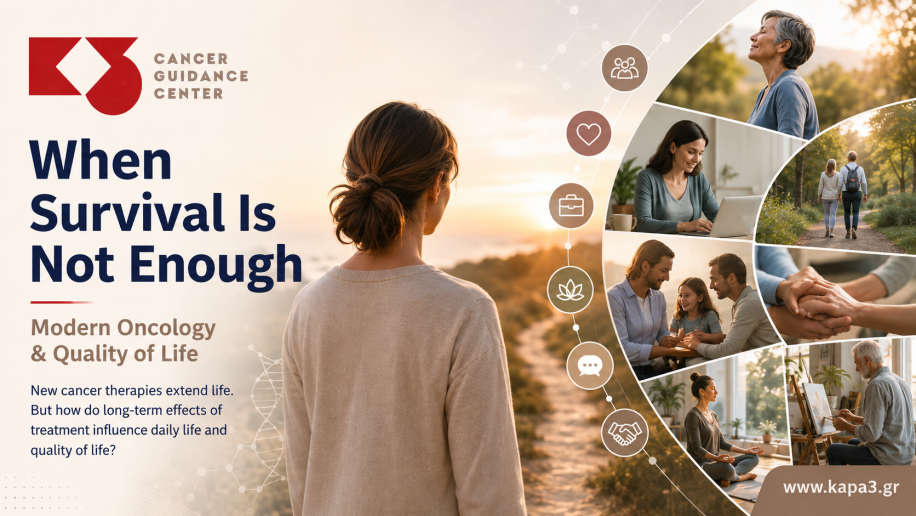
Modern Oncology: When Survival Is Not Enough

New therapies, “hidden” effects and the need to assess not only how long patients live, but how they live

Modern Oncology: When Survival Is Not Enough

New therapies, “hidden” effects and the need to assess not only how long patients live, but how they live

Modern oncology is changing at an unprecedented pace. Immunotherapies, antibody–drug conjugates (ADCs), bispecific antibodies and new targeted therapies are creating treatment opportunities that would have been unimaginable only a few years ago.

Cancer treatment is becoming increasingly personalised and tailored to the biological and molecular characteristics of each tumour, while overall survival is being extended for many people living with cancer.

Yet alongside this remarkable scientific progress, a critical question is emerging:

What does it really mean to live longer after — or with — cancer?

A recent Nature Medicine editorial, entitled “Oncology must confront hidden side effects”, highlights precisely this challenge. While cancer drug development is advancing at remarkable speed, the approaches used to record, assess and manage long-term treatment-related toxicities — and their impact on patients’ quality of life — have not evolved at the same pace.

When a “mild” side effect becomes a major burden

Therapeutic success can create a new reality: people are living longer, but some must also manage treatment-related adverse effects for months, years or even for the rest of their lives.

An adverse event classified clinically as low-grade is not necessarily insignificant to the person experiencing it.

A persistent rash, diarrhoea, stomatitis or other symptoms may substantially affect daily functioning, psychological wellbeing and social life when they continue over long periods.

Similarly, some immune-related adverse events associated with immune checkpoint inhibitors can become chronic, persist for years or even be irreversible.

This highlights an important limitation of the Common Terminology Criteria for Adverse Events (CTCAE), which are widely used to classify and grade treatment-related adverse events.

The duration of adverse events is not adequately reflected, while functional and psychological consequences may also remain outside traditional toxicity assessment.

As a result, what may be considered “manageable” according to conventional clinical criteria can feel very different to the patient living with it every day.

Quality of life cannot be an afterthought

A second important issue is the timing of quality-of-life evidence.

In some cases, quality-of-life findings are reported considerably later than the primary results of a clinical trial, and sometimes after a new drug has already been approved.

This means that patients making treatment decisions during the early years of a new therapy may not yet have a complete picture of how it could affect their daily functioning, emotional wellbeing and overall quality of life.

At the same time, the questionnaires and tools used to assess quality of life need to evolve continuously.

And this cannot happen without the direct involvement of patients themselves.

The experiences and priorities of people receiving treatment should form part of how treatment impact is assessed, rather than being treated as information that is added later.

The example of daraxonrasib

The Nature Medicine editorial highlights the pan-RAS inhibitor daraxonrasib as a telling example. The therapy has shown important survival benefits for patients with aggressive RAS-driven advanced pancreatic cancer, a setting in which treatment options have historically been limited.

At the same time, most patients experienced acneiform rash, with diarrhoea and stomatitis also reported as lower-grade treatment-related adverse events.

Full quality-of-life data — including information on daily functioning and emotional wellbeing — were not yet available because follow-up remained relatively short.

This example illustrates a much wider issue.

If we know that a therapy can significantly extend life, but we do not yet fully understand what that life will be like, an essential part of the information is missing from the conversation between patients and their healthcare teams.

This also has direct implications for informed consent.

Whenever evidence is available, patients need information not only about response rates and survival but also about the potential short- and long-term consequences of treatment for their everyday lives.

The same treatment is not experienced in the same way by everyone

The toxicity profile of a treatment is not identical for every patient.

It may vary according to the drug’s mechanism of action, a person’s physical condition, co-existing long-term conditions, genetic background and other individual characteristics.

Particular attention is needed for populations that have historically been excluded from, or underrepresented in, clinical trials, as their experiences of treatment-related toxicity may differ.

The editorial points, for example, to sex-related differences in adverse events associated with immunotherapy and racial disparities in adverse events observed with CAR-T cell therapy.

This makes real-world data particularly important.

Clinical trials remain fundamental to establishing the safety and efficacy of new treatments. However, broader use in everyday clinical practice may reveal treatment effects that were not fully captured in the populations included in initial studies.

One example is the bispecific antibody amivantamab in lung cancer, where the full extent and severity of some skin toxicities became clearer after a broader patient population was exposed to the treatment.

Moving beyond clinical silos

This changing landscape also demands a different approach to the organisation of cancer care.

The adverse effects of modern cancer therapies do not always fit within a single organ system or medical specialty.

Traditional clinical and disciplinary silos can limit the transfer of knowledge needed to identify, monitor and manage emerging toxicities effectively.

The response therefore needs to be interdisciplinary.

Collaborative networks, updated guidance, systematic reporting, dedicated registries and effective knowledge exchange are increasingly important so that new or rare adverse effects can be recognised early and managed appropriately.

Above all, the patient voice must be heard

Perhaps the most important change concerns how we define treatment success itself.

Survival remains a fundamental goal of oncology.

But it cannot be the only one.

We also need to understand whether people can work, move, sleep, eat, participate in family and social life, maintain as much independence as possible and manage the effects of treatment on their everyday lives.

In other words, we need to know not only how much time a treatment adds to life, but also what that time means to the person living it.

Patients should therefore not enter the process only at the end, as recipients of treatment.

Their perspectives need to be incorporated from the design of clinical trials and assessment tools through to post-approval monitoring and the real-world use of new cancer therapies.

From survival to living after — and with — cancer

Progress in oncology is undeniable, and it brings genuine hope.

The next challenge is to ensure that longer survival is accompanied by quality of life, functioning, meaningful information, participation and dignity.

Modern cancer care therefore needs to move beyond asking only:

“How much longer can this patient live?”

and give equal importance to another question:

“How will this person live during that additional time?”

For Kapa3, this discussion goes to the heart of truly person-centred cancer care: care that sees not only the disease and the treatment, but the person, their everyday life, their needs, their choices and the life that continues during and after cancer.

Source and references

Main source:
Nature Medicine. “Oncology must confront hidden side effects.” Volume 32, July 2026. Published online 8 July 2026. DOI: 10.1038/s41591-026-04554-9.

  1. Barron CC et al. Journal for ImmunoTherapy of Cancer. 2023;11.
  2. Gyawali B et al. Lancet Oncology. 2025;26–e89.
  3. O’Reilly EM et al. New England Journal of Medicine. 2026. DOI: 10.1056/NEJMoa2605555.
  4. Unger JM et al. Journal of Clinical Oncology. 2022;40:1474–1486.
  5. Rayapureddy AK et al. Journal of Clinical Oncology. 2026;44.
  6. Hines MR et al. Transplantation and Cellular Therapy. 2023;29:438.e1–438.e16.

find more s41591-026-04554-9
The Value of Pause: Why We Need to “Disconnect” Even During Treatment

Summer is often associated with the idea of holidays. Images of the sea, travel, and carefree moments fill our daily lives, creating the impression that rest requires a suitcase, a destination, and distance from obligations.

However, for cancer patients who are undergoing treatment, recovering from surgery, or waiting for test results, holidays are often not possible. Medical appointments, treatments, side effects, physical fatigue, and uncertainty about one’s health can make travelling difficult or even impossible.

And yet, the need for rest does not diminish. On the contrary, it often becomes even more important.

Perhaps, then, it is worth redefining what a “holiday” means. Not as travelling somewhere else, but as the ability to pause, even briefly, the relentless cycle of stress, worry, and constant vigilance that often accompanies serious illness. It can be a reminder that life is not only about the disease.

Rest is not a luxury — it is a need

Recent scientific literature shows that people need periods of recovery in order to maintain psychological and physical balance. Recovery is not simply “resting”; it is a process through which the body reduces the physiological and psychological burden caused by chronic stress.

In psychology, the term psychological detachment is used to describe the mental ability to step away from sources of pressure. This means allowing oneself, even for a short while, not to think constantly about what feels overwhelming.

Research by Sonnentag, Binnewies, and Mojza (2010) showed that psychological detachment is associated with lower emotional exhaustion, better mood, and greater resilience in everyday life. Similarly, Fritz and colleagues (2010) found that people who are able to mentally disengage from stress experience higher levels of well-being, energy, and functioning.

Although these studies were mainly conducted among workers, the underlying mechanism applies to every person: when the brain remains in a constant state of alert, it struggles to recover its strength.

In this sense, these small pauses matter not because they make us “forget” the illness, but because they give the brain an opportunity to step out, even temporarily, of a continuous state of alarm.

When illness takes over every thought

The experience of cancer is not limited to treatment days. It often affects everyday life as a whole. Thoughts about tests, medical decisions, bodily changes, work, family, and the future may accompany a person from morning to night.

This constant mental vigilance is exhausting in itself.

International guidelines from the National Comprehensive Cancer Network (NCCN) recognise that psychological distress is a common part of the cancer experience and recommend integrating psychosocial support into overall patient care. Likewise, guidelines from the American Society of Clinical Oncology (ASCO) and the European Society for Medical Oncology (ESMO) emphasise that mental health care and quality of life are essential parts of cancer management.

Holidays are not always about travelling

It is easy to believe that rest requires a trip. Yet scientific research suggests that the greatest benefit of holidays does not necessarily come from the destination itself, but from a change of pace and temporary distance from stressors.

Nawijn and colleagues (2010) found that people tend to feel greater well-being shortly before and during holidays, but that this feeling often fades relatively soon after they return.

This finding reminds us of something important: psychological renewal does not depend only on a few days of holiday each year, but also on the small moments of relief that we can create in everyday life.

For someone undergoing treatment, these moments may be even more valuable.

What does it mean to “pause” as a cancer patient?

To pause does not mean ignoring reality or neglecting one’s health. It means allowing oneself to remember, even for a little while, that life is not only about illness.

This may include:

  • a few quiet minutes on the balcony or in the garden,
  • a short walk in nature, when possible,
  • listening to favourite music,
  • reading a book,
  • engaging in a creative activity,
  • spending time with people who make us feel safe,
  • a few minutes of relaxation or mindful breathing, when appropriate for one’s health condition.

These moments do not change the diagnosis. But they can change the experience of the day.

The importance of quality of life

In modern oncology, quality of life is now considered a key therapeutic goal. Treating the disease is not enough; it is equally important for the person to maintain as much functionality, autonomy, emotional balance, and sense of meaning as possible.

This importance is also reflected in the value framework for cancer treatments developed by the American Society of Clinical Oncology (ASCO). According to this framework, the value of a treatment is not determined solely by its effectiveness, but also by its toxicity, its impact on quality of life, and the personal priorities and preferences of the patient.

This highlights the importance of personalised, patient-centred care, in which the person’s everyday experience is an essential part of the therapeutic process.

Within this perspective, small moments of pause, the continuation of pleasant activities, and connection with what brings joy are not secondary aspects of life. They are meaningful elements that contribute to preserving quality of life. They are not luxuries, signs of weakness, or attempts to avoid reality. They are forms of self-care.

The same applies to family caregivers, who often experience high levels of emotional and physical burden. Taking some time for their own rest is not selfishness; it is a necessary condition for continuing to support their loved one in a meaningful way.

The value of a small pause

The experience of cancer often extends beyond the limits of the disease itself, affecting a person’s self-image, social roles, and daily life. Intense psychological distress and uncertainty can gradually allow the illness to occupy more and more space in life.

In this context, psycho-oncological education appears particularly important. Its aim is to help patients and family caregivers understand the emotional reactions that naturally accompany diagnosis and treatment, develop more effective coping strategies, and actively participate in treatment decisions.

In this way, the sense of control and self-efficacy is strengthened, while also preserving the sense that a person remains something more than their illness.

When health does not allow for travel, it is easy to feel deprived of something important. Yet perhaps the essence of a holiday lies not in the distance we travel, but in the distance we allow ourselves to take from stress.

To “pause” does not mean to stop being a patient. It means allowing oneself, even for a little while, to be something more than the illness.

Perhaps, in the end, the most meaningful holidays are not those that take us far from home, but those that allow us to rest the body, calm the mind, and turn toward ourselves with greater care.

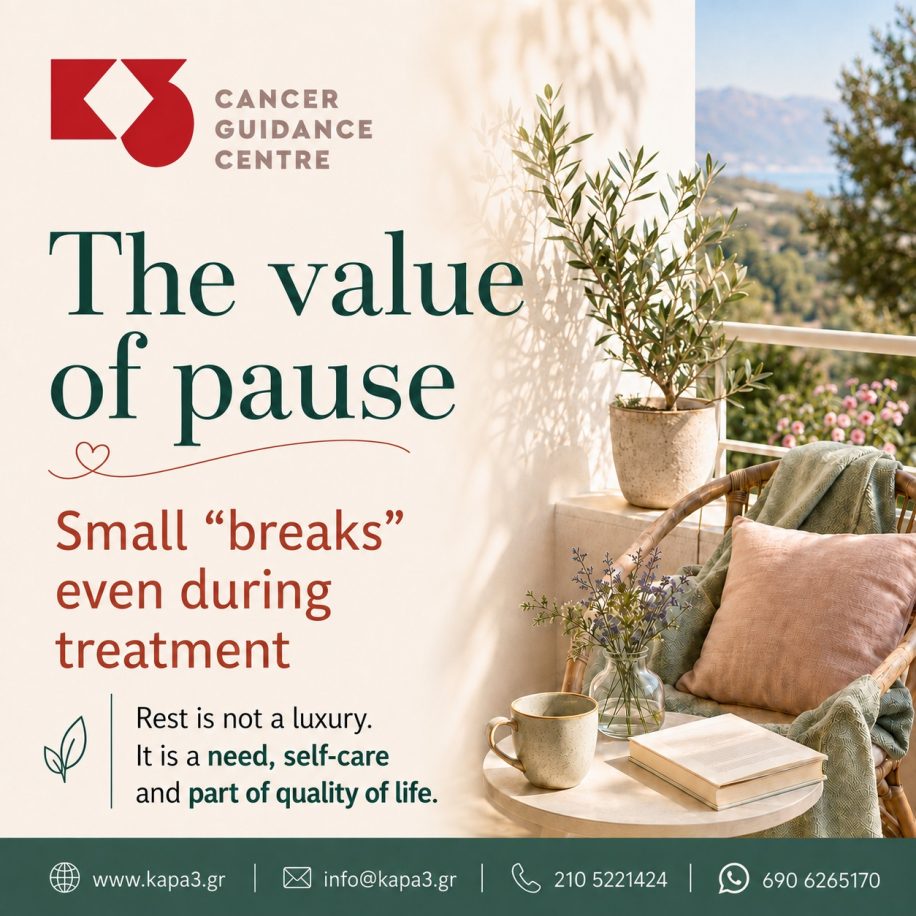
A peaceful sunlit balcony with a chair, a book, a cup, flowers, and an olive tree, illustrating the importance of small moments of rest and self-care during cancer treatment.

By Marilia Barka
Psychology Student
Kapa3 Volunteer

Head and Neck Cancer: The Importance of Early Diagnosis and Prevention.

July 27 has been designated as World Head and Neck Cancer Day (WHNCD). The initiative was launched on July 27, 2014, during the 5th World Congress of the International Federation of Head and Neck Oncology Societies (IFHNOS) in New York, with the goal of raising awareness, education, and the
promotion of prevention. The declaration is supported by dozens of scientific communities worldwide, governments, and, most notably, the UICC (Union for International Cancer Control).

What is Head and Neck Cancer?
This type of cancer includes tumors located in the oral cavity, the lips, the pharynx, the larynx, the
salivary glands, the thyroid gland, the skin of the region, and the cervix.

In terms of prevalence, it is the fifth most common cancer worldwide. Seventy-five percent of cases are located in the mouth and pharynx, while the most common histological type is squamous cell carcinoma (HNSCC). For example, more specifically in Greece in 2012, 1,350 new cases were recorded, a figure that accounted for 3.3% of all new cancer diagnoses in the country.

Based on these percentages, 30% of cases occur in the tongue, 20% on the lip, 15% on the floor of the
mouth and in the larynx, and 10% in the pharynx.

Risk Factors

Understanding the factors that increase the risk is the first step towards prevention. Everyday habits, such as smoking and alcohol consumption, place a significant strain on the body. In particular, 70 per cent of those affected are long-term smokers, with current smokers facing a 300 per cent higher risk. When
smoking is combined with alcohol, the two have a negative synergistic effect, multiplying the likelihood of developing the disease. At the same time, in recent years there has been an increase in HPV-positive cancers, mainly of the pharynx, which often occur in younger people with no history of smoking or
alcohol consumption. Finally, it is worth noting that up to 25 per cent of cases are observed in patients who have never smoked and have no other known risk factors.

Suspicious lesions and symptoms

Delay in diagnosis is the most unfavourable prognostic factor. Conversely, 85–90 per cent of cases can be
cured if diagnosed at an early stage.

Suspected precancerous lesions

Particular care is required when identifying suspected precancerous lesions in the oral cavity. These
include leukoplakia, a white patch of unknown aetiology that does not flake off, in which, in 20–25 per
cent of cases, cancer or severe dysplasia is present. Even more dangerous is erythroplakia, where the rate
of co-occurrence with cancer or severe dysplasia reaches 90 per cent. At the same time, suspicious lesions
include punctate leukoplakia, as well as any chronic ulcer – that is, a sore that is not caused by any
obvious injury and remains unhealed for more than two weeks.

Symptoms requiring medical assessment

There are also certain suspicious symptoms that necessitate immediate assessment by a doctor. These include any unexplained swelling, lump or puffiness in the mouth or throat area, as well as persistent pain when chewing, swallowing or speaking, or pain that radiates to the ear. Furthermore, symptoms such as hoarseness, a change in the tone of the voice, and unexplained bleeding inside the mouth are signs that
should not be ignored.

Prevention and Screening
Screening is particularly important for people over the age of 45, smokers, people who drink alcohol, or
those with a history of HPV infection. Screening involves four simple steps:
1. Neck: Palpation of the lymph nodes and the thyroid gland.
2. Lips: External examination.
3. Mouth: Examination of the tongue, floor of the mouth, cheeks, gums and soft palate.
4. Pharynx: Examination of the tonsils, soft palate and base of the tongue.

The importance of early intervention

Despite advances in surgery, radiotherapy and chemotherapy, the 5-year survival rate remains at around 60 per cent. Furthermore, treatments for advanced-stage disease can affect patients’ quality of life, causing functional (difficulty speaking, chewing, swallowing and breathing), aesthetic or psychological problems.

The Active Role of Patient Organizations in Shaping Public Policy: How Our Health Advocacy Ef orts Are Put into Action

At the Cancer Patient Guidance Center, we believe that the voices of patients, their families, and the organizations that represent them must be heard loud and clear where decisions are made.

Improving the quality of life for cancer patients, ensuring access to new treatments, and meeting the needs of caregivers are not just requests but rights that are asserted through organized advocacy. To make this a reality, the right tools are needed.

The new “Guide to Mapping Public Consultation Tools”

As part of the “ENERGO – Toward an Open State” project, HIGGS has created a practical guide that maps the available mechanisms for participation at the local, national, and European levels.

This guide serves as a roadmap for Civil Society Organizations (CSOs), providing a detailed overview of:
• How institutional consultation tools function
• The opportunities for organizations to actively participate in policy-making
• The requirements for accessing these mechanisms
• The challenges and limitations, so that our interventions are well-informed and effective

Why might this be of interest to the beneficiaries of our Center?

Participation in shaping public policy is not an abstract concept. In cancer care, it translates into very specific changes:
1. Equal access to care: advocating for better infrastructure, shorter wait times, and free access to innovative medications.
2. Support for caregivers: establishing leave policies, benefits, and support systems for the people who stand by their side
3. Rights in the workplace: protecting cancer patients from discrimination in the workplace during and after treatment.

Summary & Structure of the Public Consultation Tools Guide

The “Public Consultation Tools Guide” was developed as part of the project “ENERGO – Toward an Open State” (implemented by HIGGS and co-funded by the European Union, the Bodossaki Foundation, and the NGO Support Centre). It is a practical reference tool designed to empower civil society organizations (CSOs) by strengthening their capacity for meaningful, evidence-based participation in public policy-making and strategic advocacy.

The guide is organized into the following sections:

1. Introduction & Institutional Landscape: This section presents the framework for the guide’s development, which was based on research and experiential tools involving dozens of civil society organizations. It analyzes the challenges of the institutional landscape, noting that the main obstacle for organizations is not the absence of tools, but rather the fragmentation, lack of visibility, and complexity of existing mechanisms,

2. National Tools for Public Consultation & Participation: maps and presents in detail the tools available in Greece, such as OpenGov, the KEDE & LocalWatch consultation platform, Vouliwatch, the YPEN Participation Platform, the National Register of Procedures (“Mitos”), Open Council & Crowd Participation, as well as Diafania & POTHEN.

3. European Public Consultation & Participation Tools: presents mechanisms for engagement at the European Union level, such as Have Your Say, the European Citizens’ Initiative (ECI), Consul Democracy, Loomio & Decidim, and others.

4. Tool Selection Guide & Conclusions: Provides consistent evaluation criteria (purpose, implementing body, prerequisites, limitations) so that each organization can select the most appropriate tool based on the objective of its engagement.

About the “ENERGO” Project & the PLATO Program

The “ENERGO: Toward an Open State – Participation, Advocacy, and Empowerment of Civil
Society Organizations” project is being implemented as part of the PLATO program, with HIGGS serving as the implementing partner. The PLATO program (“Protecting democracy, human rights, and the rule of law through an open civic space”) aims to strengthen the fundamental rights and values of the EU in both Greece and Cyprus. It is co-funded by the European Union through the Citizens, Equality, Rights and Values (CERV) program, the Bodossaki Foundation, and the NGO Support Center. The Bodossaki
Foundation serves as the coordinator in partnership with the NGO Support Center.

View and download the guiderZT9sW-Οδηγός Εργαλείων Δημόσιας Διαβούλευσης.


Information about the actions of Kapa3 in Soufli. An initiative of the Branch and the Social Service of the Municipality of Soufli

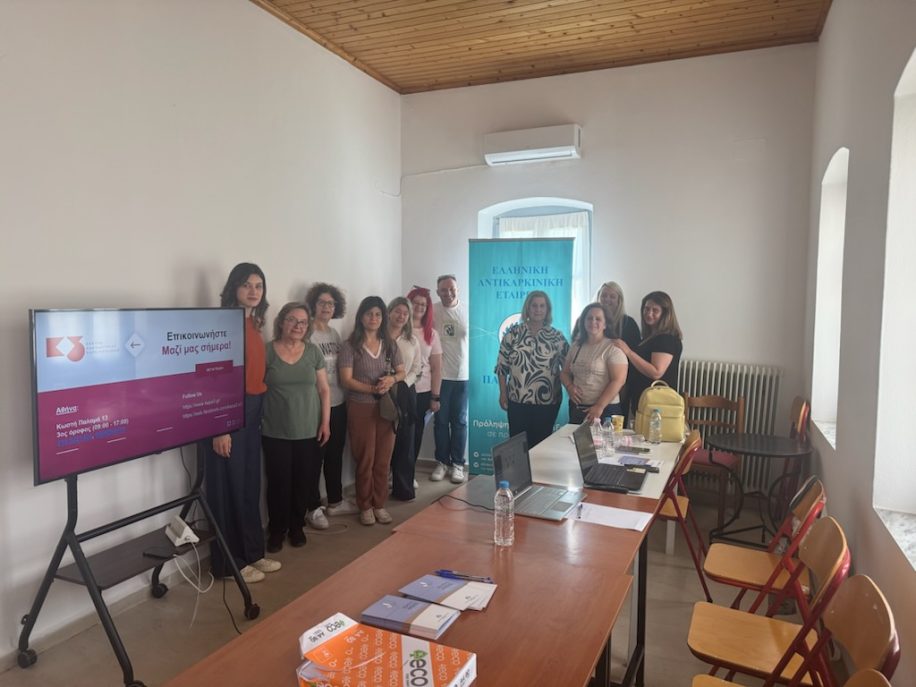
On Friday, May 29, 2026, a working meeting was held at the offices of the Evros Branch of the Hellenic Anti-Cancer Society in Soufli, at the initiative of the Branch and the Social Service of the Municipality of Soufli, with the aim of strengthening the support of oncology patients and the cooperation between local bodies.

The meeting was attended by the President of the Evros Branch of the Hellenic Anti-Cancer Society, Ms. Theodora Rokka, the Head of the Social Service of the Municipality of Soufli, Mr. Marinos Mantziaras, Ms. Aristea Archontidou from KAPA3, social workers of the Municipality of Soufli, as well as health professionals of the Soufli Health Center.

Particularly important was the presence of Ms. Kalliopi Kafetzaki, a social worker at the Day Center for Children, Adolescents and Young Adults with Neoplastic Diseases of the Hellenic Anti-Cancer Society, who presented the services of the Day Center and the hostel in Athens, as well as the challenges faced by oncology patients in the region.

The actions of KAPA3 were also presented, while information was provided on digital tools that can facilitate citizens’ access to health services, such as the Health Insurance Fund, the National Health Insurance Fund and the myHealth application. At the same time, the development of “Myrto”, a digital assistant that will support patients, caregivers and health professionals in searching for information and services, was discussed. During the discussion, issues related to inequalities in access to health services in the region, as well as the difficulties that patients encounter in administrative procedures and social benefits, were highlighted.

The meeting concluded with a joint commitment to continue cooperation and develop initiatives that will strengthen the support of oncology patients and their families in the Evros region. We are particularly happy about the presence of Kappa3 throughout Greece and for the trust of social services in our Organization. We remain faithful to the vision and mission of the Organization. For anything you need, please do not hesitate to contact us. The Kappa3 team is constantly by the patients and caregivers’ side to guide and ensure their rights. For any information or support, you can contact us.

You can contact the Kapa3 team at 13 Kostis Palamas, 3rd floor (Opening hours: 09:00 – 17:00). Contact numbers: 210 5221424 & 6906265170. Email: info@kapa3.gr

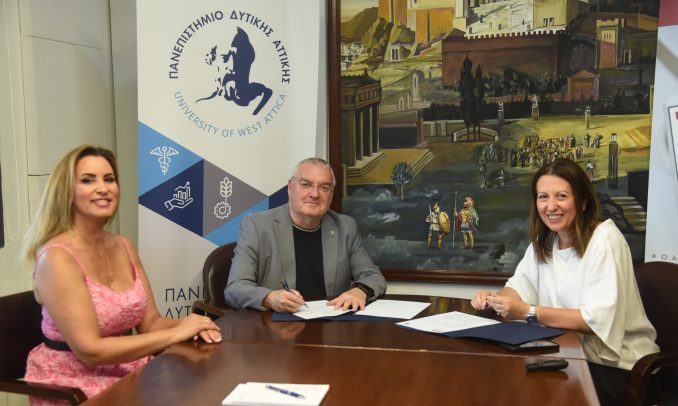
Memorandum of Understanding between the University of West Attica—specifically the Department of Occupational Therapy—and the NGO KAPA3.

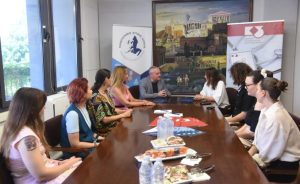
On Tuesday, June 9, a meeting was held to sign a Memorandum of Understanding between the University of West Attica—specifically the Department of Occupational Therapy—and the NGO KAPA3.

The meeting was attended by the Rector of the University of West Attica, Panagiotis Kaldis Penelope Vlotinou, Assistant Professor in the Department of Occupational Therapy Evangelia Bista, co-founder of the organization, as well as representatives from both organizations, including the interdisciplinary team of KAPA3: Despoina Chrysostomou, Psychologist Katerina Georgiopoulou, Social Worker Yiannis Kontogiorgis, Psychologist, and Eleftheria-Irini Polyzoti, an intern from the Department of Social and Educational Policy, as well as students from the Occupational Therapy Department.

During the meeting, a constructive discussion took place regarding the prospects for cooperation between the two organizations, with the aim of developing joint actions and initiatives that will contribute to strengthening education, research, social contribution, and the connection between the academic community and society.

In this context,  it was decided in April to jointly organize a major scientific conference, which will focus on an interdisciplinary and holistic approach to health, on combating social inequalities in healthcare, as well as on the management of chronic disease. The aim of this initiative is to raise community awareness, facilitate the exchange of expertise among professionals and scientific bodies, and disseminate scientific knowledge and information to the general public.

Special mention was made of the innovative work of KAPA3, the digital Health Navigator “Myrto,” a modern artificial intelligence tool currently under development and designed to support cancer patients, their families, and their caregivers. “Myrto” will function as a digital assistant (Chatbot) and Health and Rights Navigator, providing immediate, reliable, and personalized information on health, social welfare, rights, benefits, and available support services. The project aims to empower patients, improve their access to information, and reduce inequalities in health and social care through the use of digital technologies and artificial intelligence applications. The development of “Myrtos” represents a pioneering application of social artificial intelligence in the field of oncology care in Greece and is part of KAPA3’s strategy to promote innovation, accessibility, and the active participation of patients in managing their own health.

The meeting concluded in a particularly positive atmosphere of mutual appreciation and recognition. In this context, the Department of Occupational Therapy at the University of West Attica made a symbolic gesture toward the representative of KAPA3, Evangelia Bista, presenting her with a commemorative gift as a token of appreciation for her many years of valuable social contribution in the field of support for cancer patients. At the same time, as a gesture of hospitality and appreciation, the team was offered a specially produced wine, which is an original creation of the University of West Attica.


Disability Card: Everything KAPA3 beneficiaries need to know about its use and their rights

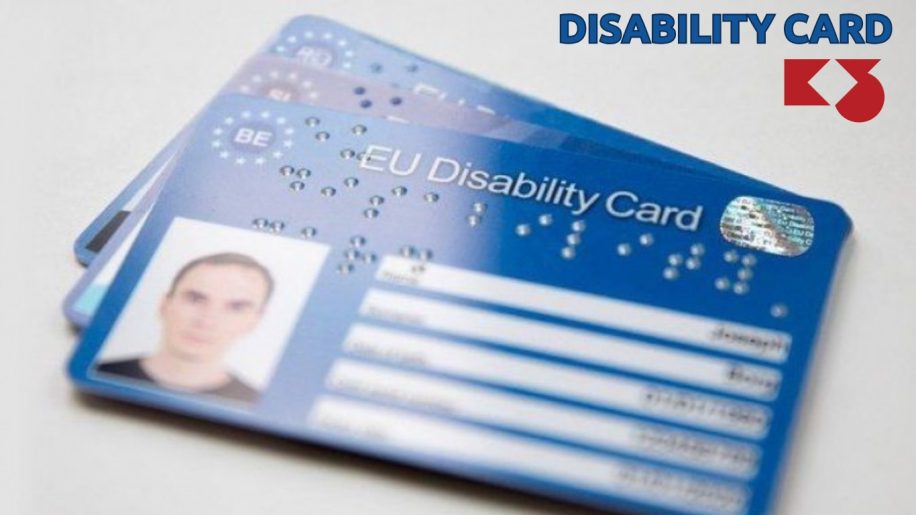
The Cancer Patient Guidance Center (KAPA3) informs beneficiaries and their caregivers about Clarification Circular No. 12757 issued by the Ministry of Social Cohesion and Family. This circular clarifies the framework for the operation, recognition, and mandatory acceptance of the Disability Card by all relevant agencies.

The Disability Card is the official government document that verifies the holder’s identity and status as a person with a disability. The primary purpose of issuing the card is to protect sensitive personal data, as it does not contain any information regarding the nature of the condition or disability.

Below is a detailed summary of all provisions under the law:

  1. Obligations of Entities and Rights to Service

Mandatory Acceptance: The Card must be accepted by all public and private sector entities, as well as by individuals and legal entities 

Priority Service: All entities are required to give priority service to Cardholders in procedures requiring in-person presence and to provide accessibility accommodations.

  1. The Three Forms of the Card (Equal Evidential Value)

Customer service staff are required to accept the Disability Card in whichever of the following forms the citizen chooses.

Printed form: A document with a digital signature from the online portal karta.epan.gov.gr.

Digital form: Via the Gov.gr Wallet app on a mobile device.

Plastic card: A printed form with a standardized design.

  1. Disability Levels and Right to an Attendant

The Card indicates the total disability percentage across three levels, in order to grant the corresponding rights:

Level I: Disability of 50%–66%.

Level II: Disability of 67%–79%.

Level III: Disability of 80% or higher.

“S” Marking (Right to a Companion): If the Card bears the “S” marking, all benefits, rights, and accommodations provided to the cardholder automatically extend to their companion during the period of accompaniment.

  1. What is the status of existing disability certificates?

Please note that disability certificates issued by the competent health committees (KEPAs, ASYE, etc.) remain valid as usual. Citizens who present these certificates instead of the Disability Card will be served as usual in accordance with the provisions applicable to each benefit.

The KAPA3 team stands firmly by patients and caregivers to provide guidance and ensure their rights are protected. For any information or support regarding the use of the Disability Card, please contact us.


June: Cancer Survivors Month

Survival is a victory — but care must continue

June is dedicated to people living with and beyond cancer. It is a month of recognition, hope and respect for every person who has faced a cancer diagnosis, completed treatment, continues treatment, or lives with cancer as a long-term condition.

Cancer survival is a major victory. However, for many people, it is not the end of the story. Life after cancer often brings a new reality: follow-up appointments, fear of recurrence, fatigue, emotional distress, changes in body image, work-related challenges, financial pressure, family adjustments and the need to rebuild everyday life with confidence and dignity.

Cancer Survivors Month reminds us that survivorship is not only about living longer. It is also about living better.

A cancer survivor is not only a person who has completed treatment and is disease-free. The term also includes people receiving maintenance treatment, people living with cancer as a chronic condition, and those who continue to experience the physical, emotional, social or economic consequences of the disease and its treatment.

In recent years, advances in early diagnosis, targeted therapies, immunotherapy, surgery, radiotherapy and supportive care have increased the number of people living many years after a cancer diagnosis. This is a major achievement for medicine, research and public health. At the same time, it creates a new responsibility: to ensure that survivorship care is organised, person-centred and accessible to all.

For many survivors, the end of active treatment is a moment of relief and gratitude. Yet it may also bring uncertainty. Some people feel that everyone around them expects them to “go back to normal”, while they are still trying to understand what has changed in their body, their emotions, their relationships and their daily life.

The fear of recurrence, anxiety before follow-up tests, persistent fatigue, pain, cognitive difficulties, changes in sexuality, emotional vulnerability and social isolation are real experiences for many people after cancer. These needs should not be underestimated. Survivors need space to speak, reliable information, access to professional support when needed, and connection with communities and organisations that understand their journey.

Long-term follow-up is also essential. Survivorship care should not focus only on recurrence. It should also include prevention, early recognition of late effects, management of treatment-related complications, support for mental health, healthy lifestyle guidance and personalised monitoring according to each person’s cancer type, treatment history, age and individual risk factors.

The message is not fear. The message is awareness, prevention and continuity of care.

Life after cancer is also about rights. It is about returning to work, accessing social benefits, understanding available services, managing financial toxicity, supporting caregivers, protecting dignity and ensuring equal access to care. Survivorship must be seen as a social, psychological and practical issue — not only a medical one.

At Kapa3, we see every day that cancer does not always end with the last treatment. It continues in the questions people ask about their rights, their next steps, their follow-up, their access to benefits, psychological support, work, family life and social reintegration.

This is why people living with and beyond cancer need holistic support. They need information, guidance, psychosocial care, access to rights and services, empowerment and continuity of care. No one should feel alone after treatment. No one should be left to navigate bureaucracy, uncertainty or lack of information without support.

Cancer Survivors Month invites us to change the way we talk about survival. We should not ask only: “Did the person survive cancer?” We should also ask:

Are they living with quality of life?
Do they have access to the care they need?
Do they know their rights?
Do they receive psychological and social support?
Can they return to work and daily life with dignity?
Is there a follow-up plan?
Is there someone to guide them when they do not know where to turn?

Cancer survival is a victory. But the real challenge is to turn this victory into a life with quality, safety, rights, support and hope.

At Kapa3, we continue to stand beside every person living with and beyond cancer. Through information, guidance, empowerment and human-centred support, we believe that care does not stop at treatment.

It continues in life.

Participation in CA21152 – Implementation Network Europe for Cancer Survivorship Care

Digital Health and Cancer Survivorship: Kapa3 at the INE-CSC 2026 Conference in Coimbra

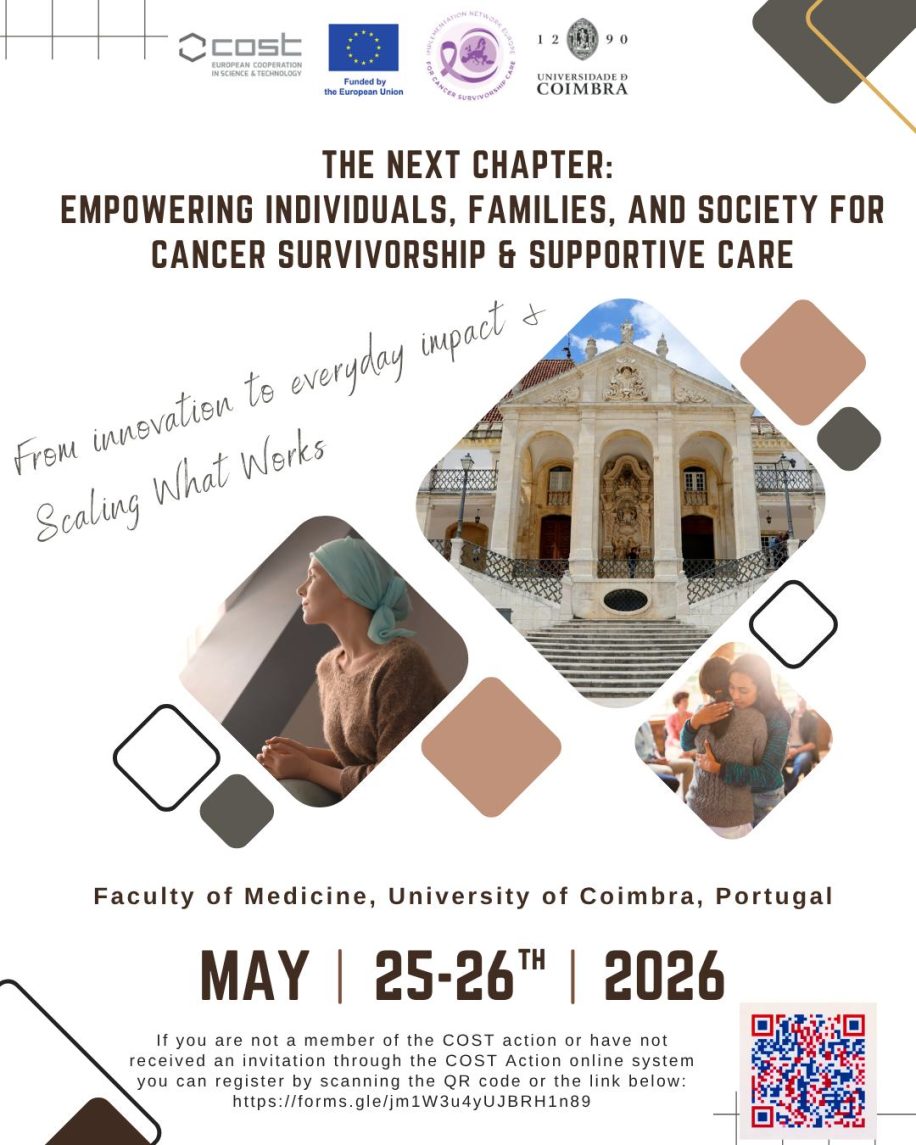
The Cancer Guidance Center – Kapa3 participated in the INE-CSC 2026 Conference, part of CA21152 – Implementation Network Europe for Cancer Survivorship Care (INE-CSC), held on 25–26 May 2026 at the Faculty of Medicine (Polo III), University of Coimbra, in Coimbra, Portugal.

The conference was held under the theme “The Next Chapter – Empowering Individuals, Families, and Society for Cancer Survivorship & Supportive Care”, highlighting the need for new approaches to cancer survivorship, supportive care and the translation of innovation into real-world impact for people living with and beyond cancer, their families and society.

Kapa3’s presence in Coimbra represents another important step in its European engagement and in its ongoing effort to connect everyday experience in supporting cancer patients in Greece with European knowledge, research, digital innovation and health policy.

A key highlight was the participation in a round table discussion on facilitators and barriers to the implementation of digital health tools in oncology. The discussion was co-organised by Aristea Kyriaki Ladas and Christos Frantzidis and brought together voices from different European countries and organisations, including representatives from Kapa3, Acreditar Portugal, Liga Portuguesa Contra o Cancro, ORCO / Madrid Regional Ministry of Health, as well as participants from Poland, Latvia and the United Kingdom.

Among the participants in the round table were Yannis Kontogiorgis and Despoina Pistiolis from Kapa3, Greece, contributing to the European dialogue on digital health, oncology navigation and the participatory development of solutions that respond to the real needs of patients and caregivers.

One of the key messages of the discussion was that digital innovation in oncology is not only a technological challenge. It is also a matter of policy, implementation, equity, trust and accessibility.

For digital tools to make a meaningful difference in cancer care and survivorship, they cannot remain isolated applications or pilot projects. They need to become part of real care pathways, be supported by appropriate policy environments, connect with interdisciplinary practice and be evaluated in terms of effectiveness, implementation readiness, accessibility, equity, sustainability and value.

The discussion also highlighted that digital tools must be designed around the real needs of patients and survivors, not only around technical possibilities. Accessibility across countries, languages, healthcare systems and levels of digital and health literacy must be built in from the beginning.

The role of patient organisations and cancer support communities was also identified as essential. These organisations can act as a bridge between technological innovation and the everyday reality of people affected by cancer. They understand the questions, barriers, fears and needs that are often not fully captured by formal care systems.

For Kapa3, this participation is directly linked to the development of Myrto, its digital health and rights navigator, designed as a tool for empowerment, guidance and support for cancer patients and their caregivers.

Myrto is not approached as a simple information tool. It is being designed as a participatory intervention built around the real needs of people with lived experience of cancer. It is connected to access to rights, social benefits, services, practical guidance and human escalation whenever needed.

The Coimbra experience strengthened the view that digital health must be human-centred, accessible, trustworthy and integrated into a broader ecosystem of care. Technology can meaningfully support cancer care only when it is designed with participation, trust, clear purpose and an equity-oriented approach.

Cancer survivorship is not only about completing treatment. It is about quality of life, mental health, social reintegration, work, family, everyday life, access to services and the feeling that no person is left alone after diagnosis or treatment.

Through its participation in European networks such as INE-CSC, Kapa3 continues to contribute to the dialogue on more equitable, participatory and person-centred cancer care. Care that uses technology without losing sight of the human being at its centre.

The future of cancer support will not depend only on better digital tools, but on better collaboration between patients, caregivers, healthcare professionals, researchers, technology partners, patient organisations and policymakers.

For Kapa3, this is at the heart of its mission: transforming knowledge into action, technology into support, and the voice of patients into services that respond to their real needs.

More information: INE-CSC – Implementation Network Europe for Cancer Survivorship Care.More information:
https://inecancersurvivorship.com

Alpha Bank and Its Employees Support Kapa3 through the Match for Good Initiative

The Cancer Guidance Center – Kapa3 warmly thanks Alpha Bank and its employees for their meaningful support through the Match for Good initiative, through which Alpha Bank doubled the contribution of its employees.

Through this initiative, six non-profit organisations from across Greece received financial support during a special event held at Alpha Bank’s headquarters, in the presence of representatives of the organisations. The event was hosted by the Chairman of Alpha Bank’s Board of Directors, Mr. Dimitris Tsitsiragos, and the Chief Human Resources Officer, Ms. Fragiski Melissa.

Mr. Dimitris Tsitsiragos highlighted that the Match for Good initiative puts into practice Alpha Bank’s commitment to consistently support organisations that create a positive social impact. He underlined that when the individual contribution of employees is combined with the Bank’s support, it becomes a collective force with tangible results.

Ms. Fragiski Melissa noted that Match for Good reflects the Bank’s new culture in practice, giving employees an active role in selecting, participating in and supporting initiatives with social value.

Kapa3 was represented by Ms. Evangeli Bista, co-founder of the Organisation, and Ms. Despoina Chrysostomidou, collaborating psychologist. During the event, they had the opportunity to present Kapa3’s work and discuss the social impact that can be created when corporate responsibility meets the active participation of employees.

For all of us at Kapa3, this support is particularly meaningful. It strengthens our daily effort to stand beside people with lived experience of cancer, as well as their families and caregivers, offering guidance, information, support in accessing rights and services, and practical empowerment tools.

Kapa3 acts as a navigation and support organisation for cancer patients, bridging the gap between need and information, between rights and real access. For many people, especially those living outside major urban centres, the challenge is not only the disease itself. It is uncertainty, bureaucracy, lack of information about available rights, financial burden, transportation difficulties, psychosocial pressure and the need for a reliable companion.

Through initiatives like this, social contribution gains multiplying power and becomes real support for those who need it. The support of Alpha Bank and its employees strengthens Kapa3’s mission: ensuring that no person is left alone when facing cancer, searching for information, navigating procedures or claiming a right they are entitled to.

Health is not only a medical act. It is access, information, dignity, social care and meaningful presence. Every contribution to Kapa3 becomes more guidance, more information, more empowerment and more care for people and families going through a difficult and demanding journey.

We warmly thank Alpha Bank and its employees for their trust, choice and support of Kapa3’s work.

Because when giving becomes collective, it can meaningfully change people’s everyday lives.


20260310 Match For Good Programme Part2 Alpha Bank Via Solid Havas / Thalia Galanopoulou

Match for Good – Alpha Bank (1)