
Three scientific contributions highlighting healthcare professionals’ educational needs, the financial burden of cancer, and the importance of patient navigation in comprehensive oncology care.
30 October – 1 November 2026 | Montana Hotel, Karpenisi, Greece
Kapa3 – Cancer Guidance Centre will participate in the 13th Panhellenic Oncology Nursing Symposium, organised by the Oncology Nursing Sector of the Hellenic Nurses Association (ESNE), taking place from 30 October to 1 November 2026 in Karpenisi, Greece.
Under the central theme “Driving Change, Creating Hope,” this year’s Symposium will provide an important opportunity for scientific exchange, interdisciplinary collaboration and discussion on the future of oncology nursing and comprehensive cancer care.
Kapa3’s participation will include three confirmed scientific contributions, bringing together healthcare professional education, the socioeconomic consequences of cancer and the role of structured patient navigation in improving access to care.
Although these topics address different dimensions of oncology, they share a common objective: to explore how scientific knowledge can be translated into meaningful, accessible and measurable improvements in the care provided to people affected by cancer.
1. Educational Needs of Healthcare Professionals: From Knowledge Acquisition to Meaningful Change
Saturday, 31 October 2026 | 17:30–19:00
Open Scientific Discussion
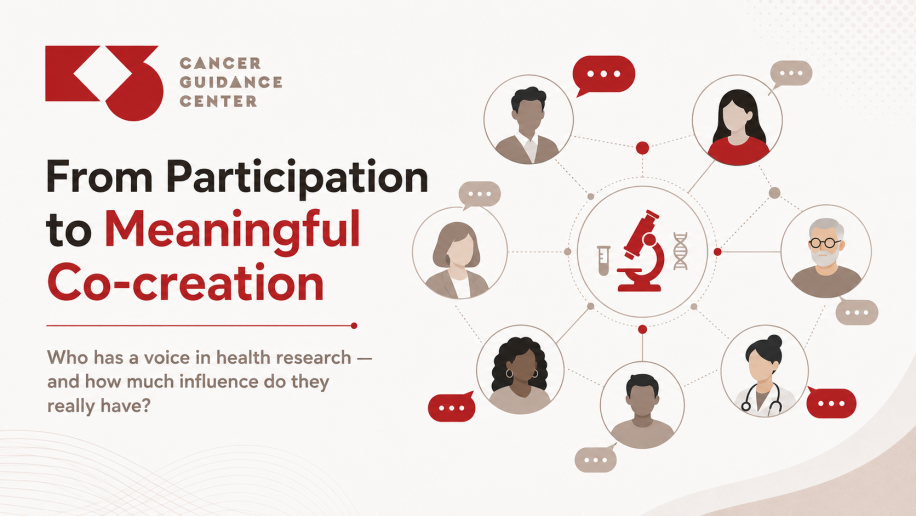
“Educational Needs of Healthcare Professionals: A Critical Issue for Contemporary Oncology Care”
Moderator: Evangeli Bista, PhD(c), MBA, MSc, BSc, Co-founder of Kapa3 – Cancer Guidance Centre.
Modern oncology care is evolving rapidly. New therapeutic approaches, personalised care, increasing psychosocial needs, digital transformation and the integration of Artificial Intelligence are fundamentally changing the knowledge and competencies required of healthcare professionals.
However, participation in educational activities does not automatically translate into improvements in professional practice.
This scientific discussion will address a central challenge in continuing professional education: how to move beyond the delivery of scientific information towards the effective assimilation, application and evaluation of knowledge.
The discussion will follow a structured pathway:
Identifying Needs → Education → Knowledge Acquisition → Assimilation → Application → Evaluation → Improved Care
Particular attention will be given to absorptive capacity, knowledge translation, organisational learning, interdisciplinary collaboration and the development of professional and digital competencies.
An important dimension of the discussion concerns the organisational environment in which healthcare professionals are expected to apply their knowledge.
Leadership, trust, organisational culture, staffing, mentoring, access to information and opportunities for continuous learning can either facilitate or hinder the translation of scientific knowledge into everyday clinical practice.
The discussion will bring together the following participants:
- Ourania Govina
- Theocharis Konstantinidis
- Giorgos Kapetanakis
- Theodora Kappou
- Maria Lavdaniti
- Aikaterini Manousou
- Aikaterini Papadimitriou
- Dimitrios Papageorgiou
Drawing on different academic, clinical, professional, managerial and patient-centred perspectives, the discussion aims to identify shared priorities for continuing education in contemporary oncology care.
The central question is:
How can we move from delivering knowledge to ensuring its meaningful assimilation and practical application, while developing healthcare professionals and organisations capable of continuous learning and measurable improvement?
2. Accessibility in Cancer Care: The Intersection of Health, Society and Economy
Scientific Roundtable
“Access to Healthcare Services for Patients with Malignant Neoplastic Disease: A Health–Society–Economy Perspective”
Session Chairs: Ioanna Tsatsou and Maria Lavdaniti.
As part of this roundtable, Evangeli Bista will deliver a presentation entitled:
“The Financial Burden of Cancer on Patients and Their Families”
A cancer diagnosis is not solely a medical event. It frequently brings substantial social and financial consequences that affect both patients and their families.
Loss or reduction of income, frequent travel for treatment, additional healthcare-related expenses, caregiving responsibilities and difficulties maintaining employment can significantly affect quality of life and access to appropriate care.
The concept of financial toxicity describes the economic hardship and distress associated with cancer and its treatment.
Financial toxicity may contribute to psychological distress, financial insecurity, reduced social participation and inequalities in access to healthcare and supportive resources.
Drawing on Kapa3’s experience in social guidance, patient navigation and support for people affected by cancer, the presentation will explore financial burden as an essential dimension of person-centred oncology care.
The roundtable will also include:
- Georgios Manomenidis: “Social Determinants of Access to Oncology Care”
- Maria Lavdaniti: “The Role of Nurses and the Interdisciplinary Team in Reducing Barriers to Access”
Together, these contributions will examine accessibility from complementary perspectives, highlighting the complex relationship between health services, socioeconomic conditions and interdisciplinary collaboration.
Equitable access to care depends not only on the availability of healthcare services, but also on people’s actual ability to access and use them.
3. The Role of Patient Navigation in Oncology Care: A Systematic Review
Oral Scientific Presentation
“The Role of Patient Navigation in Oncology Care: A Systematic Review”
Authors:
Maria-Garyfallia Barka
Psychology student, Panteion University of Social and Political Sciences; Volunteer, Kapa3 – Cancer Guidance Centre.
Evangeli Bista
Social Scientist, PhD(c), MBA, MSc, BSc; Co-founder, Kapa3 – Cancer Guidance Centre.
This scientific contribution falls within the field of psychosocial oncology care and examines the role of structured patient navigation in improving continuity, coordination and accessibility throughout the cancer journey.
Cancer diagnosis and treatment are associated with multiple needs extending beyond clinical management.
Patients and their families often require assistance in understanding medical and administrative information, navigating healthcare services, accessing social rights and benefits, managing practical difficulties and obtaining psychosocial support.
The systematic review examines international scientific literature published between 2015 and 2026, drawing on searches conducted in PubMed and Embase.
The review focuses on patient navigation, psychosocial support, counselling and care coordination, exploring their contribution to comprehensive oncology care.
In addition, practice-based data collected through Kapa3’s activities are considered in order to connect international evidence with the needs of patients and caregivers in the Greek healthcare and social support context.
The findings highlight the importance of organised, interdisciplinary navigation models involving healthcare professionals, social workers, psychologists and other relevant professionals.
Patient navigation is not simply the provision of information.
It is a structured process of identifying needs, supporting decision-making, facilitating access to appropriate services and helping patients navigate the multiple challenges arising throughout their cancer journey.
The presentation reinforces the importance of developing coordinated and person-centred support pathways that address medical, psychological, social and practical needs.
From Scientific Research to Kapa3’s Everyday Practice
Kapa3’s three scientific contributions reflect the organisation’s commitment to connecting research, professional education and social support with the lived experiences of people affected by cancer.
The education of healthcare professionals, the recognition of cancer-related financial hardship and the implementation of structured patient navigation are not isolated priorities.
They represent interconnected dimensions of a broader approach to oncology care.
Effective professional education can strengthen the ability to identify patient needs. Recognition of socioeconomic barriers can improve the relevance of supportive services. Structured navigation can help connect patients with appropriate professionals, resources and care pathways.
Together, these elements contribute to a model of healthcare that is more coordinated, equitable and responsive to people’s real needs.
This approach is also reflected in the development of MYRTO – Kapa3’s AI-Supported Digital Social Navigator, an innovative initiative designed to improve access to evidence-informed information about social rights, benefits, administrative procedures and available support services.
MYRTO is developed in collaboration with SimasiaAI, with the valuable support of the TIMA Charitable Foundation.
The initiative demonstrates Kapa3’s commitment to combining digital innovation with human-centred guidance, health literacy, social inclusion and responsible use of Artificial Intelligence.
Driving Change, Creating Hope
For Kapa3, participating in the 13th Panhellenic Oncology Nursing Symposium represents another opportunity to strengthen scientific dialogue, share knowledge and develop collaborations between healthcare professionals, academic institutions and civil society organisations.
Patients’ lived experiences provide valuable insights into the challenges that healthcare systems must address.
When these experiences are systematically documented, examined through scientific research and incorporated into professional education and service development, they can become a powerful source of meaningful change.
Scientific progress creates real value when it translates into better everyday experiences, fewer barriers and more effective support for people living with cancer.
At Kapa3, we remain committed to advancing a model of oncology care that recognises the full complexity of patients’ needs and supports people throughout every stage of their cancer journey.
Because care does not end with treatment. It embraces the whole of life.
Symposium Information
13th Panhellenic Oncology Nursing Symposium
“Driving Change, Creating Hope”
Dates: 30 October – 1 November 2026
Venue: Montana Hotel, Karpenisi, Greece
Organiser: Hellenic Nurses Association (ESNE) – Oncology Nursing Sector
Official event website:
https://oncologynursingcongress.esne.gr/
Kapa3 – Cancer Guidance Centre
https://www.kapa3.gr
Explore MYRTO – Digital Social Navigator
https://kapa3-cag-rag-hybrid-deploy.onrender.com/