Continuing the Journey: Online Group Sessions for Mental Health and Nutrition – Third Cycle with Kapa3 and the LB.H.Sc

Following the warm response to the second cycle of meetings (see the related article here ), focusing on Nutritional Guidance and Experiential Psychological Support, Kapa3 and the Laboratory of Basic Health Sciences (LB.H.Sc), Department of Nursing University of Peloponnese are delighted to continue their collaboration with a third series of online group sessions for mental health and nutrition, dedicated to the holistic care of body and mind, designed for people living with cancer and their caregivers.

In this third cycle, mental health and nutrition are approached as two complementary sides of the same care.

The mental health sessions help participants recognize and manage challenging emotions such as anxiety, fear, sadness, or guilt, strengthen resilience, and cultivate a deeper connection with themselves and others.

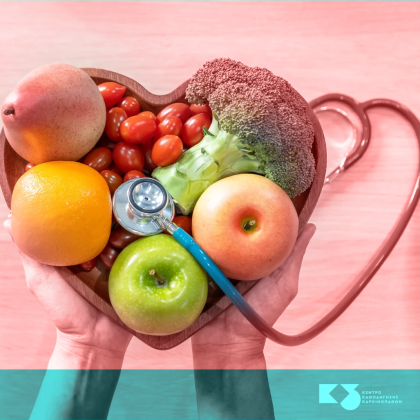
The nutrition sessions explore how mindful and balanced eating can support the body, improve energy and mood, and become a meaningful act of self-care. Food is not only a necessity but also a way to nurture the body, mind, and spirit.

Program of Online Sessions for Mental Health and Nutrition & Themes

  • Saturday, February 28, 2026, 17:30–19:00
    Myths and truths about “anti-cancer” diets. How to evaluate nutritional information and avoid risky practices.

  • Saturday, March 14, 2026, 17:30–19:00
    Stress and uncertainty: practical ways to manage them during treatments and exams.

  • Saturday, March 21, 2026, 17:30–19:00
    Giving space to emotions without being overwhelmed: recognizing and expressing fear, anger, sadness, and guilt.

  • Saturday, March 28, 2026, 17:30–19:00
    Nutritional support during treatment & the role of cachexia.

  • Saturday, April 25, 2026, 17:30–19:00
    Boundaries without guilt: protecting energy and mental resilience.

  • Saturday, May 9, 2026, 17:30–19:00
    Safe cooking practices & kitchen hygiene.

  • Saturday, May 23, 2026, 17:30–19:00
    Family and illness: changes in relationships and ways to support each other.

  • Saturday, June 6, 2026, 17:30–19:00
    The Tree of Life: who I am beyond the illness.

  • Saturday, June 13, 2026, 17:30–19:00
    What gives meaning to life now: discovering small but meaningful elements that sustain us.

Format & Participation

The meetings are held online, based on dialogue, experiential learning, and the sharing of personal experiences. Everyone participates at their own pace, in a warm environment of acceptance and trust. Consistent attendance helps build safety and confidence within the group.

To express your interest or join the first session of the third cycle (Saturday, February 28, 17:30–19:00): [Registration Link]

Text/adaptation: Ifiyenia Anastasiou for Kapa3

January – Cervical Cancer Awareness Month

January is internationally dedicated to raising awareness about cervical cancer. Known as Cervical Cancer Awareness Month, it aims to highlight the importance of prevention, early detection, and vaccination against the human papillomavirus (HPV), which is responsible for nearly all cases of the disease.

Cervical cancer remains a major public health issue worldwide. According to the World Health Organization, approximately 660,000 new cases are diagnosed globally each year, and more than 350,000 women lose their lives to the disease. It is among the most common cancers affecting women, particularly in regions where access to preventive screening and vaccination is limited. At the same time, it is one of the few cancers that can largely be prevented through organized prevention and early detection programmes.

In Greece, available data indicate that around 700 new cases of cervical cancer are diagnosed annually, while more than 280 deaths are attributed to the disease each year. The estimated incidence is approximately 8 cases per 100,000 women. Although this places Greece close to the European average, it also highlights the need for further improvement in prevention and early diagnosis.

Cervical cancer is closely linked to chronic infection with human papillomavirus (HPV), a very common virus transmitted mainly through sexual contact.

HPV vaccination, combined with regular gynaecological screening through Pap tests and HPV tests, can significantly reduce the development of precancerous lesions and cervical cancer. In this context, the World Health Organization has set the goal of eliminating cervical cancer as a public health problem by 2030, through high vaccination coverage, universal screening, and timely treatment.

January serves as an important reminder that information and prevention save lives. Open discussion around women’s health, free from fear and stigma, empowers women to take care of themselves and to claim prevention as a fundamental right.

Special emphasis should be placed on the systematic education of younger generations, as prevention begins long before any symptoms appear. Access to reliable information, preventive screening services, and vaccination programmes is a key factor in reducing health inequalities and protecting future generations.

At KAPA3, we believe that information and prevention are core pillars of care and empowerment. Through the dissemination of reliable information and the support of initiatives that promote public health, we stand alongside every woman who needs knowledge, prevention, and timely care.

Because cervical cancer can be prevented, we encourage everyone to take action. Give a meaningful gift to the women you care about: daughters, sisters, mothers, friends, partners, spouses. Talk openly about women’s health, share information, support initiatives, challenge taboos, and promote early diagnostic screening.

Information and open dialogue are the strongest tools we have.

Sources:

World Health Organization (WHO)
Cervical cancer – Fact sheet

WHO – Global strategy to accelerate the elimination of cervical cancer

International Agency for Research on Cancer (IARC / WHO)
Cervical Cancer Awareness Month

ICO / IARC HPV Information Centre – Greece Factsheet

Ministry of Health – National Immunization Programme

Hellenic National Public Health Organization (EODY)
HPV and cervical cancer

Text/adaptation: Ifiyenia Anastasiou for Kapa3

International Migrants Day – 18 December

Health without borders: equal access to care as a human right

International Migrants Day is observed every year on 18 December, marking the date in 1990 when the United Nations General Assembly adopted the International Convention on the Protection of the Rights of All Migrant Workers and Members of Their Families. The day is not only about population movement, but about fundamental rights, dignity, and—above all—equitable access to health care for all, regardless of origin or legal status.

Global Statistics

Globally, more than 281 million people currently live outside their country of birth, representing approximately 3.6% of the world’s population (International Organization for Migration – World Migration Report).

Migrants and refugees consistently face health inequalities driven by barriers such as language, limited health literacy, insecure housing and employment, and fear of exclusion from health systems. According to the World Health Organization, social determinants of health play a decisive role in access to prevention, early diagnosis and treatment, resulting in poorer health outcomes for migrant populations.

These inequalities are further compounded among particularly vulnerable groups, including children and young people, women, and individuals without stable legal status. In cases of serious or chronic illness—such as cancer—delayed diagnosis, interruptions in treatment and lack of psychosocial support can have a profound impact on disease outcomes and quality of life.

Situation in Greece

Within the Greek context, the country continues to serve as both a host and transit point for migrants and refugees. According to data from Eurostat and the Hellenic Statistical Authority, a significant proportion of the population residing in Greece consists of third-country nationals, while access to comprehensive health services remains uneven, particularly for young people and individuals with increased care needs. Despite existing legal provisions, practical barriers persist in prevention, continuity of care and psychosocial support.

In oncology, these challenges become even more pronounced. Cancer does not discriminate, yet access to care is often shaped by social and economic factors. The need for culturally sensitive, accessible and continuous health services is critical to ensure that no person is left unsupported when facing a cancer diagnosis.

In this context, Kapa3 has long worked to highlight social inequalities in health and to promote holistic cancer care for all people, regardless of background. In 2024, a targeted support initiative for refugees and migrants living with cancer was implemented through the programme Cancer May Control your Body for a While, But Not Your Soul, with the support of the King Baudouin Foundation.

The action focused on the regions of Macedonia and Thrace, addressing refugees and migrants in the area, with particular emphasis on the 15–24 age group, aiming to provide immediate primary care assistance and continuous support throughout the course of their treatment.

International Migrants Day is a reminder that health is a human right, not a privilege. Ensuring equitable access to care—especially for those most at risk—is a shared responsibility of institutions, health professionals and society as a whole.

A fair and healthy society is one that leaves no one behind.

Sources:

Text/Adaptation: Ifiyenia Anastasiou for Kapa3

International Universal Health Coverage Day – December 12

International Universal Health Coverage (UHC) Day is observed every year on December 12 to remind us that access to quality, affordable healthcare is a fundamental human right and a cornerstone of just and sustainable societies. The United Nations established this day to strengthen global commitment so that all people, everywhere, can access the health services they need without financial hardship. (WHO)

Statistics

Universal health coverage is not just a goal. It is a central element of the United Nations  Sustainable Development Goals for 2030. Despite progress in recent decades, the reality remains challenging. Approximately 4.6 billion people worldwide still lack access to essential health services. At the same time, 2.1 billion face financial hardship in accessing care. Finally 1.6 billion pushed into poverty due to health expenditures.

These statistics demonstrate that universal coverage remains far from fully achieved, with significant inequalities between countries and within societies: poorer populations, rural residents, people with lower education, and other vulnerable groups face much greater barriers to healthcare. (WHO – World Bank Report)

Situation in Greece

In Greece, although universal coverage exists in principle through the National Health System, access to care is not always equitable or complete. Only a small percentage of citizens report high satisfaction with service availability, while around 12.1% of people have unmet healthcare needs, a rate significantly higher than the OECD average. (OECD)

Out-of-pocket healthcare expenses particularly affect lower-income households. Nearly nearly 10% of households facing catastrophic health spending, forcing families to sacrifice essentials such as food or housing. (WHO – Health Care Greece)

These inequalities are not just numbers—they have real consequences for quality of life. For cancer patients, universal coverage means timely diagnosis, access to treatments, continuous monitoring, psychosocial support, and palliative care. Lack of comprehensive, accessible care can worsen disease outcomes and increase psychological and financial burden for patients and their families.

At Kapa3, we strive to ensure that no cancer patient or their loved ones feel alone. Through educational initiatives, experiential programs, psychosocial support, and guidance materials, we advocate for healthcare access that respects human dignity, life, and real needs.

Universal Health Coverage Day is not just a date—it is a call to action for broader access, reduced inequalities, and genuine support for all. Together, we can make meaningful change.

Text/adaptation: Ifiyenia Anastasiou for Kapa3

World AIDS Day — December 1

World AIDS Day is a powerful reminder that the fight against HIV/AIDS is far from over. Despite remarkable progress in recent decades, millions of people worldwide are still living with the virus. At the same time, inequalities in access to prevention, diagnosis and treatment continue to cost lives.

Established in 1988 as the first international health-related awareness day, World AIDS Day has since served as a global call for informed action, early diagnosis, destigmatization and equitable care.

What We Know Today About HIV/AIDS

According to recent UNAIDS data, more than 39 million people are living with HIV globally — and thanks to modern treatments, they can live full and healthy lives.

The science is encouraging. Antiretroviral therapy (ART/ARVs) allows people on treatment to reach undetectable viral loads, which means they cannot transmit the virus (“Undetectable = Untransmittable”).

Yet despite this progress, new infections still occur — mainly in communities facing social exclusion, economic hardship, or limited access to healthcare services. At the same time, lack of information and persistent stigma remain major barriers that delay testing and treatment.

HIV & Cancer: An Important Connection

The link between HIV and several forms of cancer isn’t widely known, yet it is significant:

  • People living with HIV have a higher risk of cervical cancer due to the more persistent presence of HPV.
  • Increased risk is also observed for non-Hodgkin lymphoma, Kaposi sarcoma and several cancers associated with chronic viral infections.
  • Early diagnosis, continuous treatment and regular screening significantly reduce these risks.

At Kapa3, we have published articles on the importance of screening and patient empowerment, which you can find here: Article1, Article2, Article3, Article4, Article5.

The Situation in Greece

Greece has made important progress in recent years, thanks to the operation of Checkpoints, the support of NGOs and prevention structures, the spread of PrEP, and improved access to treatment.

In 2024, Greece recorded a small decrease (4%) in new HIV diagnoses compared to 2023, according to the Hellenic National Public Health Organization (EODY). However, underdiagnosis remains a real concern. Many people avoid timely testing due to stigma and fear of discrimination.

Prevention: What Each of Us Can Do

  • Testing: a simple test can save lives.
  • Condom use & comprehensive sexual education.
  • PrEP & PEP: modern and effective prevention tools.
  • Eliminating stigma: information and open dialogue remain our strongest forms of protection.
  • Supporting facilities that provide access to prevention, diagnosis and treatment.
A Human Rights Issue

At Kapa3, we believe World AIDS Day concerns all of us. Access to healthcare is a fundamental right. No one should be afraid to get tested, speak openly or seek support.

According to International Human Rights Law, discrimination based on HIV status, sexual orientation, gender identity or expression, health status (including substance use), or sex work constitutes a violation of human rights.

World AIDS Day reminds us that knowledge, prevention and solidarity save lives — and that a world without new HIV infections is possible.

Sources

  • UNAIDS
  • HIV.gov
  • AIDS Healthcare Foundation
  • EODY (Hellenic National Public Health Organization)

Text/Adaptation: Ifiyenia Anastasiou for Kapa3

This Year’s Good-Luck Charm (2026): A Symbol of Self-Care

The Good Luck Charm of the Year (2026) for Kapa3: The Crown

A Symbol of Self-Care

This year’s good luck charm is dedicated to self-care — a small, daily reminder of the deep importance of tending to ourselves with gentleness, respect, and consistency.
In a time when everyday life becomes increasingly demanding, this charm reminds us that self-care is not a luxury, but a necessity.

It symbolizes all those small acts that keep us standing: the pause, the breath, the moment of rest; the warm embrace we offer ourselves. The choice to listen to our bodies, to acknowledge our limits, and to prioritize our health, joy, and inner balance.

And it is precisely this “pause” that led us to our good-luck charm for 2026: the Crown — a symbol that carries far more than what meets the eye.

In music, the crown (fermata) is the pause held by the performer —
the moment of emphasis before the melody continues.
So it is with every struggle: it requires breaths, pauses, small breaks — not to stop, but to continue.

A crown is also a circle. And a circle means you are not alone; around you are people, care, support — a circle that holds you.

If there were a title of honor for those who fight cancer, it would be a crown. Not as a symbol of power, but as a recognition of dignity.

Cancer can sometimes feel like a thorny wreath — heavy, painful, relentless.
And yet, depending on how we choose to face it, it can transform into a wreath of victory: the victory of persistence, endurance, return — and above all, the victory of effort.

Because behind every crown lies a story: of a parent, a friend, a child, a partner, someone who is fighting or supporting someone who fights.

That is why the crown is not just a piece of jewelry — it is a message of strength:

It is not what happens to us that defines us —
but how we choose to face it.

It reminds us that when we care for ourselves, we can truly care for others. That strength, well-being, and kindness begin within us.

May this year’s charm be a small talisman accompanying us each day, inspiring us to make space for what nourishes us, to embrace our vulnerability, and to celebrate our worth.

For a year filled with more care, more peace, and more love — beginning with ourselves.

Let’s fill our days with small acts that make a difference.
Let’s uplift one another.
Let’s turn self-care into a habit.

And for all of us at Kapa3, the invitation is simple: To weave self-care into our everyday lives.

Join the #kapa3gouri Self-Care Challenge

Inspired by this year’s charm — dedicated to self-care — we invite you to join the #kapa3gouri Self-Care Challenge, a collective action that brings us together through moments of care, calm, and mindfulness.

How the challenge works:
  1. Take one small self-care action during your day.
    It can be something simple: a walk, a breathing break, a warm cup of tea, a few minutes away from screens, journaling your thoughts, a hug you needed.

  2. Capture a photo or write a few words that reflect that moment.

  3. Share it on Instagram or Facebook using the hashtag #kapa3gouri.

  4. Tag two friends to keep the chain of self-care going.

Our goal is not the “perfect” image — but the daily reminder that we deserve time, space, and care. Each post becomes a small mosaic of tenderness toward ourselves.
A collective message that wellbeing begins within.

For 2026, choose the Crown — as a symbol of hope, strength, and dignity.
Wear it. Offer it. Share its power.

Thank you for being part of this journey.


The Kapa3 Team


4 November: International Stress Awareness Day

Stress is a natural response to life’s challenges and changes. It helps us respond, adapt, and stay motivated. But when it becomes prolonged, it can turn into an invisible, exhausting companion that affects every aspect of daily life — body, mind, relationships, and mood. International Stress Awareness Day (4 November) is a reminder to pause, take a deep breath, and acknowledge that mental health deserves the same care as physical health.

In Greece, the mental health burden remains significant. According to the OECD (2023, Country Health Profile), around 6% of the population experiences anxiety disorders, while 7% report symptoms of depression. At the same time, more recent studies in younger age groups show that stress affects a much larger proportion: in a 2020 survey of university students, high levels of moderate to severe stress and extreme anxiety were reported. Additionally, international daily stress measurements indicate that about 58% of Greeks felt stress the previous day, placing the country among the highest in Europe and globally. These figures highlight that anxiety touches a substantial part of the population and significantly impacts daily life, emphasizing the importance of awareness and support.

Stress can manifest in multiple ways: rapid heartbeat, difficulty concentrating, insomnia, irritability, or simply feeling like there’s “never enough time.” Too often we dismiss it as “part of life.” But caring for our mind and emotions is not a luxury — it is a responsibility to ourselves. Support from mental health professionals, physical activity, connection with nature, music, art, or even a simple conversation with someone we trust can become small breaths of balance.

People living with chronic illnesses, including cancer, often face heightened stress. Anxiety about treatment, uncertainty about the future, and the physical impact of disease can intensify tension and worry. Recognizing and validating this stress is essential, as support through networks, counseling, and accessible resources can make a meaningful difference.

At Kapa3, we believe no one should face stress or illness alone. Through our programs, initiatives, and community, we offer guidance, emotional support, and practical help, highlighting that mental well-being is a shared journey and empathy is key.

Today is more than a reminder of the risks of stress. It is an invitation to speak openly without fear or shame, to create space for understanding and acceptance. Let’s learn to listen to our bodies and minds, recognize the signs, and seek help when needed. Calmness is not a luxury — it is a right for everyone.

Read more in previous articles of Kapa3: Article1, Article2, Article3

Sources:

OECD (2023), Country Health Profile: Greece
Stress, Anxiety and Depression Prevalence among Greek University Students during the COVID-19 Pandemic (2023, PLOS ONE / PMC)
Gallup Global Emotions Report 2024 – Ελλάδα: Daily Stress Measurement (58%)

Text/adaptation: Ifiyenia Anastasiou for Kapa3

KAPA3 at the ESMO Congress: Inspiration and Confirmation That We Are Moving Towards the Future

From October 17 to 20, we attended the ESMO World Congress in Berlin. The event stood out for the active participation of the Greek medical community, which led presentations on clinical data, Real-World Evidence, and up-to-date education in collaboration with the global oncology community. At the same time, Greek teams received awards in various areas (medical, nursing, institutional), inspiring us all with hope for the ongoing developments in oncology care.

Our main goal as KAPA3 was to focus on research addressing the real needs of the population within the framework of the global community. Collaborating with healthcare professionals from around the world allowed us to gather valuable knowledge and experiences. The intensive sessions and discussions broadened our understanding and prompted reflection on the next steps.

Key challenges identified for the patient advocacy community were:

  1. Mandatory multidisciplinary assessment before starting treatment
    No patient should begin treatment without undergoing a multidisciplinary assessment, including an oncology nurse, social scientist, and psychologist. This should be considered the minimum standard for all cancer patients.
  2. Certification and quality of multidisciplinary teams
    It is our duty to ensure that these teams meet quality standards. Their certification is undoubtedly complex. However, for us at KAPA3, multidisciplinary care is a fundamental criterion for service provision and must be certified. Quality care can significantly improve patient outcomes, as shown by clinical studies and research presented at this year’s congress, with potential improvements in overall survival of up to 10% (Sweden).

We are deeply proud that our work is guided by these standards precisely. In an era of remarkable progress in medicine and new therapies, we continue to strengthen the institution of research and multidisciplinary care, ensuring accessibility and patient-centered approaches aimed at quality of life.

This is the third time we have presented our efforts at an ESMO congress, in collaboration with the International University and the Nursing Department, highlighting our presence at every level. Meanwhile, trainings for other healthcare professionals take place annually within our organization in collaboration with Greek universities.

For Greek patients and their environment, we have not yet reached a point where the quality of care is considered a key objective for the entire oncology community. Our aim is to align with efforts across Europe so that, in the future, multidisciplinary assessments from the first day of diagnosis become standard practice within therapeutic protocols.

At KAPA3, we understand that quality care, inherently multidisciplinary, requires collective effort and collaboration between organizations and professionals to determine the best possible standards.

Continuing the Journey: Holistic Body and Mind Care with Kapa3 and the University of the Peloponnese

After the first round of meetings held in April (see the related article here), focusing on Nutritional Guidance and Experiential Psychological Support, Kapa3 and the University of the Peloponnese continue their collaboration with a new series of experiential workshops dedicated to the holistic care of body and mind.

The meetings are open to people living with cancer, caregivers, and healthcare professionals — to anyone seeking a space for genuine communication, understanding, and empowerment.

In this new cycle, mental health and nutrition are approached as two sides of the same care.

In the mental health sessions, participants learn to recognize and manage challenging emotions such as anxiety or fear, strengthen their resilience, and cultivate a deeper connection with themselves and others.

At the same time, the nutrition sessions explore how balanced and mindful eating can support the body, enhance energy and mood, and become an act of self-care and self-respect. Food is not only a necessity but also a way to show love — to the body, the soul, and to life itself.

The meetings are held online and are based on dialogue, experiential learning, and the sharing of personal experiences. Everyone participates at their own pace, in a warm environment of acceptance and trust.

To express your interest: Registration Form for the Support Group for People with Cancer

Text/adaptation: Ifiyenia for Kapa3

October 17 – International Day for the Eradication of Poverty

October 17 has been established by the United Nations as the International Day for the Eradication of Poverty, a day dedicated to raising awareness and taking action against a phenomenon that continues to affect millions of people worldwide. The observance began in 1987, when thousands of citizens gathered in Paris to honor the victims of extreme poverty and advocate for a more just and equitable future for all.

Poverty is not only about lack of income—it affects access to education, healthcare, housing, employment, and mental well-being. For people living with serious or chronic illnesses, such as cancer, financial insecurity further complicates daily life, limiting access to treatments, medications, and supportive services.

According to the latest Hellenic Statistical Authority data (Income and Living Conditions Survey 2024), 26.9% of Greece’s population—approximately 2.74 million people—is at risk of poverty or social exclusion, an increase compared to the previous year. Greece ranks second in the EU after Bulgaria, highlighting the difficulty households face in coping with inflation, the energy crisis, and limited social protection.

Globally, according to the United Nations World Social Report 2025, over 690 million people live in extreme poverty (less than $2.15 per day), while 1.1 billion experience multidimensional poverty, lacking access to healthcare, education, and a decent standard of living. Social and economic crises, combined with climate change, disproportionately impact vulnerable households, increasing inequalities and reducing opportunities for stable recovery.

The International Day for the Eradication of Poverty also emphasizes the role of communities and decision-makers in creating inclusive systems. Addressing social determinants of health, ensuring access to essential services, and empowering vulnerable groups are critical to reducing inequalities and improving quality of life. By working together—health professionals, social organizations, and civil society—we can create a world where those facing illness are not further burdened by poverty.

At Kapa3, we firmly believe that access to quality healthcare and decent living conditions are fundamental human rights. Poverty and health are interconnected—the one can easily amplify or worsen the other. Through awareness, empowerment, and social support initiatives, we strive to contribute to a society where no one is deprived of the care they deserve, regardless of income. 

Read more: https://www.un.org/en/observances/day-for-eradicating-poverty

https://www.statistics.gr/documents/20181/3d7d2251-2302-9023-5280-a1d962c3a7a5