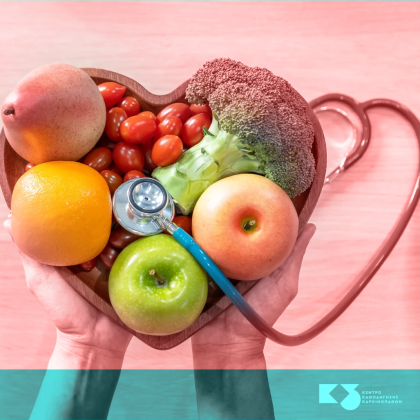
Cancer: From Prevention to Life Coordination – Successful Knowledge Seminar in Megara with Kapa3

With great success and participation from citizens of all ages, the Knowledge Seminar in Megara – From Prevention to Life Coordination took place on Sunday, February 8, in the Council Chamber of the Megara City Hall, in celebration of World Cancer Day.

The event was organized by the Municipality of Megara in collaboration with the Kapa3 Cancer Guidance Center, which since 2020 provides guidance and support to oncology patients and their families, ensuring access to vital information and services.

The seminar opened with a speech by the Mayor of Megara, Panagiotis Margetis, who shared his family’s personal experience with cancer, emphasizing the importance of accurate information and support throughout the patient journey. Stamatis Georgakis, Deputy Mayor for Public Health and Social Protection, coordinated the seminar and highlighted the value of Kapa3 and its Guidance Station in informing, supporting, and advocating for patients’ rights.

Distinguished experts participated in the seminar, presenting key aspects of holistic cancer care:

  • Georgios Nintos, MD MSc, Oncologist: Prevention and early diagnosis, causes, and preventive measures.

  • Katerina Papakonstantinou, MD MSc PhD, Obstetrician-Gynecologist: Gynecologic cancer, importance of HPV vaccination and Pap test.

  • Andrea Paola Rochas, Assistant Professor of Biology, University of Peloponnese Nursing Department: Nutrition and cancer prevention, emphasizing the Mediterranean diet, exercise, and avoidance of processed foods.

  • Maria Lavdaniti, Professor and Head of Nursing Department, International University: Role of oncology nurses in holistic care.

  • Pinelopi Vlotinou, Assistant Professor of Occupational Therapy, University of West Attica: Daily living support and quality-of-life improvement through occupational therapy.

  • Ioanna Sideri, Psychologist MSc, PhD(c), University of Peloponnese: Psychological support for patients and caregivers, resilience, and crisis management.

  • Grigoria Zacharogianni, MD MSc PhD, Radiation Oncologist: Modern treatment options and importance of moderate exercise during therapy.

The presentation of Kapa3 was delivered by Evangelia Bista, Co-founder and Head of Strategic Partnerships, highlighting the importance of digital literacy and a holistic approach to patient care. Kapa3 has expanded its oncology support network by inaugurating the Cancer Guidance Station in Megara, with the significant support of Megara Resins. In its first year, the station has assisted over 100 beneficiaries, offering guidance on social rights, patient file management, and psychological support, free of charge.

For 2026, Kapa3 is strengthening its digital services with Myrto, Greece’s first AI-powered Health Digital Assistant, providing personalized guidance and voice control. Planned initiatives also include: Wellness in Motion, with 12 outdoor walks for mental wellbeing of young adult cancer patients, the Cancer Wellness Open House Day, and a conference on equitable access to care.

The Knowledge Seminar in Megara – From Prevention to Life Coordination highlighted the importance of prevention, holistic care, interdisciplinary collaboration, digital literacy, psychological support, and continuous patient rights education.

Kapa3 warmly thanks the Municipality of Megara for hosting and supporting the event, as well as all speakers, for their invaluable expertise and commitment to sharing knowledge and scientific know-how.

Explore the photo gallery here:

The Press Release document here

KAPA3 at the 18th Panhellenic Congress of Nutrition & Dietetics

The 18th Panhellenic Congress of Nutrition & Dietetics took place at the Athens Concert Hall from 4–6 December 2025, bringing together scientists and professionals to discuss the latest developments in nutrition under the central theme “Bridging Research and Practice.”

The Congress covered topics ranging from alternative proteins to eating disorders, through lectures, workshops, and roundtable discussions.

During the session “Co-Creating Health: Participatory Research with Cancer Patients on Nutrition and Mental Resilience”, held on Friday, 5 December in Hall MC3, participants included Andrea Paola Rojas Gil, Associate Professor of Biology – Biochemistry and Director of the Laboratory of Basic Health Sciences at the University of Peloponnese, a close KAPA3 collaborator in the field of nutrition, with the topic “Nutrition as a Tool to Support Treatment and Wellbeing: Comparison of Co-Design Programs for Oncology Patients in Greece and Colombia”; Evagelia Bista on behalf of KAPA3 with “Nutrition as a Social Determinant of Health: Inequalities, Education, Environment and Policies”; and Ioanna Sideri with “Mental Health and Strategies for Empowerment and Resilience”.

Nutrition as a Social Determinant of Health

Evagelia Bista emphasized that nutrition is not merely a personal choice but one of the most critical social determinants of health, directly affecting the prevention, progression, and quality of life of oncology patients. Nearly half of people worldwide lack access to healthy food, and socio-economic inequalities determine who can follow a nutritious diet. Greece is no exception: the economic crisis, the high cost of healthy foods, and the turn towards cheap, highly processed options have worsened the situation.

Key points highlighted in the presentation included:

  • Income, education level, and food availability determine dietary quality, with low-income households experiencing higher rates of obesity and chronic diseases.

  • A shift from the Mediterranean diet towards Western-style options due to economic and social factors.

  • A double burden for vulnerable populations: undernutrition and obesity coexist, particularly affecting those facing food insecurity.

  • Impacts on oncology patients: adequate nutrition is crucial for treatment tolerance, recovery, and quality of life, yet many patients face financial and treatment-related barriers.

Ms. Bista presented KAPA3’s actions with a focus on nutritional support and the participatory approach applied in online Experiential Sessions, conducted in collaboration with the University of Peloponnese. These sessions continue a series dedicated to holistic care for body and mind, emphasizing both nutrition and mental health for oncology patients and their caregivers.

KAPA3 underlines that nutrition cannot be seen as an individual behavior alone but as the result of social, economic, and environmental factors. Reducing inequalities and ensuring access to healthy food for all is essential for better health outcomes, especially in oncology care.

Text/Adaptation: Ifiyenia Anastasiou for Kapa3

Gut Microbiota: A Hidden Ally in Cancer Treatment

Our gut is home to trillions of microorganisms, collectively called the gut microbiota, which play a crucial role in digestion, immunity, and overall health. Excitingly, research is revealing that these tiny residents can also influence the effectiveness of cancer treatments—from immunotherapy to chemotherapy and beyond. Understanding this connection opens new possibilities for more personalized and effective cancer care.

Boosting Immunotherapy through Gut Microbes

Innovative therapies like CAR-T cell therapy, immune checkpoint inhibitors (ICIs), oncolytic viruses (OVs), and CpG-oligonucleotide immunotherapy have transformed cancer treatment in recent years. Studies show that the composition of gut microbiota can affect how well patients respond to these therapies.

For instance, certain bacteria—such as Ruminococcus, Faecalibacterium, and Akkermansia—are linked to better CAR-T outcomes, while broad-spectrum antibiotics may reduce therapy effectiveness. Similarly, gut microbes can enhance responses to ICIs by stimulating immune cells that attack tumors. OVs, which work by killing cancer cells and activating the immune system, also benefit from a healthy gut microbiota. Even CpG-based therapies are more effective when gut microbes activate immune pathways.

In short, a balanced gut microbiota can help “turn cold tumors into hot tumors,” making them more responsive to modern immunotherapies.

Gut Microbes and Traditional Treatments

Gut microbiota also affects chemotherapy and radiotherapy. Some microbes can influence drug metabolism, improving efficacy or reducing side effects. For example, bacteria like Enterococcus hirae and Barnesiella intestinihominis enhance the response to cyclophosphamide, a common chemotherapy drug, by activating immune cells.

On the other hand, disruptions in gut microbiota—often caused by antibiotics or radiation—can increase treatment toxicity, leading to issues like intestinal inflammation or mucositis. Promising strategies like fecal microbiota transplantation (FMT) and certain probiotics have shown potential to restore gut balance, reduce side effects, and improve overall outcomes.

Complementary Approaches: TCM and Probiotics

Traditional medicine can also benefit from gut microbes. Traditional Chinese Medicine (TCM) compounds, when processed by gut bacteria, can transform into more potent anti-cancer agents. Certain TCM herbs and formulas can also promote beneficial bacteria while suppressing harmful ones.

Similarly, probiotics, prebiotics, and synbiotics—foods or supplements that nourish or contain helpful bacteria—can support cancer treatment by strengthening gut immunity, reducing inflammation, and enhancing drug effectiveness. For example, in combination with chemotherapy or immunotherapy, synbiotics have been shown to reduce treatment-related side effects while boosting therapeutic benefits.

Emerging Strategies: Engineering the Microbiota

Beyond diet and probiotics, scientists are developing targeted microbiota interventions to fight cancer more precisely. These include:

  • Engineered microbes, designed to deliver anti-cancer agents directly to tumors.
  • Phage therapy, using viruses that selectively kill harmful bacteria.
  • Nanomedicine and OMVs (outer membrane vesicles), which can deliver drugs or immune-stimulating molecules to tumors while sparing healthy microbes.

These cutting-edge approaches are still under study, but they demonstrate the incredible potential of harnessing gut microbes to improve therapy effectiveness and reduce toxicity.

Looking Ahead: Precision Medicine and Microbiota

The future of cancer treatment may increasingly involve personalized microbiota strategies. By analyzing an individual’s gut bacteria and metabolites, clinicians could tailor therapies to maximize efficacy and minimize side effects. Combining microbiota profiling with multi-omics analysis, AI, and big data could allow doctors to predict treatment response and guide interventions in a way that was unimaginable just a decade ago.

While challenges remain—including differences in individual microbiotas, safety considerations, and regulatory hurdles—the potential is enormous. Gut microbiota represents a promising frontier in precision oncology, offering hope for more effective, safer, and individualized cancer care.

Read the full article here

Text/Adaptation: Ifiyenia Anastasiou for Kapa3

Continuing the Journey: Holistic Body and Mind Care with Kapa3 and the University of the Peloponnese

After the first round of meetings held in April (see the related article here), focusing on Nutritional Guidance and Experiential Psychological Support, Kapa3 and the University of the Peloponnese continue their collaboration with a new series of experiential workshops dedicated to the holistic care of body and mind.

The meetings are open to people living with cancer, caregivers, and healthcare professionals — to anyone seeking a space for genuine communication, understanding, and empowerment.

In this new cycle, mental health and nutrition are approached as two sides of the same care.

In the mental health sessions, participants learn to recognize and manage challenging emotions such as anxiety or fear, strengthen their resilience, and cultivate a deeper connection with themselves and others.

At the same time, the nutrition sessions explore how balanced and mindful eating can support the body, enhance energy and mood, and become an act of self-care and self-respect. Food is not only a necessity but also a way to show love — to the body, the soul, and to life itself.

The meetings are held online and are based on dialogue, experiential learning, and the sharing of personal experiences. Everyone participates at their own pace, in a warm environment of acceptance and trust.

To express your interest: Registration Form for the Support Group for People with Cancer

Text/adaptation: Ifiyenia for Kapa3

World Food Day: Nourishment as a Pillar of Recovery, Equity & Dignity

Every year on October 16, we pause to remember that food is not a luxury — it is a fundamental human right. As the global theme underscores, “Water is life, water is food. Leave no one behind,” we cannot separate what we eat from how we live, survive, and heal.

The Cancer–Nutrition Connection

For people living with cancer, nutrition can shift from routine to lifeline. The right balance of proteins, micronutrients, hydration, and calories helps sustain strength, improve tolerance of treatments, and support recovery. Yet many cancer patients face serious obstacles: loss of appetite, changes in taste, nausea, fatigue, and swallowing problems. These side effects often lead to undernutrition or weight loss, which in turn can weaken resilience against therapy.

The Shadow of Food Insecurity

The medical challenges compound when food access is uncertain. Studies show that between 17% and 55% of cancer patients worldwide experience food insecurity. Among survivors, those struggling with insecure nutrition have been shown to carry a 28% higher risk of mortality compared to those with stable access. In some research from the U.S., about 6% of older cancer survivors report food insecurity, especially when healthcare costs become “catastrophic” relative to income. These numbers are alarming — they confirm that disease and deprivation often travel together.

The Broader Picture

Food systems globally are strained by climate change, supply chain disruptions, inequalities, and the overuse of ultra-processed foods. In cancer contexts, a 10% increase in ultra-processed food intake has been linked with higher incidence of some cancers (breast, colorectal, head & neck). Ensuring equitable access to fresh, minimally processed foods is critical to prevention and treatment alike.

At Kapa3, we firmly believe that caring for people with cancer goes far beyond medical treatment. Proper nutrition, psychological support, and reliable information are equally important pillars for each person’s wellbeing and dignity.
Raising awareness about nutrition is an essential part of our mission to highlight issues related to quality of life, encourage healthy choices, and remind everyone that even the smallest changes in our daily habits can make a meaningful difference in supporting both patients and their caregivers.

On this World Food Day, let us commit to more than awareness. We must advocate for policies that ensure nutritious food access as part of healthcare, especially for patients facing serious illness. Governments, NGOs, health institutions — all must collaborate to reduce food deserts, subsidize healthy staples, and integrate food security screening into patient care protocols.

In shared meals, there’s more than sustenance: there’s hope, connection, and dignity. Those fighting cancer deserve every bite of comfort, strength, and life — and none should ever be left behind.

Read more about our Holistic Body and Mind Care online Meetings with Kapa3 and the University of the Peloponnese here