Cancer: From Prevention to Life Coordination” – Event Announcement, Municipality of Megara & Kapa3

On the occasion of World Cancer Day (4 February), the Municipality of Megara and the Cancer Patient Navigation Center – Kapa3 are organizing the knowledge-focused event “Cancer: From Prevention to Life Coordination” on Sunday, 8 February 2026, at 18:00, at the Municipal Council Hall of Megara City Hall.

The event aims to highlight that addressing cancer is not limited to medical treatment alone, but requires holistic care, proper guidance, and coordinated services, placing the individual, their family, and their social environment at the center.

The objective of the initiative is to emphasize the role of a Health Navigator in cancer management and to underline the importance of interdisciplinarity in oncology care, bringing together the expertise of physicians, nurses, psychologists, occupational therapists, as well as civil society organizations such as Kapa3, which support patients and caregivers.

The event features the following speakers:

  • Georgios Nintos, Medical Oncologist, MD MSc – Cancer prevention and early diagnosis

  • Katerina Papakonstantinou, Obstetrician–Gynecologist Surgeon, MD MSc PhD – Prevention and gynecological cancer

  • Rojas Andrea Paola, Associate Professor of Biology, Department of Nursing, University of the Peloponnese – Nutrition and prevention

  • Maria Lavdaniti, Professor and Head of the Department of Nursing, International University – The role of oncology nursing in holistic cancer care

  • Penelope Vlotinou, Professor of Occupational Therapy, University of West Attica – Occupational therapy and patients’ daily life

  • Ioanna Sideri, Psychologist MSc, PhD(c), Department of Nursing, University of the Peloponnese – Psychological support for patients and caregivers

  • Grigoria Zacharogianni, Radiation Oncologist, MD MSc PhD, University of West Attica – Therapeutic options from diagnosis to recovery

The event is part of Kapa3’s ongoing presence in Megara and its constructive cooperation with the Municipality, as reflected in the operation of the Cancer Patient Navigation Counseling Station.

It is another opportunity to highlight community-based efforts supporting cancer patients and their families, strengthening awareness, prevention, and meaningful guidance.

Participation is open to health professionals, patients, relatives, and all interested citizens.
It is our great honor to welcome everyone who wishes to learn more about cancer care and holistic management and to take part in a dialogue of knowledge and solidarity, because only together can we build a more inclusive and supportive society for all.

Cancer is increasingly becoming a highly manageable disease

In the Sunday edition of To Vima newspaper and Vita magazine (25 January 2026), the views of Ms Evangeli Bista, co-founder of Kapa3, were featured, shedding light on the landscape of modern oncology and the challenges emerging within the current Greek healthcare reality.

Ms Bista addressed the Greek context and highlighted the importance of digital technology as a cornerstone of modern health policy, particularly in the field of cancer care, where treatment pathways are complex, long-term, and deeply person-centred. As she noted, Greece has already made measurable progress: electronic and paperless prescribing, oncology registries, the National Electronic Health Record, and applications such as MyHealthApp are creating the conditions for more coordinated and transparent care. When healthcare professionals, as well as patients themselves, are equipped with appropriate digital skills, patient autonomy is strengthened, treatment outcomes improve, and inequalities—especially those affecting vulnerable population groups—are reduced.

The article is co-authored by distinguished scientists and collaborators: Maria Gazouli, Professor of Biology, Genetics and Nanomedicine at the Medical School of the National and Kapodistrian University of Athens and national representative on the Committee for Advanced Therapies of the European Medicines Agency; Manolis Saloustros, Associate Professor of Oncology at the University of Thessaly and President of the Hellenic Society of Medical Oncology (HESMO); and Christos Frantzidis, Assistant Professor of Informatics and Machine Learning at the University of Lincoln in the United Kingdom.

The contributing experts underline that modern oncology increasingly approaches cancer as a largely manageable chronic disease, through targeted and personalised therapies. The use of innovative technologies—such as next-generation sequencing, mRNA vaccines, PARP inhibitors and cellular therapies—has significantly expanded therapeutic options. At the same time, prognosis is becoming more dynamic and individualised through the use of multi-omics profiling, machine learning algorithms and liquid biopsy techniques. Particular emphasis is placed on the early integration of palliative care and psychosocial support, which play a crucial role in improving patients’ quality of life. Finally, the importance of structured and coordinated healthcare services is highlighted, with the medical oncologist acting as a key coordinator of person-centred care.

Beyond documenting technological advances, the article opens a broader discussion on the digital transition in oncology care, addressing issues of access, meaningful use of data and the need for coordination across different scientific disciplines. Digital health is presented not as an end in itself, but as a tool that requires collaboration, institutional maturity and a shared vision in order to deliver real value to patients.

The overarching message is clear: every step, whether small or large, matters. Progress in oncology is not the result of isolated actions, but of collective effort. Through collaboration among scientists, healthcare professionals, organisations and patients, the conditions for meaningful and sustainable change can be created—always with the human being and their real needs at the centre.

Text / Adaptation: Ifiyenia Anastasiou for Kapa3
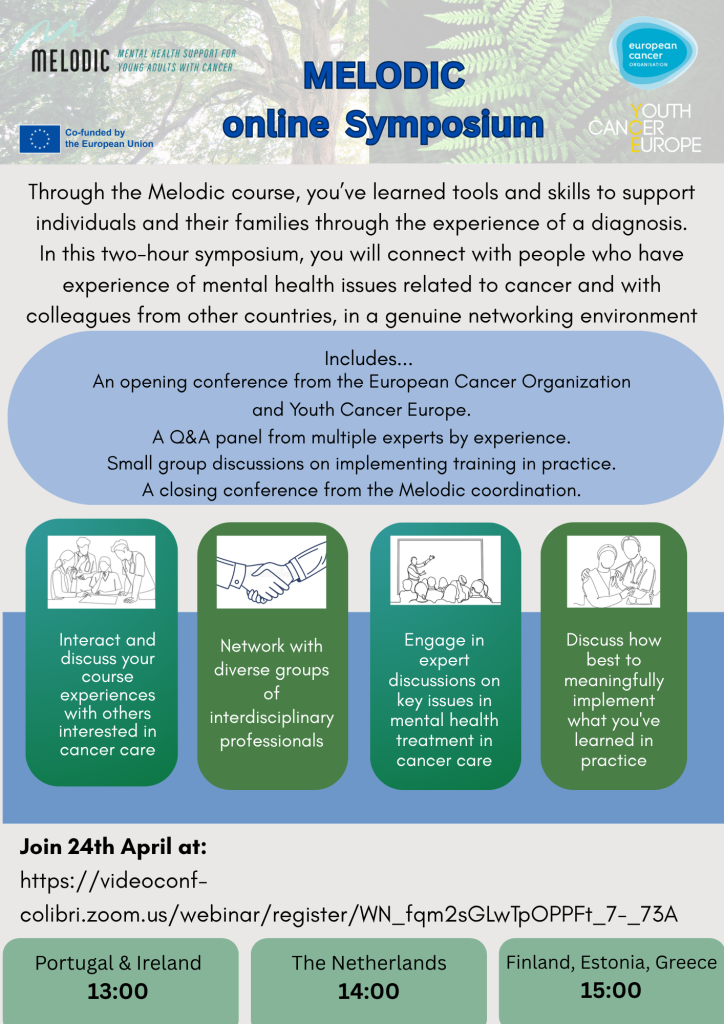
The MELODIC Consortium met in Athens to promote the mental health of young adults with cancer

We were delighted to welcome the European partners of the MELODIC Consortium in Athens, during the two-day consortium meeting held on 19–20 January 2026, at the facilities of the School of Public Health, University of West Attica (UNIWA).

Representatives from all participating countries – Finland, Estonia, the Netherlands, Portugal, and Ireland – attended in person, while there was also significant active online participation. The excellent organization and warm hospitality created a collaborative and open communication environment, boosting optimism around the successful progress of the project.

On the first day, discussions focused on the progress of WP2 and WP3, including publication planning, needs assessment, and the development of the educational curriculum for healthcare professionals, aiming to support the mental well-being of young adults with cancer experience and their families.

In this context, the importance of approaches linking physical activity, natural environments, and mental health was highlighted, recognizing nature as a space for recovery and meaningful experiences for young people who have undergone demanding treatments.

During the short breaks, participants had the opportunity to meet and exchange views on the challenges and best practices in the field of mental health for young adults with cancer.

Later in the afternoon, participants enjoyed a lovely dinner at Iamvos Restaurant, located in the historic neoclassical building “Kostis Palamas” of the National and Kapodistrian University of Athens, in a welcoming atmosphere that encouraged networking and human interaction.

On the second day, the work continued with the further development and evaluation of the MELODIC intervention (WP4), with particular emphasis on the blue and green spaces as a key component of its design, followed by discussions on the communication, dissemination, and sustainability strategy (WP5), as well as project management and quality assurance (WP1).

Partners actively participated, exchanging knowledge and experiences, and planning the next steps of the collaboration, while later braving the chilly weather for the optional visit to the Stavros Niarchos Foundation Cultural Center, where they admired the National Library, the National Opera, and the blue and green spaces of the foundation, combining nature with inspiration.

Kapa3’s participation in the MELODIC Consortium ensures that the voices of young adults with cancer experience and their families are considered at every stage of the project.

We look forward to continuing our close collaboration with our European partners, preparing the next phase of the project and disseminating its results, aiming to enhance the mental health and overall well-being of young adults with cancer across Europe.

More information about the project can be found here.

Text/adaptation: Ifiyenia Anastasiou for Kapa3
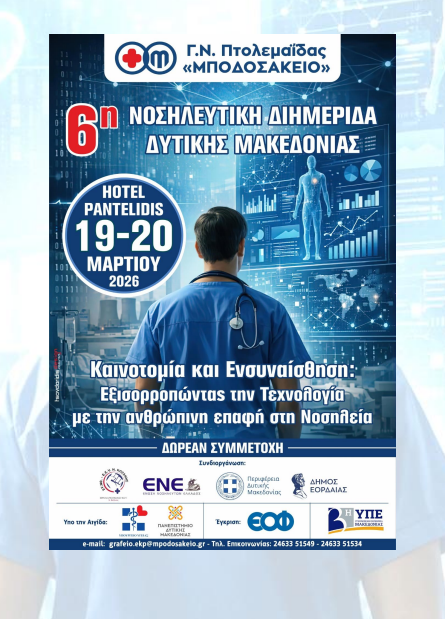
Kapa3 in Dialogue on Artificial Intelligence and Ethical Regulation

On 18 December 2025, Kapa3 participated in the event “Artificial Intelligence: Towards Regulation or Overregulation?”, on the occasion of the online monograph release “The European Regulation on Artificial Intelligence (EU/2024/1689, Artificial Intelligence Act, AI Act): A First Constitutional-Ethical Perspective” by Fereniki Panagopoulou, an initiative of Syntagma Watch. Representing Kapa3 were co-founder of Kapa3, Evangelia Bista, and legal advisor of Kapa3, Zoi Thanopoulou, presenting the organization’s position and concerns regarding artificial intelligence.

During the discussion, Ms. Bista emphasized that the implementation of new technologies cannot ignore the functioning of the public sector: “What hardware will the new accounting system run on? Which government mechanisms will support it, and within what political-administrative culture? Can hi-tech solutions operate effectively in outdated systems with anachronistic practices?” She also highlighted the philosophical and ethical dimensions of AI: “How are intelligence and consciousness connected, and who decides what we can use and how?

In addition, Kapa3’s core concerns regarding AI integration in healthcare were discussed: the need for transparency and accountability in all uses of digital tools, the protection of patients and the public from algorithmic discrimination, training healthcare professionals for safe and responsible use of technological solutions, and the importance of developing infrastructures and processes that ensure system interoperability and reliability. These concerns are reinforced by Kapa3’s experience in digital patient guidance and the development of support tools with ethical and legal awareness.

Author Fereniki Panagopoulou presented the main points of her monograph, focusing on the practical application of the AI Act: clearly defining responsibilities and limitations in algorithm use, ensuring transparency in AI-driven decisions, and protecting vulnerable groups. She also stressed the importance of aligning technology with ethical principles so that innovation serves citizens rather than efficiency alone. The monograph is available here.

The event highlighted the complex nature of AI-related issues, combining technical, legal, and ethical approaches. Kapa3 reiterated its commitment to contributing to public dialogue on artificial intelligence, protecting citizens’ rights, and promoting the safe and responsible use of digital tools in healthcare, for the benefit of patients and healthcare professionals.

Text/adaptation: Ifiyenia Anastasiou for Kapa3
KAPA3 at the 18th Panhellenic Congress of Nutrition & Dietetics

The 18th Panhellenic Congress of Nutrition & Dietetics took place at the Athens Concert Hall from 4–6 December 2025, bringing together scientists and professionals to discuss the latest developments in nutrition under the central theme “Bridging Research and Practice.”

The Congress covered topics ranging from alternative proteins to eating disorders, through lectures, workshops, and roundtable discussions.

During the session “Co-Creating Health: Participatory Research with Cancer Patients on Nutrition and Mental Resilience”, held on Friday, 5 December in Hall MC3, participants included Andrea Paola Rojas Gil, Associate Professor of Biology – Biochemistry and Director of the Laboratory of Basic Health Sciences at the University of Peloponnese, a close KAPA3 collaborator in the field of nutrition, with the topic “Nutrition as a Tool to Support Treatment and Wellbeing: Comparison of Co-Design Programs for Oncology Patients in Greece and Colombia”; Evagelia Bista on behalf of KAPA3 with “Nutrition as a Social Determinant of Health: Inequalities, Education, Environment and Policies”; and Ioanna Sideri with “Mental Health and Strategies for Empowerment and Resilience”.

Nutrition as a Social Determinant of Health

Evagelia Bista emphasized that nutrition is not merely a personal choice but one of the most critical social determinants of health, directly affecting the prevention, progression, and quality of life of oncology patients. Nearly half of people worldwide lack access to healthy food, and socio-economic inequalities determine who can follow a nutritious diet. Greece is no exception: the economic crisis, the high cost of healthy foods, and the turn towards cheap, highly processed options have worsened the situation.

Key points highlighted in the presentation included:

  • Income, education level, and food availability determine dietary quality, with low-income households experiencing higher rates of obesity and chronic diseases.

  • A shift from the Mediterranean diet towards Western-style options due to economic and social factors.

  • A double burden for vulnerable populations: undernutrition and obesity coexist, particularly affecting those facing food insecurity.

  • Impacts on oncology patients: adequate nutrition is crucial for treatment tolerance, recovery, and quality of life, yet many patients face financial and treatment-related barriers.

Ms. Bista presented KAPA3’s actions with a focus on nutritional support and the participatory approach applied in online Experiential Sessions, conducted in collaboration with the University of Peloponnese. These sessions continue a series dedicated to holistic care for body and mind, emphasizing both nutrition and mental health for oncology patients and their caregivers.

KAPA3 underlines that nutrition cannot be seen as an individual behavior alone but as the result of social, economic, and environmental factors. Reducing inequalities and ensuring access to healthy food for all is essential for better health outcomes, especially in oncology care.

Text/Adaptation: Ifiyenia Anastasiou for Kapa3
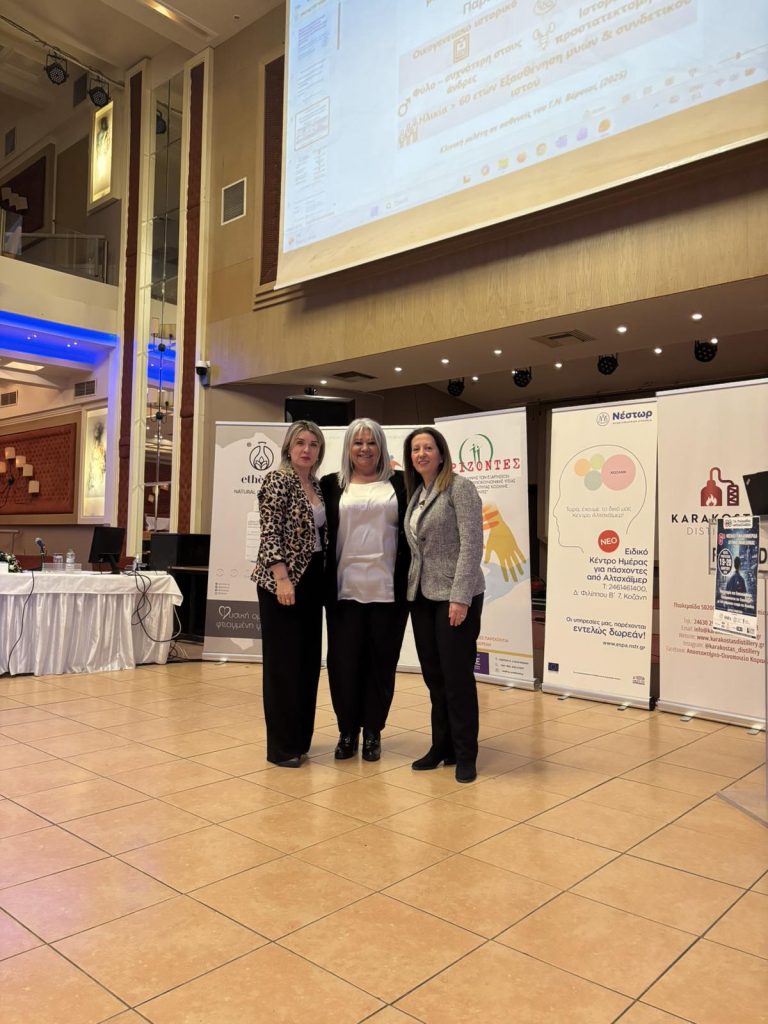
Kapa3 Supports Digital Innovation for Oncology Patients at Morning Health Talks

On Thursday, 4 December 2025, the second Morning Health Talk titled “Health Data for Innovation in Greece: Building a Stronger Digital Health Ecosystem” took place at the National Documentation Centre (EKT) in Athens. The event was held in a hybrid format (in-person and online participation), bringing together health professionals, researchers, policymakers and technology partners from Greece and abroad.

During the event, international and Greek experiences were presented on the management and use of health data, digital transformation, and best practices for leveraging data to strengthen the country’s digital health ecosystem.

Among the speakers were:

  • Dr Athanasios Batagiannis, General Director, 3-psi

  • Georgios Dimitriou, Cluster Manager, Hellenic Digital Health Cluster

  • Dr Ioannis Koumpouros, Director of DigInHealth, University of West Attica

  • Elpida Fotiadou, Head of eHealth, IDIKA

With the contribution of the distinguished speakers, key issues were discussed, including infrastructure interoperability, the need for reliable data, bureaucratic barriers, gaps in digital literacy, the development of focused platforms and processes, faster care pathways and needs assessment, the reduction of information fragmentation, and the development of human-centred digital solutions with practical value and social acceptance.

KAPA3 presented its strategic approach, focusing on standardised procedures, data quality improvement, interdisciplinarity, and the use of digital tools to support people living with cancer, as well as on guidance, interaction, empowerment and patient participation in data utilisation processes. At every step, KAPA3 addresses key challenges such as data fragmentation, stakeholder collaboration and human-centred digital solutions—issues that are also summarised in the Good Practices Guide developed within the eHealth4Cancer project.

In summary, the main points highlighted were:

  • A human-centred approach and the application of good practices to ensure the usability and social acceptance of digital solutions.

  • Strengthening collaboration between healthcare professionals, researchers and citizens to develop reliable and functional digital infrastructures.

  • The need for systematic scientific research to address challenges such as skills gaps, limited access and data fragmentation.

The event provided an important opportunity for networking and knowledge exchange, promoting the alignment of digital health infrastructures with citizens’ needs and reinforcing KAPA3’s role as an active contributor to the digital transformation of healthcare in Greece.

Read the full Morning Health Talks 2025 press release here and view photos from the event.

Text/adaptation: Ifiyenia Anastasiou for Kapa3
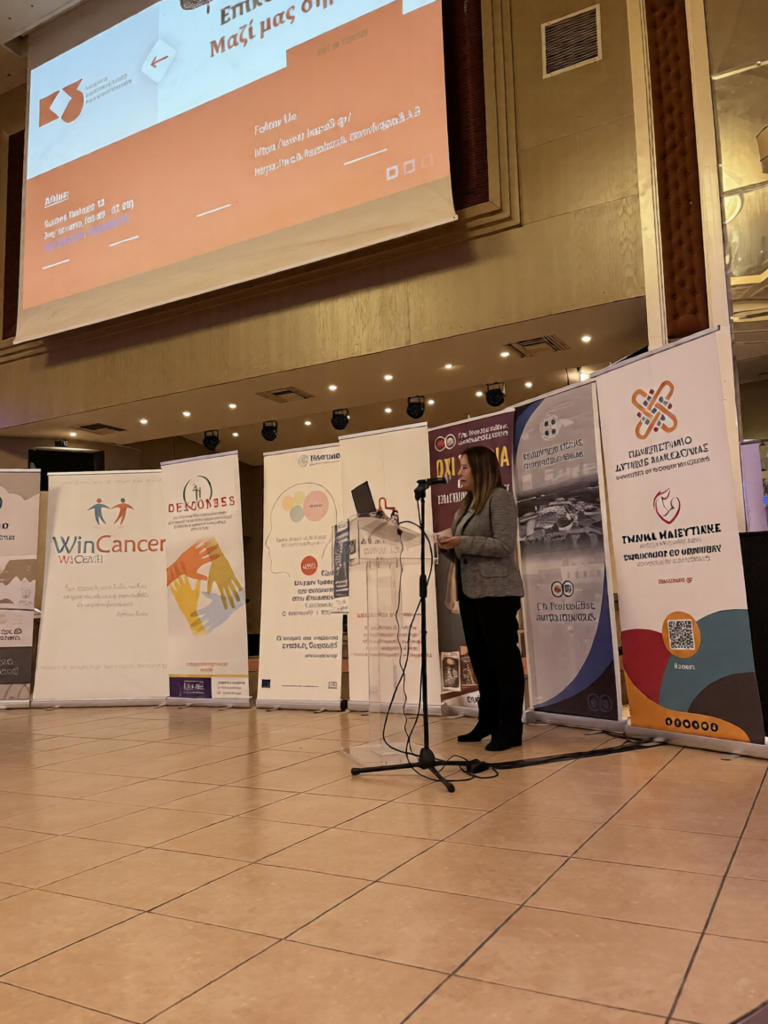
Healthcare Business Awards 2025

KAPA3, in collaboration with the Laboratory of Basic Health Sciences of the Department of Nursing at the University of the Peloponnese, have been honored at the Healthcare Business Awards 2025.

On Tuesday, November 18, at the Ethniki Asfalistiki Conference Center, the Healthcare Business Awards 2025 ceremony took place. For the 10th consecutive year, BOUSSIAS events organized the Awards in Greece, aiming to highlight initiatives and best practices in the healthcare sector.

More than 450 senior executives, representatives of institutions and universities, professionals, and media attended the ceremony, applauding the innovation and quality of the awarded initiatives. A total of 61 companies, organizations, and individuals were recognized across a broad spectrum of business activities.

Among the awardees, the Cancer Patient Guidance Center – KAPA3, together with the Laboratory of Basic Health Sciences of the Department of Nursing at the University of the Peloponnese, were honored with the Silver Award for the project: “Community Co-Design and Implementation of Holistic Educational Practices for Nutrition and Mental Health in Oncology”. The award was received on behalf of both teams by Ms. Evangelia Mpista, Co-Founder of KAPA3.

The Experiential Meetings program offers holistic support to oncology patients and caregivers through community co-design, emphasizing nutrition and mental health.

Its goal is to improve quality of life, empower participants, and promote integrated oncology care in Greece. For all of us, nutritional care is a human right, linked to justice and equity in access, and represents both an institutional culture and an interdisciplinary approach. Providing initiatives such as this project enhances the quality of clinical care, serving as a fundamental pillar in addressing disease complications such as malnutrition.

This program aimed to identify and develop an interconnected set of practices that allow a community to learn how to prevent and manage its own cancer-related challenges, targeting regional communities with limited access to oncology advisory services, including nutrition and mental health.

Interested individuals can participate in upcoming sessions.

This recognition strengthens our commitment to continue our work with dedication, support oncology patients and their families daily, and foster collaborations at this level to maximize the social impact of our initiatives.

On behalf of the entire team of the Cancer Patient Guidance Center – KAPA3 and the Laboratory of Basic Health Sciences, Department of Nursing, University of Peloponnese, we sincerely thank you.

Kapa3 at the Patients Summit 2025: A strong voice for cancer patients and their families

The Patients Summit 2025—the annual nationwide meeting organized by the Hellenic Patients Association—was successfully completed with great success. The event has become the leading forum for dialogue and collaboration among patient organizations across Greece. This year’s conference brought together representatives of patient associations, healthcare professionals, and policymakers to strengthen the voice of patients and shape a more humane, participatory, and effective healthcare system.

Participants exchanged experiences, presented best practices, and discussed key issues such as sustainability of patient associations, access to innovative treatments, the use of digital health tools, and patient empowerment in decision-making.

Through thematic panels and interactive workshops, the event highlighted the need for cooperation, transparency, and the use of data to drive targeted solutions with real social impact.

Kapa3 actively participated in the Summit, representing cancer patients and their families. A highlight of its presence was its contribution to the Strategic Workshop: “How do we measure our value?”, where Kapa3 presented its approach and operational philosophy on data collection and utilization as a tool for developing innovative initiatives.

For Kapa3, data collection is a key process in understanding the real needs of its beneficiaries. As emphasized during the session, data analysis—conducted in collaboration with the organization’s biostatistician, Mr. Konstantinos Tzanas—helps Kapa3 design targeted and evidence-based strategies. Continuous evaluation by patients themselves enables the adaptation of services and the development of innovative solutions that have a tangible, positive impact on their lives.

Kapa3’s presence at the Patients Summit 2025 underscored the importance of collaboration, scientific evidence, and collective action. The organization remains committed to amplifying the voice of cancer patients through knowledge, innovation, and transparency—values that can truly transform the patient experience and contribute to a fairer, more humane healthcare system for all.


KAPA3 at the ESMO Congress: Inspiration and Confirmation That We Are Moving Towards the Future

From October 17 to 20, we attended the ESMO World Congress in Berlin. The event stood out for the active participation of the Greek medical community, which led presentations on clinical data, Real-World Evidence, and up-to-date education in collaboration with the global oncology community. At the same time, Greek teams received awards in various areas (medical, nursing, institutional), inspiring us all with hope for the ongoing developments in oncology care.

Our main goal as KAPA3 was to focus on research addressing the real needs of the population within the framework of the global community. Collaborating with healthcare professionals from around the world allowed us to gather valuable knowledge and experiences. The intensive sessions and discussions broadened our understanding and prompted reflection on the next steps.

Key challenges identified for the patient advocacy community were:

  1. Mandatory multidisciplinary assessment before starting treatment
    No patient should begin treatment without undergoing a multidisciplinary assessment, including an oncology nurse, social scientist, and psychologist. This should be considered the minimum standard for all cancer patients.
  2. Certification and quality of multidisciplinary teams
    It is our duty to ensure that these teams meet quality standards. Their certification is undoubtedly complex. However, for us at KAPA3, multidisciplinary care is a fundamental criterion for service provision and must be certified. Quality care can significantly improve patient outcomes, as shown by clinical studies and research presented at this year’s congress, with potential improvements in overall survival of up to 10% (Sweden).

We are deeply proud that our work is guided by these standards precisely. In an era of remarkable progress in medicine and new therapies, we continue to strengthen the institution of research and multidisciplinary care, ensuring accessibility and patient-centered approaches aimed at quality of life.

This is the third time we have presented our efforts at an ESMO congress, in collaboration with the International University and the Nursing Department, highlighting our presence at every level. Meanwhile, trainings for other healthcare professionals take place annually within our organization in collaboration with Greek universities.

For Greek patients and their environment, we have not yet reached a point where the quality of care is considered a key objective for the entire oncology community. Our aim is to align with efforts across Europe so that, in the future, multidisciplinary assessments from the first day of diagnosis become standard practice within therapeutic protocols.

At KAPA3, we understand that quality care, inherently multidisciplinary, requires collective effort and collaboration between organizations and professionals to determine the best possible standards.

Kapa3 honored with Gold Award at the Hellenic Responsible Business Awards 2025 NGO of the Year – Health and Social Welfare

A major distinction was awarded to the Cancer Guidance Center – Kapa3, which received the Gold Award in the category “NGO of the Year – Health and Social Welfare” at the Hellenic Responsible Business Awards 2025.

Celebrating its 10th anniversary, the awards recognize organizations and initiatives that promote sustainable entrepreneurship and social impact. The ceremony took place on October 14th at the Anais Club, under the auspices of the Ministry of Development, the Ministry of Environment and Energy, SEV-VIAN, and SETE.

This award highlights Kapa3’s consistent commitment to holistic cancer care, offering free psychosocial guidance, empowerment programs, educational activities, social reintegration initiatives, and innovative digital tools.

Evangelia Bista, President and Founder of Kapa3, stated:

“More than a success, this distinction is a reminder of our values — collaboration, quality, dedication, empathy, and innovation. I am deeply grateful for this exceptional team whose integrity, tireless effort, and shared vision make a difference for our patients. This award belongs to them.”

Since its establishment, Kapa3 has supported more than 10,000 patients and families, while over 1,000 new users visit its website daily for reliable information and guidance. Through scientific evidence, digital innovation, and strong partnerships with public and European stakeholders, Kapa3 promotes a new model of cancer care based on equality, dignity, and inclusion.

As Ms. Bista noted:

“One swallow can make a spring — if you believe in it. And at Kapa3, we’ve been believing it for years, against all odds. We believe.

“This recognition gives us renewed energy to pursue our mission with dedication, to remain on the frontlines for patients and their families, and to commit every day to improving the support we provide.”