Kapa3 in the First Half of March: Actions, Collaborations, and Updates for Oncology Patients

During the first half of March, Kapa3 continued to highlight important topics concerning the support, rights, and daily lives of oncology patients through initiatives, collaborations, and informational activities.

Efforts focused both on strengthening access to information and services, and on promoting practical and digital tools that make patients’ daily lives easier.

In an environment where patients’ needs remain complex and constantly evolving, reliable information, enhanced collaboration among stakeholders, and the promotion of holistic care are especially important.

Below is a summary of the main developments from the month.

Collaborations

Key partnerships were strengthened with the Sarcoma Fighters Patients Association, the Hellenic Federation of Persons with Multiple Sclerosis (HFoPwMS), and Doctor Homie, aiming to enhance information, support, and quality care for patients.

Actions & Presentations

Kapa3 participated in the scientific meeting “Cancer in 2026: Challenges and Breakthroughs,” emphasizing the pivotal role of supportive care for oncology patients, while also presenting recent developments addressing their evolving needs. Kapa3 also attented the event Facing the Challenge of Artificial Intelligenceas we remain focused on supporting dialogue around the opportunities and challenges of A.I.

Patient Rights

Supporting oncology patients remains a central goal of our initiatives. Focus was given to updates on the 2026 constant attendance allowance and improved digital access for patients to their test results.

Digital Health & Research

A new European Commission report highlights the critical role of digital health technologies in transforming healthcare systems, outlining both opportunities and challenges for the future of care.

Awareness

March is Colorectal Cancer Awareness Month, reminding everyone of the importance of prevention and early detection.

We continue to monitor developments — more news will follow.

Digital Access to Test Results: An Important Right for Patients

Digital access to medical test results has become an important right for patients in Greece, following new regulations that strengthen the use of the Digital Repository of Diagnostic Laboratory Results. According to the relevant decision published in the Government Gazette (March 2026), public and private healthcare units collaborating with EOPYY are required to record diagnostic test results in digital form within a specified timeframe.

This change is not just a technical procedure or an administrative obligation for healthcare providers. In practice, it represents a meaningful enhancement of patients’ rights, ensuring that every citizen can have immediate and organized access to their medical data.

Digital access to test results now reduces the need for physical documents, printed copies, or trips to diagnostic centers. Instead, results are stored in a unified digital environment connected to the Individual Electronic Health Record. This allows patients to have their test history consolidated, reducing the risk of losing important information.

For people living with cancer, this development is especially significant. Disease monitoring often involves repeated tests, visits to different doctors, and continuous evaluation of results. Immediate access to all data facilitates collaboration among healthcare professionals and contributes to more coordinated and effective care.

Moreover, the obligation to record results is linked to reimbursement procedures through EOPYY, enhancing transparency in the healthcare system. This ensures that only tests that have actually been performed are reimbursed, limiting abuse and strengthening the reliability of services.

It is also worth noting that data management is carried out under the current personal data protection framework, safeguarding patients’ privacy and information security.

Transitioning to a more digital healthcare system is not just a technological advancement. It is a step toward a more human, transparent, and accessible system of care, where the patient has an active role and meaningful control over their own data.

Ultimately, strengthening digital access to test results represents an important step forward in empowering patients and improving the quality of healthcare provided.

Source: Government Gazette, FEK B’ 1503/17.03.2026

Text/adaptation: Ifiyenia Anastasiou for Kapa3

New Collaboration between Cancer Guidance Center – Kapa3 and the Hellenic Federation of Persons with Multiple Sclerosis (HFoPwMS)

Cancer Guidance Center – Kapa3 announces its new collaboration with the Hellenic Federation of Persons with Multiple Sclerosis (HFoPwMS), strengthening synergies between organizations active in the field of health and patient support.

This collaboration aims to develop joint initiatives that will contribute to raising awareness, promoting public information, and providing meaningful support to people living with chronic conditions, with particular focus on cancer patients and persons living with Multiple Sclerosis. Through the exchange of knowledge, experience and good practices, the two organizations seek to strengthen actions that promote equal access to information, healthcare services and social inclusion for patients.

Cancer Guidance Center – Kapa3 is dedicated to supporting people living with cancer and their caregivers by providing reliable information, practical guidance and access to benefits and services. At the same time, the organization develops initiatives that enhance patients’ awareness of their rights and promote their psychosocial empowerment. Through initiatives such as Mobile Units, digital tools and educational programmes, Kapa3 promotes a patient-centred approach to cancer care, encouraging patients to actively participate in decisions concerning their health and quality of life, while fostering collaborations with organizations working in the fields of health and social support.

The Hellenic Federation of Persons with Multiple Sclerosis (HFoPwMS) is a secondary non-profit organization founded in 2008 with the aim of uniting and supporting primary associations of persons with Multiple Sclerosis across Greece, while also raising awareness about the disease among the wider public. The Federation currently brings together nine primary patient associations from across the country. HFoPwMS implements awareness and advocacy initiatives related to Multiple Sclerosis and works to ensure the equal participation of people with MS in the educational, professional, athletic and cultural life of the country. It is a member of the National Confederation of Disabled People (ESAmeA) and the European Multiple Sclerosis Platform (EMSP).

Within the framework of this collaboration, the two organizations plan to develop joint initiatives such as the organization of conferences, workshops and awareness events, the implementation of information and public awareness campaigns, participation in national and European programmes, as well as the development of joint research initiatives on issues related to patients’ quality of life. The partnership will also contribute to strengthening interdisciplinary cooperation and knowledge exchange among organizations active in the health sector.

This new collaboration reflects the shared vision of the two organizations to strengthen the voice of patients and promote a society that respects, supports and empowers people living with chronic conditions.

Vehicle Tax Exemption for People with Disabilities – Step-by-Step Guide

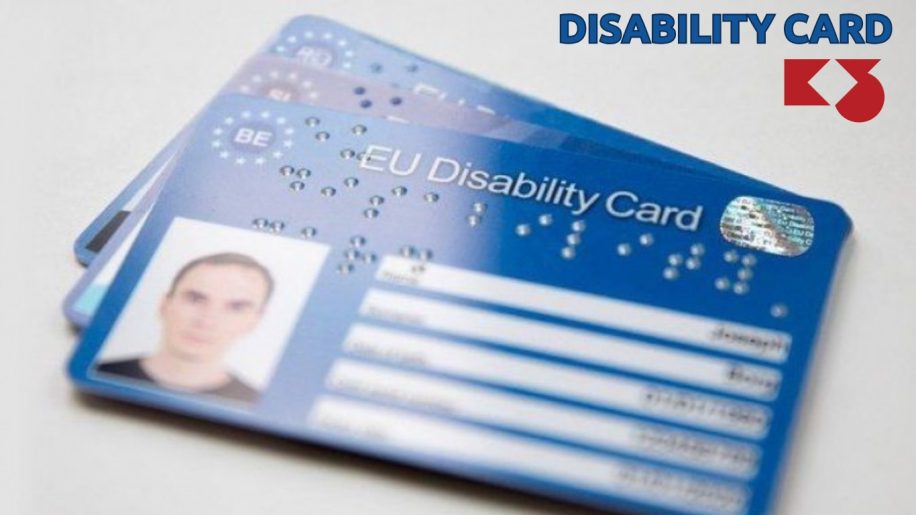
From February 4, 2026, citizens with disabilities can apply for a vehicle tax exemption for people with disabilities (PWD) through the new digital platform of AADE, without the need to submit physical documents. The process is simplified as the required data is automatically retrieved from KEPA of e-EFKA, making it easier for beneficiaries and their families. This digital solution allows fast and secure submission of requests while reducing bureaucracy.

How to apply for a vehicle tax exemption for PWD

1. Access the platform

  • Go to myAADE > Applications > Popular Applications > myCAR.

2. Who can submit the request

  • The beneficiary themselves, or

  • The parent/guardian for a minor, provided that the relationship is registered in the AADE Registry and the minor’s AMKA is included.

3. Vehicle selection

  • The system shows the eligible passenger cars. The beneficiary selects the vehicle for which they want the exemption.

4. Key points

  • Digitized Certificates of Disability (KEPA) issued from September 16, 2022, onwards can be used directly.

  • The exemption is valid from the start to the end of the certificate, including the years of issuance and expiration.

  • For certificates not digitized by e-EFKA, the request is submitted via the “My Requests” application on myAADE, attaching the required documents and selecting the competent tax office (DOY/KEFODE) for the beneficiary.

5. Information & support

  • By phone: 1521 (free of charge), weekdays 7:00–20:00

  • Online: my1521, 24/7, selecting Vehicle Topics > Exemptions > Requirements > Vehicle tax exemption due to disability

Kapa3 ensures that cancer patients and people with disabilities are informed about digital services that make their life easier, providing accurate and timely information about their rights.

You can find the AADE Press Release here.

28 January – Data Protection Day: privacy, health and trust

European Data Protection Day, observed every year on 28 January, was established by the Council of Europe and is linked to Convention 108, the first legally binding international instrument on the protection of personal data. The day serves as a reminder that the right to privacy is a fundamental human right — especially in a time when personal information is increasingly collected, stored and processed digitally.

Personal data are not merely technical entries in databases and systems. They are fragments of people’s lives. They include health information, personal experiences, vulnerable moments and deeply private aspects of identity. When individuals share such information, they do so with the expectation that it will be handled with care, confidentiality and respect.

For organisations such as Kapa3, which work closely with patients and people in vulnerable situations, data protection goes far beyond legal compliance. It is a matter of dignity and trust. Health data — including information related to both physical and mental health — belong to the most sensitive categories of personal data. Inadequate protection or misuse can lead to stigma, discrimination and a profound sense of insecurity.

Within the European Union, the General Data Protection Regulation (GDPR) provides a common framework to ensure that individuals retain control over their personal information. Rights such as informed consent, access to data and the ability to request deletion are not administrative formalities. They are essential safeguards that protect human integrity, particularly in the context of healthcare and social support.

According to the World Health Organization (WHO), confidentiality and ethical governance of health data are fundamental to the provision of safe and high-quality care. Trust between patients and healthcare or support organisations is strengthened when personal information is managed transparently, responsibly and within clearly defined limits.

European Data Protection Day is not only an occasion to reflect on legal obligations or technical safeguards. It is an opportunity to consider how we approach privacy as a core element of respectful and ethical care. Protecting personal data is ultimately not about technology — it is about protecting the people behind the data and the trust that underpins every meaningful human relationship.

Sources:

Text/adaptation: Ifiyenia Anastasiou for Kapa3

Ministerial Decision (Government Gazette, FEK 230/B/22.01.2026) on Clinical Trials: Streamlining Research in Greece

The clinical trials regulation in Greece, published in the Government Gazette (ΦΕΚ) 230/B/22.01.2026, establishes a unified and simplified framework for contracts and financial management of clinical trials, non-interventional studies, and other health research projects. This clinical trials regulation in Greece directly affects clinical trials with medicines, studies involving medical devices, and research conducted in hospitals and public health institutions, aiming to reduce bureaucracy, ensure transparency, and protect participating patients.

Clinical trials regulation in Greece

WHY THE NEW DECISION WAS NECESSARY

Until now, procedures for signing contracts for clinical trials and studies were often delayed, complex, and varied between institutions. This slowed down research and discouraged sponsors and research teams. The new Ministerial Decision aims to create a clear, unified framework with common standards, defined responsibilities, and specific timelines.

WHAT CHANGES FOR CLINICAL TRIALS AND STUDIES

Under the new regulation:

  • Standardized contracts for clinical trials and studies are introduced,

  • Clear deadlines for contract signing are established,

  • The use of electronic procedures is promoted,

  • The financial management framework of research projects by responsible institutions is clarified.

These changes aim to reduce administrative burdens and facilitate the daily operations of research teams and health institutions.

WHAT THIS MEANS FOR PATIENTS

Of particular importance is the reaffirmation that participating patients are not financially burdened by their involvement in clinical trials or studies. The costs of examinations, procedures, and services related to the study are covered by the sponsor, ensuring the protection of patients’ rights and safety, and reinforcing trust in the research process.

WHY THIS REGULATION IS AN IMPORTANT STEP FOR RESEARCH IN GREECE

The Ministerial Decision published in the Government Gazette (ΦΕΚ 230/B/22.01.2026) represents a significant step toward improving the research environment in Greece. By creating unified and clear procedures for contract signing and financial management of clinical trials and studies, it reduces long-standing administrative barriers that delayed the implementation of research projects. At the same time, it strengthens institutional security for all stakeholders—researchers, health institutions, and sponsors—while fostering transparency and accountability.

In this context, Greece can become more competitive in research, facilitate participation in international research initiatives, and make more effective use of its scientific knowledge and human resources. In the healthcare field, accelerating and streamlining processes helps align research more closely with clinical practice and patients’ real needs, benefiting society as a whole.

Kapa3 closely monitors institutional developments affecting health research and clinical trials, highlighting their importance for patient protection and the improvement of care quality.

Text/adaptation: Ifiyenia Anastasiou for Kapa3


International Migrants Day – 18 December

Health without borders: equal access to care as a human right

International Migrants Day is observed every year on 18 December, marking the date in 1990 when the United Nations General Assembly adopted the International Convention on the Protection of the Rights of All Migrant Workers and Members of Their Families. The day is not only about population movement, but about fundamental rights, dignity, and—above all—equitable access to health care for all, regardless of origin or legal status.

Global Statistics

Globally, more than 281 million people currently live outside their country of birth, representing approximately 3.6% of the world’s population (International Organization for Migration – World Migration Report).

Migrants and refugees consistently face health inequalities driven by barriers such as language, limited health literacy, insecure housing and employment, and fear of exclusion from health systems. According to the World Health Organization, social determinants of health play a decisive role in access to prevention, early diagnosis and treatment, resulting in poorer health outcomes for migrant populations.

These inequalities are further compounded among particularly vulnerable groups, including children and young people, women, and individuals without stable legal status. In cases of serious or chronic illness—such as cancer—delayed diagnosis, interruptions in treatment and lack of psychosocial support can have a profound impact on disease outcomes and quality of life.

Situation in Greece

Within the Greek context, the country continues to serve as both a host and transit point for migrants and refugees. According to data from Eurostat and the Hellenic Statistical Authority, a significant proportion of the population residing in Greece consists of third-country nationals, while access to comprehensive health services remains uneven, particularly for young people and individuals with increased care needs. Despite existing legal provisions, practical barriers persist in prevention, continuity of care and psychosocial support.

In oncology, these challenges become even more pronounced. Cancer does not discriminate, yet access to care is often shaped by social and economic factors. The need for culturally sensitive, accessible and continuous health services is critical to ensure that no person is left unsupported when facing a cancer diagnosis.

In this context, Kapa3 has long worked to highlight social inequalities in health and to promote holistic cancer care for all people, regardless of background. In 2024, a targeted support initiative for refugees and migrants living with cancer was implemented through the programme Cancer May Control your Body for a While, But Not Your Soul, with the support of the King Baudouin Foundation.

The action focused on the regions of Macedonia and Thrace, addressing refugees and migrants in the area, with particular emphasis on the 15–24 age group, aiming to provide immediate primary care assistance and continuous support throughout the course of their treatment.

International Migrants Day is a reminder that health is a human right, not a privilege. Ensuring equitable access to care—especially for those most at risk—is a shared responsibility of institutions, health professionals and society as a whole.

A fair and healthy society is one that leaves no one behind.

Sources:

Text/Adaptation: Ifiyenia Anastasiou for Kapa3

Dispensing High-Cost Medicines (HCM) Through Private Pharmacies – What Changes for Patients

A recent Ministerial Decision (Government Gazette B’ 6333/27.11.2025) introduces significant changes to the distribution of High-Cost Medicines (HCM), allowing patients to receive these medicines not only from EOPYY pharmacies but also from private community pharmacies. This new framework replaces the 2020 regulation and aims to ease patient access, reduce inconvenience, and improve the delivery of essential therapies.

The list of HCM medicines included in this process is available in the corresponding Government Gazette here.

What Changes for Patients

  • The prescribing physician issues the prescription through the national e-prescription system (IDIKA).
  • Patients may choose to receive their medicine either from an EOPYY pharmacy or a private community pharmacy.
  • Through the dedicated HCM application (using Taxisnet credentials + AMKA), patients select the private pharmacy that will serve them.
  • Patients receive electronic notifications regarding the status of their order and the availability of the medicine for pickup.
  • Medicines are dispensed with zero patient co-payment.
  • The time from approval to pickup may not exceed 10 days.

What Changes for Private Pharmacies

Private pharmacists now assume an expanded role in handling High-Cost Medicines, with specific responsibilities and procedures.

  1. Medicine Receipt
  • The pharmacist scans the product’s barcode in the EOPYY system to complete the warehouse reconciliation process for EOPYY’s pharmaceutical depot.
  • The patient is automatically notified via the system once the medicine arrives at the pharmacy.
  1. Prescription Verification and Dispensing

The pharmacist must verify:

  • the patient’s identity or the presence of a valid authorization,
  • the accuracy of the prescription and its alignment with the prescribing physician’s instructions,
  • the correct medicinal product,
  • the presence of any required supporting documents,
  • the authenticity labels or deactivated safety features,
  • the physician’s signature and the recipient’s signature.

The pharmacist then signs and stamps the prescription to complete the dispensing process.

Failure to comply with these procedures may lead to sanctions under Presidential Decree 121/2008.

  1. Pharmacist Remuneration

For each dispensed HCM prescription, pharmacists receive:

  • a scientific service fee of €20.00 + VAT,

without the need to issue transport documents.

This cost is not included in the total pharmaceutical expenditure ceiling of EOPYY.

  1. Monthly Submission of Prescriptions

Every month, pharmacists must send:

  • the dispensed prescriptions,
  • the consolidated report,
  • and the service invoice
    to the EOPYY Department of Prescription Processing and Review.

Electronic images of prescriptions remain available for audit.

  1. Unexecuted Prescriptions

If a prescription is not executed:

  • the medicine is returned to the pharmaceutical company after 5 days,
  • and the company issues a credit invoice to EOPYY.
  1. Loss or Damage of Medicines

If the medicine is lost or damaged due to pharmacist responsibility,
EOPYY charges the pharmacist the procurement value of the product.

Why This Change Matters

The updated system:

  • reduces patient inconvenience,
  • relieves congestion in EOPYY pharmacies,
  • ensures faster access to essential therapies,
  • strengthens the role of community pharmacists,
  • and modernizes the distribution of High-Cost Medicines.

This development significantly improves the daily lives of patients who rely on regular access to specialized treatments — including many oncology patients. KAPA3 continues to stand by cancer patients and their families, offering reliable guidance and practical support so that every patient feels safe and fully informed about their rights and benefits.

Text/Adaptation: Ifiyenia Anastasiou for Kapa3