Κapa3 at IEEE CBMS 2026 | AI for Equitable Oncology Information

Kapa3 at IEEE CBMS 2026: Artificial Intelligence in Support of Equitable Patient Information in Oncology Care

New scientific publication in the Proceedings of the 39th IEEE International Symposium on Computer-Based Medical Systems

The voice and lived experience of patients must remain at the centre of the emerging era of Artificial Intelligence in healthcare.

Kapa3 – Cancer Guidance Centre contributes to a new scientific publication presented in the Proceedings of the 2026 IEEE 39th International Symposium on Computer-Based Medical Systems (CBMS), focusing on how Artificial Intelligence and Retrieval-Augmented Generation can support more equitable, reliable and patient-centred access to information in oncology.

The paper, entitled:

“Informed, Empowered, and Heard: AI and Retrieval-Augmented Generation as Tools for Equitable Patient Information in Oncology”

is authored by Lars Münter, Evangeli Bista, Maria Lavdaniti and Christos Frantzidis, with Evangeli Bista representing Kapa3 as Co-founder.

From access to information to meaningful patient empowerment

A cancer diagnosis creates an immediate need for information that is reliable, understandable and relevant to the individual patient.

At the same time, patients and their families are often expected to understand complex medical terminology, treatment options, prognosis discussions and administrative procedures at a moment of intense psychological and emotional pressure.

The paper highlights that acute stress associated with a serious diagnosis can affect working memory, attention and the ability to process new information. This means that patient information cannot be designed for an ideal, fully attentive reader; it must respond to the real cognitive and emotional conditions experienced by people facing cancer.

The key question is therefore not simply:

“How much information do we provide?”

but rather:

“Are we providing the right information, at the right time, in a form that people can understand and act upon?”

AI and Retrieval-Augmented Generation: towards trustworthy and evidence-grounded information

The publication places particular emphasis on Retrieval-Augmented Generation (RAG).

RAG architectures combine the generative capabilities of large language models with the retrieval of information from curated and verified knowledge sources. In a healthcare setting, this can include clinical guidelines, validated patient information resources, regulatory documents and peer-reviewed literature.

This approach offers an important advantage over purely generative AI systems: responses can be grounded in identifiable sources, supporting greater transparency and enabling patients and healthcare professionals to verify where information comes from.

In oncology, this is especially important.

A patient does not simply need a quick answer. They need information that is:

accurate, current, understandable, accessible and appropriate to their individual situation.

Artificial Intelligence as a tool for equity

One of the central themes of the paper is inequality in access to high-quality oncology information.

Geography, language, socioeconomic circumstances, health literacy, digital literacy and access to specialised healthcare services can significantly influence a person’s ability to understand their diagnosis, treatment options and rights.

The publication pays particular attention to the Greek context, where patients living in large urban centres may experience a very different information environment from those living in rural, remote or island communities.

When equity is treated as a core design principle, AI-RAG systems can potentially support:

  • multilingual access to health information,
  • different levels of language and information complexity,
  • voice-based interfaces,
  • shorter and more manageable units of information,
  • low-bandwidth or offline-capable solutions,
  • and opportunities for patients to return to information when they are ready to process it.

Technology alone, however, does not create equity.

The way technology is designed determines whether it reduces existing inequalities or reproduces them.

Designed with patients, for patient needs

The paper calls for an important shift in the way digital health systems are developed.

Many traditional health information systems are designed primarily around institutional or clinical workflows, with patient-facing communication added later.

For patient-centred AI, this logic must be reversed.

Systems should be designed with patients and around patient needs, with patients and informal carers actively involved in shaping the knowledge base, the questions the system is expected to answer and the ways information is presented.

This also means moving beyond systems that simply respond to individual questions.

A meaningful AI-supported information environment could help patients prepare for clinical consultations, organise their questions, understand the next steps in their care and become more aware of their rights.

The paper highlights applications such as consultation preparation guides, question prompts before appointments and post-consultation summaries as examples of how technology can support patients before, during and after important healthcare interactions.

AI should strengthen, not replace, human relationships

Perhaps the most important message of the publication is that the transformative potential of AI in oncology is not primarily technical. It is relational.

Artificial Intelligence should not create distance between patients and healthcare professionals.

It should help strengthen their communication.

A better-informed patient can arrive at a clinical consultation more prepared, identify questions and concerns more clearly, participate more actively in shared decision-making and communicate more effectively with the healthcare team.

The same applies to informal carers, who often carry a significant part of the informational and emotional burden of cancer care.

For this reason, the paper argues that AI-RAG systems should be designed to strengthen the relationship between patients, carers and healthcare professionals, rather than to replace any part of this human network of care.

For healthcare professionals, trustworthy information systems may also reduce the time required for basic information provision, allowing more of the clinical encounter to focus on nuanced discussions, decision-making and the human aspects of care that technology cannot replicate.

From information to trust

This scientific contribution adds to an increasingly important discussion about the future of healthcare:

How can Artificial Intelligence be developed and used in ways that genuinely respond to human needs?

The answer does not lie only in more powerful AI models or larger volumes of data.

It also lies in evidence, transparency, accessibility, co-design, equity and respect for patient rights.

As the paper concludes, people affected by cancer in Greece and across Europe deserve access to information that is accurate, personalised, accessible and respectful of their rights, regardless of where they live, the language they speak or the socioeconomic resources available to them.

For Kapa3, participating in this scientific discussion also reflects a broader commitment: ensuring that real patient needs, lived experience and equitable access are represented in the design and evaluation of the next generation of digital health and AI-supported tools.

Publication details

Title: Informed, Empowered, and Heard: AI and Retrieval-Augmented Generation as Tools for Equitable Patient Information in Oncology

Authors: Lars Münter, Evangeli Bista, Maria Lavdaniti, Christos Frantzidis

Published in: 2026 IEEE 39th International Symposium on Computer-Based Medical Systems (CBMS)

DOI: 10.1109/CBMS69103.2026.00302

find more 499901b523

Kapa3 joins PERIFORMANCE: From Information to Trust in Cancer Care

Kapa3 – Cancer Guidance Centre is pleased to announce that its proposal, “From Information to Trust: MYRTO Patient & Citizen Lab for Equal Access in Cancer Care,” has been selected for funding under the PERIFORMANCE Open Call for Bottom-Up Stakeholder Engagement Initiatives in Cancer Research & Care.

The initiative places patients, caregivers, healthcare and social care professionals, civil society organisations and local communities at the heart of the process, creating a participatory framework for the ethical, trustworthy and inclusive use of AI-enabled cancer navigation.

Putting patients and citizens at the centre

The project is closely linked to MYRTO, Kapa3’s AI-enabled digital social assistant designed to support people affected by cancer in navigating health, social care, administrative procedures and rights-related information.

PERIFORMANCE funding will not support the core technical development of MYRTO. Instead, the project will focus on building the participatory, educational and ethical layer around the tool, ensuring that its future development is shaped by the real needs, experiences and expectations of the people who will use it.

This approach reflects a key principle for Kapa3: technology should not replace human care. When designed responsibly, however, it can become a powerful tool for improving access, empowerment and equality.

From local communities to a national dialogue

The engagement pathway will include regional listening activities, a thematic focus on vulnerable and underrepresented groups, and a central MYRTO Patient & Citizen Lab in Athens.

Particular attention will be given to caregivers, older patients, migrants, people with disabilities, people with low health or digital literacy, socially vulnerable groups and people living far from specialised oncology services.

The Athens Lab will be integrated into Kapa3’s national conference “Equality in Access”, creating a space for synthesising regional experiences, identifying trust criteria and collecting patient and caregiver perspectives on AI-supported navigation.

What does trust in AI-supported cancer navigation mean?

At the heart of the project lies a fundamental question:

What does a person need in order to trust a digital tool during one of the most sensitive periods of their life?

Through co-creation and stakeholder engagement, the initiative will explore issues such as:

  • reliability and clarity of information,
  • data protection and privacy,
  • accessibility and digital inclusion,
  • responsible use of Artificial Intelligence,
  • prevention of bias and exclusion,
  • human oversight,
  • and clear referral pathways to appropriate professionals when human support is needed.

Bringing together science, civil society and lived experience

Kapa3 will coordinate the initiative and lead its design, implementation, facilitation, patient and community outreach, dissemination and reporting.

The project will be supported by a multidisciplinary academic and scientific collaboration network involving the International Hellenic University – Department of Nursing, University of West Attica – Department of Occupational Therapy, Democritus University of Thrace – Department of Social Work, and University of the Peloponnese – Department of Nursing. simasiaAI will provide technical support for MYRTO-related digital materials and the AI navigation environment.

The project is expected to produce practical resources including a Patient Guidance Toolkit, a Trust & Human Escalation Checklist, a Training and Dissemination Package, and an Engagement & Trust Report.

From information to trust

For Kapa3, participation in PERIFORMANCE marks another step towards ensuring that the patient voice is present not only when new services and technologies are evaluated, but from the very beginning of their design.

With MYRTO, the question is no longer simply:

“How can we provide more information?”

It is increasingly:

“How can we turn information into understanding, trust, safety and real access?”

Because responsible digital health innovation begins with people.

New Disability Benefits Registry: What’s Changing and How It Will Make Life Easier for Citizens and People with Disabilities.

As part of the digital transformation of social care, the joint ministerial decision on the establishment, maintenance, and operation of the “Disability Benefits Registry.”

This new digital tool on the National Disability Portal promises to put an end to the bureaucracy and the fragmentation of information that both people with disabilities and their families face on a daily basis.

A government-wide initiative.
The scope and significance of this initiative are underscored by the fact that the decision was signed by the overwhelming majority of government members—ranging from the Ministries of Finance, Health, and Labor, all the way to the Ministries of Education, Infrastructure & Transportation, Environment, and Digital Governance. This broad consensus highlights that benefits for people with disabilities are not limited to financial allowances alone, but extend to tax exemptions, transportation assistance, educational
facilities, social services, and special provisions across the entire public sector.

What is the Disability Benefits Registry?

The Registry is a specialized subsystem of the National Disability Portal. Its purpose is to collect, record, and transparently document all accommodations, allowances, benefits, and services to which people with disabilities or their related individuals are entitled.

What does the documentation of each benefit include?

For each available benefit or accommodation, the Registry will document the following in a standardized and clear manner:
• Title & Description: the distinctive title and brief description of the benefit.
• Legal Framework & Competent Authorities: the applicable provisions and the competent agencies
responsible for awarding or granting the benefit.
• Eligibility Requirements: the disability-related and other requirements for receiving the benefit.
• Financial Details & Frequency: the frequency and monetary value (exact amount or range), provided
that it is quantified in monetary terms.
• Application Process: detailed instructions for submitting the application and a direct link to the National Registry of Administrative Procedures “MITOS.”

Who is the Operating Agency, and what are the agencies’ obligations?

The Organization for Welfare Benefits and Social Solidarity (OPEKA) is designated as the operating agency for the Registry. It is responsible for ensuring continuous operation, maintaining the system, verifying the accuracy of entries, and issuing access credentials.
With regard to data entry personnel and data updates, each competent Ministry, Agency, and Municipality shall designate authorized “Data Entry Personnel”; such designations must be made within 10 days of publication.

They are required to complete the initial registration of benefits within one (1) month of the
decision’s publication, to immediately update the system in the event of changes or new benefits, and to annually verify the accuracy of the data.

Public Access and Information.

One of the most significant benefits of the new regulatory framework is that all information in the registry is public and accessible to everyone via the Internet. This provides immediate, accurate, and comprehensive information to those interested, without requiring them to travel or contact multiple public agencies—a process that often causes considerable inconvenience to thousands of people.

The creation of the Disability Benefits Registry is a positive step toward ensuring equal access to information and reducing bureaucratic burdens.

Person-centred cancer care: a new global report for more sustainable health systems

Cancer continues to place a growing burden on individuals, health systems, and society, making it essential to strengthen person-centred cancer care and rethink how care is delivered. New cancer diagnoses are expected to rise by nearly 77% by 2050, further straining already pressured healthcare systems.

Many countries report limited access to treatments, workforce shortages, and long waiting times as key challenges. In this context, policymakers must rethink how cancer care is delivered, ensuring that limited resources are used effectively while maintaining access to high-quality services.

The report titled “Implementing Person-Centred Cancer Care to Improve Outcomes, Experiences and Efficiency”, published by All.Can International, is based on evidence and studies from 2018–2025. It brings together insights from experts across 11 countries and aims to support policymakers and health systems in redesigning cancer care towards a more person-centred and efficient model.

The report highlights that person-centred cancer care is a practical, high-impact approach that improves patient experience while strengthening the resilience of health systems. It places individuals at the centre of care, taking into account their needs, values, and goals, rather than relying on a one-size-fits-all clinical pathway.

The framework is structured around seven key areas of intervention, with a common goal: better care for patients and more sustainable health systems.

1. Early diagnosis and timely initiation of treatment

Late diagnosis remains a major global challenge. Limited health literacy, low participation in screening programmes, and weaknesses in primary care often lead to delays in treatment.

The report recommends more tailored public information, taking into account health literacy levels and cultural context. It also emphasises the co-design of screening programmes with communities to improve participation and enable earlier diagnosis.

2. Coordinated and multidisciplinary care

Lack of coordination between services leads to delays and unequal care provision. Strengthening multidisciplinary teams and introducing patient navigation can help individuals move more smoothly through the healthcare system and receive more consistent care.

3. Digital tools and system integration

Fragmented data management and limited interoperability between health systems remain major barriers. Developing integrated data infrastructures, national cancer registries, and using technologies such as artificial intelligence can improve efficiency and coordination.

4. Telemedicine and remote care

At the same time, digital health services can reduce geographical barriers and bring care closer to patients. However, investment in infrastructure and training is necessary to ensure equitable access.

The use of wearable health technologies and mobile applications can support continuous monitoring and care beyond hospital settings.

5. Communication and shared decision-making

Effective communication between healthcare professionals and patients remains a critical challenge. Shared decision-making models, the use of patient experience data, and culturally appropriate communication can strengthen trust and improve care quality.

At the same time, involving caregivers in communication processes is essential, as their needs are often overlooked.

6. Supportive care and survivorship

Access to psychosocial and supportive care remains limited in many settings, negatively affecting quality of life. Integrating support services throughout the care pathway is essential, especially as more people live with and beyond cancer.

The report also highlights the importance of advance care planning, which can reduce unnecessary hospitalisations and support patient autonomy.

7. Financial support and access to care

The financial burden of cancer remains a major barrier to accessing care. The report recommends improved reimbursement systems, financial navigation services, and support for indirect costs to reduce financial toxicity for patients and their families.

Person-centred cancer care in Greece

Although the report has a global scope, its findings are highly relevant for countries like Greece. Challenges such as delays in diagnosis, inequalities in access, workforce pressure, and limited system integration reflect real issues within the Greek healthcare system.

In this context, the transition towards more coordinated, digitally supported, and person-centred cancer care becomes particularly important.

Call to action

Therefore, policymakers must urgently embed person-centred care into national cancer strategies. Collaboration with people with lived experience of cancer is essential to designing more equitable, efficient, and sustainable health systems.

Adopting this approach can contribute to earlier diagnosis, improved quality of care, better use of resources, and ultimately more resilient health systems in the face of rising cancer burden.

You can read the full report here: Person-centred-cancer-care-improving-outcomes-experiences-and-efficiency-2

Text/Adaptation: Ifiyenia Anastasiou for Kapa3

Kapa3 joins the Hellenic Digital Health Cluster (HDHC)

The Cancer Patient Guidance Center – Kapa3 is pleased to announce its participation in the Hellenic Digital Health Cluster (HDHC), strengthening its connection with the Greek digital health ecosystem.

The Kapa3 HDHC collaboration marks the organization’s active integration into a dynamic innovation network. Through this partnership, Kapa3 gains access to a network of 47 innovative organizations, as well as the Foundation for Research and Technology – Hellas (FORTH), aiming to enhance the quality of support services for cancer patients.

The HDHC brings together and connects leading organizations, businesses, and research institutions in the field of digital health in Greece, providing a framework for networking, collaborations, and innovative projects, as well as access to funding and investment opportunities. Its mission is to empower the Greek digital health ecosystem, with the goal of positioning Greece among the leading countries in the sector internationally within the next decade.

Through its participation in HDHC, Kapa3 further strengthens its mission to support cancer patients by adopting modern, technology-driven approaches and innovative practices. As a member, the organization gains the opportunity to take part in events, working groups, and collaborative initiatives, while fostering the exchange of knowledge and expertise with other stakeholders in the ecosystem.

At the same time, this participation creates opportunities for Kapa3 to actively contribute to the development of a sustainable and forward-looking digital health ecosystem in Greece, promoting collaboration, innovation, and shared perspectives towards institutional strengthening of the sector. It also provides access to emerging technologies and best practices that can improve patient experience and enhance the effectiveness of care services.

Through this collaboration, Kapa3 reinforces its role as an organization that connects cancer patient support with the ongoing developments in digital health in Greece and internationally, building bridges between care, technology, and innovation for the community it serves.

You can download our Press Release here 

Text: Ifiyenia Anastasiou for Kapa3

Kapa3 in the First Half of March: Actions, Collaborations, and Updates for Oncology Patients

During the first half of March, Kapa3 continued to highlight important topics concerning the oncology patient support, rights, and daily lives  through initiatives, collaborations, and informational activities.

Efforts focused both on strengthening access to information and services, and on promoting practical and digital tools that make patients’ daily lives easier.

In an environment where patients’ needs remain complex and constantly evolving, reliable information, enhanced collaboration among stakeholders, and the promotion of holistic care are especially important.

Below is a summary of the main developments from the month.

Collaborations

Key partnerships were strengthened with the Sarcoma Fighters Patients Association, the Hellenic Federation of Persons with Multiple Sclerosis (HFoPwMS), and Doctor Homie, aiming to enhance information, support, and quality care for patients.

Actions & Presentations

Kapa3 participated in the scientific meeting “Cancer in 2026: Challenges and Breakthroughs,” emphasizing the pivotal role of supportive care for oncology patients, while also presenting recent developments addressing their evolving needs. Kapa3 also attented the event Facing the Challenge of Artificial Intelligenceas we remain focused on supporting dialogue around the opportunities and challenges of A.I.

Patient Rights

Supporting oncology patients remains a central goal of our initiatives. Focus was given to updates on the 2026 constant attendance allowance and improved digital access for patients to their test results.

Digital Health & Research

A new European Commission report highlights the critical role of digital health technologies in transforming healthcare systems, outlining both opportunities and challenges for the future of care.

Awareness

March is Colorectal Cancer Awareness Month, reminding everyone of the importance of prevention and early detection.

Oncology patient support remains our top priority, and we continue to monitor developments — more news will follow.

Kapa3’s Contribution to the 6th Nursing Symposium of Western Macedonia: Digital Health, Empathy, and Patient Navigation

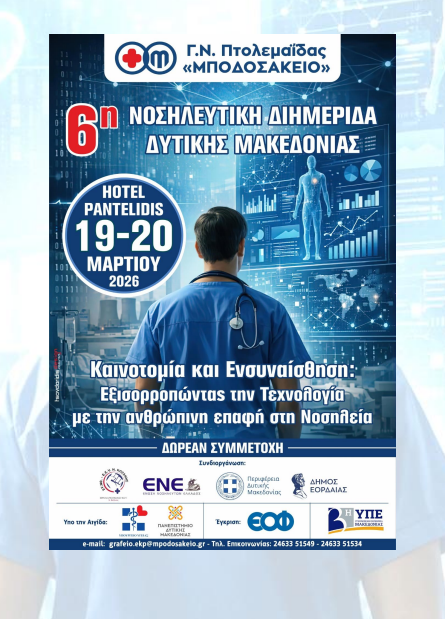
With active participation in a well-established scientific meeting on contemporary nursing issues, Kapa3 took part in the 6th Nursing Symposium of Western Macedonia on “Innovation and Empathy: Balancing Technology with Human Contact in Nursing”, held on March 19–20, 2026, in Ptolemaida.

The Symposium, now a key annual event for the nursing community, serves as a platform for dialogue, knowledge exchange, and highlighting the multifaceted role of nurses in modern healthcare.

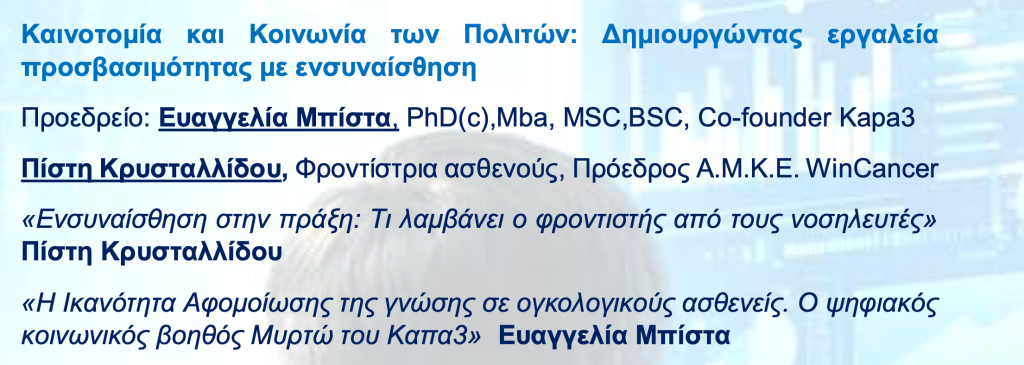
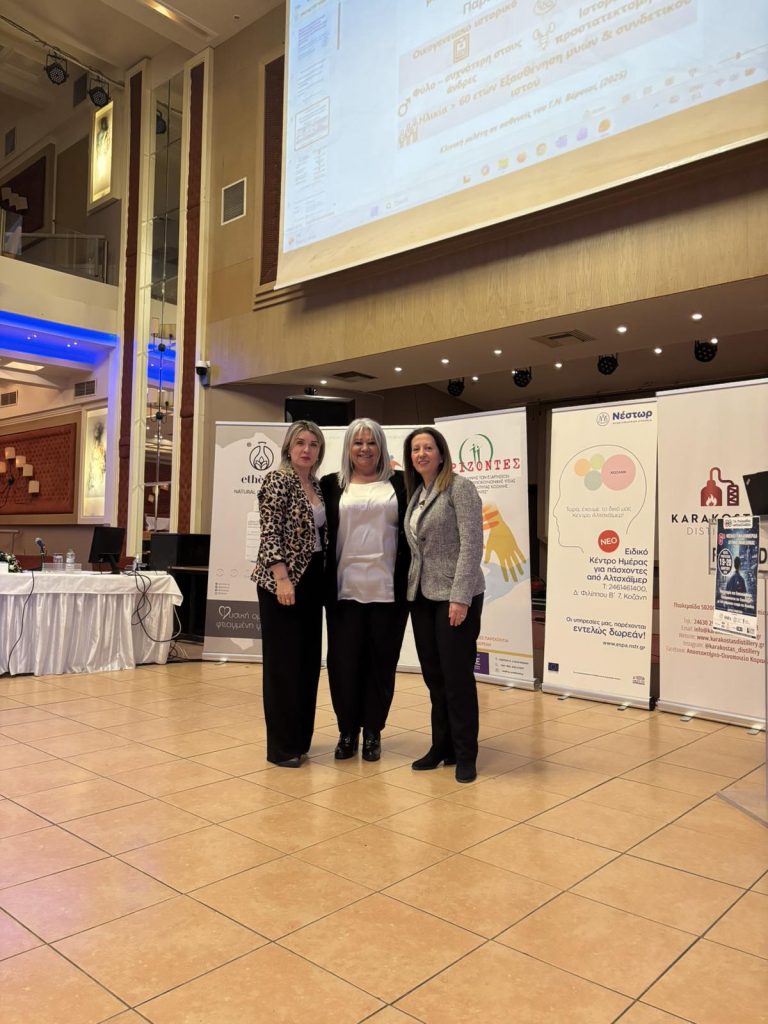
As part of the thematic session “Innovation and Citizen Engagement: Creating Accessible Tools with Empathy”, Ms. Evangeli Bista, co-founder of Kapa3, joined the panel along with Ms. Pisti Krystallidou, President of the NGO WinCancer, showcasing the role of civil society in shaping contemporary, accessible healthcare services.

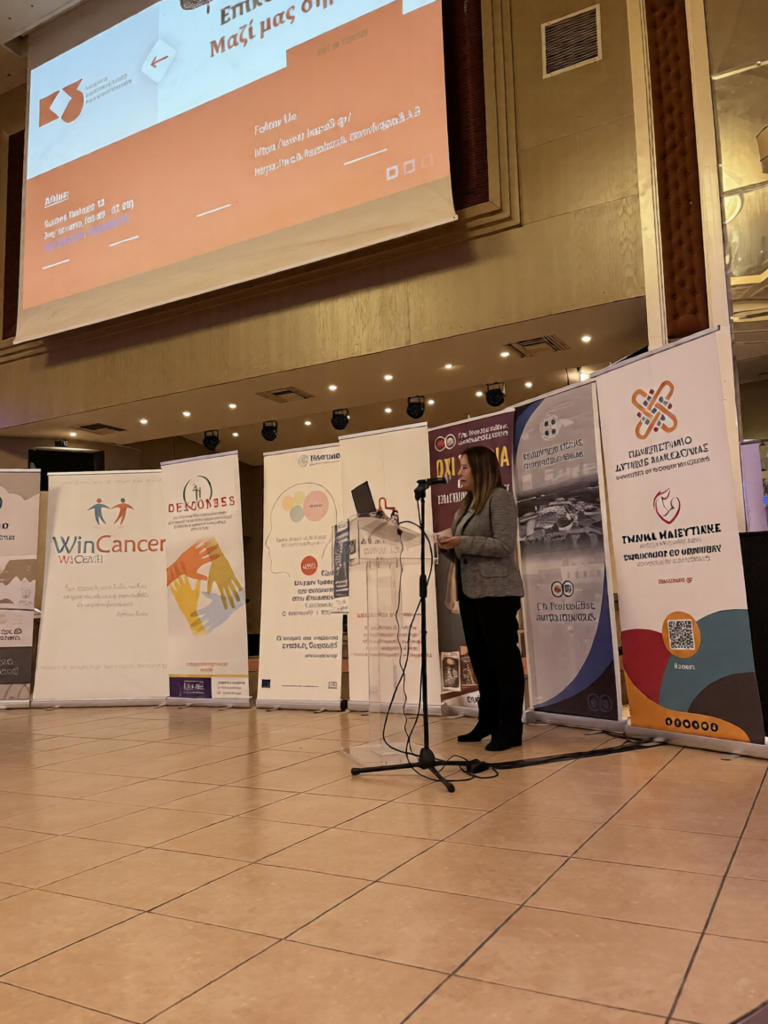
On March 20, Ms. Evangeli Bista and Ms. Pisti Krystallidou actively participated in the Round Table on the same theme. Ms. Krystallidou presented “Empathy in Practice: What the Caregiver Gains from Health Professionals”, highlighting the daily challenges and support needs of people caring for patients. Ms. Bista emphasized Kapa3’s role and the use of digital tools in guiding patients effectively.

During her presentation, Ms. Bista outlined how the healthcare system is transforming: from episodic care to continuous support, from hospital-centered services to daily-life integration, and from the healthcare professional as the sole source of knowledge to the patient as an active participant. In this new environment, digital health and patient navigation go beyond mere tools, focusing on the citizen’s ability to use them meaningfully in everyday life.

Special attention was given to the needs of oncology patients, who require not only access to information but also guidance through a complex healthcare system—knowing where to turn, what they are entitled to, and how to manage critical decisions in daily life. In this context, the importance of patient navigation was highlighted, a model that Kapa3 has implemented since its foundation, acting as a bridge between available services and patients’ real needs.

Finally, the digital social assistant “Myrto was presented, serving as a single reference point for patients, facilitating access to information and services, and translating knowledge into practical, everyday support.

Kapa3’s participation in the Symposium highlighted the importance of combining technological innovation with empathy, confirming that the future of oncology care is not only about personalized treatment but also about personalized understanding of each patient’s needs.

Download our Press Release here 

Text/Adaptation: Ifiyenia Anastasiou for Kapa3

Digital Health Technologies in Europe: New European Commission Report Highlights Opportunities and Challenges

Digital health technologies in Europe are a key pillar in transforming care systems, as highlighted in the new European Commission report (published in 2026), titled “Observatory for Digital Health Technologies in Europe”. The report, prepared for the Directorate-General CONNECT (DG CNECT) by Capgemini Invent and IDC, provides a comprehensive overview of the EU27 digital health market, analyzing both the technology ecosystem and its economic impact.

The report is structured in three main sections. The first focuses on the creation of the Digital Health Technologies Observatory, a strategic tool for monitoring adoption, innovation, and investment in the sector. The second part presents the economic analysis of five selected technologies, while the third contains conclusions and policy recommendations.

The analysis draws on extensive data, including pan-European surveys of healthcare providers and technology companies, expert interviews, mapping of hundreds of providers, and analysis of tens of thousands of investment records. The findings depict a rapidly growing yet fragmented digital health market in Europe.

Artificial intelligence plays a central role in this transformation, with 94% of healthcare providers already adopting or planning to integrate it. Technologies such as Clinical Decision Support Systems (CDSS), automated medical imaging analysis, and digital mental health platforms are highlighted as particularly important for improving care quality and enhancing health system efficiency.

The economic benefits are substantial. CDSS are estimated to enable savings of up to €252 billion over a decade, while automated medical imaging analysis could save up to €192 billion. Similarly, digital mental health platforms support early intervention and reduce the burden on healthcare services, providing significant social and economic benefits.

The report also identifies critical challenges, such as market fragmentation, interoperability issues, and dependence on non-EU providers in strategic areas. Additionally, issues related to digital skills, regulatory frameworks, and equitable access continue to affect the widespread adoption of these technologies.

To address these challenges, the report recommends measures such as strengthening interoperability, supporting small and medium-sized enterprises, promoting innovation in cutting-edge fields (such as AI and genomics), and integrating principles of sustainability, accessibility, and equity.

The positioning of digital health technologies in Europe as a key pillar for the future of care systems is closely linked with initiatives developed at the national level. In this context, Kapa3 invests in digital tools that enhance information, accessibility, and empowerment of oncology patients, such as the “Myrto” Health Navigator. You can read more about it here.

As Europe seeks to build a more resilient and inclusive health system, leveraging digital technologies emerges as a decisive factor in improving patient quality of life and the effectiveness of healthcare services.

Sources:

Text/Adaptation: Ifiyenia Anastasiou for Kapa3

Kapa3 and Doctorhomie: Joining Forces to Support Cancer Patients

Kapa3 is pleased to announce the signing of a memorandum of cooperation with the digital home-care platform Doctorhomie. The Kapa3–Doctorhomie collaboration aims to strengthen support for cancer patients and their families across Greece.

Since its establishment, the Cancer Guidance Center – Kapa3 has been actively working to provide meaningful guidance to people living with cancer and their caregivers, with a strong focus on access to benefits and services, information about patients’ rights, and psychosocial support. Through Mobile Units, digital tools and educational initiatives, the organization promotes patient-centred care, creates channels of communication with beneficiaries and strengthens their participation in decisions concerning their health. Kapa3’s philosophy is grounded in building partnerships, leveraging technology and fostering collaborations with organizations that share the same vision.

Doctorhomie, on the other hand, is redefining home-based care in Greece by offering an integrated digital platform that connects patients with physicians, nurses, psychologists, physiotherapists and caregivers. Through tools that enhance monitoring and management of care at home, Doctorhomie contributes to strengthening Primary Health Care, promoting prevention, supporting families and improving both the safety and quality of care.

The new collaboration between Kapa3 and Doctorhomie opens opportunities for joint initiatives at multiple levels, including:

  • the organization of workshops, conferences and webinars aimed at informing patients, promoting quality of care and strengthening trust between patients and their treating physicians, particularly within the context of home-based care and Primary Health Care,

  • awareness and information campaigns focusing on prevention, the fight against myths and stigma, and a better understanding of patients’ symptoms and needs,

  • participation and collaboration in national and European programmes that promote innovation in oncology care and strengthen digital tools for patients and caregivers,

  • joint research initiatives on topics of shared interest, with the aim of supporting scientific evidence, disseminating knowledge and contributing to health policy development at both national and European level.

This partnership is founded on the shared belief that patient care begins with information and support, is strengthened through education and collaboration, and evolves through the combined use of technology and patient-centred practices.

Kapa3 and Doctorhomie are committed to making the most of this collaboration in order to strengthen patients’ participation in decisions regarding their health, reduce inequalities and provide timely and effective support to those who need it.

With a shared vision of quality and accessible care, Kapa3 and Doctorhomie are opening a new chapter of cooperation in support of cancer patients in Greece.

Download our Press Release in pdf or word

Kapa3 Participation in the 3rd “Mapping the Unknown in Oncology” Conference

Kapa3 actively participated in the conference “Mapping the Unknown in Oncology – From Hospitals to Homes, mapping the future of oncology care”, organized for its third year by the Medical Society for Research and Education under the auspices of HeSMO (Hellenic Society of Medical Oncologists) and the Hellenic Cancer Society, held on February 27–28, 2026 at the Golden Age Hotel in Athens.

During the events on Saturday, February 28, Ms. Evangelí Bista, Head of Operations and Development at the Kapa3 Cancer Patient Guidance Center, took part in the panel titled “e-Health Tools and Educational Platforms: New Paths for Doctors and Patients.” The panel was moderated by Ms. Z. Saridaki and included panelists G. Koukourakis, S. Peroukidis, F. Tyligadas, and Ch. Christodoulou.

In her presentation, titled “Digital Patient Education: The Patient as an Active Partner,” Ms. Bista highlighted the importance of digital transformation in healthcare, which shifts care from episodic to continuous support, moving healthcare from hospitals into patients’ daily lives and empowering patients to become active participants in managing their health.

In this context, Kapa3 announced that for 2026 it will be the only civil society organization fully integrating AI, cybersecurity, and high-performance computing into its processes and services, implementing:

  • An AI-powered digital assistant (chatbot) for immediate patient guidance and support

  • A voice-command system for website accessibility and text-to-speech conversion

  • Service redesign, simplifying processes and reducing bureaucracy

  • An AI-based recommendation system with usage data analysis to personalize services

Special emphasis was placed on patient navigation, as oncology patients need guidance: where to go, what they are entitled to, when to be concerned, and when to wait. Kapa3 addresses this gap, providing not just information but meaningful, personalized guidance within the healthcare system.

The goal is not to add another service but to unite existing services. The next evolution of this model is Myrto, the digital assistant that serves as a reference point, translating knowledge into daily action.

Because the future of oncology is not only personalized treatment but also personalized understanding.

Kapa3’s participation underscores the organization’s commitment to innovation, collaboration, and ethics, demonstrating how technology can significantly enhance the experience and care of oncology patients.