
Kapa3 at EUPATI Greece: From Knowledge to Meaningful Patient Involvement in Research

Empowering patient representatives through education, recognising the value of lived experience, and promoting co-creation in health research and policy.

21–23 September 2026 | EUPATI Greece Patient Academy

Kapa3 – Cancer Guidance Centre, represented by its associates Aristea Archontidou and Despina Chrysostomidou, participated in the three-day educational programme of the EUPATI Greece Patient Academy, organised by the Greek Patients’ Association from 21 to 23 September 2026.

This participation reflects Kapa3’s ongoing commitment to strengthening scientific knowledge, health literacy, and the skills of its associates and volunteers, with the aim of providing more meaningful support and representation for people living with cancer.

At a time when clinical research, the development of new treatments, and health technologies are continuously evolving, patient involvement is becoming increasingly important.

However, one critical question remains:

Are patients genuinely involved in shaping the decisions that affect them, or are they still too often limited to the role of passive recipients?

The EUPATI training highlighted the importance of moving beyond simply providing information towards active, informed, and meaningful patient involvement in research, the evaluation of therapeutic interventions, and the design of healthcare services.

EUPATI: Scientific Knowledge and the Empowerment of Patient Representatives

The European Patients’ Academy on Therapeutic Innovation (EUPATI) is a European initiative that promotes the education and empowerment of patients and their representatives, enabling them to participate more effectively and confidently in medicines research and development and discussions concerning innovation in healthcare.

The Greek educational programme included presentations, interactive workshops, and opportunities to exchange knowledge and experiences among healthcare professionals, researchers, and patient representatives.

Over the three days, participants explored several key topics, including:

  • Critical reading and understanding of clinical studies.
  • Interpretation of statistical data and research findings.
  • The regulatory framework governing clinical trials and medical devices.
  • Ethical considerations in research.
  • The organisation and design of clinical trials.
  • Patient representation in scientific advisory bodies and decision-making processes.

The practical approach was particularly valuable, as participants were encouraged to analyse scientific data, raise questions, and identify the challenges patients may face when trying to understand a clinical study or evaluate available treatment options.

The programme reinforced an essential principle: scientific knowledge should not remain the exclusive domain of specialists. It should be accessible and understandable to those who are expected to participate in decisions affecting their health and lives.

From Scientific Information to Critical Understanding

One of the main areas addressed during the programme was the critical appraisal of clinical studies and the interpretation of their findings.

Understanding a scientific publication requires more than reading its conclusions.

It involves examining the study design, the population included, the therapeutic interventions investigated, the comparison groups, and the outcomes assessed.

Concepts such as Overall Survival (OS), Progression-Free Survival (PFS), adverse events, quality of life, and statistical significance are particularly important when evaluating the actual benefits of a treatment.

A statistically significant difference does not necessarily translate into an equally meaningful clinical benefit for every patient.

Similarly, measures of treatment effectiveness need to be considered alongside safety data, their impact on everyday life, and individual patient preferences.

Developing these skills strengthens the ability of patient representatives to participate meaningfully in scientific discussions, critically evaluate information, and raise well-informed questions.

Patient Involvement Must Begin Before Research Starts

One of the most important issues highlighted during the educational discussions was the need for meaningful patient involvement from the earliest stages of clinical study design.

Patient and Public Involvement (PPI) is not the same as participating in a clinical trial as a research subject.

Rather, it recognises patients’ lived experiences as a valuable source of knowledge that can contribute to identifying research priorities and shaping the research process itself.

People with lived experience of a condition can provide important insights into which treatment outcomes matter most in everyday life, which research procedures may be excessively burdensome, and what barriers could limit participation in a study.

Moving from research conducted “for patients” to research developed “with patients” represents a fundamental shift in the philosophy of contemporary health research.

Patient Experience Data: When Lived Experience Becomes Part of Scientific Knowledge

Particular importance is attached to Patient Experience Data (PED).

These data capture the experiences, needs, preferences, and priorities of people living with a health condition.

In oncology care, the patient experience extends beyond the clinical response to treatment. It also includes the impact of cancer on employment, family relationships, financial security, daily functioning, and quality of life.

Using such data can contribute to a more comprehensive understanding of treatment needs and the benefit–risk balance.

Informed Consent: From Signing a Document to Genuine Understanding

Informed consent is a fundamental requirement for the ethical conduct of clinical research.

However, signing a document is not enough.

Participants need to understand the purpose of the study, its procedures, potential benefits and risks, available alternatives, and their right to withdraw in accordance with the applicable regulatory framework, without adverse consequences for their standard care.

The use of clear and understandable language, sufficient time to consider the information provided, and the opportunity to ask questions are essential conditions for genuinely informed decision-making.

Health literacy is not solely about what patients know. It is also about the ability of healthcare systems to provide information in ways that are understandable, accessible, and appropriate for informed decision-making.

From Formal Representation to Genuine Influence

The training discussions also highlighted the ongoing challenges surrounding meaningful patient representation.

Limited access to specialised knowledge, lack of time and resources, geographical and social inequalities, and the absence of systematic participation mechanisms can create significant barriers.

At the same time, transparency, independence, and the management of conflicts of interest are essential conditions for credible patient representation.

Strengthening patient involvement in hospitals, scientific advisory bodies, and established healthcare evaluation and decision-making processes is an important step towards a more transparent and inclusive system.

The real challenge is not simply to secure a seat for patients at the decision-making table, but to ensure that they can genuinely influence the decisions being made.

What EUPATI Participation Means for Kapa3

For Kapa3, investing in EUPATI education forms part of a broader effort to connect scientific evidence with the everyday experiences of people living with cancer.

Aristea Archontidou and Despina Chrysostomidou participated in the educational activities and workshops focusing on the critical appraisal of clinical studies and statistical analysis, exchanging knowledge and experiences with patient representatives and professionals from different fields.

The knowledge gained through this experience directly supports Kapa3’s core priorities:

  • Empowering patients and caregivers.
  • Strengthening health and digital literacy.
  • Improving access to reliable and understandable information.
  • Promoting patient involvement in research.
  • Encouraging interdisciplinary collaboration and the co-creation of services.
  • Training associates and volunteers to provide better navigation and support.

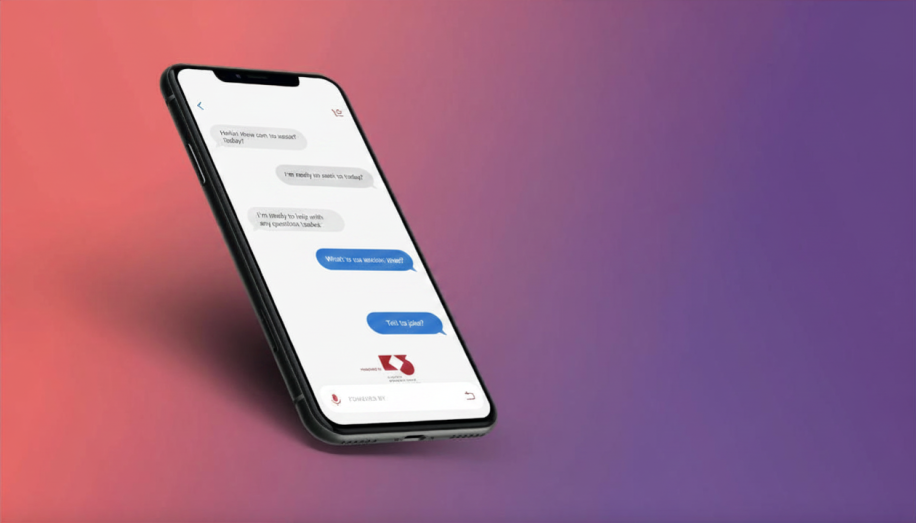
This approach is also reflected in the development of MYRTO – Kapa3’s Digital Social Navigator, which uses Artificial Intelligence to facilitate access to evidence-informed information on rights, benefits, and available support services.

Through research, European partnerships, education, and everyday social guidance, Kapa3 seeks to contribute to the development of a more structured and evaluable model of human-centred navigation in oncology care.

For Kapa3, participation in initiatives such as EUPATI represents an investment in the organisation’s collective knowledge and in continuously strengthening its scientific and social contribution.

From Participation to Co-Creation

Kapa3’s participation in the EUPATI Greece Patient Academy reinforces the importance of continuous education and meaningful collaboration between the scientific community and people with lived experience of illness.

Patient involvement should not be reduced to a formal process of representation.

It must be meaningful, evidence-informed, inclusive, and embedded from the earliest stages of research and healthcare service design.

Because patients are not merely recipients of scientific knowledge.

They can and should be active partners in creating it.

At Kapa3, we remain committed to investing in knowledge, education, collaboration, and co-creation.

Because better care is not only designed for people. It is designed with them.


Sources and Further Reading

EUPATI – European Patients’ Academy on Therapeutic Innovation
https://eupati.eu/

Greek Patients’ Association
https://greekpatient.gr/

University of Basel – Patient and Public Involvement: Why and How
https://dkf.unibas.ch/en/scientific-services/patient-and-public-involvement/patient-and-public-involvement-why-and-how/

European Medicines Agency – Patient Experience Data Reflection Paper
https://www.ema.europa.eu/en/scientific-guidelines/patient-experience-data-ped-reflection-paper

Bereczky, T. (2013). The Impatient Patient: A Discussion of Patient Involvement in Novel Forms of Knowledge Production – A Case Study of the European Community Advisory Board on HIV/AIDS.
Socio.hu.
https://socio.hu/uploads/files/english/bereczky.pdf

Kapa3 – Cancer Guidance Centre
https://www.kapa3.gr/
Adolescents and Young Adults with Cancer (AYAs): When a Diagnosis Comes During the Most Formative Years of Life

The unique psychosocial challenges, the invisible signs of distress, and Kapa3’s holistic response through the European MELODIC project.

A cancer diagnosis during adolescence or young adulthood often comes at a time when life is unfolding through some of its most creative and defining stages. Education, employment, romantic relationships, independence, starting a family, and planning for the future are all taking shape. A cancer diagnosis can abruptly interrupt this journey, creating a reality that is often difficult to comprehend, even for the young people experiencing it.

Adolescents and young adults with cancer, internationally referred to as AYAs (Adolescents and Young Adults), represent a distinct population within oncology. Their needs extend far beyond the treatment of the disease itself. They encompass identity, autonomy, relationships, sexuality, fertility, education, employment, financial security, and, above all, how they perceive their future and themselves.

When Life Is Put on Hold

For a young person, experiencing cancer can create the feeling that their personal life has come to a standstill while their peers continue moving forward. Friends pursue their studies, build careers, travel, develop relationships, and start families, while they may be coping with hospitalisations, treatments, fatigue, and restrictions on everyday activities.

This disruption can significantly affect their psychological well-being. Social isolation, changes in body image, concerns about sexuality and intimate relationships, and fears about potential effects on fertility are issues that may not always be easy to discuss with family members or even with the healthcare team.

At the same time, interruptions to education or employment can create financial uncertainty and undermine a young person’s sense of independence.

The impact of cancer, therefore, is not limited to the physical body. It extends to how young people perceive themselves, their identity, and their place within society.

Psychological Distress Is Not Always Visible: Recognising the Warning Signs

One of the most important challenges in caring for AYA patients is that psychological distress is not always immediately recognisable.

Distress may emerge at different stages of treatment, including after treatment has ended, and can manifest in various ways.

It may be expressed through anger towards the healthcare team, mistrust of treatment or medical recommendations, repeated questioning or, conversely, complete avoidance of questions.

It may also appear as delayed or missed appointments, difficulty adhering to treatment, excessive reliance on information found online, or reluctance to seek support from family members and social networks.

At other times, the signs are even more subtle: withdrawal from friends, reduced participation in activities, feelings of loneliness or hopelessness, or the belief that “no one can understand what I am going through.”

These behaviours should not automatically be interpreted as non-cooperation or lack of motivation. They may reflect emotional distress, uncertainty, fear, or unmet psychosocial needs that require further exploration.

This is why communication is a fundamental component of care.

An open-ended question, a safe and supportive environment, and, above all, a genuine willingness to listen without minimising a young person’s feelings can provide the starting point for identifying needs at an early stage.

Completing Treatment Does Not Always Mean the End of the Struggle

Another important message concerns the period following the completion of cancer treatment.

The end of oncology treatment is often accompanied by relief and optimism. At the same time, however, it can create a new sense of uncertainty or emptiness.

Frequent contact with the hospital and healthcare professionals gradually decreases, while young people are expected to return to everyday life and redefine their identity and future after cancer.

Fear of recurrence, changes in relationships, returning to work or education, and the need to reconsider personal goals may create new psychological challenges.

Psychological recovery, therefore, does not necessarily follow the same timeline as physical recovery.

Importantly, resilience and psychological distress are not mutually exclusive.

A young person may continue moving forward, pursuing their goals and rebuilding their life, while simultaneously experiencing fear, uncertainty, or emotional difficulties.

Recognising this complexity is essential to avoid unrealistic expectations that young people should immediately return to their previous lives or feel consistently positive once treatment has ended.

From Recognition to Meaningful Support and Effective Interventions

Addressing these needs requires an approach that sees the AYA patient as a whole person, not simply as someone undergoing cancer treatment.

Active listening, encouraging emotional expression, strengthening autonomy, and facilitating access to appropriate psychosocial support services are essential elements of comprehensive care.

Support may include psychological and social care, peer-support groups, counselling, and practical assistance related to employment, financial concerns, or social rights.

Individualisation is particularly important.

Not all young people require the same type of support, nor do they experience cancer in the same way.

Age, family circumstances, social environment, personal values, and life goals all contribute to shaping different needs and expectations.

Evidence-Informed Psychotherapeutic Approaches

Several psychotherapeutic approaches may help address the psychological and emotional challenges experienced by adolescents and young adults affected by cancer.

Cognitive Behavioural Therapy (CBT) can help young people identify and reframe unhelpful patterns of thinking, develop more adaptive coping strategies, and regain a sense of control during periods of significant uncertainty.

Acceptance and Commitment Therapy (ACT) emphasises psychological flexibility, the recognition and acceptance of difficult emotions, and engagement with personal values. This approach may be particularly relevant when illness has disrupted a young person’s priorities, identity, or future plans.

In parallel, meaning-centred approaches can support AYA patients in addressing existential concerns, changes in identity, and experiences of loss.

These interventions may help individuals integrate the experience of cancer into their evolving understanding of themselves and their lives, while rediscovering meaning, purpose, and personal direction.

The Importance of Peer Support

Peer support represents another valuable dimension of psychosocial care.

Connecting with people who have experienced similar challenges can reduce feelings of social isolation, strengthen the sense that “I am not alone,” and create opportunities for mutual understanding.

Peer relationships may also provide a supportive environment in which young people feel more comfortable discussing concerns that can be difficult to communicate with family members or healthcare professionals.

These forms of support should be adapted to individual circumstances and preferences.

Psychotherapeutic and psychosocial interventions need to be delivered flexibly, taking into account each person’s developmental stage, cultural and social context, values, and changing needs.

The therapeutic relationship, trust, respect for autonomy, and the active involvement of young people in decisions affecting their care are fundamental components of a genuinely person-centred approach.

MELODIC and the Need for More Human-Centred Cancer Care

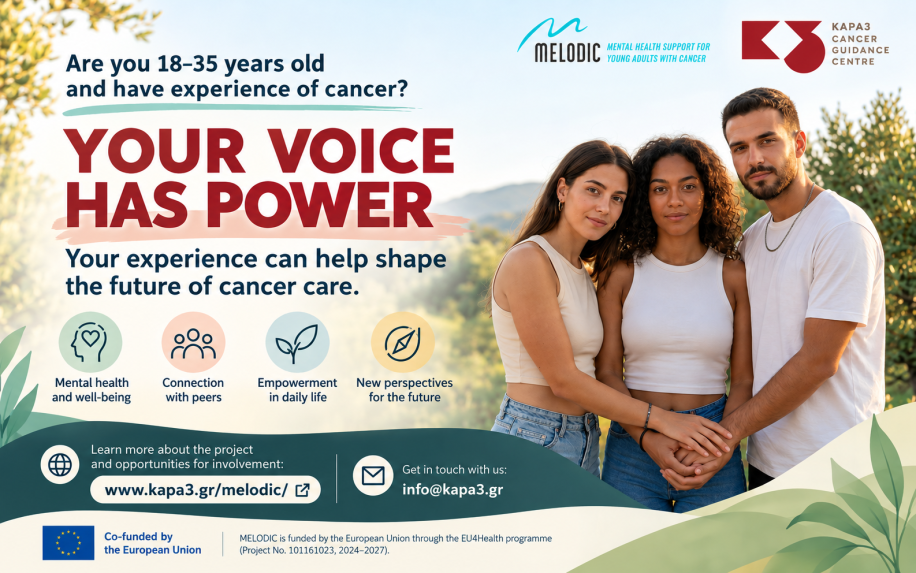
This need lies at the heart of the European project MELODIC – Mental Health Support for Young Adults with Cancer, in which Kapa3 – Cancer Guidance Centre participates as a project partner.

MELODIC focuses on the mental health and well-being of young adults affected by cancer, aiming to strengthen the knowledge, skills, and support available to them, their loved ones, and the professionals involved in their care.

The project specifically addresses the needs of young adults aged 18–35 and seeks to promote a more integrated, supportive, and human-centred approach to oncology care.

Within the framework of MELODIC, Kapa3 has actively contributed to the co-development of educational materials, the development of the educational framework, and the pilot educational intervention in Greece.

Through this participation, Kapa3 supports the recognition of psychosocial needs and the development of knowledge and competencies among healthcare professionals working with young people affected by cancer.

This approach is directly aligned with the philosophy of holistic cancer care: mental health is not a separate or secondary concern but an integral part of the overall experience of living with cancer.

MELODIC also highlights the importance of interdisciplinary collaboration and the early identification of psychosocial needs.

By strengthening awareness and professional competencies, healthcare professionals can become better equipped to recognise signs of distress and refer young people to appropriate support services in a timely and coordinated manner.

From Identifying Needs to Developing Supportive Interventions

The MELODIC project promotes an approach that moves beyond identifying psychological challenges towards developing practical, person-centred interventions that respond to the everyday realities of young adults living with cancer.

Its broader framework recognises the value of psychosocial support, social connection, physical activity, and engagement with nature as complementary dimensions of well-being.

For Kapa3, participation in MELODIC reflects a wider commitment to connecting scientific knowledge with practical support and the lived experiences of people affected by cancer.

By contributing to European collaboration, educational activities, and the development of supportive interventions, Kapa3 seeks to help strengthen a model of cancer care that is more responsive to the individual, social, and emotional needs of patients.

This commitment also reflects the organisation’s broader work in patient navigation, health literacy, access to rights, and psychosocial support.

Because meaningful cancer care must extend beyond medical treatment and recognise the person behind the diagnosis.

Why Listening to Young People Matters

Meaningful care begins with a simple but fundamental principle: listening.

Listening to the young person who is afraid, even when they cannot express that fear directly.

Listening to the person who feels angry, withdraws from others, or struggles to follow their treatment plan.

Listening to those who appear to be coping well but may be experiencing greater emotional difficulties than they reveal.

Listening without judgement, without minimising emotions, and without assuming that the needs of all young people affected by cancer are the same.

Behind every diagnosis is a person who continues to have relationships, plans, dreams, ambitions, and a need for independence.

Through its participation in MELODIC, alongside its broader activities supporting people living with cancer, Kapa3contributes to promoting a model of care that does not end with the treatment of the disease.

A model that recognises psychological and social needs, strengthens patient empowerment, and builds bridges towards appropriate support.

A model that understands that recovery is not only about physical health but also about rebuilding confidence, identity, relationships, and the ability to imagine a future.

Because cancer care is not only about helping people recover from illness. It is also about supporting them, with dignity and understanding, as they rebuild the lives they want to live.


Learn More About MELODIC

The European project MELODIC – Mental Health Support for Young Adults with Cancer aims to promote mental health and well-being among young adults affected by cancer through interdisciplinary collaboration, education, and person-centred supportive interventions.

Kapa3 participates in the project, contributing to its activities in Greece and to the broader European effort to strengthen psychosocial cancer care.

For more information about MELODIC, its objectives, activities, and Kapa3’s participation, visit the dedicated section of our website:

https://www.kapa3.gr/melodic/

If you are a young adult aged 18–35 with lived experience of cancer and would like to learn more about the project or possible opportunities for involvement, please contact the Kapa3 team.

Kapa3 – Cancer Guidance Centre

Website: https://www.kapa3.gr
Email: info@kapa3.gr
Telephone: +30 210 5221424


Source

Ciampa, D., Mathew, L., Fulginiti, K., & Fortune-Kottis, S. (2026, August 11). Addressing unique psychosocial challenges in adolescent and young adult (AYA) patients with cancer. Oncology Central.

https://www.oncology-central.com/addressing-unique-psychosocial-challenges-in-adolescent-and-young-adult-aya-patients-with-cancer/

Further information:
European MELODIC Project – Kapa3
https://www.kapa3.gr/melodic/


Article edited by:
Elena Panopoulou
Sociologist, Kapa3 Tripoli Team

Email: elenak3team@gmail.com
LinkedIn: https://www.linkedin.com/in/elena-panopoulou-5061aa426

MYRTO evolves: from information to meaningful navigation

The new version of MYRTO, Kapa3’s digital assistant for people affected by cancer and their caregivers, is now live.

This update is more than a technical upgrade. It represents another step towards a different model of digital support: moving from simply providing information to supporting understanding, guidance and navigation.

For people facing cancer, the challenge is not always a lack of information. Very often, the real difficulty is understanding which information applies to them and what they need to do next.

From information to the next step

The cancer journey involves much more than diagnosis and treatment. Patients and families may also need to navigate social rights and benefits, disability assessment, transportation, employment issues, psychosocial support and communication with multiple health and public services.

Information may be available, but it is often fragmented, complex or difficult to turn into action.

This is where navigation becomes essential.

It means supporting people to access, understand, evaluate and use the information they need.

MYRTO was developed with this principle in mind: transforming complex and fragmented information into guidance that is easier to understand and act upon.

What is new in MYRTO

The renewed version offers a more direct and accessible user experience.

Users can interact by text or voice, listen to responses, choose between Greek and English, and adjust text size. Suggested topics also help people who may not know how to begin or how to formulate their question.

Particular attention is given to the sources behind the information. MYRTO follows a source-grounded and human-supervised AI approach: Artificial Intelligence supports the retrieval and organisation of information, while reliability, transparency and human oversight remain central to its design.

Technology does not replace people

MYRTO is not a doctor and does not provide personalised medical advice. It does not replace social workers, psychologists, nurses or other healthcare professionals.

Its role is to reduce complexity, support orientation and help people move closer to the appropriate information, service or human support.

The same approach applies to caregivers, who often become care coordinators, information managers and navigators of rights and services. MYRTO is also designed with their needs in mind, recognising caregivers as an essential part of the cancer journey.

Accessibility, trust and data protection

At Kapa3, we believe that digital innovation is meaningful only when it remains accessible and inclusive.

For this reason, the renewed MYRTO places emphasis on plain language, voice interaction and features that can support people with different levels of digital and health literacy.

Users are also informed about the processing of their data and the use of Artificial Intelligence, with separate consent choices and the possibility to request data deletion.

Trust in a digital health tool is not only about the answers it provides. It is also about how it works, which sources it relies on and how it respects the people who use it.

“What do I need to do next?”

Perhaps this single question best captures the philosophy behind MYRTO:

“What do I need to do next?”

A person facing cancer should not have to know in advance which organisation is responsible, where the right information is located or which administrative process needs to be followed.

They should be able to express their need and receive guidance that is reliable, understandable, accessible and human-supported.

This is the direction of the renewed MYRTO.

From information to understanding.
From understanding to navigation.
And from navigation to the next step.

Find more :

https://kapa3-cag-rag-hybrid-deploy.onrender.com


From access to continuity of care: when navigation becomes part of the solution

Why health systems need pathways, not just pilots

A test is not treatment. A referral does not necessarily mean that a person will reach the care they need. And a successful pilot does not, by itself, mean that a health system works for everyone.

This is the central message of a recent article by Gaurav Ghewade for the World Economic Forum, “Why healthcare systems need pathways, not just pilots.” The key question is no longer simply whether people can enter a health system, but whether the system can support them throughout the journey that follows.

In 2023, around 4.6 billion people worldwide were still not fully covered by essential health services. At the same time, chronic conditions, including cancer, require much more than a single intervention. They demand continuity, repeated contact with services, follow-up and coordinated support.

The critical question therefore becomes:

What happens after the first step?

Does a person know where to go next? Do they understand the procedures they need to follow? Are they aware of the rights and benefits available to them? Can they identify the appropriate services? Is there a clear pathway, or are they left to navigate a complex system on their own?

For people affected by cancer, the journey extends far beyond diagnosis and treatment. It can also involve administrative procedures, social and employment rights, financial and insurance benefits, access to social services, psychosocial support, caregiver needs and the return to everyday life.

This is why navigation is becoming an essential part of person-centred support.

From information to action: MYRTO

This is also the space in which MYRTO – Kapa3’s Digital Social Rights Navigator is being developed.

MYRTO does not replace doctors or healthcare professionals and does not provide treatment decisions. Its purpose is to help people affected by cancer and their caregivers access reliable and understandable information, better understand their social rights and available benefits, identify relevant services and move towards the next practical step in their journey. Kapa3 has positioned MYRTO within a broader approach to digital navigation, social accessibility and patient empowerment.

Because access is only the beginning.

What truly matters is ensuring that no one gets lost between the steps of their journey.

The development of MYRTO is supported by the TIMA Charitable Foundation, Founding Sponsor of MYRTO.

Source

Gaurav Ghewade, Why healthcare systems need pathways, not just pilots, World Economic Forum, 21 August 2026.

Κapa3 at IEEE CBMS 2026 | AI for Equitable Oncology Information

Kapa3 at IEEE CBMS 2026: Artificial Intelligence in Support of Equitable Patient Information in Oncology Care

New scientific publication in the Proceedings of the 39th IEEE International Symposium on Computer-Based Medical Systems

The voice and lived experience of patients must remain at the centre of the emerging era of Artificial Intelligence in healthcare.

Kapa3 – Cancer Guidance Centre contributes to a new scientific publication presented in the Proceedings of the 2026 IEEE 39th International Symposium on Computer-Based Medical Systems (CBMS), focusing on how Artificial Intelligence and Retrieval-Augmented Generation can support more equitable, reliable and patient-centred access to information in oncology.

The paper, entitled:

“Informed, Empowered, and Heard: AI and Retrieval-Augmented Generation as Tools for Equitable Patient Information in Oncology”

is authored by Lars Münter, Evangeli Bista, Maria Lavdaniti and Christos Frantzidis, with Evangeli Bista representing Kapa3 as Co-founder.

From access to information to meaningful patient empowerment

A cancer diagnosis creates an immediate need for information that is reliable, understandable and relevant to the individual patient.

At the same time, patients and their families are often expected to understand complex medical terminology, treatment options, prognosis discussions and administrative procedures at a moment of intense psychological and emotional pressure.

The paper highlights that acute stress associated with a serious diagnosis can affect working memory, attention and the ability to process new information. This means that patient information cannot be designed for an ideal, fully attentive reader; it must respond to the real cognitive and emotional conditions experienced by people facing cancer.

The key question is therefore not simply:

“How much information do we provide?”

but rather:

“Are we providing the right information, at the right time, in a form that people can understand and act upon?”

AI and Retrieval-Augmented Generation: towards trustworthy and evidence-grounded information

The publication places particular emphasis on Retrieval-Augmented Generation (RAG).

RAG architectures combine the generative capabilities of large language models with the retrieval of information from curated and verified knowledge sources. In a healthcare setting, this can include clinical guidelines, validated patient information resources, regulatory documents and peer-reviewed literature.

This approach offers an important advantage over purely generative AI systems: responses can be grounded in identifiable sources, supporting greater transparency and enabling patients and healthcare professionals to verify where information comes from.

In oncology, this is especially important.

A patient does not simply need a quick answer. They need information that is:

accurate, current, understandable, accessible and appropriate to their individual situation.

Artificial Intelligence as a tool for equity

One of the central themes of the paper is inequality in access to high-quality oncology information.

Geography, language, socioeconomic circumstances, health literacy, digital literacy and access to specialised healthcare services can significantly influence a person’s ability to understand their diagnosis, treatment options and rights.

The publication pays particular attention to the Greek context, where patients living in large urban centres may experience a very different information environment from those living in rural, remote or island communities.

When equity is treated as a core design principle, AI-RAG systems can potentially support:

  • multilingual access to health information,
  • different levels of language and information complexity,
  • voice-based interfaces,
  • shorter and more manageable units of information,
  • low-bandwidth or offline-capable solutions,
  • and opportunities for patients to return to information when they are ready to process it.

Technology alone, however, does not create equity.

The way technology is designed determines whether it reduces existing inequalities or reproduces them.

Designed with patients, for patient needs

The paper calls for an important shift in the way digital health systems are developed.

Many traditional health information systems are designed primarily around institutional or clinical workflows, with patient-facing communication added later.

For patient-centred AI, this logic must be reversed.

Systems should be designed with patients and around patient needs, with patients and informal carers actively involved in shaping the knowledge base, the questions the system is expected to answer and the ways information is presented.

This also means moving beyond systems that simply respond to individual questions.

A meaningful AI-supported information environment could help patients prepare for clinical consultations, organise their questions, understand the next steps in their care and become more aware of their rights.

The paper highlights applications such as consultation preparation guides, question prompts before appointments and post-consultation summaries as examples of how technology can support patients before, during and after important healthcare interactions.

AI should strengthen, not replace, human relationships

Perhaps the most important message of the publication is that the transformative potential of AI in oncology is not primarily technical. It is relational.

Artificial Intelligence should not create distance between patients and healthcare professionals.

It should help strengthen their communication.

A better-informed patient can arrive at a clinical consultation more prepared, identify questions and concerns more clearly, participate more actively in shared decision-making and communicate more effectively with the healthcare team.

The same applies to informal carers, who often carry a significant part of the informational and emotional burden of cancer care.

For this reason, the paper argues that AI-RAG systems should be designed to strengthen the relationship between patients, carers and healthcare professionals, rather than to replace any part of this human network of care.

For healthcare professionals, trustworthy information systems may also reduce the time required for basic information provision, allowing more of the clinical encounter to focus on nuanced discussions, decision-making and the human aspects of care that technology cannot replicate.

From information to trust

This scientific contribution adds to an increasingly important discussion about the future of healthcare:

How can Artificial Intelligence be developed and used in ways that genuinely respond to human needs?

The answer does not lie only in more powerful AI models or larger volumes of data.

It also lies in evidence, transparency, accessibility, co-design, equity and respect for patient rights.

As the paper concludes, people affected by cancer in Greece and across Europe deserve access to information that is accurate, personalised, accessible and respectful of their rights, regardless of where they live, the language they speak or the socioeconomic resources available to them.

For Kapa3, participating in this scientific discussion also reflects a broader commitment: ensuring that real patient needs, lived experience and equitable access are represented in the design and evaluation of the next generation of digital health and AI-supported tools.

Publication details

Title: Informed, Empowered, and Heard: AI and Retrieval-Augmented Generation as Tools for Equitable Patient Information in Oncology

Authors: Lars Münter, Evangeli Bista, Maria Lavdaniti, Christos Frantzidis

Published in: 2026 IEEE 39th International Symposium on Computer-Based Medical Systems (CBMS)

DOI: 10.1109/CBMS69103.2026.00302

find more 499901b523

DISABILITY CARD OR TRANSPORTATION PASS FOR PEOPLE WITH DISABILITIES 2026. WHAT BENEFICIARIES NEED TO KNOW.

The new explanatory circular regarding transportation for people with disabilities (PWDs) for 2026 has raised several questions among beneficiaries and their families who are trying to understand what the current rules are. The most common question is: “I have the plastic Disability Card. Do I also need to get a PWD Transportation Pass?”

The answer is that the Disability Card has not completely replaced the Transportation Pass. Both of these documents remain valid simultaneously, and the need for one or the
other depends on the mode of transportation used by each eligible person. To make this clearer, here’s what applies in each case.

Athens and Thessaloniki: The Disability Card can be used for urban travel

For travel on OASA transit in Athens and OSETH transit in Thessaloniki, the plastic Disability Card can be used by eligible beneficiaries.

Cardholders can travel by validating their card at the designated machines, without needing to obtain a
separate Travel Pass specifically for these transit services.

The following are required:

  • the Disability Card must be valid,
  • must bear the designated disability level II or III designation,
  • or the beneficiary must receive disability financial assistance from OPEKA,
  • and income criteria must be met where required.

URBAN KTEL BUSES IN THE PROVINCE: THE TRAVEL PASS REMAINS NECESSARY

This is the point that has caused the most confusion. Possession of a Disability Card does not mean that
the Travel Pass is no longer required for all trips.

For urban KTEL buses operated by the Regional Units, as well as by the municipalities of Kos and
Rhodes, a Mobility Card for People with Disabilities is required, even if the beneficiary holds a Disability Card.

Therefore, those who use urban KTEL buses in their area should apply:
– at the Citizen Service Centers (KEP),
– or at the relevant offices of the Regional Unit.

FOR 2026, THE PROCESS BEGINS ON JULY 1, 2026, AND ENDS ON NOVEMBER 30, 2026.
Intercity Buses (KTEL): 50% Discount on Fares

For travel on intercity buses (KTEL)—that is, for trips from one city to another—a 50% discount is available.
The discount can be obtained with:
– A valid Disability Card,
– or a Transportation Pass for People with Disabilities.

Thus, for intercity routes, the beneficiary has more options.

Are there income criteria for free transportation?

One point that often causes confusion concerns income. There are no income criteria for issuing the Disability Card.

The income limits apply to eligibility for free transportation.

For 2026, the limits are as follows:
– individual taxable income up to 23,000 euros,
– declared family income up to 29,000 euros.

The family income limit increases by 5,600 euros for each additional person with a disability of 67% or higher who lives with and is financially dependent on the taxpayer.

It is important to note that: OPEKA disability benefits are not included in the above income limits. A relevant certificate from OPEKA may be required to exclude them.

Who is exempt from the income criteria?

People who are totally blind are exempt from the income criteria.

What applies to the companion?

In many cases, a companion is also entitled to travel.
If the Disability Card is marked with an “S” (Companion):

in Athens and Thessaloniki, the companion travels with the cardholder upon a single validation of the card. For KTEL buses, however, the prescribed procedure and the corresponding Companion Travel Pass are required where necessary.

So, what do beneficiaries need to keep?

The Disability Card is a significant benefit, but it does not mean that the Travel Pass is being
eliminated.
In simple terms:
Disability Card:
✔ Athens and Thessaloniki
✔ Intercity KTEL buses for a 50% discount
Travel Pass:
✔ Provincial KTEL buses
✔ Situations where a companion’s entitlement is required
✔ Those who do not have a Disability Card

At Kapa3, we believe that accurate information can save time, trips, and unnecessary hassle,
especially for people who already face increased challenges due to a disability or a serious illness.

View the circular here: TRANSPORTATION 2026
DISABILITY CIRCULAR

For more information, please don’t hesitate to contact the Kapa3 team:

📍Athens: 13 Kosti Palama, 3rd floor, (9:00 AM – 5:00 PM)
📍13 Kosti Palama, 11141 Athens
☎️210 5221424
📱6906265170
www.kapa3.gr, info@kapa3.gr

The Right to Be Forgotten: A New Era of Dignity for Cancer Survivors

Life after cancer should not be accompanied by lifelong financial exclusion

For many decades, completing cancer treatment did not always mean the end of obstacles for those who had been diagnosed with the disease. Years after their treatment, many survivors continued to face higher insurance premiums, denied insurance applications, and difficulties accessing financial services.A history of cancer could act as a permanent “stigma,” even many years after treatment had ended.

Thus, medical progress and a return to daily life were not always accompanied by corresponding social and economic rehabilitation.

With Law No. 5317/2026, published on July 10, 2026, Greece is moving forward with the legislative enshrinement of the so-called “Right to Be Forgotten” for cancer survivors, in the context of insurance contracts linked to consumer credit agreements. This specific provision is found in Article 16, paragraph 4, of the law.

What the new provision stipulates

The law prohibits the use of personal data related to a consumer’s cancer diagnosis when such data is to be used for an insurance contract linked to a credit agreement and five years have passed since the completion of treatment.

Simply put, once the five-year period has elapsed, a prior history of a cancer diagnosis cannot be used in this specific context as a factor in assessing the insurance contract accompanying the credit agreement. This represents a significant shift: individuals are no longer assessed indefinitely through the lens of a past
illness, but are given the opportunity to move forward with their lives without their previous diagnosis serving as a permanent obstacle.

The four key points of the new entitlement

The Right to be Forgotten does not mean that the diagnosis is deleted from the medical record. It means that, after the prescribed five-year period, data related to the cancer diagnosis may not be used for that specific insurance purpose.

Fourth, special oversight is provided for.

The Personal Data Protection Authority is responsible for enforcing paragraph 4 of Article 16 and possesses the supervisory and auditing powers provided for by the General Data Protection Regulation.

What the New Regulation Does Not Cover

Accurate information is particularly important so that citizens are aware of both their rights and the actual
limits of the protection provided.

The new legislative provision:

  • does not apply to all forms of private insurance,
  • does not automatically guarantee the approval of a loan or an insurance application,
  • does not cover credit agreements secured by a mortgage on real property,
  • does not cover credit intended for the purchase or retention of rights in real estate,

does not cover professional or business loans, as the law applies to consumers acting outside the
scope of their professional or business activities.

Furthermore, consumer credit agreements already in effect as of November 20, 2026, will, as a general rule, continue to be governed by the previous legal framework until their expiration.
Therefore, the new regulation represents a very important step, but it does not yet provide comprehensive coverage of all the financial and insurance needs of survivors.

From Voluntary Commitment to Legal Enshrinement

The Right to Be Forgotten did not first appear in Greece in 2026. As of March 26, 2024, the Code of Ethics of the Hellenic Association of Insurance Companies has been in effect, to which life insurance companies had adhered.

The Code applied to life insurance policies linked to mortgage, business, or consumer loans, with a maximum total insured amount of 300,000 euros. It provided for a ten-year period following the completion of treatment for those diagnosed as adults and a five-year period for those diagnosed before
turning 18.

The new legislation is particularly significant because protection is no longer based exclusively on the insurance industry’s voluntary commitment. For contracts falling within its scope, the failure to use the oncological diagnosis after the five-year period becomes a legal obligation.

At the same time, there is a need to clarify the relationship between the new law and the existing Code, particularly with regard to mortgage and business loans that are not subject to the new legislative provision.

Additional Safeguards for Consumers

Article 16 includes other important safeguards. When insurance is required for the granting of credit, the creditor must accept equivalent insurance coverage from an insurance company of the consumer’s choice. Choosing a different company must not result in less favorable credit terms.

At the same time, the consumer is given a period of at least three business days to compare insurance quotes, unless the consumer requests in writing that the contract be concluded earlier.

The European Dimension

The Greek regulation transposes Directive (EU) 2023/2225 on consumer credit agreements. The European
Directive requires Member States to establish a time limit beyond which data related to oncological
diagnoses may not be used for insurance policies linked to credit agreements. The European text stipulated that this period must not exceed fifteen years; Greece opted for the significantly shorter period of five years.

This choice has particular social significance. It recognizes that advances in oncology, increased survival rates, and people’s return to family, social, and professional life must be accompanied by corresponding
developments in the law.

When Does It Take Ef ect?

Although Law No. 5317/2026 has already been published, the provisions of Part A, which include the
Right to Be Forgotten, will take effect on November 20, 2026.
Until then, substantial preparation is required on the part of banks, insurance companies, and the relevant
authorities. Clear procedures, understandable information for citizens, appropriate staff training, and an
easily accessible mechanism for submitting reports or complaints are needed.

A Significant Achievement—Not the End of the Journey

The Right to Be Forgotten represents a significant institutional victory for dignity and equality. Cancer
should not be a lifelong social and economic stigma. A person’s medical history should not negate their
right to plan for the future, participate equally in society, and make a fresh start.
At the same time, the new regulation must be viewed as a starting point, not the culmination of our
efforts. The next step must be to extend meaningful protection to more insurance and financial products,
including housing needs, as well as to address the discrimination that continues to occur in the workplace
and other aspects of social life.
Scientific progress has transformed cancer from a terminal diagnosis into an experience of life and
survival for millions of people. Society and the law must follow suit.

Because the Right to Be Forgotten is not a privilege. It is every person’s right not to remain forever
trapped by a past diagnosis—and to move forward into the future without discrimination, without
stigma, and with dignity.

Find more : http://elib.aade.gr/elib/view?

“Myrto” under Scientific Evaluation: Transparency, Evidence and Human Oversight in Social Navigation for Oncology Patients

“Myrto” under Scientific Evaluation: Transparency, Evidence and Human Oversight in Social Navigation for Oncology Patients

The first closed scientific testing workshop of the Digital Health and Social Rights Navigator has been completed

Athens, 6 July 2026

The first closed scientific testing and evaluation workshop of “Myrto”, the Digital Health and Social Rights Navigator developed by the Cancer Patient Guidance Centre – Kapa3, was successfully completed.

The workshop was organised by the Cancer Patient Guidance Centre – Kapa3, with the support of René Descartes – Cnam College and the participation of SimasiaAI. It functioned as a dynamic scientific co-design workshop, bringing together specialised professionals from the fields of healthcare, social care, information technology and personal data protection.

The process was closed and strictly experimental in nature and did not constitute a public presentation of a completed product. Its purpose was to evaluate the behaviour of the application through hypothetical and fully anonymised scenarios, to record correct responses and areas requiring improvement, and to use expert feedback for the next phase of development.

The project “Myrto – Health and Social Rights Navigator” is being developed as a knowledge-based digital social navigation system, guided by the principles of explainable, transparent and human-centred Artificial Intelligence.

Its aim is to transform complex legal, administrative and social information into clear, evidence-based and practically useful guidance for oncology patients, caregivers and citizens.

“Myrto” does not replace professional social, legal, medical or clinical judgement. It operates as a supportive information and navigation tool, with clearly defined functional boundaries, human oversight and the possibility of referral to the competent services and professionals of Kapa3.

The programme is implemented with the support of the TIMA Charitable Foundation.

From Information to Understandable Knowledge

During the workshop, the need that led to the creation of “Myrto” was presented, along with the real barriers faced by patients and caregivers when seeking information on social rights, benefits and administrative procedures.

Particular emphasis was placed on addressing digital and informational exclusion. “Myrto” is designed to transform fragmented and often difficult-to-understand information into simple, structured and comprehensible guidance.

A Thematically Specialised and Curated Knowledge Base

The project’s technical partner, SimasiaAI, presented the operation of the application and the architecture used for information retrieval and synthesis.

“Myrto” uses a hybrid search mechanism that combines text retrieval and semantic search techniques, with the aim of identifying the information most relevant to the user’s question. The application operates on a thematically specialised and curated knowledge base.

A central element of its design is the traceability of information, namely the ability to link an answer to the source on which it is based. The use of validated sources reduces the risk of unsupported responses and enables the identification, review and correction of issues through a process of continuous maintenance, regular updating and adaptation to evolving guidelines and regulatory requirements.

Explainability and Human-Understandable Answers

The evaluation did not focus only on whether “Myrto” retrieves the correct information, but also on whether it can present that information in a clear, understandable and conceptually coherent way.

This approach strengthens trust, responsible use of the tool and the meaningful empowerment of citizens through a response-generation system that supports a transparent, evidence-based and human-supervised knowledge ecosystem, in which every piece of information is understandable, verifiable and connected to its source.

Data Protection and Compliance by Design

Personal data protection and regulatory compliance are embedded from the design stage of the application, in accordance with the principles of data protection by default and by design.

During the workshop, only hypothetical or fully anonymised cases were used. Particular emphasis was placed on the principles of data minimisation, anonymisation and secure processing. These principles are directly linked to contemporary requirements for the responsible development of Artificial Intelligence systems, the protection of special categories of data and compliance with the European regulatory framework.

Live Testing of Hypothetical Scenarios

The professionals who participated in the workshop tested the application individually and in small groups, using only hypothetical and fully anonymised cases. The testing was based on an approach that evaluated the behaviour of the system, examining not only whether the final answer was correct, but also whether the overall operation of the application was safe, understandable and appropriate for the specific request.

Disability Certification through KEPA

In one of the key scenarios, “Myrto” was asked to guide a hypothetical patient who did not know how to start the disability certification procedure through KEPA. The system retrieved the main steps of the process, organised the information in an understandable format and provided relevant references to the sources.

Participants evaluated:

  • the accuracy of the information,
  • the completeness of the steps,
  • the clarity of the language,
  • and the practical usefulness of the answer.

Travel from the Region for Treatment

In a second scenario, the case of an oncology patient who needed to travel from the region to another location for treatment was examined. The application identified relevant categories of socioeconomic support and benefits and presented possible next steps to the user.

The test allowed participants to assess:

  • the correct identification of the request,
  • the connection between different rights and benefits,
  • the completeness of the sources,
  • and the possibility of referral to the appropriate services.

At the same time, cases were also examined in which:

  • the question was unclear or incomplete,
  • the user did not know which right or benefit to look for,
  • clarifying questions were required,
  • medical or personalised legal advice was requested,
  • or immediate human intervention was necessary.

A Continuous Cycle of Scientific Feedback

The meeting concluded with a discussion of the testing results, a review of the technical logs and the presentation of key usage statistics for the application.

The participants’ observations are not treated as isolated comments, but as structured scientific feedback for improvement. In this way, a closed cycle of learning and feedback is created, in which technology, scientific knowledge and the experience of professionals interact continuously.

The continuous involvement of experts and the integration of structured feedback are considered critical for strengthening transparency, reliability and trust in Artificial Intelligence systems used in sensitive fields.

The Interdisciplinary Project Team

The development, scientific documentation and regulatory compliance of “Myrto” are supported by an interdisciplinary team from the fields of health services administration, information technology, personal data protection, language technology and software development. The workshop was attended by:

Evangeli Bista, Co-founder of Kapa3 and Head of Strategic Partnerships; Aristea Archontidou, Industrial Informatics Engineer with postgraduate specialisation in Health Policy and Health Services Planning; Anastasia Vlachopoulou, lawyer and member of the Thessaloniki Bar Association, specialised in personal data protection; Dimitris Papadakis, Co-founder and Sales Manager at SimasiaAI and Project Manager of the “Myrto” project; and Giannis Barous, Co-founder and CTO of SimasiaAI, PhD candidate in Computer Science based in San Francisco, who has undertaken the technical component of the project: how the system identifies the right information, how it connects it with reliable sources and how it provides answers that are evidence-based, useful and safe.

About Kapa3

The Cancer Patient Guidance Centre – Kapa3 is a social support, information and navigation organisation for oncology patients, survivors, caregivers and their families. Its aim is to contribute to equal access to oncology care, social protection and the rights associated with the cancer experience.

Every day, Kapa3 supports people who face not only the disease itself, but also a range of practical, administrative, social and psychosocial challenges. Through personalised social guidance, the organisation helps patients and caregivers learn about their rights, understand available benefits and services, navigate administrative procedures and connect with appropriate support structures.

The main pillars of Kapa3’s work include information on social and insurance rights, support in accessing health and social care services, guidance on benefits and procedures, empowerment of patients and caregivers, and connection with professionals, organisations and communities.

As part of its digital strategy, Kapa3 develops digital empowerment and social navigation tools, such as “Myrto”, the Digital Health and Social Rights Navigator. “Myrto” is designed to transform complex legal, administrative and social information into clear and evidence-based guidance for oncology patients, caregivers and citizens, always with human oversight, transparency and respect for the limits of technology.

Kapa3’s philosophy is based on the principle that care is not limited to medical treatment. It includes access to information, social protection, psychosocial support, dignity, empowerment and the ability of every person to know and claim their rights.

Through collaborations with health and social care professionals, academic and research institutions, civil society organisations, public structures, volunteers and communities, Kapa3 seeks to build bridges between the patient, information, services and real access.

Kapa3 Cancer Patient Support Center and the USTEP Institute announce the launch of their strategic partnership

The Kapa3 Cancer Patient Support Center and the USTEP Institute announce the launch of their strategic partnership, aimed at providing meaningful support to cancer patients and promoting equal opportunities in scientific, social, and educational levels.

The partnership was formalized through the signing of a Memorandum of Understanding, which was signed in Athens on May 26, 2026, by Evangelia Bista, Co-founder and Head of Development and Operations at Kapa3, and Vasileios Stavrou, Co-founder and Scientific Director of the USTEP Institute.

As part of the collaboration, the two organizations will develop joint initiatives that include:

Organizing workshops and conferences focused on patient education, improving the quality of care, and strengthening the relationship of trust between patients and healthcare professionals.

The implementation of information and awareness campaigns on prevention, symptom management, and combating myths and social stigma surrounding cancer.

Collaboration on national and European programs aimed at developing innovative initiatives and actions with a social impact.

Conducting joint research and disseminating the results at the national and European levels.

This partnership reaffirms the two organizations’ commitment to actively contribute to the creation of a more supportive and inclusive environment for people living with cancer, by enhancing access to knowledge, information, and social empowerment.

The Memorandum of Cooperation is valid for one year, with the option to renew upon mutual written agreement by both parties.


New MELODIC Scientific Publication on the Mental Health of Young Adults with Cancer

Kapa3 participates in the new scientific publication of the European MELODIC project, entitled:

“Educational Needs Regarding Mental Health of Professionals Working with Young Adults with Cancer: A European Survey.”

The publication addresses a highly important issue in contemporary cancer care: the educational needs of healthcare professionals working with young adults with cancer, particularly in relation to recognising and supporting mental health concerns.

Young adults experiencing cancer often face complex psychosocial challenges. Diagnosis, treatment, changes in daily life, impact on studies, work, relationships, body image and future planning can deeply affect their mental health and quality of life.

The European study, involving 271 healthcare professionals from 21 countries, highlighted an important gap between professionals’ willingness to support patients and the systematic use of validated assessment tools. While approximately half of the participating professionals reported feeling confident in identifying mental health issues, only a small percentage reported using validated screening tools.

This finding is particularly important. It shows that awareness and professional experience are valuable, but they are not enough on their own. Targeted education, appropriate tools, interdisciplinary collaboration and clear support pathways are needed so that the needs of young adults with cancer can be recognised early and addressed in a comprehensive way.

The message of the publication is clear: the education of healthcare professionals can make a meaningful difference in the early recognition, support and care of young adults with cancer.

At Kapa3, this approach is a core principle of our work. Before every intervention and every support action, there is education, information and empowerment of the people who stand beside patients.

Kapa3 professionals and collaborators are trained, informed and actively involved in European projects such as MELODIC, ensuring that the support provided is evidence-informed, human-centred and meaningful.

Kapa3’s active participation in such scientific initiatives strengthens its role as an organisation that connects research with practice, European knowledge with real patient needs, and education with everyday care.

We are proud of our participation in the MELODIC project and of our contribution to a European effort that highlights the importance of mental health, early recognition and targeted education in cancer care.

More information: https://lnkd.in/e9Pw4epy