Update on Constant Attendance Allowance – March 2026

Based on the latest available data for March 2026, the Constant Attendance Allowance, provided through e-EFKA, has been increased and now reaches up to €845–846 per month, depending on the category and insurance status. This allowance applies to pensioners with severe disabilities or serious mobility impairments who require continuous assistance and supervision from another person, following disability certification by the KEPAs.

The year 2026 features increases and retroactive payments in EFKA allowances, including disability benefits, aiming to strengthen support for vulnerable pensioners and reduce financial difficulties in daily life. This adjustment reflects the ongoing commitment to support pensioners with increased care needs.

Eligible Pensioners

  • Pensioners with a disability rate above 67%, for whom continuous care by another person is certified.

  • Blind elderly pensioners.

  • Survivors’ pensioners, provided the deceased had their first insurance before 1/1/1993.

Amounts and Supplements

  • For those insured before 1/1/1993, the supplement reaches 50% of the pension, up to €671.40.

  • For those insured from 1/1/1993 onwards, the amount is €173.34.

  • Employees may also receive an extra-institutional allowance, with a total maximum of €846.

  • At a social assistance level, the amount can reach up to €380 per month.

For public sector pensioners, the corresponding supplement is calculated at 2.5% to 4.5% of the basic lieutenant salary, depending on the degree of incapacity, and in cases of 80% or higher incapacity, the amount increases by 50%. The allowance is tax-free and protected from garnishment.

Important Note: The official decision on the adjustment is expected to be published in the Government Gazette in the coming days. Once available, the article will be updated with full details and the official Gazette reference.

This increase on the Constant Attendance Allowance, forms part of the broader adjustment of social welfare allowances for 2026, confirming the commitment to support pensioners with higher self-care needs and ensure a dignified standard of living.

Text/adaptation: Ifiyenia Anastasiou for Kapa3

New Collaboration between Cancer Guidance Center – Kapa3 and the Hellenic Federation of Persons with Multiple Sclerosis (HFoPwMS)

Cancer Guidance Center – Kapa3 announces its new collaboration with the Hellenic Federation of Persons with Multiple Sclerosis (HFoPwMS), strengthening synergies between organizations active in the field of health and patient support.

This collaboration aims to develop joint initiatives that will contribute to raising awareness, promoting public information, and providing meaningful support to people living with chronic conditions, with particular focus on cancer patients and persons living with Multiple Sclerosis. Through the exchange of knowledge, experience and good practices, the two organizations seek to strengthen actions that promote equal access to information, healthcare services and social inclusion for patients.

Cancer Guidance Center – Kapa3 is dedicated to supporting people living with cancer and their caregivers by providing reliable information, practical guidance and access to benefits and services. At the same time, the organization develops initiatives that enhance patients’ awareness of their rights and promote their psychosocial empowerment. Through initiatives such as Mobile Units, digital tools and educational programmes, Kapa3 promotes a patient-centred approach to cancer care, encouraging patients to actively participate in decisions concerning their health and quality of life, while fostering collaborations with organizations working in the fields of health and social support.

The Hellenic Federation of Persons with Multiple Sclerosis (HFoPwMS) is a secondary non-profit organization founded in 2008 with the aim of uniting and supporting primary associations of persons with Multiple Sclerosis across Greece, while also raising awareness about the disease among the wider public. The Federation currently brings together nine primary patient associations from across the country. HFoPwMS implements awareness and advocacy initiatives related to Multiple Sclerosis and works to ensure the equal participation of people with MS in the educational, professional, athletic and cultural life of the country. It is a member of the National Confederation of Disabled People (ESAmeA) and the European Multiple Sclerosis Platform (EMSP).

Within the framework of this collaboration, the two organizations plan to develop joint initiatives such as the organization of conferences, workshops and awareness events, the implementation of information and public awareness campaigns, participation in national and European programmes, as well as the development of joint research initiatives on issues related to patients’ quality of life. The partnership will also contribute to strengthening interdisciplinary cooperation and knowledge exchange among organizations active in the health sector.

This new collaboration reflects the shared vision of the two organizations to strengthen the voice of patients and promote a society that respects, supports and empowers people living with chronic conditions.

International Day of Persons with Disabilities — 3 December

A day of awareness, commitment, and action

The International Disability Day, also known as the International Day of Persons with Disabilities (3 December), established by the United Nations in 1992, serves as an annual reminder of the need for full inclusion, equality, and respect for the rights of persons with disabilities across all aspects of social life. Moreover, today, more than ever, promoting accessibility and inclusion is not optional — it is an obligation.

According to the World Health Organization (2024), approximately 1.3 billion people — 16% of the global population — live with some form of disability. Disability is part of human diversity, and the lived experience of it highlights the systemic inequalities that continue to exist in many countries, including Greece. As a result, the need for stronger inclusion policies becomes increasingly evident.

These global figures highlight why International Disability Day remains a vital call to action worldwide.

Challenges and inequalities in Greece

In Greece, persons with disabilities still face significant barriers in their daily lives: inadequate accessibility in public spaces and services, difficulties in mobility, limited access to employment, and persistent social stigma that deeply affects their quality of life. National data confirm that these inequalities have direct consequences on health, education, and participation in social and economic life.

At the same time, improving accessibility is not only about removing barriers — it is about shaping a society that recognizes the real needs of its people. Therefore, from training professionals and changing attitudes, to ensuring universal access to healthcare and psychosocial support, inclusion requires sustained commitment. Only then can we guarantee that every citizen has equal opportunities, dignity, and participation.

Kapa3’s perspective: A world where every voice is heard

At the Cancer Patient Guidance Centre – Kapa3, we support individuals facing serious health challenges every day. We understand how essential the following are:

  • clear and accessible information
  •  timely support
  •  respect
  •  care without exclusions

Learn more about the rights of Persons with Disabilities in the following publications on our website here.

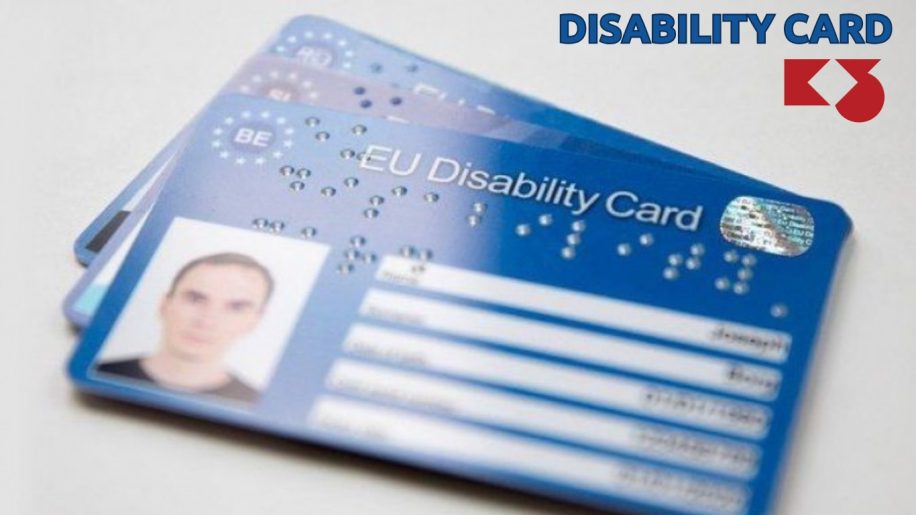
Find information about issuing a disability card here, and about free or reduced public transportation fares here.

The International Day of Persons with Disabilities reminds us that every action and every policy must be built on the principle of inclusion.
No one should be left behind.

Building more inclusive societies: From vision to practice

Creating a truly accessible environment requires:

  • Accessible cities and public services
  •  Training for professionals in health, social care, and customer service
  •  Accessible digital technologies
  •  Employment policies that enable active participation
  •  Awareness-raising and dialogue to combat stigma

Inclusion is not an act of “good will” — it is a prerequisite for social progress.

At the same time, the transition to a genuinely inclusive society is not instantaneous. It requires coordinated efforts from the State, civil society, and persons with disabilities themselves. Continuous evaluation, transparency, and meaningful participation are the foundations of lasting change.

Access is a right.
Every person deserves respect and equal opportunities.

Text/Adaptation: Ifiyenia Anastasiou for Kapa3

Sources