Modern Oncology: When Survival Is Not Enough

New therapies, “hidden” effects and the need to assess not only how long patients live, but how they live

Modern Oncology: When Survival Is Not Enough

New therapies, “hidden” effects and the need to assess not only how long patients live, but how they live

Modern oncology is changing at an unprecedented pace. Immunotherapies, antibody–drug conjugates (ADCs), bispecific antibodies and new targeted therapies are creating treatment opportunities that would have been unimaginable only a few years ago.

Cancer treatment is becoming increasingly personalised and tailored to the biological and molecular characteristics of each tumour, while overall survival is being extended for many people living with cancer.

Yet alongside this remarkable scientific progress, a critical question is emerging:

What does it really mean to live longer after — or with — cancer?

A recent Nature Medicine editorial, entitled “Oncology must confront hidden side effects”, highlights precisely this challenge. While cancer drug development is advancing at remarkable speed, the approaches used to record, assess and manage long-term treatment-related toxicities — and their impact on patients’ quality of life — have not evolved at the same pace.

When a “mild” side effect becomes a major burden

Therapeutic success can create a new reality: people are living longer, but some must also manage treatment-related adverse effects for months, years or even for the rest of their lives.

An adverse event classified clinically as low-grade is not necessarily insignificant to the person experiencing it.

A persistent rash, diarrhoea, stomatitis or other symptoms may substantially affect daily functioning, psychological wellbeing and social life when they continue over long periods.

Similarly, some immune-related adverse events associated with immune checkpoint inhibitors can become chronic, persist for years or even be irreversible.

This highlights an important limitation of the Common Terminology Criteria for Adverse Events (CTCAE), which are widely used to classify and grade treatment-related adverse events.

The duration of adverse events is not adequately reflected, while functional and psychological consequences may also remain outside traditional toxicity assessment.

As a result, what may be considered “manageable” according to conventional clinical criteria can feel very different to the patient living with it every day.

Quality of life cannot be an afterthought

A second important issue is the timing of quality-of-life evidence.

In some cases, quality-of-life findings are reported considerably later than the primary results of a clinical trial, and sometimes after a new drug has already been approved.

This means that patients making treatment decisions during the early years of a new therapy may not yet have a complete picture of how it could affect their daily functioning, emotional wellbeing and overall quality of life.

At the same time, the questionnaires and tools used to assess quality of life need to evolve continuously.

And this cannot happen without the direct involvement of patients themselves.

The experiences and priorities of people receiving treatment should form part of how treatment impact is assessed, rather than being treated as information that is added later.

The example of daraxonrasib

The Nature Medicine editorial highlights the pan-RAS inhibitor daraxonrasib as a telling example. The therapy has shown important survival benefits for patients with aggressive RAS-driven advanced pancreatic cancer, a setting in which treatment options have historically been limited.

At the same time, most patients experienced acneiform rash, with diarrhoea and stomatitis also reported as lower-grade treatment-related adverse events.

Full quality-of-life data — including information on daily functioning and emotional wellbeing — were not yet available because follow-up remained relatively short.

This example illustrates a much wider issue.

If we know that a therapy can significantly extend life, but we do not yet fully understand what that life will be like, an essential part of the information is missing from the conversation between patients and their healthcare teams.

This also has direct implications for informed consent.

Whenever evidence is available, patients need information not only about response rates and survival but also about the potential short- and long-term consequences of treatment for their everyday lives.

The same treatment is not experienced in the same way by everyone

The toxicity profile of a treatment is not identical for every patient.

It may vary according to the drug’s mechanism of action, a person’s physical condition, co-existing long-term conditions, genetic background and other individual characteristics.

Particular attention is needed for populations that have historically been excluded from, or underrepresented in, clinical trials, as their experiences of treatment-related toxicity may differ.

The editorial points, for example, to sex-related differences in adverse events associated with immunotherapy and racial disparities in adverse events observed with CAR-T cell therapy.

This makes real-world data particularly important.

Clinical trials remain fundamental to establishing the safety and efficacy of new treatments. However, broader use in everyday clinical practice may reveal treatment effects that were not fully captured in the populations included in initial studies.

One example is the bispecific antibody amivantamab in lung cancer, where the full extent and severity of some skin toxicities became clearer after a broader patient population was exposed to the treatment.

Moving beyond clinical silos

This changing landscape also demands a different approach to the organisation of cancer care.

The adverse effects of modern cancer therapies do not always fit within a single organ system or medical specialty.

Traditional clinical and disciplinary silos can limit the transfer of knowledge needed to identify, monitor and manage emerging toxicities effectively.

The response therefore needs to be interdisciplinary.

Collaborative networks, updated guidance, systematic reporting, dedicated registries and effective knowledge exchange are increasingly important so that new or rare adverse effects can be recognised early and managed appropriately.

Above all, the patient voice must be heard

Perhaps the most important change concerns how we define treatment success itself.

Survival remains a fundamental goal of oncology.

But it cannot be the only one.

We also need to understand whether people can work, move, sleep, eat, participate in family and social life, maintain as much independence as possible and manage the effects of treatment on their everyday lives.

In other words, we need to know not only how much time a treatment adds to life, but also what that time means to the person living it.

Patients should therefore not enter the process only at the end, as recipients of treatment.

Their perspectives need to be incorporated from the design of clinical trials and assessment tools through to post-approval monitoring and the real-world use of new cancer therapies.

From survival to living after — and with — cancer

Progress in oncology is undeniable, and it brings genuine hope.

The next challenge is to ensure that longer survival is accompanied by quality of life, functioning, meaningful information, participation and dignity.

Modern cancer care therefore needs to move beyond asking only:

“How much longer can this patient live?”

and give equal importance to another question:

“How will this person live during that additional time?”

For Kapa3, this discussion goes to the heart of truly person-centred cancer care: care that sees not only the disease and the treatment, but the person, their everyday life, their needs, their choices and the life that continues during and after cancer.

Source and references

Main source:
Nature Medicine. “Oncology must confront hidden side effects.” Volume 32, July 2026. Published online 8 July 2026. DOI: 10.1038/s41591-026-04554-9.

  1. Barron CC et al. Journal for ImmunoTherapy of Cancer. 2023;11.
  2. Gyawali B et al. Lancet Oncology. 2025;26–e89.
  3. O’Reilly EM et al. New England Journal of Medicine. 2026. DOI: 10.1056/NEJMoa2605555.
  4. Unger JM et al. Journal of Clinical Oncology. 2022;40:1474–1486.
  5. Rayapureddy AK et al. Journal of Clinical Oncology. 2026;44.
  6. Hines MR et al. Transplantation and Cellular Therapy. 2023;29:438.e1–438.e16.

find more s41591-026-04554-9
“Myrto” under Scientific Evaluation: Transparency, Evidence and Human Oversight in Social Navigation for Oncology Patients

“Myrto” under Scientific Evaluation: Transparency, Evidence and Human Oversight in Social Navigation for Oncology Patients

The first closed scientific testing workshop of the Digital Health and Social Rights Navigator has been completed

Athens, 6 July 2026

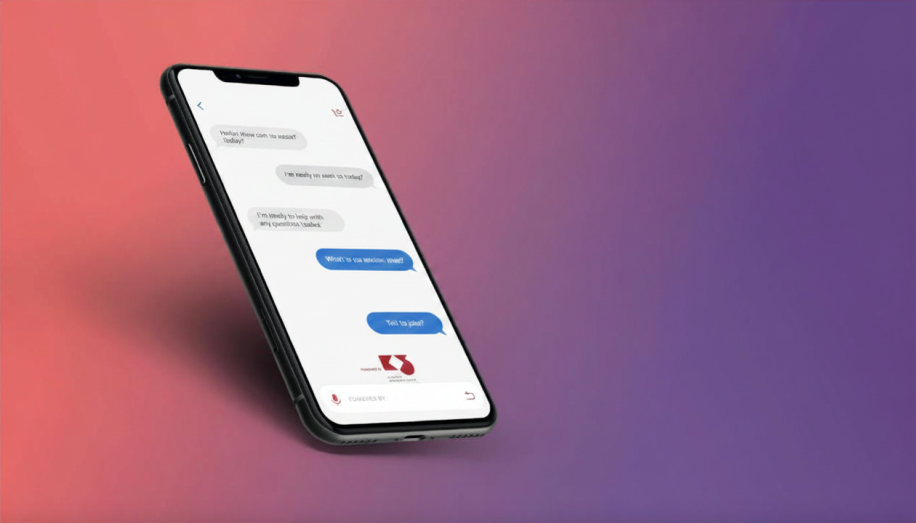
The first closed scientific testing and evaluation workshop of “Myrto”, the Digital Health and Social Rights Navigator developed by the Cancer Patient Guidance Centre – Kapa3, was successfully completed.

The workshop was organised by the Cancer Patient Guidance Centre – Kapa3, with the support of René Descartes – Cnam College and the participation of SimasiaAI. It functioned as a dynamic scientific co-design workshop, bringing together specialised professionals from the fields of healthcare, social care, information technology and personal data protection.

The process was closed and strictly experimental in nature and did not constitute a public presentation of a completed product. Its purpose was to evaluate the behaviour of the application through hypothetical and fully anonymised scenarios, to record correct responses and areas requiring improvement, and to use expert feedback for the next phase of development.

The project “Myrto – Health and Social Rights Navigator” is being developed as a knowledge-based digital social navigation system, guided by the principles of explainable, transparent and human-centred Artificial Intelligence.

Its aim is to transform complex legal, administrative and social information into clear, evidence-based and practically useful guidance for oncology patients, caregivers and citizens.

“Myrto” does not replace professional social, legal, medical or clinical judgement. It operates as a supportive information and navigation tool, with clearly defined functional boundaries, human oversight and the possibility of referral to the competent services and professionals of Kapa3.

The programme is implemented with the support of the TIMA Charitable Foundation.

From Information to Understandable Knowledge

During the workshop, the need that led to the creation of “Myrto” was presented, along with the real barriers faced by patients and caregivers when seeking information on social rights, benefits and administrative procedures.

Particular emphasis was placed on addressing digital and informational exclusion. “Myrto” is designed to transform fragmented and often difficult-to-understand information into simple, structured and comprehensible guidance.

A Thematically Specialised and Curated Knowledge Base

The project’s technical partner, SimasiaAI, presented the operation of the application and the architecture used for information retrieval and synthesis.

“Myrto” uses a hybrid search mechanism that combines text retrieval and semantic search techniques, with the aim of identifying the information most relevant to the user’s question. The application operates on a thematically specialised and curated knowledge base.

A central element of its design is the traceability of information, namely the ability to link an answer to the source on which it is based. The use of validated sources reduces the risk of unsupported responses and enables the identification, review and correction of issues through a process of continuous maintenance, regular updating and adaptation to evolving guidelines and regulatory requirements.

Explainability and Human-Understandable Answers

The evaluation did not focus only on whether “Myrto” retrieves the correct information, but also on whether it can present that information in a clear, understandable and conceptually coherent way.

This approach strengthens trust, responsible use of the tool and the meaningful empowerment of citizens through a response-generation system that supports a transparent, evidence-based and human-supervised knowledge ecosystem, in which every piece of information is understandable, verifiable and connected to its source.

Data Protection and Compliance by Design

Personal data protection and regulatory compliance are embedded from the design stage of the application, in accordance with the principles of data protection by default and by design.

During the workshop, only hypothetical or fully anonymised cases were used. Particular emphasis was placed on the principles of data minimisation, anonymisation and secure processing. These principles are directly linked to contemporary requirements for the responsible development of Artificial Intelligence systems, the protection of special categories of data and compliance with the European regulatory framework.

Live Testing of Hypothetical Scenarios

The professionals who participated in the workshop tested the application individually and in small groups, using only hypothetical and fully anonymised cases. The testing was based on an approach that evaluated the behaviour of the system, examining not only whether the final answer was correct, but also whether the overall operation of the application was safe, understandable and appropriate for the specific request.

Disability Certification through KEPA

In one of the key scenarios, “Myrto” was asked to guide a hypothetical patient who did not know how to start the disability certification procedure through KEPA. The system retrieved the main steps of the process, organised the information in an understandable format and provided relevant references to the sources.

Participants evaluated:

  • the accuracy of the information,
  • the completeness of the steps,
  • the clarity of the language,
  • and the practical usefulness of the answer.

Travel from the Region for Treatment

In a second scenario, the case of an oncology patient who needed to travel from the region to another location for treatment was examined. The application identified relevant categories of socioeconomic support and benefits and presented possible next steps to the user.

The test allowed participants to assess:

  • the correct identification of the request,
  • the connection between different rights and benefits,
  • the completeness of the sources,
  • and the possibility of referral to the appropriate services.

At the same time, cases were also examined in which:

  • the question was unclear or incomplete,
  • the user did not know which right or benefit to look for,
  • clarifying questions were required,
  • medical or personalised legal advice was requested,
  • or immediate human intervention was necessary.

A Continuous Cycle of Scientific Feedback

The meeting concluded with a discussion of the testing results, a review of the technical logs and the presentation of key usage statistics for the application.

The participants’ observations are not treated as isolated comments, but as structured scientific feedback for improvement. In this way, a closed cycle of learning and feedback is created, in which technology, scientific knowledge and the experience of professionals interact continuously.

The continuous involvement of experts and the integration of structured feedback are considered critical for strengthening transparency, reliability and trust in Artificial Intelligence systems used in sensitive fields.

The Interdisciplinary Project Team

The development, scientific documentation and regulatory compliance of “Myrto” are supported by an interdisciplinary team from the fields of health services administration, information technology, personal data protection, language technology and software development. The workshop was attended by:

Evangeli Bista, Co-founder of Kapa3 and Head of Strategic Partnerships; Aristea Archontidou, Industrial Informatics Engineer with postgraduate specialisation in Health Policy and Health Services Planning; Anastasia Vlachopoulou, lawyer and member of the Thessaloniki Bar Association, specialised in personal data protection; Dimitris Papadakis, Co-founder and Sales Manager at SimasiaAI and Project Manager of the “Myrto” project; and Giannis Barous, Co-founder and CTO of SimasiaAI, PhD candidate in Computer Science based in San Francisco, who has undertaken the technical component of the project: how the system identifies the right information, how it connects it with reliable sources and how it provides answers that are evidence-based, useful and safe.

About Kapa3

The Cancer Patient Guidance Centre – Kapa3 is a social support, information and navigation organisation for oncology patients, survivors, caregivers and their families. Its aim is to contribute to equal access to oncology care, social protection and the rights associated with the cancer experience.

Every day, Kapa3 supports people who face not only the disease itself, but also a range of practical, administrative, social and psychosocial challenges. Through personalised social guidance, the organisation helps patients and caregivers learn about their rights, understand available benefits and services, navigate administrative procedures and connect with appropriate support structures.

The main pillars of Kapa3’s work include information on social and insurance rights, support in accessing health and social care services, guidance on benefits and procedures, empowerment of patients and caregivers, and connection with professionals, organisations and communities.

As part of its digital strategy, Kapa3 develops digital empowerment and social navigation tools, such as “Myrto”, the Digital Health and Social Rights Navigator. “Myrto” is designed to transform complex legal, administrative and social information into clear and evidence-based guidance for oncology patients, caregivers and citizens, always with human oversight, transparency and respect for the limits of technology.

Kapa3’s philosophy is based on the principle that care is not limited to medical treatment. It includes access to information, social protection, psychosocial support, dignity, empowerment and the ability of every person to know and claim their rights.

Through collaborations with health and social care professionals, academic and research institutions, civil society organisations, public structures, volunteers and communities, Kapa3 seeks to build bridges between the patient, information, services and real access.

Health at a Glance 2025: What the Latest OECD Findings Reveal About Greece

The annual Health at a Glance 2025 report by the Organisation for Economic Co-operation and Development (OECD) presents the most recent comparative indicators on population health and health system performance across member countries.
The report examines key dimensions such as population health status, access to and quality of care, health inequalities, health spending, and workforce trends.

Internationally, the data show a partial post-pandemic recovery, while highlighting persistent challenges:

  • Obesity continues to rise (affecting 54% of adults).
  • Around 3 million premature deaths under the age of 75 could have been prevented through better prevention and care.
  • Spending on prevention has dropped back to only 3% of total health expenditure after peaking during the pandemic.
  • Health expenditure remains high, averaging 9.3% of GDP across OECD countries.

Within this broader landscape, the findings for Greece are particularly significant.

Key Findings for Greece
  1. Public satisfaction with health services: among the lowest in Europe

Across OECD countries, an average of 64% of citizens report being satisfied with the availability of high-quality health services.

In Greece, however, less than half of the population expresses satisfaction — one of the lowest rates among OECD members. Similar low levels are found in Italy, Hungary, Turkey, Chile, and Colombia.

  1. Unmet medical needs: some of the highest inequalities

Across 28 OECD countries, only 3.4% of people on average reported unmet medical needs due to cost, distance, or waiting times.

In Greece, this figure reaches 12.1%, among the highest in the OECD.

Additional findings include:

  • Over 8% of the population in Greece, Canada, Finland, Estonia, and Latvia reports unmet medical needs.
  • Greece presents some of the largest socio-economic inequalities in access.
  • Among people in the lowest income quintile in Greece, one in six does not receive the medical care they need.
  • Cost is the biggest barrier to accessing care.
  1. Health spending and out-of-pocket payments: heavy burden on households

Across OECD countries, out-of-pocket payments account for roughly 20% of all health expenditure.

In Greece, households cover more than one-third of total health spending — among the highest levels internationally, alongside Mexico, Chile, and Latvia.

  1. Remuneration of health professionals: low levels

Earnings for self-employed medical specialists exceed USD 300,000 in countries such as Germany, Austria, and South Korea.

Conversely:

  • Bulgaria reports the lowest remuneration levels.
  • Greece records earnings of USD 65,000–75,000 for salaried specialist doctors — comparable to Mexico, Colombia, and Costa Rica.
What these findings mean

The OECD data clearly illustrate that Greece faces:

  • A high financial burden on patients and households.
  • Barriers to access, particularly for lower-income groups.
  • Gaps in service availability and quality.
  • Deepening structural inequalities within the healthcare system.

For organisations such as Kapa3, these findings reaffirm the importance of:

  • providing continuous guidance and support to patients and caregivers,
  • advocating for equitable access to health services,
  • promoting policies that reduce financial and social inequalities in healthcare.

Sources

OECD – Health at a Glance 2025: OECD Indicators

Text/Adaptation: Ifiyenia Anastasiou for Kapa3