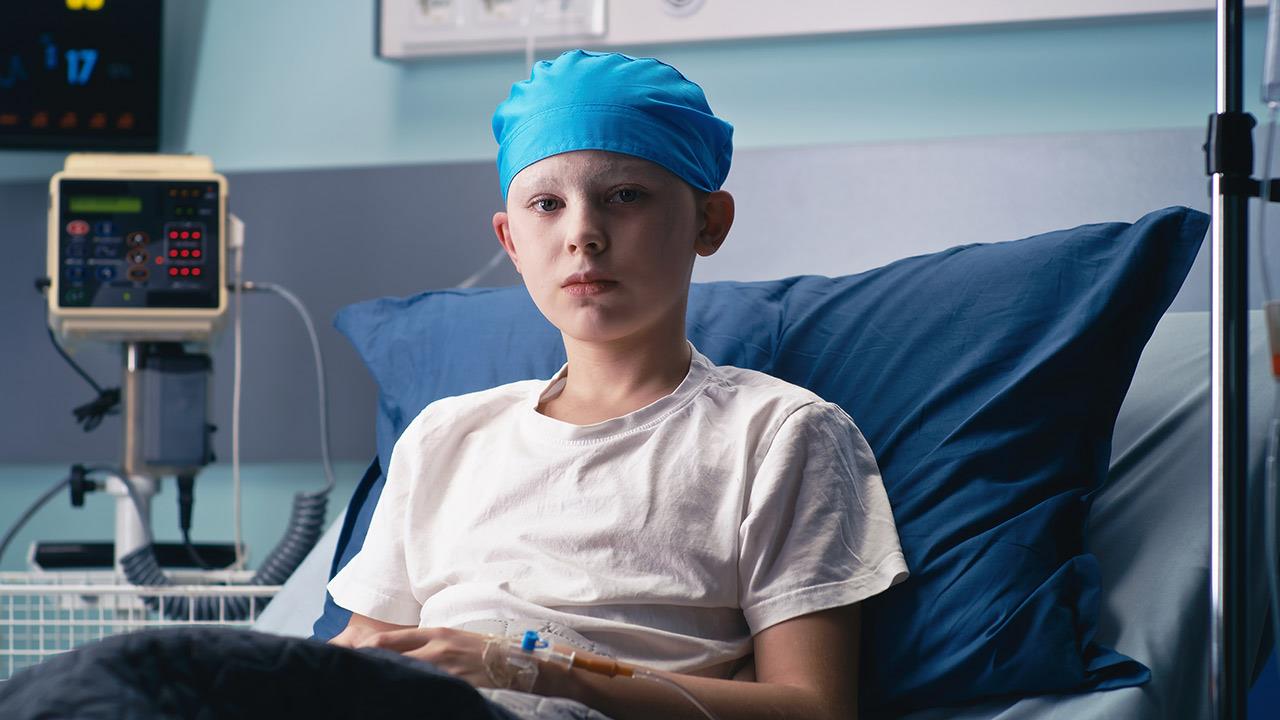
February 15 is dedicated to International Childhood and Adolescent Cancer Day, a day to raise awareness for children and adolescents facing cancer and for the families who stand by them through this particularly challenging journey.
Globally, over 400,000 children and adolescents aged 0–19 are diagnosed with cancer each year. In high-income countries, more than 80% of children survive thanks to medical advancements and improved treatment protocols. However, inequalities in access to timely diagnosis and appropriate care remain significant. The World Health Organization has set a goal to improve survival rates worldwide by 2030 by strengthening healthcare systems and access to treatment.
In Greece, approximately 300–350 children are diagnosed with cancer each year, with leukemia and central nervous system tumors being the most common types. Survival rates have improved significantly in recent decades, highlighting the importance of specialized medical and psychosocial care.
The experience of cancer at such a young age does not end with the completion of treatment. It often leaves an imprint that accompanies children into adulthood — a stage where challenges change form but the need for support remains.
FROM ADOLESCENCE TO YOUNG ADULTHOOD: THE NEED FOR CONTINUOUS CARE
Young adults aged 18–35 who have experienced cancer form a particularly vulnerable and often “invisible” group, situated between pediatric and adult oncology care. A diagnosis or long-term effects of the disease during this life stage can deeply impact independence, education, work, relationships, and future plans.
References
World Health Organization (WHO). Childhood cancer – Key facts. https://www.who.int/news-room/fact-sheets/detail/cancer-in-children
World Health Organization (WHO). Global Initiative for Childhood Cancer. https://www.who.int/initiatives/global-initiative-for-childhood-cancer
International Agency for Research on Cancer (IARC). Global Cancer Observatory – Childhood Cancer Data. https://gco.iarc.fr
Hellenic Society of Pediatric Hematology and Oncology (EEPAO). https://www.eepao.gr
Text/adaptation: Ifiyenia Anastasiou for Kapa3