Evangeli Bista Joins the PATH Expert Group as an Independent Expert: Bringing the Patient Perspective into the New Era of AI in Cancer Care

A new contribution to the European dialogue on safe, responsible and human-centred Artificial Intelligence in healthcare

Evangeli Bista, Co-founder and Head of Operations and Development of Kapa3 – Cancer Guidance Centre, has been invited to join the Expert Group of the European research and innovation project PATH – Patient AI Treatment Hub as an independent expert.

Her participation is undertaken in a personal and independent capacity, with her professional affiliation to Kapa3 – Cancer Guidance Centre, creating an opportunity to bring into the European dialogue experience gained through direct engagement with people affected by cancer, survivors, caregivers and healthcare professionals. The PATH Terms explicitly define Expert Group members as acting independently rather than as partners, employees, agents or subcontractors of the Consortium.

What is PATH – Patient AI Treatment Hub?

PATH – Patient AI Treatment Hub is a European research and innovation project focused on supporting the safe and effective integration of Artificial Intelligence into cancer care through the development of a secure, interoperable and privacy-preserving digital platform.

The project aims to explore how Artificial Intelligence tools can be safely integrated into cancer-care pathways, supporting healthcare professionals and contributing to more personalised approaches while safeguarding privacy and health data.

At the heart of this effort lies a critical question:

How can technological innovation create meaningful value for patients while preserving trust, human oversight, safety and equity?

Participation in the PATH Expert Group

As a member of the PATH Expert Group, Evangeli Bista will contribute independent expertise, opinions, input, comments and feedback in relation to selected project use cases and activities.

The experience developed through Kapa3’s work can contribute to discussions around issues such as:

  • patient-centred cancer care,
  • patient navigation across health and social-care systems,
  • equitable access to information and services,
  • health and digital literacy,
  • health and social rights,
  • responsible use and protection of health data,
  • transparency and human oversight in Artificial Intelligence systems,
  • meaningful involvement of patients and civil society in technology design,
  • and translating technological innovation into real value for people.

Why the Patient Voice Must Be Part of Innovation

Artificial Intelligence is creating new possibilities for healthcare and cancer care. At the same time, its growing use raises important questions concerning trust, transparency, safety, equitable access and human oversight.

For Kapa3, the development of a digital solution cannot begin solely with the question of what is technologically possible.

It must also ask:

What does the patient actually need?

Can people understand the information they receive?

Do they know where that information comes from?

Can they trust the system?

Is it clear when Artificial Intelligence is being used and when human professional judgement is required?

Could digital inequalities lead to new inequalities in healthcare?

And ultimately, does innovation genuinely improve the experience and pathway of a person facing cancer?

These are questions that we believe should remain at the centre of the European discussion on Artificial Intelligence in healthcare.

Kapa3’s experience in digital health

Evangeli Bista’s participation in the PATH Expert Group comes at a time when Kapa3 is systematically expanding its work in digital health, patient navigation and the responsible use of emerging technologies to support people affected by cancer.

This broader work also includes MYRTO – Digital Navigator for Health and Social Rights, an independent Kapa3 initiative developed to help transform complex and often fragmented information on rights, benefits and administrative procedures into more accessible, structured and evidence-based guidance for patients and caregivers.

MYRTO is not part of PATH, and the two initiatives are independent from one another.

However, the experience of developing patient-facing digital services has reinforced several principles that Kapa3 considers essential:

reliable information, transparent sources, understandable communication, data protection, human oversight and a clear pathway to professional support when technology alone is not enough.

This distinction is also important from an intellectual-property perspective, since the PATH Terms preserve intellectual property that exists independently of the Expert’s Services and is not incorporated into PATH Contributions.

From information to trust

Digital transformation in healthcare is not simply about more data, more algorithms or more applications.

It is about creating greater understanding, better access and stronger trust.

For a person facing cancer, information has value when it can be translated into a meaningful next step.

Technology has value when it reduces — rather than increases — complexity.

And Artificial Intelligence has value when it strengthens, rather than replaces, human care, professional judgement and the patient’s ability to participate meaningfully in decisions affecting their life and health.

A new opportunity to contribute to the European dialogue

For Kapa3, the invitation to Evangeli Bista to participate as an independent expert in the PATH Expert Group represents an important opportunity to bring into the European dialogue experience, needs and concerns emerging from the real-world context of cancer care and patient support.

The objective remains clear:

Artificial Intelligence in healthcare should advance with safety, transparency, responsibility, equitable access and meaningful involvement of the people it is designed to serve.

Because innovation creates real value when it is designed with people and for people.


PATH – Patient AI Treatment Hub | At a glance

Field: Artificial Intelligence and data in cancer care
Project: PATH – Patient AI Treatment Hub
Focus: Safe and effective integration of AI into cancer care through secure, interoperable and privacy-preserving approaches.
Expert Group: Independent external experts providing expertise, opinions, input, comments and feedback to the Project.
Independent Expert: Evangeli Bista
Professional role: Co-founder & Head of Operations and Development
Affiliation: Kapa3 – Cancer Guidance Centre
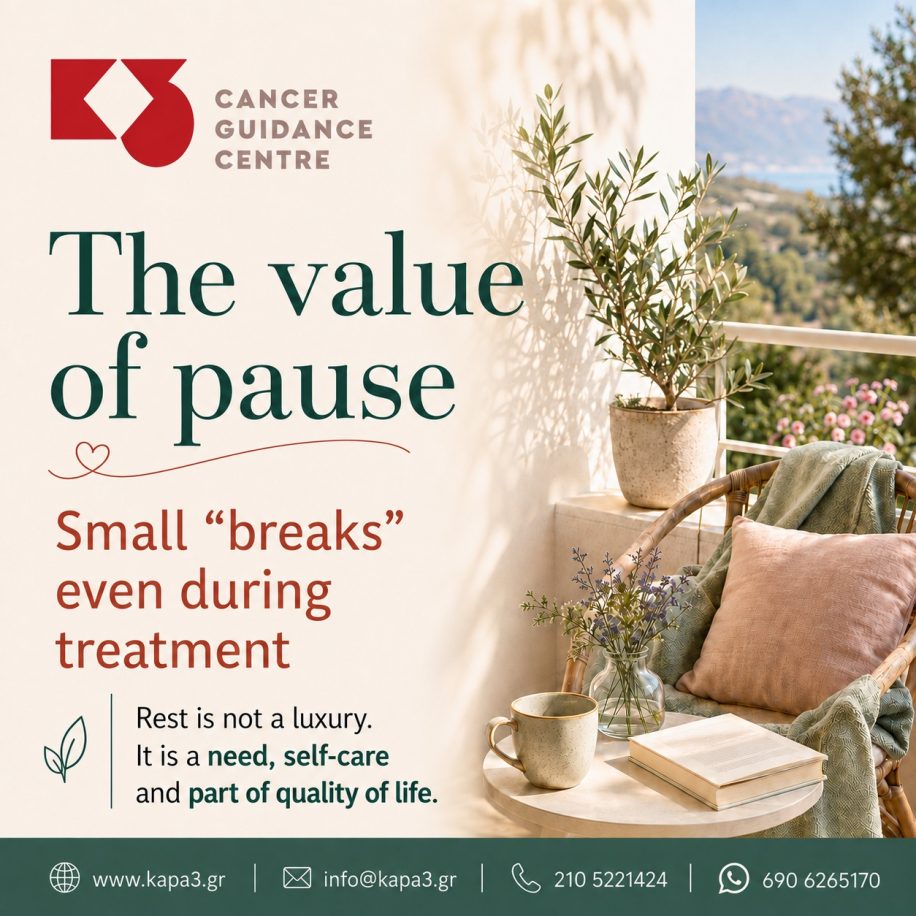
 

The Value of Pause: Why We Need to “Disconnect” Even During Treatment

Summer is often associated with the idea of holidays. Images of the sea, travel, and carefree moments fill our daily lives, creating the impression that rest requires a suitcase, a destination, and distance from obligations.

However, for cancer patients who are undergoing treatment, recovering from surgery, or waiting for test results, holidays are often not possible. Medical appointments, treatments, side effects, physical fatigue, and uncertainty about one’s health can make travelling difficult or even impossible.

And yet, the need for rest does not diminish. On the contrary, it often becomes even more important.

Perhaps, then, it is worth redefining what a “holiday” means. Not as travelling somewhere else, but as the ability to pause, even briefly, the relentless cycle of stress, worry, and constant vigilance that often accompanies serious illness. It can be a reminder that life is not only about the disease.

Rest is not a luxury — it is a need

Recent scientific literature shows that people need periods of recovery in order to maintain psychological and physical balance. Recovery is not simply “resting”; it is a process through which the body reduces the physiological and psychological burden caused by chronic stress.

In psychology, the term psychological detachment is used to describe the mental ability to step away from sources of pressure. This means allowing oneself, even for a short while, not to think constantly about what feels overwhelming.

Research by Sonnentag, Binnewies, and Mojza (2010) showed that psychological detachment is associated with lower emotional exhaustion, better mood, and greater resilience in everyday life. Similarly, Fritz and colleagues (2010) found that people who are able to mentally disengage from stress experience higher levels of well-being, energy, and functioning.

Although these studies were mainly conducted among workers, the underlying mechanism applies to every person: when the brain remains in a constant state of alert, it struggles to recover its strength.

In this sense, these small pauses matter not because they make us “forget” the illness, but because they give the brain an opportunity to step out, even temporarily, of a continuous state of alarm.

When illness takes over every thought

The experience of cancer is not limited to treatment days. It often affects everyday life as a whole. Thoughts about tests, medical decisions, bodily changes, work, family, and the future may accompany a person from morning to night.

This constant mental vigilance is exhausting in itself.

International guidelines from the National Comprehensive Cancer Network (NCCN) recognise that psychological distress is a common part of the cancer experience and recommend integrating psychosocial support into overall patient care. Likewise, guidelines from the American Society of Clinical Oncology (ASCO) and the European Society for Medical Oncology (ESMO) emphasise that mental health care and quality of life are essential parts of cancer management.

Holidays are not always about travelling

It is easy to believe that rest requires a trip. Yet scientific research suggests that the greatest benefit of holidays does not necessarily come from the destination itself, but from a change of pace and temporary distance from stressors.

Nawijn and colleagues (2010) found that people tend to feel greater well-being shortly before and during holidays, but that this feeling often fades relatively soon after they return.

This finding reminds us of something important: psychological renewal does not depend only on a few days of holiday each year, but also on the small moments of relief that we can create in everyday life.

For someone undergoing treatment, these moments may be even more valuable.

What does it mean to “pause” as a cancer patient?

To pause does not mean ignoring reality or neglecting one’s health. It means allowing oneself to remember, even for a little while, that life is not only about illness.

This may include:

  • a few quiet minutes on the balcony or in the garden,
  • a short walk in nature, when possible,
  • listening to favourite music,
  • reading a book,
  • engaging in a creative activity,
  • spending time with people who make us feel safe,
  • a few minutes of relaxation or mindful breathing, when appropriate for one’s health condition.

These moments do not change the diagnosis. But they can change the experience of the day.

The importance of quality of life

In modern oncology, quality of life is now considered a key therapeutic goal. Treating the disease is not enough; it is equally important for the person to maintain as much functionality, autonomy, emotional balance, and sense of meaning as possible.

This importance is also reflected in the value framework for cancer treatments developed by the American Society of Clinical Oncology (ASCO). According to this framework, the value of a treatment is not determined solely by its effectiveness, but also by its toxicity, its impact on quality of life, and the personal priorities and preferences of the patient.

This highlights the importance of personalised, patient-centred care, in which the person’s everyday experience is an essential part of the therapeutic process.

Within this perspective, small moments of pause, the continuation of pleasant activities, and connection with what brings joy are not secondary aspects of life. They are meaningful elements that contribute to preserving quality of life. They are not luxuries, signs of weakness, or attempts to avoid reality. They are forms of self-care.

The same applies to family caregivers, who often experience high levels of emotional and physical burden. Taking some time for their own rest is not selfishness; it is a necessary condition for continuing to support their loved one in a meaningful way.

The value of a small pause

The experience of cancer often extends beyond the limits of the disease itself, affecting a person’s self-image, social roles, and daily life. Intense psychological distress and uncertainty can gradually allow the illness to occupy more and more space in life.

In this context, psycho-oncological education appears particularly important. Its aim is to help patients and family caregivers understand the emotional reactions that naturally accompany diagnosis and treatment, develop more effective coping strategies, and actively participate in treatment decisions.

In this way, the sense of control and self-efficacy is strengthened, while also preserving the sense that a person remains something more than their illness.

When health does not allow for travel, it is easy to feel deprived of something important. Yet perhaps the essence of a holiday lies not in the distance we travel, but in the distance we allow ourselves to take from stress.

To “pause” does not mean to stop being a patient. It means allowing oneself, even for a little while, to be something more than the illness.

Perhaps, in the end, the most meaningful holidays are not those that take us far from home, but those that allow us to rest the body, calm the mind, and turn toward ourselves with greater care.

A peaceful sunlit balcony with a chair, a book, a cup, flowers, and an olive tree, illustrating the importance of small moments of rest and self-care during cancer treatment.

By Marilia Barka
Psychology Student
Kapa3 Volunteer

DISABILITY CARD OR TRANSPORTATION PASS FOR PEOPLE WITH DISABILITIES 2026. WHAT BENEFICIARIES NEED TO KNOW.

The new explanatory circular regarding transportation for people with disabilities (PWDs) for 2026 has raised several questions among beneficiaries and their families who are trying to understand what the current rules are. The most common question is: “I have the plastic Disability Card. Do I also need to get a PWD Transportation Pass?”

The answer is that the Disability Card has not completely replaced the Transportation Pass. Both of these documents remain valid simultaneously, and the need for one or the
other depends on the mode of transportation used by each eligible person. To make this clearer, here’s what applies in each case.

Athens and Thessaloniki: The Disability Card can be used for urban travel

For travel on OASA transit in Athens and OSETH transit in Thessaloniki, the plastic Disability Card can be used by eligible beneficiaries.

Cardholders can travel by validating their card at the designated machines, without needing to obtain a
separate Travel Pass specifically for these transit services.

The following are required:

  • the Disability Card must be valid,
  • must bear the designated disability level II or III designation,
  • or the beneficiary must receive disability financial assistance from OPEKA,
  • and income criteria must be met where required.

URBAN KTEL BUSES IN THE PROVINCE: THE TRAVEL PASS REMAINS NECESSARY

This is the point that has caused the most confusion. Possession of a Disability Card does not mean that
the Travel Pass is no longer required for all trips.

For urban KTEL buses operated by the Regional Units, as well as by the municipalities of Kos and
Rhodes, a Mobility Card for People with Disabilities is required, even if the beneficiary holds a Disability Card.

Therefore, those who use urban KTEL buses in their area should apply:
– at the Citizen Service Centers (KEP),
– or at the relevant offices of the Regional Unit.

FOR 2026, THE PROCESS BEGINS ON JULY 1, 2026, AND ENDS ON NOVEMBER 30, 2026.
Intercity Buses (KTEL): 50% Discount on Fares

For travel on intercity buses (KTEL)—that is, for trips from one city to another—a 50% discount is available.
The discount can be obtained with:
– A valid Disability Card,
– or a Transportation Pass for People with Disabilities.

Thus, for intercity routes, the beneficiary has more options.

Are there income criteria for free transportation?

One point that often causes confusion concerns income. There are no income criteria for issuing the Disability Card.

The income limits apply to eligibility for free transportation.

For 2026, the limits are as follows:
– individual taxable income up to 23,000 euros,
– declared family income up to 29,000 euros.

The family income limit increases by 5,600 euros for each additional person with a disability of 67% or higher who lives with and is financially dependent on the taxpayer.

It is important to note that: OPEKA disability benefits are not included in the above income limits. A relevant certificate from OPEKA may be required to exclude them.

Who is exempt from the income criteria?

People who are totally blind are exempt from the income criteria.

What applies to the companion?

In many cases, a companion is also entitled to travel.
If the Disability Card is marked with an “S” (Companion):

in Athens and Thessaloniki, the companion travels with the cardholder upon a single validation of the card. For KTEL buses, however, the prescribed procedure and the corresponding Companion Travel Pass are required where necessary.

So, what do beneficiaries need to keep?

The Disability Card is a significant benefit, but it does not mean that the Travel Pass is being
eliminated.
In simple terms:
Disability Card:
✔ Athens and Thessaloniki
✔ Intercity KTEL buses for a 50% discount
Travel Pass:
✔ Provincial KTEL buses
✔ Situations where a companion’s entitlement is required
✔ Those who do not have a Disability Card

At Kapa3, we believe that accurate information can save time, trips, and unnecessary hassle,
especially for people who already face increased challenges due to a disability or a serious illness.

View the circular here: TRANSPORTATION 2026
DISABILITY CIRCULAR

For more information, please don’t hesitate to contact the Kapa3 team:

📍Athens: 13 Kosti Palama, 3rd floor, (9:00 AM – 5:00 PM)
📍13 Kosti Palama, 11141 Athens
☎️210 5221424
📱6906265170
www.kapa3.gr, info@kapa3.gr

Head and Neck Cancer: The Importance of Early Diagnosis and Prevention.

July 27 has been designated as World Head and Neck Cancer Day (WHNCD). The initiative was launched on July 27, 2014, during the 5th World Congress of the International Federation of Head and Neck Oncology Societies (IFHNOS) in New York, with the goal of raising awareness, education, and the
promotion of prevention. The declaration is supported by dozens of scientific communities worldwide, governments, and, most notably, the UICC (Union for International Cancer Control).

What is Head and Neck Cancer?
This type of cancer includes tumors located in the oral cavity, the lips, the pharynx, the larynx, the
salivary glands, the thyroid gland, the skin of the region, and the cervix.

In terms of prevalence, it is the fifth most common cancer worldwide. Seventy-five percent of cases are located in the mouth and pharynx, while the most common histological type is squamous cell carcinoma (HNSCC). For example, more specifically in Greece in 2012, 1,350 new cases were recorded, a figure that accounted for 3.3% of all new cancer diagnoses in the country.

Based on these percentages, 30% of cases occur in the tongue, 20% on the lip, 15% on the floor of the
mouth and in the larynx, and 10% in the pharynx.

Risk Factors

Understanding the factors that increase the risk is the first step towards prevention. Everyday habits, such as smoking and alcohol consumption, place a significant strain on the body. In particular, 70 per cent of those affected are long-term smokers, with current smokers facing a 300 per cent higher risk. When
smoking is combined with alcohol, the two have a negative synergistic effect, multiplying the likelihood of developing the disease. At the same time, in recent years there has been an increase in HPV-positive cancers, mainly of the pharynx, which often occur in younger people with no history of smoking or
alcohol consumption. Finally, it is worth noting that up to 25 per cent of cases are observed in patients who have never smoked and have no other known risk factors.

Suspicious lesions and symptoms

Delay in diagnosis is the most unfavourable prognostic factor. Conversely, 85–90 per cent of cases can be
cured if diagnosed at an early stage.

Suspected precancerous lesions

Particular care is required when identifying suspected precancerous lesions in the oral cavity. These
include leukoplakia, a white patch of unknown aetiology that does not flake off, in which, in 20–25 per
cent of cases, cancer or severe dysplasia is present. Even more dangerous is erythroplakia, where the rate
of co-occurrence with cancer or severe dysplasia reaches 90 per cent. At the same time, suspicious lesions
include punctate leukoplakia, as well as any chronic ulcer – that is, a sore that is not caused by any
obvious injury and remains unhealed for more than two weeks.

Symptoms requiring medical assessment

There are also certain suspicious symptoms that necessitate immediate assessment by a doctor. These include any unexplained swelling, lump or puffiness in the mouth or throat area, as well as persistent pain when chewing, swallowing or speaking, or pain that radiates to the ear. Furthermore, symptoms such as hoarseness, a change in the tone of the voice, and unexplained bleeding inside the mouth are signs that
should not be ignored.

Prevention and Screening
Screening is particularly important for people over the age of 45, smokers, people who drink alcohol, or
those with a history of HPV infection. Screening involves four simple steps:
1. Neck: Palpation of the lymph nodes and the thyroid gland.
2. Lips: External examination.
3. Mouth: Examination of the tongue, floor of the mouth, cheeks, gums and soft palate.
4. Pharynx: Examination of the tonsils, soft palate and base of the tongue.

The importance of early intervention

Despite advances in surgery, radiotherapy and chemotherapy, the 5-year survival rate remains at around 60 per cent. Furthermore, treatments for advanced-stage disease can affect patients’ quality of life, causing functional (difficulty speaking, chewing, swallowing and breathing), aesthetic or psychological problems.

The Active Role of Patient Organizations in Shaping Public Policy: How Our Health Advocacy Ef orts Are Put into Action

At the Cancer Patient Guidance Center, we believe that the voices of patients, their families, and the organizations that represent them must be heard loud and clear where decisions are made.

Improving the quality of life for cancer patients, ensuring access to new treatments, and meeting the needs of caregivers are not just requests but rights that are asserted through organized advocacy. To make this a reality, the right tools are needed.

The new “Guide to Mapping Public Consultation Tools”

As part of the “ENERGO – Toward an Open State” project, HIGGS has created a practical guide that maps the available mechanisms for participation at the local, national, and European levels.

This guide serves as a roadmap for Civil Society Organizations (CSOs), providing a detailed overview of:
• How institutional consultation tools function
• The opportunities for organizations to actively participate in policy-making
• The requirements for accessing these mechanisms
• The challenges and limitations, so that our interventions are well-informed and effective

Why might this be of interest to the beneficiaries of our Center?

Participation in shaping public policy is not an abstract concept. In cancer care, it translates into very specific changes:
1. Equal access to care: advocating for better infrastructure, shorter wait times, and free access to innovative medications.
2. Support for caregivers: establishing leave policies, benefits, and support systems for the people who stand by their side
3. Rights in the workplace: protecting cancer patients from discrimination in the workplace during and after treatment.

Summary & Structure of the Public Consultation Tools Guide

The “Public Consultation Tools Guide” was developed as part of the project “ENERGO – Toward an Open State” (implemented by HIGGS and co-funded by the European Union, the Bodossaki Foundation, and the NGO Support Centre). It is a practical reference tool designed to empower civil society organizations (CSOs) by strengthening their capacity for meaningful, evidence-based participation in public policy-making and strategic advocacy.

The guide is organized into the following sections:

1. Introduction & Institutional Landscape: This section presents the framework for the guide’s development, which was based on research and experiential tools involving dozens of civil society organizations. It analyzes the challenges of the institutional landscape, noting that the main obstacle for organizations is not the absence of tools, but rather the fragmentation, lack of visibility, and complexity of existing mechanisms,

2. National Tools for Public Consultation & Participation: maps and presents in detail the tools available in Greece, such as OpenGov, the KEDE & LocalWatch consultation platform, Vouliwatch, the YPEN Participation Platform, the National Register of Procedures (“Mitos”), Open Council & Crowd Participation, as well as Diafania & POTHEN.

3. European Public Consultation & Participation Tools: presents mechanisms for engagement at the European Union level, such as Have Your Say, the European Citizens’ Initiative (ECI), Consul Democracy, Loomio & Decidim, and others.

4. Tool Selection Guide & Conclusions: Provides consistent evaluation criteria (purpose, implementing body, prerequisites, limitations) so that each organization can select the most appropriate tool based on the objective of its engagement.

About the “ENERGO” Project & the PLATO Program

The “ENERGO: Toward an Open State – Participation, Advocacy, and Empowerment of Civil
Society Organizations” project is being implemented as part of the PLATO program, with HIGGS serving as the implementing partner. The PLATO program (“Protecting democracy, human rights, and the rule of law through an open civic space”) aims to strengthen the fundamental rights and values of the EU in both Greece and Cyprus. It is co-funded by the European Union through the Citizens, Equality, Rights and Values (CERV) program, the Bodossaki Foundation, and the NGO Support Center. The Bodossaki
Foundation serves as the coordinator in partnership with the NGO Support Center.

View and download the guiderZT9sW-Οδηγός Εργαλείων Δημόσιας Διαβούλευσης.


World Self-Care Day (July 24): The Importance of Self-Care on the Journey with Cancer.

  • July 24 has been designated as World Self-Care Day. This symbolic date (7/24) was chosen to remind us all of something very basic: that taking care of ourselves is a process that deserves to continue 24 hours a day, 7 days a week.

    At the Cancer Patient Support Center, this day takes on a deeper and more meaningful significance. Self-care is not merely a luxury or a passing trend, but a valuable tool for physical, mental, and emotional empowerment—both for patients undergoing treatment and for their caregivers.

    What does “self-care” mean?

    According to the World Health Organization (WHO), self-care is defined as the ability of individuals, families, and communities to promote health, prevent disease, maintain well-being, and manage illness with or even without the support of a health professional.

    This is an active commitment to ourselves, which includes:

    1. Healthy daily habits: proper nutrition, adequate sleep, and moderate physical activity (always in consultation with your treating physician)

    2. Prevention and responsibility: consistent medication adherence, regular preventive checkups, and following medical instructions.

    3. Mental and emotional balance: recognizing personal boundaries, managing stress, accepting our emotions, and seeking help wherever and whenever we need it.

    4. Health and health literacy: responsibly staying informed about our health status from reliable sources.

    Self-Care in the Cancer Experience

    For someone who has experienced cancer, self-care takes on a very personal character. It does not mean that “one must do everything on one’s own.” On the contrary, it is essential to:

    • Listen to their body, without feeling guilty about the need for rest

    • Take care of their emotional well-being. Allow themselves to feel every emotion—fear, fatigue, but also hope. Psychological support is considered one of the most important acts of self-care.

    • Build a support network. It is absolutely essential to allow loved ones or specialized professionals to support them.

    Caring for Caregivers

    World Self-Care Day is equally dedicated to those who care for patients—family members, partners, and friends. People who stand by patients often tend to neglect their own needs, thereby driving themselves to physical and mental exhaustion. This day serves as a reminder that caring for caregivers is not selfish but an urgent necessity.

    For caregivers to practice self-care in practice, they must first set boundaries, as they do not need to bear the entire burden alone. At the same time, it is important for them to acknowledge their emotions without judgment, accepting that fatigue, anger, and frustration are normal reactions. It is equally essential to set aside personal time. Fifteen to thirty minutes a day for a walk or to read a book can be beneficial. Finally, seeking psychological support is not a sign of weakness but an act of self-care.

    The Cancer Patient Guidance Center is here for you

    At K3, we believe that no one should have to walk this path alone. Self-care is strengthened when there is guidance, reliable information, and human support.

    On this special day, let’s all take a step back from the fast pace of life and make our health and well-being a priority.

    24 hours a day, 7 days a week: let’s take care of ourselves!

“Myrto” under Scientific Evaluation: Transparency, Evidence and Human Oversight in Social Navigation for Oncology Patients

“Myrto” under Scientific Evaluation: Transparency, Evidence and Human Oversight in Social Navigation for Oncology Patients

The first closed scientific testing workshop of the Digital Health and Social Rights Navigator has been completed

Athens, 6 July 2026

The first closed scientific testing and evaluation workshop of “Myrto”, the Digital Health and Social Rights Navigator developed by the Cancer Patient Guidance Centre – Kapa3, was successfully completed.

The workshop was organised by the Cancer Patient Guidance Centre – Kapa3, with the support of René Descartes – Cnam College and the participation of SimasiaAI. It functioned as a dynamic scientific co-design workshop, bringing together specialised professionals from the fields of healthcare, social care, information technology and personal data protection.

The process was closed and strictly experimental in nature and did not constitute a public presentation of a completed product. Its purpose was to evaluate the behaviour of the application through hypothetical and fully anonymised scenarios, to record correct responses and areas requiring improvement, and to use expert feedback for the next phase of development.

The project “Myrto – Health and Social Rights Navigator” is being developed as a knowledge-based digital social navigation system, guided by the principles of explainable, transparent and human-centred Artificial Intelligence.

Its aim is to transform complex legal, administrative and social information into clear, evidence-based and practically useful guidance for oncology patients, caregivers and citizens.

“Myrto” does not replace professional social, legal, medical or clinical judgement. It operates as a supportive information and navigation tool, with clearly defined functional boundaries, human oversight and the possibility of referral to the competent services and professionals of Kapa3.

The programme is implemented with the support of the TIMA Charitable Foundation.

From Information to Understandable Knowledge

During the workshop, the need that led to the creation of “Myrto” was presented, along with the real barriers faced by patients and caregivers when seeking information on social rights, benefits and administrative procedures.

Particular emphasis was placed on addressing digital and informational exclusion. “Myrto” is designed to transform fragmented and often difficult-to-understand information into simple, structured and comprehensible guidance.

A Thematically Specialised and Curated Knowledge Base

The project’s technical partner, SimasiaAI, presented the operation of the application and the architecture used for information retrieval and synthesis.

“Myrto” uses a hybrid search mechanism that combines text retrieval and semantic search techniques, with the aim of identifying the information most relevant to the user’s question. The application operates on a thematically specialised and curated knowledge base.

A central element of its design is the traceability of information, namely the ability to link an answer to the source on which it is based. The use of validated sources reduces the risk of unsupported responses and enables the identification, review and correction of issues through a process of continuous maintenance, regular updating and adaptation to evolving guidelines and regulatory requirements.

Explainability and Human-Understandable Answers

The evaluation did not focus only on whether “Myrto” retrieves the correct information, but also on whether it can present that information in a clear, understandable and conceptually coherent way.

This approach strengthens trust, responsible use of the tool and the meaningful empowerment of citizens through a response-generation system that supports a transparent, evidence-based and human-supervised knowledge ecosystem, in which every piece of information is understandable, verifiable and connected to its source.

Data Protection and Compliance by Design

Personal data protection and regulatory compliance are embedded from the design stage of the application, in accordance with the principles of data protection by default and by design.

During the workshop, only hypothetical or fully anonymised cases were used. Particular emphasis was placed on the principles of data minimisation, anonymisation and secure processing. These principles are directly linked to contemporary requirements for the responsible development of Artificial Intelligence systems, the protection of special categories of data and compliance with the European regulatory framework.

Live Testing of Hypothetical Scenarios

The professionals who participated in the workshop tested the application individually and in small groups, using only hypothetical and fully anonymised cases. The testing was based on an approach that evaluated the behaviour of the system, examining not only whether the final answer was correct, but also whether the overall operation of the application was safe, understandable and appropriate for the specific request.

Disability Certification through KEPA

In one of the key scenarios, “Myrto” was asked to guide a hypothetical patient who did not know how to start the disability certification procedure through KEPA. The system retrieved the main steps of the process, organised the information in an understandable format and provided relevant references to the sources.

Participants evaluated:

  • the accuracy of the information,
  • the completeness of the steps,
  • the clarity of the language,
  • and the practical usefulness of the answer.

Travel from the Region for Treatment

In a second scenario, the case of an oncology patient who needed to travel from the region to another location for treatment was examined. The application identified relevant categories of socioeconomic support and benefits and presented possible next steps to the user.

The test allowed participants to assess:

  • the correct identification of the request,
  • the connection between different rights and benefits,
  • the completeness of the sources,
  • and the possibility of referral to the appropriate services.

At the same time, cases were also examined in which:

  • the question was unclear or incomplete,
  • the user did not know which right or benefit to look for,
  • clarifying questions were required,
  • medical or personalised legal advice was requested,
  • or immediate human intervention was necessary.

A Continuous Cycle of Scientific Feedback

The meeting concluded with a discussion of the testing results, a review of the technical logs and the presentation of key usage statistics for the application.

The participants’ observations are not treated as isolated comments, but as structured scientific feedback for improvement. In this way, a closed cycle of learning and feedback is created, in which technology, scientific knowledge and the experience of professionals interact continuously.

The continuous involvement of experts and the integration of structured feedback are considered critical for strengthening transparency, reliability and trust in Artificial Intelligence systems used in sensitive fields.

The Interdisciplinary Project Team

The development, scientific documentation and regulatory compliance of “Myrto” are supported by an interdisciplinary team from the fields of health services administration, information technology, personal data protection, language technology and software development. The workshop was attended by:

Evangeli Bista, Co-founder of Kapa3 and Head of Strategic Partnerships; Aristea Archontidou, Industrial Informatics Engineer with postgraduate specialisation in Health Policy and Health Services Planning; Anastasia Vlachopoulou, lawyer and member of the Thessaloniki Bar Association, specialised in personal data protection; Dimitris Papadakis, Co-founder and Sales Manager at SimasiaAI and Project Manager of the “Myrto” project; and Giannis Barous, Co-founder and CTO of SimasiaAI, PhD candidate in Computer Science based in San Francisco, who has undertaken the technical component of the project: how the system identifies the right information, how it connects it with reliable sources and how it provides answers that are evidence-based, useful and safe.

About Kapa3

The Cancer Patient Guidance Centre – Kapa3 is a social support, information and navigation organisation for oncology patients, survivors, caregivers and their families. Its aim is to contribute to equal access to oncology care, social protection and the rights associated with the cancer experience.

Every day, Kapa3 supports people who face not only the disease itself, but also a range of practical, administrative, social and psychosocial challenges. Through personalised social guidance, the organisation helps patients and caregivers learn about their rights, understand available benefits and services, navigate administrative procedures and connect with appropriate support structures.

The main pillars of Kapa3’s work include information on social and insurance rights, support in accessing health and social care services, guidance on benefits and procedures, empowerment of patients and caregivers, and connection with professionals, organisations and communities.

As part of its digital strategy, Kapa3 develops digital empowerment and social navigation tools, such as “Myrto”, the Digital Health and Social Rights Navigator. “Myrto” is designed to transform complex legal, administrative and social information into clear and evidence-based guidance for oncology patients, caregivers and citizens, always with human oversight, transparency and respect for the limits of technology.

Kapa3’s philosophy is based on the principle that care is not limited to medical treatment. It includes access to information, social protection, psychosocial support, dignity, empowerment and the ability of every person to know and claim their rights.

Through collaborations with health and social care professionals, academic and research institutions, civil society organisations, public structures, volunteers and communities, Kapa3 seeks to build bridges between the patient, information, services and real access.

DISABILITY CARD OR TRANSPORTATION PASS FOR PEOPLE WITH DISABILITIES 2026. WHAT BENEFICIARIES NEED TO KNOW.

The new explanatory circular regarding transportation for people with disabilities (PWDs) for 2026 has raised several questions among beneficiaries and their families who are trying to understand what the current rules are. The most common question is: “I have the plastic Disability Card. Do I also need to get a PWD Transportation Pass?” The answer is that the Disability Card has not completely replaced the Transportation Pass. Both of these documents remain valid simultaneously, and the need for one or the other depends on the mode of transportation used by each eligible person. To make this clearer, here’s what applies in each case.

Athens and Thessaloniki: The Disability Card can be used for urban travel

For travel on OASA transit in Athens and OSETH transit in Thessaloniki, the plastic Disability Card can be used by eligible beneficiaries.

Cardholders can travel by validating their card at the designated machines, without needing to obtain a separate Travel Pass specifically for these transit services.

The following are required:

  • the Disability Card must be valid,
  • must bear the designated disability level II or III designation,
  • or the beneficiary must receive disability financial assistance from OPEKA,
  • and income criteria must be met where required.

URBAN KTEL BUSES IN THE PROVINCE: THE TRAVEL PASS REMAINS NECESSARY

This is the point that has caused the most confusion. Possession of a Disability Card does not mean that the Travel Pass is no longer required for all trips.

For urban KTEL buses operated by the Regional Units, as well as by the municipalities of Kos and Rhodes, a Mobility Card for People with Disabilities is required, even if the beneficiary holds a Disability Card.

Therefore, those who use urban KTEL buses in their area should apply:

  • at the Citizen Service Centers (KEP),
  • or at the relevant offices of the Regional Unit.

FOR 2026, THE PROCESS BEGINS ON JULY 1, 2026, AND ENDS ON NOVEMBER 30, 2026.

Intercity Buses (KTEL): 50% Discount on Fares

For travel on intercity buses (KTEL)—that is, for trips from one city to another—a 50% discount is available.

The discount can be obtained with:

  • A valid Disability Card,
  • or a Transportation Pass for People with Disabilities.

Thus, for intercity routes, the beneficiary has more options.


Are there income criteria for free transportation?

One point that often causes confusion concerns income. There are no income criteria for issuing the Disability Card.

The income limits apply to eligibility for free transportation.

For 2026, the limits are as follows:

  • individual taxable income up to 23,000 euros,
  • declared family income up to 29,000 euros.

The family income limit increases by 5,600 euros for each additional person with a disability of 67% or higher who lives with and is financially dependent on the taxpayer.

It is important to note that: OPEKA disability benefits are not included in the above income limits. A relevant certificate from OPEKA may be required to exclude them.


Who is exempt from the income criteria?

People who are totally blind are exempt from the income criteria.

What applies to the companion?

In many cases, a companion is also entitled to travel.

If the Disability Card is marked with an “S” (Companion):

  • in Athens and Thessaloniki, the companion travels with the cardholder upon a single validation of the card. For KTEL buses, however, the prescribed procedure and the corresponding Companion Travel Pass are required where necessary.

So, what do beneficiaries need to keep?

The Disability Card is a significant benefit, but it does not mean that the Travel Pass is being eliminated.

In simple terms:

Disability Card:

✔ Athens and Thessaloniki

✔ Intercity KTEL buses for a 50% discount

Travel Pass:

✔ Provincial KTEL buses

✔ Situations where a companion’s entitlement is required

✔ Those who do not have a Disability Card


At Kapa3, we believe that accurate information can save time, trips, and unnecessary hassle, especially for people who already face increased challenges due to a disability or a serious illness.


View the circular here: TRANSPORTATION 2026

DISABILITY CIRCULAR

For more information, please don’t hesitate to contact the Kapa3 team:

📍Athens: 13 Kosti Palama, 3rd floor, (9:00 AM – 5:00 PM)

📍13 Kosti Palama, 11141 Athens

☎️210 5221424

📱6906265170

www.kapa3.gr

info@kapa3.gr

Information about the actions of Kapa3 in Soufli. An initiative of the Branch and the Social Service of the Municipality of Soufli

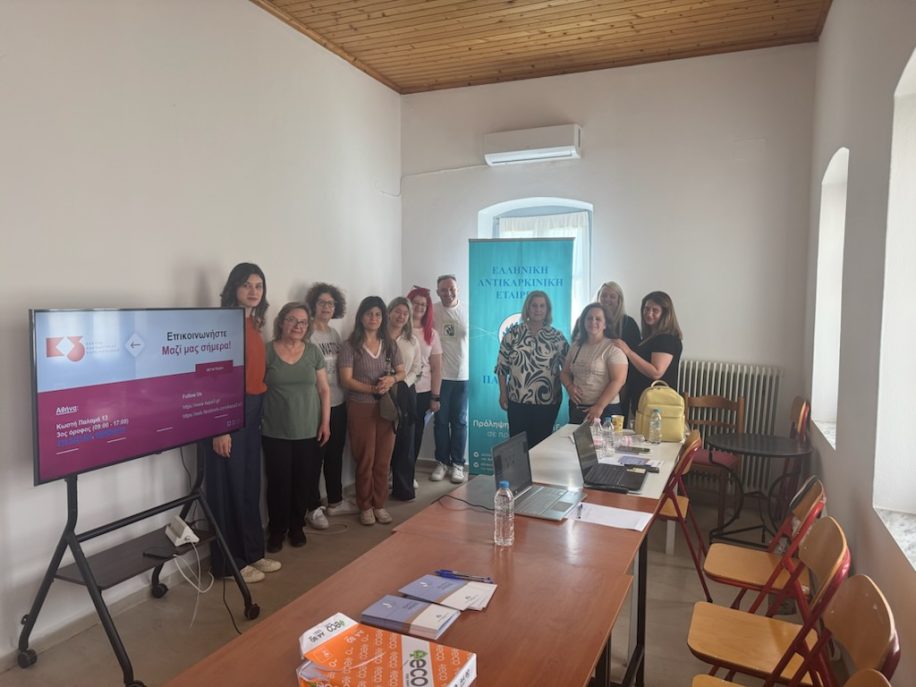
On Friday, May 29, 2026, a working meeting was held at the offices of the Evros Branch of the Hellenic Anti-Cancer Society in Soufli, at the initiative of the Branch and the Social Service of the Municipality of Soufli, with the aim of strengthening the support of oncology patients and the cooperation between local bodies.

The meeting was attended by the President of the Evros Branch of the Hellenic Anti-Cancer Society, Ms. Theodora Rokka, the Head of the Social Service of the Municipality of Soufli, Mr. Marinos Mantziaras, Ms. Aristea Archontidou from KAPA3, social workers of the Municipality of Soufli, as well as health professionals of the Soufli Health Center.

Particularly important was the presence of Ms. Kalliopi Kafetzaki, a social worker at the Day Center for Children, Adolescents and Young Adults with Neoplastic Diseases of the Hellenic Anti-Cancer Society, who presented the services of the Day Center and the hostel in Athens, as well as the challenges faced by oncology patients in the region.

The actions of KAPA3 were also presented, while information was provided on digital tools that can facilitate citizens’ access to health services, such as the Health Insurance Fund, the National Health Insurance Fund and the myHealth application. At the same time, the development of “Myrto”, a digital assistant that will support patients, caregivers and health professionals in searching for information and services, was discussed. During the discussion, issues related to inequalities in access to health services in the region, as well as the difficulties that patients encounter in administrative procedures and social benefits, were highlighted.

The meeting concluded with a joint commitment to continue cooperation and develop initiatives that will strengthen the support of oncology patients and their families in the Evros region. We are particularly happy about the presence of Kappa3 throughout Greece and for the trust of social services in our Organization. We remain faithful to the vision and mission of the Organization. For anything you need, please do not hesitate to contact us. The Kappa3 team is constantly by the patients and caregivers’ side to guide and ensure their rights. For any information or support, you can contact us.

You can contact the Kapa3 team at 13 Kostis Palamas, 3rd floor (Opening hours: 09:00 – 17:00). Contact numbers: 210 5221424 & 6906265170. Email: info@kapa3.gr

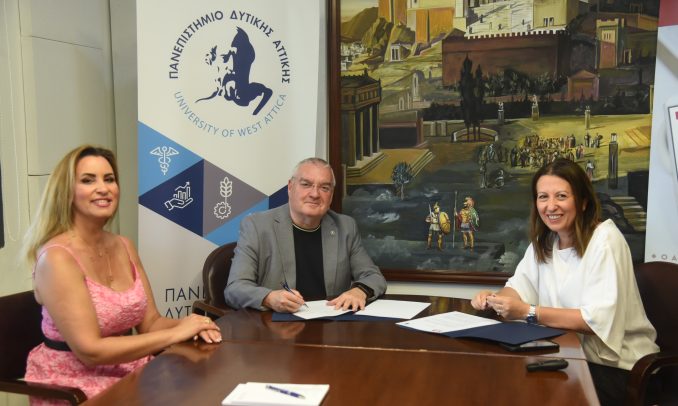
Memorandum of Understanding between the University of West Attica—specifically the Department of Occupational Therapy—and the NGO KAPA3.

On Tuesday, June 9, a meeting was held to sign a Memorandum of Understanding between the University of West Attica—specifically the Department of Occupational Therapy—and the NGO KAPA3.

The meeting was attended by the Rector of the University of West Attica, Panagiotis Kaldis Penelope Vlotinou, Assistant Professor in the Department of Occupational Therapy Evangelia Bista, co-founder of the organization, as well as representatives from both organizations, including the interdisciplinary team of KAPA3: Despoina Chrysostomou, Psychologist Katerina Georgiopoulou, Social Worker Yiannis Kontogiorgis, Psychologist, and Eleftheria-Irini Polyzoti, an intern from the Department of Social and Educational Policy, as well as students from the Occupational Therapy Department.

During the meeting, a constructive discussion took place regarding the prospects for cooperation between the two organizations, with the aim of developing joint actions and initiatives that will contribute to strengthening education, research, social contribution, and the connection between the academic community and society.

In this context,  it was decided in April to jointly organize a major scientific conference, which will focus on an interdisciplinary and holistic approach to health, on combating social inequalities in healthcare, as well as on the management of chronic disease. The aim of this initiative is to raise community awareness, facilitate the exchange of expertise among professionals and scientific bodies, and disseminate scientific knowledge and information to the general public.

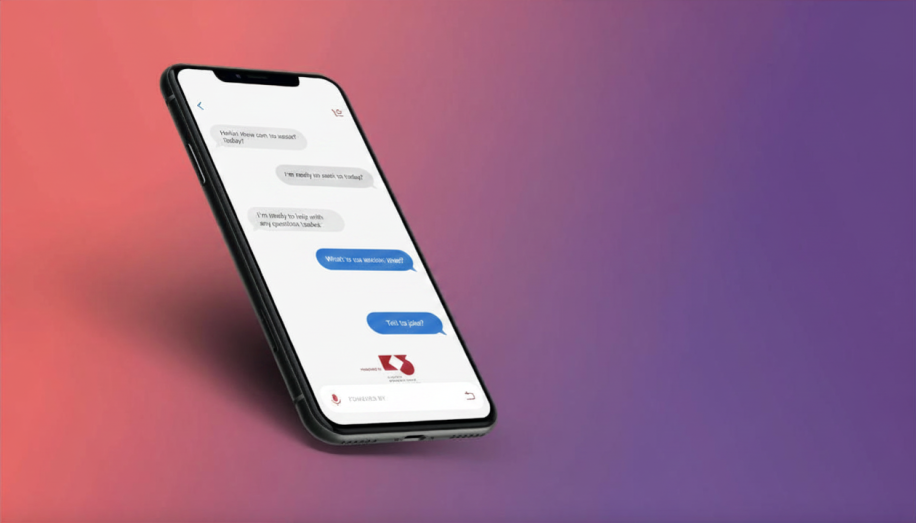
Special mention was made of the innovative work of KAPA3, the digital Health Navigator “Myrto,” a modern artificial intelligence tool currently under development and designed to support cancer patients, their families, and their caregivers. “Myrto” will function as a digital assistant (Chatbot) and Health and Rights Navigator, providing immediate, reliable, and personalized information on health, social welfare, rights, benefits, and available support services. The project aims to empower patients, improve their access to information, and reduce inequalities in health and social care through the use of digital technologies and artificial intelligence applications. The development of “Myrtos” represents a pioneering application of social artificial intelligence in the field of oncology care in Greece and is part of KAPA3’s strategy to promote innovation, accessibility, and the active participation of patients in managing their own health.

The meeting concluded in a particularly positive atmosphere of mutual appreciation and recognition. In this context, the Department of Occupational Therapy at the University of West Attica made a symbolic gesture toward the representative of KAPA3, Evangelia Bista, presenting her with a commemorative gift as a token of appreciation for her many years of valuable social contribution in the field of support for cancer patients. At the same time, as a gesture of hospitality and appreciation, the team was offered a specially produced wine, which is an original creation of the University of West Attica.