Kapa3 on European Carers Day: Supporting Carers Is an Essential Part of Supporting Patients

The often unseen burden on families, evidence from Kapa3’s everyday practice, and the need for patient navigation, psychosocial support and equitable access to cancer care.

Athens, 6 October 2026

Kapa3 – Cancer Guidance Centre participated in an event organised by the Greek Carers Network EPIONI to mark European Carers Day, held on Tuesday, 6 October 2026, at the European Parliament Liaison Office in Greece, Athens.

In their presentation entitled “The Caregiver as a Key Pillar of Support for Cancer Patients: The Greek Reality,”Evangeli Bista, Co-founder of Kapa3, and Marilia Barka, Psychology student and Kapa3 volunteer, highlighted the multifaceted role of informal carers, the challenges they face and the importance of recognising their contribution to cancer care.

The presentation brought together scientific knowledge and practice-based evidence from Kapa3’s daily operations, highlighting the fact that effective support for people affected by cancer must extend beyond medical treatment.

Cancer care does not end at the hospital. It continues at home, at work, within the family and throughout everyday life.

Informal Carers: The Invisible Coordinators of Cancer Care

Behind many cancer journeys is someone who coordinates appointments, searches for reliable information, manages administrative procedures, organises transportation and provides emotional support.

Informal carers, often family members or people from the patient’s immediate social environment, frequently become the invisible coordinators of care.

Their contribution, however, comes with significant practical, social, financial and psychological demands.

Balancing employment with caregiving responsibilities, losing personal time, facing additional expenses and coping with uncertainty about the course of the disease can substantially affect carers’ quality of life.

These challenges do not necessarily disappear when treatment ends.

Recovery, rehabilitation, returning to everyday routines and adapting to changing family roles may create additional responsibilities and emotional pressures.

Supporting carers is not simply an additional social service. It is an essential component of continuity and quality of care.

What Kapa3’s Data Reveal

Kapa3’s everyday experience demonstrates the important role carers play in seeking information and support.

According to the organisation’s internal telephone activity records, 1,251 telephone contacts were recorded between 27 January and 30 July 2026.

These included 614 incoming and 637 outgoing contacts, with 184 incoming contacts initiated by carers.

In addition, Kapa3’s service records for 2024–2025 indicate that 50.7% of first contacts were initiated by carers. Within the corresponding records, 89.1% of carers who contacted the organisation were first-degree relatives.

These figures describe activity recorded within Kapa3’s services. They should not be interpreted as nationally representative statistics on informal caregiving in Greece.

Nevertheless, they highlight an important reality: the first person seeking guidance is often not the patient, but someone supporting them.

Common requests concern administrative guidance, social rights and benefits, disability certification procedures, employment-related support and access to psychological services.

The challenge is not always a lack of information.

Information is often fragmented across multiple institutions, subject to changing procedures and difficult to translate into practical next steps.

Patients and carers need more than information. They need reliable guidance that helps them take action.

The Psychological Burden of Caregiving Is Not Always Visible

Caregiver burden extends well beyond physical fatigue.

It may involve psychological distress, financial insecurity, changing family dynamics, social isolation and profound existential concerns.

Carers are often expected to remain available and resilient even while experiencing fear, sadness, uncertainty or exhaustion themselves.

Some may hesitate to express their needs, believing that all attention should remain focused on the person living with cancer.

Recognising caregiver distress and ensuring access to psychosocial care, counselling and practical assistance are therefore essential elements of comprehensive cancer support.

Caring for carers is part of caring for patients.

Patient Navigation: Connecting Needs with Support

At Kapa3, patient and social navigation involves much more than answering individual questions.

It is a structured process of identifying needs, recording and prioritising requests, exploring solutions, referring people to appropriate services and reviewing the support provided.

This approach seeks to connect patients and carers with healthcare services, social protection systems and relevant professionals.

Social work and interdisciplinary collaboration are particularly important in addressing practical, financial, administrative and psychological needs in a coordinated way.

Kapa3’s experience highlights that meaningful access to care depends not only on the availability of services, but also on people’s ability to understand, reach and effectively use them.

MYRTO: Digital Innovation Strengthening Human Guidance

The presentation also introduced MYRTO – Kapa3’s AI-Supported Digital Social Navigator, designed to facilitate access to evidence-informed information on social rights, benefits and support services.

MYRTO is being developed in technological collaboration with SimasiaAI, with the valuable support of the TIMA Charitable Foundation.

Using documented information sources, plain language and clarifying questions, the application aims to make complex information easier to access and understand.

Human oversight and referral to appropriate support professionals remain essential aspects of its approach.

According to an administrative dashboard snapshot dated 19 September 2026, MYRTO had recorded 2,220 sessions. This figure refers to application sessions, not necessarily to unique users or beneficiaries.

Topics raised through the application included healthcare benefits, medicines and treatment, disability certification, patient and caregiver rights, employment matters and social protection.

At Kapa3, the value of Artificial Intelligence lies in its ability to strengthen human support rather than replace it.

Technology can organise information. Human relationships make care possible.

Employment and Caregiving: The Need for Institutional Recognition

Supporting someone with cancer frequently affects carers’ professional lives.

Attending appointments, responding to unexpected needs and managing everyday responsibilities require time, flexibility and appropriate employment arrangements.

Accessible information on existing rights and leave entitlements, flexible working arrangements where applicable, return-to-work support and greater awareness among employers and human resources departments can help reduce the burden.

Recognising caregiving responsibilities and preventing workplace exclusion should be part of a broader approach to social protection and inclusive employment.

Five Priorities for More Equitable Cancer Care

Kapa3’s presentation outlined five priorities:

  1. Recognition of informal carers as essential partners in care and social policy.
  2. Integration of patient navigation as a consistent component of organised cancer care.
  3. Access to psychosocial support from diagnosis and throughout the cancer journey.
  4. Responsible digital inclusion, based on plain language, accessibility, transparency and human oversight.
  5. Collaboration and sustainable funding, involving public authorities, local government, healthcare professionals and civil society organisations.

These priorities reflect the need for a healthcare and social support system that recognises the interconnected needs of patients, survivors and carers.

From Recognition to Meaningful Support

Kapa3’s participation in the event organised by EPIONI provided another opportunity to highlight the needs of people who provide care every day, often without sufficient recognition or structured support.

Carers’ lived experiences, systematically documented service needs and scientific evidence can inform more responsive healthcare services and public policies.

For Kapa3, care must be understood as an ongoing process connecting people with reliable information, appropriate services, professionals and their communities.

No cancer journey without navigation.

No digital innovation without human connection.

Because care concerns not only the person living with cancer, but also those standing beside them.


Event Information

European Carers Day 2026

Date: 6 October 2026
Venue: European Parliament Liaison Office in Greece, 8 Vasilissis Amalias Avenue, Athens
Organiser: Greek Carers Network EPIONI

Event information:
https://epioni.gr/εκδήλωση-για-την-ευρωπαϊκή-ημέρα-φρον/

Kapa3 – Cancer Guidance Centre
https://www.kapa3.gr/

Explore MYRTO – Digital Social Navigator
https://kapa3-cag-rag-hybrid-deploy.onrender.com/

Kapa3 in Brussels: Building European Partnerships for More Human-Centred Cancer Care

Participation in the Cluster 1 Health & Mission Cancer Brokerage Event highlighted the importance of digital innovation, meaningful patient engagement and cross-border collaboration in European health research.

28 September 2026 | Brussels, Belgium

Kapa3 – Cancer Guidance Centre participated in the European “Building Strong Networks in Cluster 1 Health & Mission Cancer” Brokerage Event, held in Brussels on 28 September 2026, focusing on the development of partnerships for the upcoming Horizon Europe 2027 calls, particularly Cluster 1 – Health and the EU Cancer Mission.

Kapa3 was represented by Aristea Archontidou, an associate of the organisation specialising in healthcare information technology, health policy and patient advocacy, as part of the participation of the Hellenic Digital Health Cluster (HDHC).

The event brought together researchers, universities, healthcare organisations, technology companies, innovation stakeholders, patient representatives and policymakers, providing opportunities to establish European research connections and explore future collaborations.

For Kapa3, participation reflects an ongoing commitment to connecting the real needs of people affected by cancer with European developments in research, digital health and more accessible models of care.

From European Research to Meaningful Partnerships

The event provided a valuable platform for exchanging knowledge, presenting research ideas and identifying potential partners for future European projects.

The programme included presentations on Horizon Europe 2027 priorities, thematic pitching sessions and targeted bilateral networking meetings.

Three main areas were addressed:

  • Healthcare Innovation: New approaches to research, prevention, diagnosis and healthcare delivery.
  • Clinical Trials: Research collaboration, clinical studies and the development of innovative therapeutic approaches.
  • Digital Health & Artificial Intelligence: Digital technologies, data-driven solutions and applications of AI in healthcare.

The discussions highlighted the increasing importance of interdisciplinary collaboration and the participation of organisations that understand patients’ needs in real-world settings.

Research, digital innovation and social innovation should not be treated as separate processes. Their impact depends on their ability to address unmet needs, operate effectively in real-life environments and demonstrate meaningful value.

Digital Health and AI: Technology Must Serve People

One of the most important observations emerging from the event was that digital health and Artificial Intelligence are no longer isolated technical topics.

They are increasingly integrated into multiple areas of healthcare research, from scientific data analysis and clinical research support to prevention, information access and the management of complex care needs.

However, technological progress does not automatically translate into social progress.

A digital solution cannot be considered truly successful if the people it is intended to serve cannot understand, trust or use it.

At Kapa3, addressing digital exclusion, strengthening health and digital literacy, improving accessibility and ensuring the responsible use of AI are fundamental priorities.

This approach is reflected in the development of MYRTO – Kapa3’s AI-Supported Digital Social Navigator, designed to facilitate access to evidence-informed, understandable information about social rights, benefits and available support services.

MYRTO is being developed in technological collaboration with SimasiaAI, with the valuable support of the TIMA Charitable Foundation.

The initiative demonstrates how technological innovation can be connected with social navigation and the practical needs of people living with cancer.

Meaningful Patient Engagement as a Foundation for Innovation

Another central message emerging from the discussions and networking activities was the growing importance of meaningful patient involvement in research and digital health development.

Patient organisations can contribute far more than final-stage evaluation or symbolic representation.

They can help identify unmet needs, co-develop research questions, improve the accessibility of digital tools and evaluate solutions in real-world settings.

Patient involvement in real-world pilots, co-creation processes and user-experience evaluation can contribute to more relevant, acceptable and sustainable healthcare innovations.

This approach is closely aligned with Kapa3’s mission.

Experience gained through everyday patient navigation, the identification of administrative and social barriers and the systematic documentation of support needs can provide valuable insights for the development and evaluation of new interventions.

European Networking and Opportunities for Collaboration

Kapa3’s participation in Brussels, through the Hellenic Digital Health Cluster ecosystem, provided opportunities to engage with professionals and organisations active in research, digital health and social innovation.

The event facilitated valuable exchanges with several stakeholders, including George Dimitriou, Cluster Manager of HDHC, alongside George Nikolaidis and Martha Zachariadou from Ergobyte Informatics S.A.

Additional discussions and connections involved Sotiria Tsalamani from KMOP – Social Action and Innovation Centre, Nikolaos Papadopoulos from heeelp!, Angie Fasoula from MIMA Technologies and Ilias Nikolinakos from ELPEN Pharmaceutical Co. Inc.

These initial contacts offer opportunities to explore shared interests and potential future collaborations in digital accessibility, human-centred technology, patient engagement and applied health research.

Special appreciation goes to the PRAXI Network for supporting Greek participation, as well as to the National Contact Points and co-organisers whose efforts created a valuable environment for European networking and collaboration.

Kapa3 as a Partner in Human-Centred Research and Innovation

Kapa3’s presence at this European event strengthens its strategic direction towards partnerships that combine scientific knowledge with lived experience and community-based insights.

Through social and patient navigation, cooperation with healthcare professionals, participation in European research projects and the development of digital tools, the organisation seeks to contribute to the design, implementation and evaluation of interventions that respond to the actual needs of patients and caregivers.

In future European collaborations, Kapa3 can bring expertise in patient and social navigation, patient engagement, health literacy, service co-creation and the evaluation of end-user experiences.

This approach contributes to the organisation’s broader ambition to develop an evidence-informed, human-centred and evaluable model of navigation in oncology care.

From European Connections to Meaningful Social Impact

The Brussels experience reinforced the importance of engaging early in European research networks and building partnerships that connect science, technology and people’s everyday realities.

As consortia and proposals begin to take shape for Horizon Europe 2027, the involvement of civil society organisations and patient representatives remains essential for more inclusive research and innovation.

For Kapa3, European collaboration creates value when it leads to better information, equitable access, stronger support systems and tangible improvements in the lives of people affected by cancer.

Because innovation in healthcare should not be measured solely by what technology can achieve, but also by how many people it can meaningfully include.

Care does not end with treatment. It embraces the whole of life.


Further Information

Cluster Health & Mission Cancer Brokerage Event
https://www.b2match.com/e/cluster-health-mission-cancer-brokerage

Hellenic Digital Health Cluster
https://hdhc.gr/

Kapa3 – Cancer Guidance Centre
https://www.kapa3.gr/

Explore MYRTO – Digital Social Navigator
https://kapa3-cag-rag-hybrid-deploy.onrender.com/
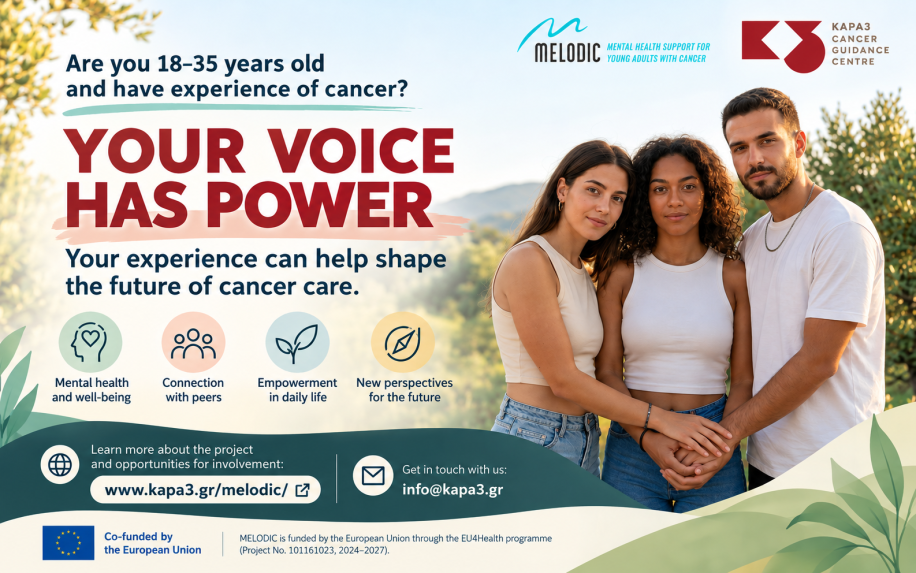
Adolescents and Young Adults with Cancer (AYAs): When a Diagnosis Comes During the Most Formative Years of Life

The unique psychosocial challenges, the invisible signs of distress, and Kapa3’s holistic response through the European MELODIC project.

A cancer diagnosis during adolescence or young adulthood often comes at a time when life is unfolding through some of its most creative and defining stages. Education, employment, romantic relationships, independence, starting a family, and planning for the future are all taking shape. A cancer diagnosis can abruptly interrupt this journey, creating a reality that is often difficult to comprehend, even for the young people experiencing it.

Adolescents and young adults with cancer, internationally referred to as AYAs (Adolescents and Young Adults), represent a distinct population within oncology. Their needs extend far beyond the treatment of the disease itself. They encompass identity, autonomy, relationships, sexuality, fertility, education, employment, financial security, and, above all, how they perceive their future and themselves.

When Life Is Put on Hold

For a young person, experiencing cancer can create the feeling that their personal life has come to a standstill while their peers continue moving forward. Friends pursue their studies, build careers, travel, develop relationships, and start families, while they may be coping with hospitalisations, treatments, fatigue, and restrictions on everyday activities.

This disruption can significantly affect their psychological well-being. Social isolation, changes in body image, concerns about sexuality and intimate relationships, and fears about potential effects on fertility are issues that may not always be easy to discuss with family members or even with the healthcare team.

At the same time, interruptions to education or employment can create financial uncertainty and undermine a young person’s sense of independence.

The impact of cancer, therefore, is not limited to the physical body. It extends to how young people perceive themselves, their identity, and their place within society.

Psychological Distress Is Not Always Visible: Recognising the Warning Signs

One of the most important challenges in caring for AYA patients is that psychological distress is not always immediately recognisable.

Distress may emerge at different stages of treatment, including after treatment has ended, and can manifest in various ways.

It may be expressed through anger towards the healthcare team, mistrust of treatment or medical recommendations, repeated questioning or, conversely, complete avoidance of questions.

It may also appear as delayed or missed appointments, difficulty adhering to treatment, excessive reliance on information found online, or reluctance to seek support from family members and social networks.

At other times, the signs are even more subtle: withdrawal from friends, reduced participation in activities, feelings of loneliness or hopelessness, or the belief that “no one can understand what I am going through.”

These behaviours should not automatically be interpreted as non-cooperation or lack of motivation. They may reflect emotional distress, uncertainty, fear, or unmet psychosocial needs that require further exploration.

This is why communication is a fundamental component of care.

An open-ended question, a safe and supportive environment, and, above all, a genuine willingness to listen without minimising a young person’s feelings can provide the starting point for identifying needs at an early stage.

Completing Treatment Does Not Always Mean the End of the Struggle

Another important message concerns the period following the completion of cancer treatment.

The end of oncology treatment is often accompanied by relief and optimism. At the same time, however, it can create a new sense of uncertainty or emptiness.

Frequent contact with the hospital and healthcare professionals gradually decreases, while young people are expected to return to everyday life and redefine their identity and future after cancer.

Fear of recurrence, changes in relationships, returning to work or education, and the need to reconsider personal goals may create new psychological challenges.

Psychological recovery, therefore, does not necessarily follow the same timeline as physical recovery.

Importantly, resilience and psychological distress are not mutually exclusive.

A young person may continue moving forward, pursuing their goals and rebuilding their life, while simultaneously experiencing fear, uncertainty, or emotional difficulties.

Recognising this complexity is essential to avoid unrealistic expectations that young people should immediately return to their previous lives or feel consistently positive once treatment has ended.

From Recognition to Meaningful Support and Effective Interventions

Addressing these needs requires an approach that sees the AYA patient as a whole person, not simply as someone undergoing cancer treatment.

Active listening, encouraging emotional expression, strengthening autonomy, and facilitating access to appropriate psychosocial support services are essential elements of comprehensive care.

Support may include psychological and social care, peer-support groups, counselling, and practical assistance related to employment, financial concerns, or social rights.

Individualisation is particularly important.

Not all young people require the same type of support, nor do they experience cancer in the same way.

Age, family circumstances, social environment, personal values, and life goals all contribute to shaping different needs and expectations.

Evidence-Informed Psychotherapeutic Approaches

Several psychotherapeutic approaches may help address the psychological and emotional challenges experienced by adolescents and young adults affected by cancer.

Cognitive Behavioural Therapy (CBT) can help young people identify and reframe unhelpful patterns of thinking, develop more adaptive coping strategies, and regain a sense of control during periods of significant uncertainty.

Acceptance and Commitment Therapy (ACT) emphasises psychological flexibility, the recognition and acceptance of difficult emotions, and engagement with personal values. This approach may be particularly relevant when illness has disrupted a young person’s priorities, identity, or future plans.

In parallel, meaning-centred approaches can support AYA patients in addressing existential concerns, changes in identity, and experiences of loss.

These interventions may help individuals integrate the experience of cancer into their evolving understanding of themselves and their lives, while rediscovering meaning, purpose, and personal direction.

The Importance of Peer Support

Peer support represents another valuable dimension of psychosocial care.

Connecting with people who have experienced similar challenges can reduce feelings of social isolation, strengthen the sense that “I am not alone,” and create opportunities for mutual understanding.

Peer relationships may also provide a supportive environment in which young people feel more comfortable discussing concerns that can be difficult to communicate with family members or healthcare professionals.

These forms of support should be adapted to individual circumstances and preferences.

Psychotherapeutic and psychosocial interventions need to be delivered flexibly, taking into account each person’s developmental stage, cultural and social context, values, and changing needs.

The therapeutic relationship, trust, respect for autonomy, and the active involvement of young people in decisions affecting their care are fundamental components of a genuinely person-centred approach.

MELODIC and the Need for More Human-Centred Cancer Care

This need lies at the heart of the European project MELODIC – Mental Health Support for Young Adults with Cancer, in which Kapa3 – Cancer Guidance Centre participates as a project partner.

MELODIC focuses on the mental health and well-being of young adults affected by cancer, aiming to strengthen the knowledge, skills, and support available to them, their loved ones, and the professionals involved in their care.

The project specifically addresses the needs of young adults aged 18–35 and seeks to promote a more integrated, supportive, and human-centred approach to oncology care.

Within the framework of MELODIC, Kapa3 has actively contributed to the co-development of educational materials, the development of the educational framework, and the pilot educational intervention in Greece.

Through this participation, Kapa3 supports the recognition of psychosocial needs and the development of knowledge and competencies among healthcare professionals working with young people affected by cancer.

This approach is directly aligned with the philosophy of holistic cancer care: mental health is not a separate or secondary concern but an integral part of the overall experience of living with cancer.

MELODIC also highlights the importance of interdisciplinary collaboration and the early identification of psychosocial needs.

By strengthening awareness and professional competencies, healthcare professionals can become better equipped to recognise signs of distress and refer young people to appropriate support services in a timely and coordinated manner.

From Identifying Needs to Developing Supportive Interventions

The MELODIC project promotes an approach that moves beyond identifying psychological challenges towards developing practical, person-centred interventions that respond to the everyday realities of young adults living with cancer.

Its broader framework recognises the value of psychosocial support, social connection, physical activity, and engagement with nature as complementary dimensions of well-being.

For Kapa3, participation in MELODIC reflects a wider commitment to connecting scientific knowledge with practical support and the lived experiences of people affected by cancer.

By contributing to European collaboration, educational activities, and the development of supportive interventions, Kapa3 seeks to help strengthen a model of cancer care that is more responsive to the individual, social, and emotional needs of patients.

This commitment also reflects the organisation’s broader work in patient navigation, health literacy, access to rights, and psychosocial support.

Because meaningful cancer care must extend beyond medical treatment and recognise the person behind the diagnosis.

Why Listening to Young People Matters

Meaningful care begins with a simple but fundamental principle: listening.

Listening to the young person who is afraid, even when they cannot express that fear directly.

Listening to the person who feels angry, withdraws from others, or struggles to follow their treatment plan.

Listening to those who appear to be coping well but may be experiencing greater emotional difficulties than they reveal.

Listening without judgement, without minimising emotions, and without assuming that the needs of all young people affected by cancer are the same.

Behind every diagnosis is a person who continues to have relationships, plans, dreams, ambitions, and a need for independence.

Through its participation in MELODIC, alongside its broader activities supporting people living with cancer, Kapa3contributes to promoting a model of care that does not end with the treatment of the disease.

A model that recognises psychological and social needs, strengthens patient empowerment, and builds bridges towards appropriate support.

A model that understands that recovery is not only about physical health but also about rebuilding confidence, identity, relationships, and the ability to imagine a future.

Because cancer care is not only about helping people recover from illness. It is also about supporting them, with dignity and understanding, as they rebuild the lives they want to live.


Learn More About MELODIC

The European project MELODIC – Mental Health Support for Young Adults with Cancer aims to promote mental health and well-being among young adults affected by cancer through interdisciplinary collaboration, education, and person-centred supportive interventions.

Kapa3 participates in the project, contributing to its activities in Greece and to the broader European effort to strengthen psychosocial cancer care.

For more information about MELODIC, its objectives, activities, and Kapa3’s participation, visit the dedicated section of our website:

https://www.kapa3.gr/melodic/

If you are a young adult aged 18–35 with lived experience of cancer and would like to learn more about the project or possible opportunities for involvement, please contact the Kapa3 team.

Kapa3 – Cancer Guidance Centre

Website: https://www.kapa3.gr
Email: info@kapa3.gr
Telephone: +30 210 5221424


Source

Ciampa, D., Mathew, L., Fulginiti, K., & Fortune-Kottis, S. (2026, August 11). Addressing unique psychosocial challenges in adolescent and young adult (AYA) patients with cancer. Oncology Central.

https://www.oncology-central.com/addressing-unique-psychosocial-challenges-in-adolescent-and-young-adult-aya-patients-with-cancer/

Further information:
European MELODIC Project – Kapa3
https://www.kapa3.gr/melodic/


Article edited by:
Elena Panopoulou
Sociologist, Kapa3 Tripoli Team

Email: elenak3team@gmail.com
LinkedIn: https://www.linkedin.com/in/elena-panopoulou-5061aa426

From access to continuity of care: when navigation becomes part of the solution

Why health systems need pathways, not just pilots

A test is not treatment. A referral does not necessarily mean that a person will reach the care they need. And a successful pilot does not, by itself, mean that a health system works for everyone.

This is the central message of a recent article by Gaurav Ghewade for the World Economic Forum, “Why healthcare systems need pathways, not just pilots.” The key question is no longer simply whether people can enter a health system, but whether the system can support them throughout the journey that follows.

In 2023, around 4.6 billion people worldwide were still not fully covered by essential health services. At the same time, chronic conditions, including cancer, require much more than a single intervention. They demand continuity, repeated contact with services, follow-up and coordinated support.

The critical question therefore becomes:

What happens after the first step?

Does a person know where to go next? Do they understand the procedures they need to follow? Are they aware of the rights and benefits available to them? Can they identify the appropriate services? Is there a clear pathway, or are they left to navigate a complex system on their own?

For people affected by cancer, the journey extends far beyond diagnosis and treatment. It can also involve administrative procedures, social and employment rights, financial and insurance benefits, access to social services, psychosocial support, caregiver needs and the return to everyday life.

This is why navigation is becoming an essential part of person-centred support.

From information to action: MYRTO

This is also the space in which MYRTO – Kapa3’s Digital Social Rights Navigator is being developed.

MYRTO does not replace doctors or healthcare professionals and does not provide treatment decisions. Its purpose is to help people affected by cancer and their caregivers access reliable and understandable information, better understand their social rights and available benefits, identify relevant services and move towards the next practical step in their journey. Kapa3 has positioned MYRTO within a broader approach to digital navigation, social accessibility and patient empowerment.

Because access is only the beginning.

What truly matters is ensuring that no one gets lost between the steps of their journey.

The development of MYRTO is supported by the TIMA Charitable Foundation, Founding Sponsor of MYRTO.

Source

Gaurav Ghewade, Why healthcare systems need pathways, not just pilots, World Economic Forum, 21 August 2026.

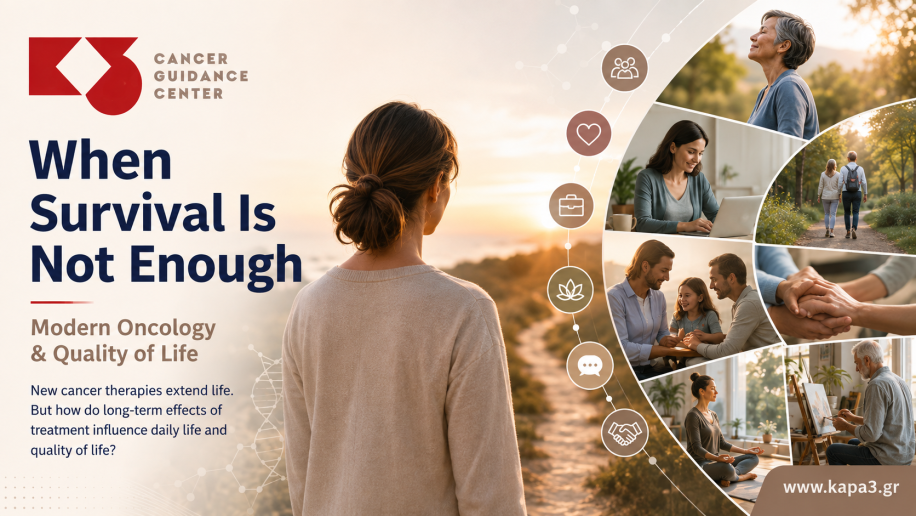
Modern Oncology: When Survival Is Not Enough

New therapies, “hidden” effects and the need to assess not only how long patients live, but how they live

Modern Oncology: When Survival Is Not Enough

New therapies, “hidden” effects and the need to assess not only how long patients live, but how they live

Modern oncology is changing at an unprecedented pace. Immunotherapies, antibody–drug conjugates (ADCs), bispecific antibodies and new targeted therapies are creating treatment opportunities that would have been unimaginable only a few years ago.

Cancer treatment is becoming increasingly personalised and tailored to the biological and molecular characteristics of each tumour, while overall survival is being extended for many people living with cancer.

Yet alongside this remarkable scientific progress, a critical question is emerging:

What does it really mean to live longer after — or with — cancer?

A recent Nature Medicine editorial, entitled “Oncology must confront hidden side effects”, highlights precisely this challenge. While cancer drug development is advancing at remarkable speed, the approaches used to record, assess and manage long-term treatment-related toxicities — and their impact on patients’ quality of life — have not evolved at the same pace.

When a “mild” side effect becomes a major burden

Therapeutic success can create a new reality: people are living longer, but some must also manage treatment-related adverse effects for months, years or even for the rest of their lives.

An adverse event classified clinically as low-grade is not necessarily insignificant to the person experiencing it.

A persistent rash, diarrhoea, stomatitis or other symptoms may substantially affect daily functioning, psychological wellbeing and social life when they continue over long periods.

Similarly, some immune-related adverse events associated with immune checkpoint inhibitors can become chronic, persist for years or even be irreversible.

This highlights an important limitation of the Common Terminology Criteria for Adverse Events (CTCAE), which are widely used to classify and grade treatment-related adverse events.

The duration of adverse events is not adequately reflected, while functional and psychological consequences may also remain outside traditional toxicity assessment.

As a result, what may be considered “manageable” according to conventional clinical criteria can feel very different to the patient living with it every day.

Quality of life cannot be an afterthought

A second important issue is the timing of quality-of-life evidence.

In some cases, quality-of-life findings are reported considerably later than the primary results of a clinical trial, and sometimes after a new drug has already been approved.

This means that patients making treatment decisions during the early years of a new therapy may not yet have a complete picture of how it could affect their daily functioning, emotional wellbeing and overall quality of life.

At the same time, the questionnaires and tools used to assess quality of life need to evolve continuously.

And this cannot happen without the direct involvement of patients themselves.

The experiences and priorities of people receiving treatment should form part of how treatment impact is assessed, rather than being treated as information that is added later.

The example of daraxonrasib

The Nature Medicine editorial highlights the pan-RAS inhibitor daraxonrasib as a telling example. The therapy has shown important survival benefits for patients with aggressive RAS-driven advanced pancreatic cancer, a setting in which treatment options have historically been limited.

At the same time, most patients experienced acneiform rash, with diarrhoea and stomatitis also reported as lower-grade treatment-related adverse events.

Full quality-of-life data — including information on daily functioning and emotional wellbeing — were not yet available because follow-up remained relatively short.

This example illustrates a much wider issue.

If we know that a therapy can significantly extend life, but we do not yet fully understand what that life will be like, an essential part of the information is missing from the conversation between patients and their healthcare teams.

This also has direct implications for informed consent.

Whenever evidence is available, patients need information not only about response rates and survival but also about the potential short- and long-term consequences of treatment for their everyday lives.

The same treatment is not experienced in the same way by everyone

The toxicity profile of a treatment is not identical for every patient.

It may vary according to the drug’s mechanism of action, a person’s physical condition, co-existing long-term conditions, genetic background and other individual characteristics.

Particular attention is needed for populations that have historically been excluded from, or underrepresented in, clinical trials, as their experiences of treatment-related toxicity may differ.

The editorial points, for example, to sex-related differences in adverse events associated with immunotherapy and racial disparities in adverse events observed with CAR-T cell therapy.

This makes real-world data particularly important.

Clinical trials remain fundamental to establishing the safety and efficacy of new treatments. However, broader use in everyday clinical practice may reveal treatment effects that were not fully captured in the populations included in initial studies.

One example is the bispecific antibody amivantamab in lung cancer, where the full extent and severity of some skin toxicities became clearer after a broader patient population was exposed to the treatment.

Moving beyond clinical silos

This changing landscape also demands a different approach to the organisation of cancer care.

The adverse effects of modern cancer therapies do not always fit within a single organ system or medical specialty.

Traditional clinical and disciplinary silos can limit the transfer of knowledge needed to identify, monitor and manage emerging toxicities effectively.

The response therefore needs to be interdisciplinary.

Collaborative networks, updated guidance, systematic reporting, dedicated registries and effective knowledge exchange are increasingly important so that new or rare adverse effects can be recognised early and managed appropriately.

Above all, the patient voice must be heard

Perhaps the most important change concerns how we define treatment success itself.

Survival remains a fundamental goal of oncology.

But it cannot be the only one.

We also need to understand whether people can work, move, sleep, eat, participate in family and social life, maintain as much independence as possible and manage the effects of treatment on their everyday lives.

In other words, we need to know not only how much time a treatment adds to life, but also what that time means to the person living it.

Patients should therefore not enter the process only at the end, as recipients of treatment.

Their perspectives need to be incorporated from the design of clinical trials and assessment tools through to post-approval monitoring and the real-world use of new cancer therapies.

From survival to living after — and with — cancer

Progress in oncology is undeniable, and it brings genuine hope.

The next challenge is to ensure that longer survival is accompanied by quality of life, functioning, meaningful information, participation and dignity.

Modern cancer care therefore needs to move beyond asking only:

“How much longer can this patient live?”

and give equal importance to another question:

“How will this person live during that additional time?”

For Kapa3, this discussion goes to the heart of truly person-centred cancer care: care that sees not only the disease and the treatment, but the person, their everyday life, their needs, their choices and the life that continues during and after cancer.

Source and references

Main source:
Nature Medicine. “Oncology must confront hidden side effects.” Volume 32, July 2026. Published online 8 July 2026. DOI: 10.1038/s41591-026-04554-9.

  1. Barron CC et al. Journal for ImmunoTherapy of Cancer. 2023;11.
  2. Gyawali B et al. Lancet Oncology. 2025;26–e89.
  3. O’Reilly EM et al. New England Journal of Medicine. 2026. DOI: 10.1056/NEJMoa2605555.
  4. Unger JM et al. Journal of Clinical Oncology. 2022;40:1474–1486.
  5. Rayapureddy AK et al. Journal of Clinical Oncology. 2026;44.
  6. Hines MR et al. Transplantation and Cellular Therapy. 2023;29:438.e1–438.e16.

find more s41591-026-04554-9

Head and Neck Cancer: The Importance of Early Diagnosis and Prevention.

July 27 has been designated as World Head and Neck Cancer Day (WHNCD). The initiative was launched on July 27, 2014, during the 5th World Congress of the International Federation of Head and Neck Oncology Societies (IFHNOS) in New York, with the goal of raising awareness, education, and the
promotion of prevention. The declaration is supported by dozens of scientific communities worldwide, governments, and, most notably, the UICC (Union for International Cancer Control).

What is Head and Neck Cancer?
This type of cancer includes tumors located in the oral cavity, the lips, the pharynx, the larynx, the
salivary glands, the thyroid gland, the skin of the region, and the cervix.

In terms of prevalence, it is the fifth most common cancer worldwide. Seventy-five percent of cases are located in the mouth and pharynx, while the most common histological type is squamous cell carcinoma (HNSCC). For example, more specifically in Greece in 2012, 1,350 new cases were recorded, a figure that accounted for 3.3% of all new cancer diagnoses in the country.

Based on these percentages, 30% of cases occur in the tongue, 20% on the lip, 15% on the floor of the
mouth and in the larynx, and 10% in the pharynx.

Risk Factors

Understanding the factors that increase the risk is the first step towards prevention. Everyday habits, such as smoking and alcohol consumption, place a significant strain on the body. In particular, 70 per cent of those affected are long-term smokers, with current smokers facing a 300 per cent higher risk. When
smoking is combined with alcohol, the two have a negative synergistic effect, multiplying the likelihood of developing the disease. At the same time, in recent years there has been an increase in HPV-positive cancers, mainly of the pharynx, which often occur in younger people with no history of smoking or
alcohol consumption. Finally, it is worth noting that up to 25 per cent of cases are observed in patients who have never smoked and have no other known risk factors.

Suspicious lesions and symptoms

Delay in diagnosis is the most unfavourable prognostic factor. Conversely, 85–90 per cent of cases can be
cured if diagnosed at an early stage.

Suspected precancerous lesions

Particular care is required when identifying suspected precancerous lesions in the oral cavity. These
include leukoplakia, a white patch of unknown aetiology that does not flake off, in which, in 20–25 per
cent of cases, cancer or severe dysplasia is present. Even more dangerous is erythroplakia, where the rate
of co-occurrence with cancer or severe dysplasia reaches 90 per cent. At the same time, suspicious lesions
include punctate leukoplakia, as well as any chronic ulcer – that is, a sore that is not caused by any
obvious injury and remains unhealed for more than two weeks.

Symptoms requiring medical assessment

There are also certain suspicious symptoms that necessitate immediate assessment by a doctor. These include any unexplained swelling, lump or puffiness in the mouth or throat area, as well as persistent pain when chewing, swallowing or speaking, or pain that radiates to the ear. Furthermore, symptoms such as hoarseness, a change in the tone of the voice, and unexplained bleeding inside the mouth are signs that
should not be ignored.

Prevention and Screening
Screening is particularly important for people over the age of 45, smokers, people who drink alcohol, or
those with a history of HPV infection. Screening involves four simple steps:
1. Neck: Palpation of the lymph nodes and the thyroid gland.
2. Lips: External examination.
3. Mouth: Examination of the tongue, floor of the mouth, cheeks, gums and soft palate.
4. Pharynx: Examination of the tonsils, soft palate and base of the tongue.

The importance of early intervention

Despite advances in surgery, radiotherapy and chemotherapy, the 5-year survival rate remains at around 60 per cent. Furthermore, treatments for advanced-stage disease can affect patients’ quality of life, causing functional (difficulty speaking, chewing, swallowing and breathing), aesthetic or psychological problems.

“Myrto” under Scientific Evaluation: Transparency, Evidence and Human Oversight in Social Navigation for Oncology Patients

“Myrto” under Scientific Evaluation: Transparency, Evidence and Human Oversight in Social Navigation for Oncology Patients

The first closed scientific testing workshop of the Digital Health and Social Rights Navigator has been completed

Athens, 6 July 2026

The first closed scientific testing and evaluation workshop of “Myrto”, the Digital Health and Social Rights Navigator developed by the Cancer Patient Guidance Centre – Kapa3, was successfully completed.

The workshop was organised by the Cancer Patient Guidance Centre – Kapa3, with the support of René Descartes – Cnam College and the participation of SimasiaAI. It functioned as a dynamic scientific co-design workshop, bringing together specialised professionals from the fields of healthcare, social care, information technology and personal data protection.

The process was closed and strictly experimental in nature and did not constitute a public presentation of a completed product. Its purpose was to evaluate the behaviour of the application through hypothetical and fully anonymised scenarios, to record correct responses and areas requiring improvement, and to use expert feedback for the next phase of development.

The project “Myrto – Health and Social Rights Navigator” is being developed as a knowledge-based digital social navigation system, guided by the principles of explainable, transparent and human-centred Artificial Intelligence.

Its aim is to transform complex legal, administrative and social information into clear, evidence-based and practically useful guidance for oncology patients, caregivers and citizens.

“Myrto” does not replace professional social, legal, medical or clinical judgement. It operates as a supportive information and navigation tool, with clearly defined functional boundaries, human oversight and the possibility of referral to the competent services and professionals of Kapa3.

The programme is implemented with the support of the TIMA Charitable Foundation.

From Information to Understandable Knowledge

During the workshop, the need that led to the creation of “Myrto” was presented, along with the real barriers faced by patients and caregivers when seeking information on social rights, benefits and administrative procedures.

Particular emphasis was placed on addressing digital and informational exclusion. “Myrto” is designed to transform fragmented and often difficult-to-understand information into simple, structured and comprehensible guidance.

A Thematically Specialised and Curated Knowledge Base

The project’s technical partner, SimasiaAI, presented the operation of the application and the architecture used for information retrieval and synthesis.

“Myrto” uses a hybrid search mechanism that combines text retrieval and semantic search techniques, with the aim of identifying the information most relevant to the user’s question. The application operates on a thematically specialised and curated knowledge base.

A central element of its design is the traceability of information, namely the ability to link an answer to the source on which it is based. The use of validated sources reduces the risk of unsupported responses and enables the identification, review and correction of issues through a process of continuous maintenance, regular updating and adaptation to evolving guidelines and regulatory requirements.

Explainability and Human-Understandable Answers

The evaluation did not focus only on whether “Myrto” retrieves the correct information, but also on whether it can present that information in a clear, understandable and conceptually coherent way.

This approach strengthens trust, responsible use of the tool and the meaningful empowerment of citizens through a response-generation system that supports a transparent, evidence-based and human-supervised knowledge ecosystem, in which every piece of information is understandable, verifiable and connected to its source.

Data Protection and Compliance by Design

Personal data protection and regulatory compliance are embedded from the design stage of the application, in accordance with the principles of data protection by default and by design.

During the workshop, only hypothetical or fully anonymised cases were used. Particular emphasis was placed on the principles of data minimisation, anonymisation and secure processing. These principles are directly linked to contemporary requirements for the responsible development of Artificial Intelligence systems, the protection of special categories of data and compliance with the European regulatory framework.

Live Testing of Hypothetical Scenarios

The professionals who participated in the workshop tested the application individually and in small groups, using only hypothetical and fully anonymised cases. The testing was based on an approach that evaluated the behaviour of the system, examining not only whether the final answer was correct, but also whether the overall operation of the application was safe, understandable and appropriate for the specific request.

Disability Certification through KEPA

In one of the key scenarios, “Myrto” was asked to guide a hypothetical patient who did not know how to start the disability certification procedure through KEPA. The system retrieved the main steps of the process, organised the information in an understandable format and provided relevant references to the sources.

Participants evaluated:

  • the accuracy of the information,
  • the completeness of the steps,
  • the clarity of the language,
  • and the practical usefulness of the answer.

Travel from the Region for Treatment

In a second scenario, the case of an oncology patient who needed to travel from the region to another location for treatment was examined. The application identified relevant categories of socioeconomic support and benefits and presented possible next steps to the user.

The test allowed participants to assess:

  • the correct identification of the request,
  • the connection between different rights and benefits,
  • the completeness of the sources,
  • and the possibility of referral to the appropriate services.

At the same time, cases were also examined in which:

  • the question was unclear or incomplete,
  • the user did not know which right or benefit to look for,
  • clarifying questions were required,
  • medical or personalised legal advice was requested,
  • or immediate human intervention was necessary.

A Continuous Cycle of Scientific Feedback

The meeting concluded with a discussion of the testing results, a review of the technical logs and the presentation of key usage statistics for the application.

The participants’ observations are not treated as isolated comments, but as structured scientific feedback for improvement. In this way, a closed cycle of learning and feedback is created, in which technology, scientific knowledge and the experience of professionals interact continuously.

The continuous involvement of experts and the integration of structured feedback are considered critical for strengthening transparency, reliability and trust in Artificial Intelligence systems used in sensitive fields.

The Interdisciplinary Project Team

The development, scientific documentation and regulatory compliance of “Myrto” are supported by an interdisciplinary team from the fields of health services administration, information technology, personal data protection, language technology and software development. The workshop was attended by:

Evangeli Bista, Co-founder of Kapa3 and Head of Strategic Partnerships; Aristea Archontidou, Industrial Informatics Engineer with postgraduate specialisation in Health Policy and Health Services Planning; Anastasia Vlachopoulou, lawyer and member of the Thessaloniki Bar Association, specialised in personal data protection; Dimitris Papadakis, Co-founder and Sales Manager at SimasiaAI and Project Manager of the “Myrto” project; and Giannis Barous, Co-founder and CTO of SimasiaAI, PhD candidate in Computer Science based in San Francisco, who has undertaken the technical component of the project: how the system identifies the right information, how it connects it with reliable sources and how it provides answers that are evidence-based, useful and safe.

About Kapa3

The Cancer Patient Guidance Centre – Kapa3 is a social support, information and navigation organisation for oncology patients, survivors, caregivers and their families. Its aim is to contribute to equal access to oncology care, social protection and the rights associated with the cancer experience.

Every day, Kapa3 supports people who face not only the disease itself, but also a range of practical, administrative, social and psychosocial challenges. Through personalised social guidance, the organisation helps patients and caregivers learn about their rights, understand available benefits and services, navigate administrative procedures and connect with appropriate support structures.

The main pillars of Kapa3’s work include information on social and insurance rights, support in accessing health and social care services, guidance on benefits and procedures, empowerment of patients and caregivers, and connection with professionals, organisations and communities.

As part of its digital strategy, Kapa3 develops digital empowerment and social navigation tools, such as “Myrto”, the Digital Health and Social Rights Navigator. “Myrto” is designed to transform complex legal, administrative and social information into clear and evidence-based guidance for oncology patients, caregivers and citizens, always with human oversight, transparency and respect for the limits of technology.

Kapa3’s philosophy is based on the principle that care is not limited to medical treatment. It includes access to information, social protection, psychosocial support, dignity, empowerment and the ability of every person to know and claim their rights.

Through collaborations with health and social care professionals, academic and research institutions, civil society organisations, public structures, volunteers and communities, Kapa3 seeks to build bridges between the patient, information, services and real access.

There is an urgent need for psychological support for cancer patients. The KAPA3 team explains and advocates for this

There is an urgent need for psychological support for cancer patients. The KAPA3 team explains and advocates for this

Every day, healthcare professionals are called upon to communicate with, assess, and, above all, support people who are going through cancer.

Does cancer affect only physical health, or does it also have a profound impact on a person’s psychological, social, and emotional life? The needs that arise during the course of the illness are many and are often accompanied by the question: “What does the disease really bring to a person’s life?” A cancer diagnosis brings about significant changes in daily life, relationships, social roles, and the way a person perceives themselves and their future.

A cancer diagnosis is an extremely stressful event, often accompanied by feelings of fear, uncertainty, anxiety, and grief. At the same time, patients are called upon to cope with the effects of treatments such as chemotherapy, radiation therapy, and surgery. Changes in physical appearance, fatigue, pain, and limitations in daily functioning can significantly affect their self-esteem and quality of life (Pitman et al., 2018).

Uncertainty regarding the course of the disease and the likelihood of relapse are significant sources of psychological distress. The extent of this phenomenon is reflected in the meta-analysis by Mitchell et al. (2011), which included 94 studies and more than 14,000 cancer patients. According to the results, 16.3% of patients met the diagnostic criteria for major depressive disorder, 10.3% for anxiety disorder, and 19.2% for adjustment disorder.

These data highlight that a significant proportion of cancer patients experience severe psychological distress, a fact that underscores the need for specialized psychological support.

Furthermore, cancer often affects an individual’s family and social relationships. The patient may be forced to limit or abandon professional and social roles, while the family is called upon to adapt to new demands and responsibilities, experiencing significant psychological strain of their own (Northouse et al., 2010).

Cancer patients have an increased need for psychological support, as the disease significantly affects their psychological, social, and emotional functioning. Fear of the disease’s progression, uncertainty about the future, the side effects of treatments, and the possibility of recurrence are major sources of psychological distress. At the same time, the experience of cancer is often accompanied by feelings of loss of control, fear, and emotional distress. The contemporary psycho-oncology literature recognizes that the early identification of psychosocial needs and the provision of appropriate interventions are an integral part of holistic oncology care (Caruso & Breitbart, 2020; Mehnert-Theuerkauf et al., 2023).

Within this context, psychological support is a key component of holistic care for cancer patients. Holistic care refers to a comprehensive approach that takes into account not only the patient’s physical needs but also the psychological, social, and spiritual dimensions of their health. Counseling, psychotherapy, and support groups provide a safe space for expressing emotions and building psychological resilience (National Comprehensive Cancer Network [NCCN], 2024).

At the same time, they help improve adherence to treatment, strengthen cooperation with healthcare professionals, and maintain quality of life. As Holland and Weiss (2008) argue, psychosocial care is an integral part of high-quality oncology care, from diagnosis through the survival phase.

In conclusion, the experience of cancer is a complex and multidimensional process that affects every aspect of a person’s life. Managing the disease is not limited solely to physical treatment but requires the recognition and addressing of the psychological and social needs that arise at every stage. Providing timely and systematic psychological support can empower the patient, improve their ability to adapt to the demands of treatment, and contribute significantly to maintaining their dignity, hope, and quality of life. Psychological care should be regarded as a fundamental right of every cancer patient and as an integral part of modern oncology practice.

Coordination of Psychological and Social Services within the Framework of Psychosocial Care

The care of cancer patients is not limited to treating the disease and its physical effects. The needs that arise during treatment are often multifaceted and concern both the individual’s psychological well-being and practical, social, or financial issues that affect their daily life.

For this reason, effective support requires close collaboration among different healthcare professionals within a shared framework of psychosocial care. Within this framework, the Social Services and Psychological Services operate in a complementary manner, with the shared goal of enhancing the individual’s quality of life and overall adjustment to the experience of illness.

A client’s contact with the service can begin either through the Social Services Department or the Psychological Services Department. During the initial contact, an assessment of the client’s needs is conducted, and information is provided about all available support services.

Regardless of the initial request, the beneficiary is informed about the option of receiving psychological support, as the experience of cancer is often accompanied by heightened psycho-emotional needs that are not always apparent from the first contact. With their consent, an internal referral can be made to the Psychological Services Department for further evaluation and support.

The Psychological Services Department is responsible for the initial assessment, obtaining informed consent, and creating an individual support file. A structured series of sessions is then provided, tailored to the beneficiary’s needs. During this process, issues may arise related to social benefits, employment challenges, financial burdens, disability certification procedures, or other practical needs that significantly impact the daily functioning of the individual and their family. In such cases, and always with the beneficiary’s consent, cooperation with Social Services is initiated, and Social Services assumes responsibility for managing the relevant social and administrative matters.

The collaboration between the two services enables the timely identification of new needs and ensures continuity of care. Social Services focuses on the practical, social, and administrative aspects of support, while Psychological Services focuses on psychological resilience, emotional processing of the experience of the disease, and adaptation to the changes it brings about. The collaboration between the two services allows for a more comprehensive response to the needs of the cancer patient. In this way, a unified framework of psychosocial care is established that provides substantial support to the patient and their support network at all stages of their journey with the disease.

At the same time, regular communication and coordination between the two services allow for the timely identification of new needs and ensure continuity of care. The Social Services Department focuses on the practical, social, and administrative aspects of support, while the Psychological Services Department focuses on psychological resilience, emotional processing of the experience of the disease, and adaptation to the changes it brings about. The collaboration between the two services enables a more comprehensive response to the needs of cancer patients. In this way, a unified framework of psychosocial care is established that provides substantial support to the patient and their support network at all stages of their journey with the disease.


Kapa3 – Cancer Patient Guidance Center

Together, with knowledge, care, and a human touch.

Contact us:

https://www.kapa3.gr/epikoinonia/ by typing “Psychological Support” in the Message box

OR CALL

2105221424 – info@kapa3.gr

Athens: 13 Kostis Palamas Street, 3rd floor, (9:00 AM – 5:00 PM) 6982003282

Newsletter Kapa3| June 2026,From survivorship to quality of life — from information to support — from technology to human-centred care.

May was a month of important developments, scientific outreach and service enhancement for Kapa3. From the new European scientific publication of the MELODIC project and educational participation in international networks, to the development of “Myrto”, the creation of a new Psychological Support Team and support through social and corporate initiatives, Kapa3 continues to bring together knowledge, technology, human care and social action.

Our mission remains focused on equal access for cancer patients and their caregivers to information, rights, services and meaningful support.

1. June: Cancer Survivors Month

June is dedicated to people living with and beyond cancer. Survivorship is not only the end of treatment; it is continuity, adaptation, reintegration, psychosocial support, quality of life and the right to care beyond therapy.

▸ EN: https://www.kapa3.gr/en/june-cancer-survivors-month-title-sep-sitename/

2. Kapa3 Introduces Its New Psychological Support Team

On the occasion of Mental Health Awareness Month and Cancer Survivors Month, Kapa3 introduces its new Psychological Support Team: a safe space for listening, support and empowerment for patients, survivors, caregivers and families.

▸ CONTACT US  https://www.kapa3.gr/en/kapa3-introduces-its-new-psychological-support-team/

3. New MELODIC Scientific Publication on the Mental Health of Young Adults with Cancer

Mental health is an integral part of cancer care, particularly for young adults facing the complex challenges of a cancer diagnosis. Kapa3 contributes to the new scientific publication of the European MELODIC project, highlighting the educational needs of healthcare professionals.

▸ READ THE ARTICLE

4. Digital Health and Cancer Survivorship: Kapa3 at the INE-CSC 2026 Conference in Coimbra

Kapa3 participated in the INE-CSC 2026 Conference in Coimbra, contributing to the European dialogue on cancer survivorship, supportive care, digital health and participatory solutions that respond to the real needs of patients and caregivers.

▸ READ THE ARTICL Ehttps://www.kapa3.gr/en/participation-in-ca21152-implementation-network-europe-for-cancer-survivorship-care/

5. Co-creating Myrto: A Digital Health and Rights Navigator for Oncology Patients

Myrto is designed as a digital health and rights navigator — a Patient Empowerment e-Navigator — that goes beyond information provision to guide, support and evolve according to users’ real needs.

▸ READ THE ARTICLE https://www.kapa3.gr/en/myrto-health-navigator-oncology-patients-greece/

6. Learning by Doing: Participation in the European Service Learning 2.0: CoLab Programme

Kapa3 participated in the European programme Service Learning 2.0: CoLab, an initiative connecting academic knowledge with meaningful social action and highlighting collaboration between universities, civil society organisations and community actors.

▸ FIND OUT MOREhttps://www.kapa3.gr/en/learning-by-doing-participation-in-the-european-service-learning-2-0-colab-programme/

7. Alpha Bank and Its Employees Support Kapa3 through the Match for Good Initiative

Through the Match for Good initiative, Alpha Bank and its employees supported Kapa3, strengthening our mission to stand alongside people affected by cancer, their families and caregivers.

▸ FIND OUT MORE https://www.kapa3.gr/en/i-alpha-bank-kai-oi-ergazomenoi-tis-stirizoyn-to-kapa3-kai-tin-isotimi-prosvasi-stin-ypostirixi-ton-ogkologikon-asthenon/

8. 6 Awards for Kapa3 at the 4th Vouliagmeni Summer Crossing: Is There Such a Thing as a “Lonely Race”?

Kapa3 took part in the 4th Vouliagmeni Summer Crossing, sharing a strong message of participation, resilience, empowerment and solidarity. Even when a race seems individual, it does not have to be lonely.

▸ READ MOREhttps://www.kapa3.gr/en/kapa3-6-vraveia-diaplous-vouliagmenis/

Newsletter closing note

If this newsletter reached you through forwarding or another source, subscribe today to receive reliable updates, news and useful information directly in your inbox.

Support our work and help us continue to provide information, guidance and support to patients and their families.

▸ SUBSCRIBE TO NEWSLETTER

▸ SUPPORT US

June: Cancer Survivors Month

Survival is a victory — but care must continue

June is dedicated to people living with and beyond cancer. It is a month of recognition, hope and respect for every person who has faced a cancer diagnosis, completed treatment, continues treatment, or lives with cancer as a long-term condition.

Cancer survival is a major victory. However, for many people, it is not the end of the story. Life after cancer often brings a new reality: follow-up appointments, fear of recurrence, fatigue, emotional distress, changes in body image, work-related challenges, financial pressure, family adjustments and the need to rebuild everyday life with confidence and dignity.

Cancer Survivors Month reminds us that survivorship is not only about living longer. It is also about living better.

A cancer survivor is not only a person who has completed treatment and is disease-free. The term also includes people receiving maintenance treatment, people living with cancer as a chronic condition, and those who continue to experience the physical, emotional, social or economic consequences of the disease and its treatment.

In recent years, advances in early diagnosis, targeted therapies, immunotherapy, surgery, radiotherapy and supportive care have increased the number of people living many years after a cancer diagnosis. This is a major achievement for medicine, research and public health. At the same time, it creates a new responsibility: to ensure that survivorship care is organised, person-centred and accessible to all.

For many survivors, the end of active treatment is a moment of relief and gratitude. Yet it may also bring uncertainty. Some people feel that everyone around them expects them to “go back to normal”, while they are still trying to understand what has changed in their body, their emotions, their relationships and their daily life.

The fear of recurrence, anxiety before follow-up tests, persistent fatigue, pain, cognitive difficulties, changes in sexuality, emotional vulnerability and social isolation are real experiences for many people after cancer. These needs should not be underestimated. Survivors need space to speak, reliable information, access to professional support when needed, and connection with communities and organisations that understand their journey.

Long-term follow-up is also essential. Survivorship care should not focus only on recurrence. It should also include prevention, early recognition of late effects, management of treatment-related complications, support for mental health, healthy lifestyle guidance and personalised monitoring according to each person’s cancer type, treatment history, age and individual risk factors.

The message is not fear. The message is awareness, prevention and continuity of care.

Life after cancer is also about rights. It is about returning to work, accessing social benefits, understanding available services, managing financial toxicity, supporting caregivers, protecting dignity and ensuring equal access to care. Survivorship must be seen as a social, psychological and practical issue — not only a medical one.

At Kapa3, we see every day that cancer does not always end with the last treatment. It continues in the questions people ask about their rights, their next steps, their follow-up, their access to benefits, psychological support, work, family life and social reintegration.

This is why people living with and beyond cancer need holistic support. They need information, guidance, psychosocial care, access to rights and services, empowerment and continuity of care. No one should feel alone after treatment. No one should be left to navigate bureaucracy, uncertainty or lack of information without support.

Cancer Survivors Month invites us to change the way we talk about survival. We should not ask only: “Did the person survive cancer?” We should also ask:

Are they living with quality of life?
Do they have access to the care they need?
Do they know their rights?
Do they receive psychological and social support?
Can they return to work and daily life with dignity?
Is there a follow-up plan?
Is there someone to guide them when they do not know where to turn?

Cancer survival is a victory. But the real challenge is to turn this victory into a life with quality, safety, rights, support and hope.

At Kapa3, we continue to stand beside every person living with and beyond cancer. Through information, guidance, empowerment and human-centred support, we believe that care does not stop at treatment.

It continues in life.