“Myrto” under Scientific Evaluation: Transparency, Evidence and Human Oversight in Social Navigation for Oncology Patients

“Myrto” under Scientific Evaluation: Transparency, Evidence and Human Oversight in Social Navigation for Oncology Patients

The first closed scientific testing workshop of the Digital Health and Social Rights Navigator has been completed

Athens, 6 July 2026

The first closed scientific testing and evaluation workshop of “Myrto”, the Digital Health and Social Rights Navigator developed by the Cancer Patient Guidance Centre – Kapa3, was successfully completed.

The workshop was organised by the Cancer Patient Guidance Centre – Kapa3, with the support of René Descartes – Cnam College and the participation of SimasiaAI. It functioned as a dynamic scientific co-design workshop, bringing together specialised professionals from the fields of healthcare, social care, information technology and personal data protection.

The process was closed and strictly experimental in nature and did not constitute a public presentation of a completed product. Its purpose was to evaluate the behaviour of the application through hypothetical and fully anonymised scenarios, to record correct responses and areas requiring improvement, and to use expert feedback for the next phase of development.

The project “Myrto – Health and Social Rights Navigator” is being developed as a knowledge-based digital social navigation system, guided by the principles of explainable, transparent and human-centred Artificial Intelligence.

Its aim is to transform complex legal, administrative and social information into clear, evidence-based and practically useful guidance for oncology patients, caregivers and citizens.

“Myrto” does not replace professional social, legal, medical or clinical judgement. It operates as a supportive information and navigation tool, with clearly defined functional boundaries, human oversight and the possibility of referral to the competent services and professionals of Kapa3.

The programme is implemented with the support of the TIMA Charitable Foundation.

From Information to Understandable Knowledge

During the workshop, the need that led to the creation of “Myrto” was presented, along with the real barriers faced by patients and caregivers when seeking information on social rights, benefits and administrative procedures.

Particular emphasis was placed on addressing digital and informational exclusion. “Myrto” is designed to transform fragmented and often difficult-to-understand information into simple, structured and comprehensible guidance.

A Thematically Specialised and Curated Knowledge Base

The project’s technical partner, SimasiaAI, presented the operation of the application and the architecture used for information retrieval and synthesis.

“Myrto” uses a hybrid search mechanism that combines text retrieval and semantic search techniques, with the aim of identifying the information most relevant to the user’s question. The application operates on a thematically specialised and curated knowledge base.

A central element of its design is the traceability of information, namely the ability to link an answer to the source on which it is based. The use of validated sources reduces the risk of unsupported responses and enables the identification, review and correction of issues through a process of continuous maintenance, regular updating and adaptation to evolving guidelines and regulatory requirements.

Explainability and Human-Understandable Answers

The evaluation did not focus only on whether “Myrto” retrieves the correct information, but also on whether it can present that information in a clear, understandable and conceptually coherent way.

This approach strengthens trust, responsible use of the tool and the meaningful empowerment of citizens through a response-generation system that supports a transparent, evidence-based and human-supervised knowledge ecosystem, in which every piece of information is understandable, verifiable and connected to its source.

Data Protection and Compliance by Design

Personal data protection and regulatory compliance are embedded from the design stage of the application, in accordance with the principles of data protection by default and by design.

During the workshop, only hypothetical or fully anonymised cases were used. Particular emphasis was placed on the principles of data minimisation, anonymisation and secure processing. These principles are directly linked to contemporary requirements for the responsible development of Artificial Intelligence systems, the protection of special categories of data and compliance with the European regulatory framework.

Live Testing of Hypothetical Scenarios

The professionals who participated in the workshop tested the application individually and in small groups, using only hypothetical and fully anonymised cases. The testing was based on an approach that evaluated the behaviour of the system, examining not only whether the final answer was correct, but also whether the overall operation of the application was safe, understandable and appropriate for the specific request.

Disability Certification through KEPA

In one of the key scenarios, “Myrto” was asked to guide a hypothetical patient who did not know how to start the disability certification procedure through KEPA. The system retrieved the main steps of the process, organised the information in an understandable format and provided relevant references to the sources.

Participants evaluated:

  • the accuracy of the information,
  • the completeness of the steps,
  • the clarity of the language,
  • and the practical usefulness of the answer.

Travel from the Region for Treatment

In a second scenario, the case of an oncology patient who needed to travel from the region to another location for treatment was examined. The application identified relevant categories of socioeconomic support and benefits and presented possible next steps to the user.

The test allowed participants to assess:

  • the correct identification of the request,
  • the connection between different rights and benefits,
  • the completeness of the sources,
  • and the possibility of referral to the appropriate services.

At the same time, cases were also examined in which:

  • the question was unclear or incomplete,
  • the user did not know which right or benefit to look for,
  • clarifying questions were required,
  • medical or personalised legal advice was requested,
  • or immediate human intervention was necessary.

A Continuous Cycle of Scientific Feedback

The meeting concluded with a discussion of the testing results, a review of the technical logs and the presentation of key usage statistics for the application.

The participants’ observations are not treated as isolated comments, but as structured scientific feedback for improvement. In this way, a closed cycle of learning and feedback is created, in which technology, scientific knowledge and the experience of professionals interact continuously.

The continuous involvement of experts and the integration of structured feedback are considered critical for strengthening transparency, reliability and trust in Artificial Intelligence systems used in sensitive fields.

The Interdisciplinary Project Team

The development, scientific documentation and regulatory compliance of “Myrto” are supported by an interdisciplinary team from the fields of health services administration, information technology, personal data protection, language technology and software development. The workshop was attended by:

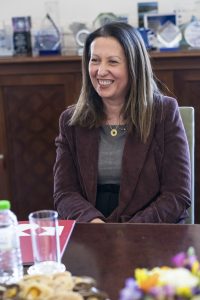
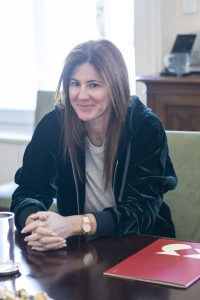
Evangeli Bista, Co-founder of Kapa3 and Head of Strategic Partnerships; Aristea Archontidou, Industrial Informatics Engineer with postgraduate specialisation in Health Policy and Health Services Planning; Anastasia Vlachopoulou, lawyer and member of the Thessaloniki Bar Association, specialised in personal data protection; Dimitris Papadakis, Co-founder and Sales Manager at SimasiaAI and Project Manager of the “Myrto” project; and Giannis Barous, Co-founder and CTO of SimasiaAI, PhD candidate in Computer Science based in San Francisco, who has undertaken the technical component of the project: how the system identifies the right information, how it connects it with reliable sources and how it provides answers that are evidence-based, useful and safe.

About Kapa3

The Cancer Patient Guidance Centre – Kapa3 is a social support, information and navigation organisation for oncology patients, survivors, caregivers and their families. Its aim is to contribute to equal access to oncology care, social protection and the rights associated with the cancer experience.

Every day, Kapa3 supports people who face not only the disease itself, but also a range of practical, administrative, social and psychosocial challenges. Through personalised social guidance, the organisation helps patients and caregivers learn about their rights, understand available benefits and services, navigate administrative procedures and connect with appropriate support structures.

The main pillars of Kapa3’s work include information on social and insurance rights, support in accessing health and social care services, guidance on benefits and procedures, empowerment of patients and caregivers, and connection with professionals, organisations and communities.

As part of its digital strategy, Kapa3 develops digital empowerment and social navigation tools, such as “Myrto”, the Digital Health and Social Rights Navigator. “Myrto” is designed to transform complex legal, administrative and social information into clear and evidence-based guidance for oncology patients, caregivers and citizens, always with human oversight, transparency and respect for the limits of technology.

Kapa3’s philosophy is based on the principle that care is not limited to medical treatment. It includes access to information, social protection, psychosocial support, dignity, empowerment and the ability of every person to know and claim their rights.

Through collaborations with health and social care professionals, academic and research institutions, civil society organisations, public structures, volunteers and communities, Kapa3 seeks to build bridges between the patient, information, services and real access.
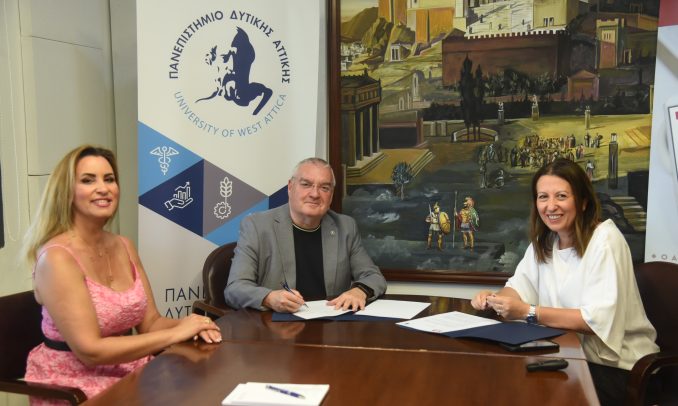
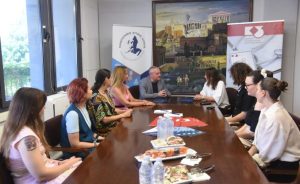
Memorandum of Understanding between the University of West Attica—specifically the Department of Occupational Therapy—and the NGO KAPA3.

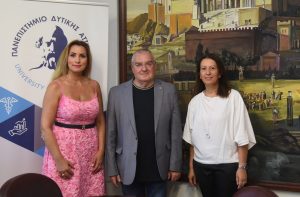
On Tuesday, June 9, a meeting was held to sign a Memorandum of Understanding between the University of West Attica—specifically the Department of Occupational Therapy—and the NGO KAPA3.

The meeting was attended by the Rector of the University of West Attica, Panagiotis Kaldis Penelope Vlotinou, Assistant Professor in the Department of Occupational Therapy Evangelia Bista, co-founder of the organization, as well as representatives from both organizations, including the interdisciplinary team of KAPA3: Despoina Chrysostomou, Psychologist Katerina Georgiopoulou, Social Worker Yiannis Kontogiorgis, Psychologist, and Eleftheria-Irini Polyzoti, an intern from the Department of Social and Educational Policy, as well as students from the Occupational Therapy Department.

During the meeting, a constructive discussion took place regarding the prospects for cooperation between the two organizations, with the aim of developing joint actions and initiatives that will contribute to strengthening education, research, social contribution, and the connection between the academic community and society.

In this context,  it was decided in April to jointly organize a major scientific conference, which will focus on an interdisciplinary and holistic approach to health, on combating social inequalities in healthcare, as well as on the management of chronic disease. The aim of this initiative is to raise community awareness, facilitate the exchange of expertise among professionals and scientific bodies, and disseminate scientific knowledge and information to the general public.

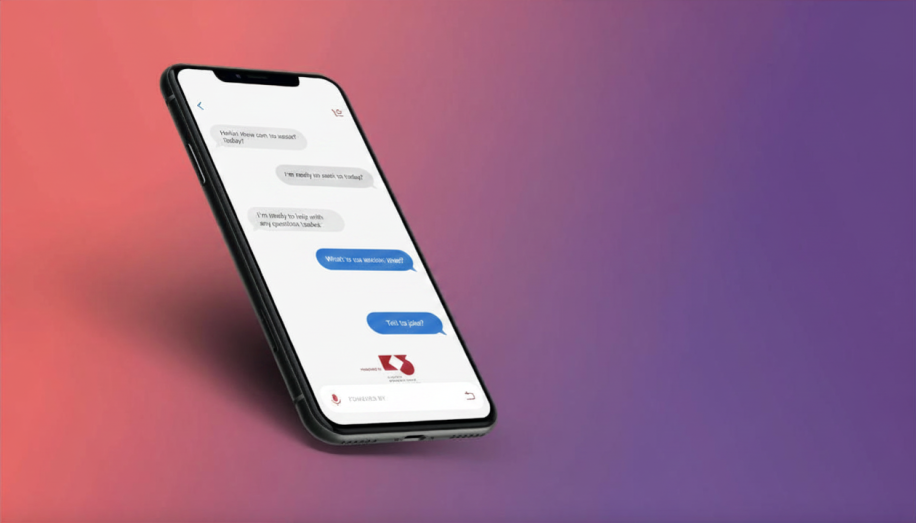
Special mention was made of the innovative work of KAPA3, the digital Health Navigator “Myrto,” a modern artificial intelligence tool currently under development and designed to support cancer patients, their families, and their caregivers. “Myrto” will function as a digital assistant (Chatbot) and Health and Rights Navigator, providing immediate, reliable, and personalized information on health, social welfare, rights, benefits, and available support services. The project aims to empower patients, improve their access to information, and reduce inequalities in health and social care through the use of digital technologies and artificial intelligence applications. The development of “Myrtos” represents a pioneering application of social artificial intelligence in the field of oncology care in Greece and is part of KAPA3’s strategy to promote innovation, accessibility, and the active participation of patients in managing their own health.

The meeting concluded in a particularly positive atmosphere of mutual appreciation and recognition. In this context, the Department of Occupational Therapy at the University of West Attica made a symbolic gesture toward the representative of KAPA3, Evangelia Bista, presenting her with a commemorative gift as a token of appreciation for her many years of valuable social contribution in the field of support for cancer patients. At the same time, as a gesture of hospitality and appreciation, the team was offered a specially produced wine, which is an original creation of the University of West Attica.


There is an urgent need for psychological support for cancer patients. The KAPA3 team explains and advocates for this

There is an urgent need for psychological support for cancer patients. The KAPA3 team explains and advocates for this

Every day, healthcare professionals are called upon to communicate with, assess, and, above all, support people who are going through cancer.

Does cancer affect only physical health, or does it also have a profound impact on a person’s psychological, social, and emotional life? The needs that arise during the course of the illness are many and are often accompanied by the question: “What does the disease really bring to a person’s life?” A cancer diagnosis brings about significant changes in daily life, relationships, social roles, and the way a person perceives themselves and their future.

A cancer diagnosis is an extremely stressful event, often accompanied by feelings of fear, uncertainty, anxiety, and grief. At the same time, patients are called upon to cope with the effects of treatments such as chemotherapy, radiation therapy, and surgery. Changes in physical appearance, fatigue, pain, and limitations in daily functioning can significantly affect their self-esteem and quality of life (Pitman et al., 2018).

Uncertainty regarding the course of the disease and the likelihood of relapse are significant sources of psychological distress. The extent of this phenomenon is reflected in the meta-analysis by Mitchell et al. (2011), which included 94 studies and more than 14,000 cancer patients. According to the results, 16.3% of patients met the diagnostic criteria for major depressive disorder, 10.3% for anxiety disorder, and 19.2% for adjustment disorder.

These data highlight that a significant proportion of cancer patients experience severe psychological distress, a fact that underscores the need for specialized psychological support.

Furthermore, cancer often affects an individual’s family and social relationships. The patient may be forced to limit or abandon professional and social roles, while the family is called upon to adapt to new demands and responsibilities, experiencing significant psychological strain of their own (Northouse et al., 2010).

Cancer patients have an increased need for psychological support, as the disease significantly affects their psychological, social, and emotional functioning. Fear of the disease’s progression, uncertainty about the future, the side effects of treatments, and the possibility of recurrence are major sources of psychological distress. At the same time, the experience of cancer is often accompanied by feelings of loss of control, fear, and emotional distress. The contemporary psycho-oncology literature recognizes that the early identification of psychosocial needs and the provision of appropriate interventions are an integral part of holistic oncology care (Caruso & Breitbart, 2020; Mehnert-Theuerkauf et al., 2023).

Within this context, psychological support is a key component of holistic care for cancer patients. Holistic care refers to a comprehensive approach that takes into account not only the patient’s physical needs but also the psychological, social, and spiritual dimensions of their health. Counseling, psychotherapy, and support groups provide a safe space for expressing emotions and building psychological resilience (National Comprehensive Cancer Network [NCCN], 2024).

At the same time, they help improve adherence to treatment, strengthen cooperation with healthcare professionals, and maintain quality of life. As Holland and Weiss (2008) argue, psychosocial care is an integral part of high-quality oncology care, from diagnosis through the survival phase.

In conclusion, the experience of cancer is a complex and multidimensional process that affects every aspect of a person’s life. Managing the disease is not limited solely to physical treatment but requires the recognition and addressing of the psychological and social needs that arise at every stage. Providing timely and systematic psychological support can empower the patient, improve their ability to adapt to the demands of treatment, and contribute significantly to maintaining their dignity, hope, and quality of life. Psychological care should be regarded as a fundamental right of every cancer patient and as an integral part of modern oncology practice.

Coordination of Psychological and Social Services within the Framework of Psychosocial Care

The care of cancer patients is not limited to treating the disease and its physical effects. The needs that arise during treatment are often multifaceted and concern both the individual’s psychological well-being and practical, social, or financial issues that affect their daily life.

For this reason, effective support requires close collaboration among different healthcare professionals within a shared framework of psychosocial care. Within this framework, the Social Services and Psychological Services operate in a complementary manner, with the shared goal of enhancing the individual’s quality of life and overall adjustment to the experience of illness.

A client’s contact with the service can begin either through the Social Services Department or the Psychological Services Department. During the initial contact, an assessment of the client’s needs is conducted, and information is provided about all available support services.

Regardless of the initial request, the beneficiary is informed about the option of receiving psychological support, as the experience of cancer is often accompanied by heightened psycho-emotional needs that are not always apparent from the first contact. With their consent, an internal referral can be made to the Psychological Services Department for further evaluation and support.

The Psychological Services Department is responsible for the initial assessment, obtaining informed consent, and creating an individual support file. A structured series of sessions is then provided, tailored to the beneficiary’s needs. During this process, issues may arise related to social benefits, employment challenges, financial burdens, disability certification procedures, or other practical needs that significantly impact the daily functioning of the individual and their family. In such cases, and always with the beneficiary’s consent, cooperation with Social Services is initiated, and Social Services assumes responsibility for managing the relevant social and administrative matters.

The collaboration between the two services enables the timely identification of new needs and ensures continuity of care. Social Services focuses on the practical, social, and administrative aspects of support, while Psychological Services focuses on psychological resilience, emotional processing of the experience of the disease, and adaptation to the changes it brings about. The collaboration between the two services allows for a more comprehensive response to the needs of the cancer patient. In this way, a unified framework of psychosocial care is established that provides substantial support to the patient and their support network at all stages of their journey with the disease.

At the same time, regular communication and coordination between the two services allow for the timely identification of new needs and ensure continuity of care. The Social Services Department focuses on the practical, social, and administrative aspects of support, while the Psychological Services Department focuses on psychological resilience, emotional processing of the experience of the disease, and adaptation to the changes it brings about. The collaboration between the two services enables a more comprehensive response to the needs of cancer patients. In this way, a unified framework of psychosocial care is established that provides substantial support to the patient and their support network at all stages of their journey with the disease.


Kapa3 – Cancer Patient Guidance Center

Together, with knowledge, care, and a human touch.

Contact us:

https://www.kapa3.gr/epikoinonia/ by typing “Psychological Support” in the Message box

OR CALL

2105221424 – info@kapa3.gr

Athens: 13 Kostis Palamas Street, 3rd floor, (9:00 AM – 5:00 PM) 6982003282

Participation in CA21152 – Implementation Network Europe for Cancer Survivorship Care

Digital Health and Cancer Survivorship: Kapa3 at the INE-CSC 2026 Conference in Coimbra

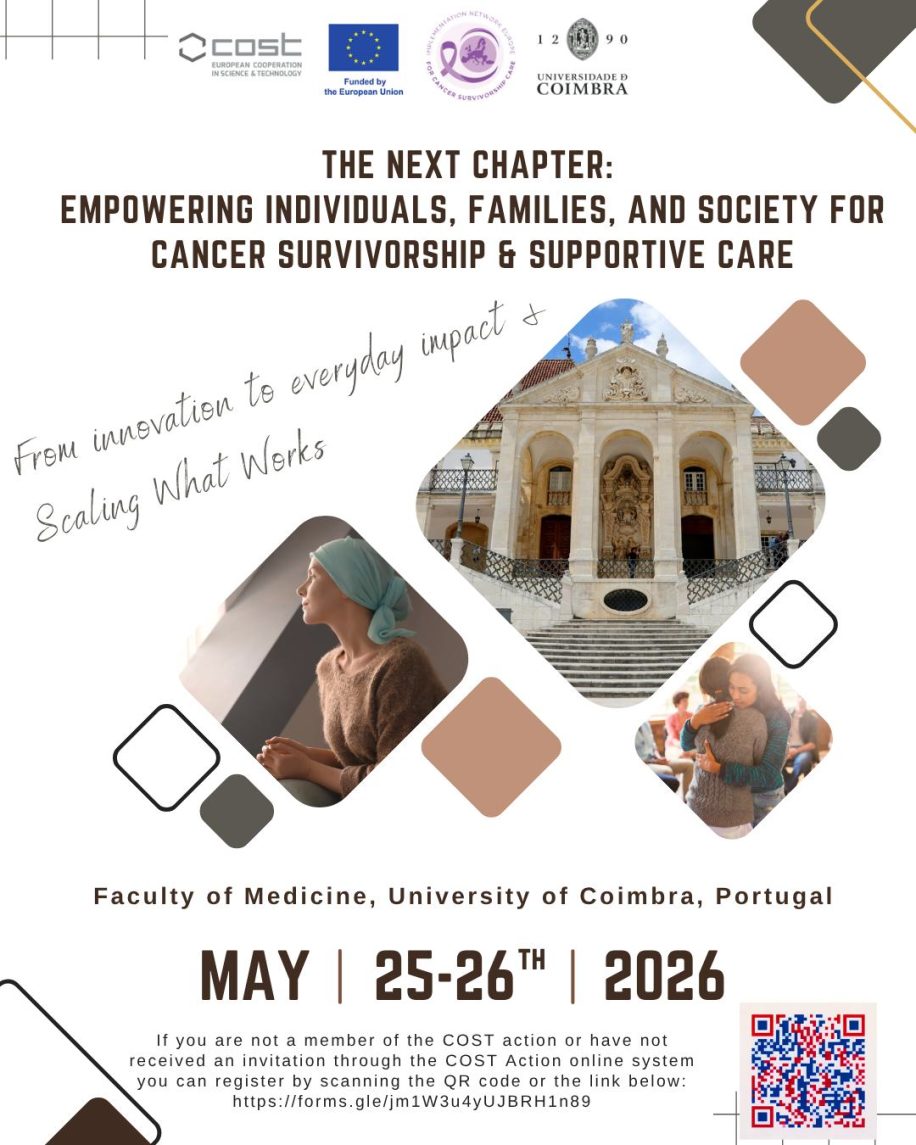
The Cancer Guidance Center – Kapa3 participated in the INE-CSC 2026 Conference, part of CA21152 – Implementation Network Europe for Cancer Survivorship Care (INE-CSC), held on 25–26 May 2026 at the Faculty of Medicine (Polo III), University of Coimbra, in Coimbra, Portugal.

The conference was held under the theme “The Next Chapter – Empowering Individuals, Families, and Society for Cancer Survivorship & Supportive Care”, highlighting the need for new approaches to cancer survivorship, supportive care and the translation of innovation into real-world impact for people living with and beyond cancer, their families and society.

Kapa3’s presence in Coimbra represents another important step in its European engagement and in its ongoing effort to connect everyday experience in supporting cancer patients in Greece with European knowledge, research, digital innovation and health policy.

A key highlight was the participation in a round table discussion on facilitators and barriers to the implementation of digital health tools in oncology. The discussion was co-organised by Aristea Kyriaki Ladas and Christos Frantzidis and brought together voices from different European countries and organisations, including representatives from Kapa3, Acreditar Portugal, Liga Portuguesa Contra o Cancro, ORCO / Madrid Regional Ministry of Health, as well as participants from Poland, Latvia and the United Kingdom.

Among the participants in the round table were Yannis Kontogiorgis and Despoina Pistiolis from Kapa3, Greece, contributing to the European dialogue on digital health, oncology navigation and the participatory development of solutions that respond to the real needs of patients and caregivers.

One of the key messages of the discussion was that digital innovation in oncology is not only a technological challenge. It is also a matter of policy, implementation, equity, trust and accessibility.

For digital tools to make a meaningful difference in cancer care and survivorship, they cannot remain isolated applications or pilot projects. They need to become part of real care pathways, be supported by appropriate policy environments, connect with interdisciplinary practice and be evaluated in terms of effectiveness, implementation readiness, accessibility, equity, sustainability and value.

The discussion also highlighted that digital tools must be designed around the real needs of patients and survivors, not only around technical possibilities. Accessibility across countries, languages, healthcare systems and levels of digital and health literacy must be built in from the beginning.

The role of patient organisations and cancer support communities was also identified as essential. These organisations can act as a bridge between technological innovation and the everyday reality of people affected by cancer. They understand the questions, barriers, fears and needs that are often not fully captured by formal care systems.

For Kapa3, this participation is directly linked to the development of Myrto, its digital health and rights navigator, designed as a tool for empowerment, guidance and support for cancer patients and their caregivers.

Myrto is not approached as a simple information tool. It is being designed as a participatory intervention built around the real needs of people with lived experience of cancer. It is connected to access to rights, social benefits, services, practical guidance and human escalation whenever needed.

The Coimbra experience strengthened the view that digital health must be human-centred, accessible, trustworthy and integrated into a broader ecosystem of care. Technology can meaningfully support cancer care only when it is designed with participation, trust, clear purpose and an equity-oriented approach.

Cancer survivorship is not only about completing treatment. It is about quality of life, mental health, social reintegration, work, family, everyday life, access to services and the feeling that no person is left alone after diagnosis or treatment.

Through its participation in European networks such as INE-CSC, Kapa3 continues to contribute to the dialogue on more equitable, participatory and person-centred cancer care. Care that uses technology without losing sight of the human being at its centre.

The future of cancer support will not depend only on better digital tools, but on better collaboration between patients, caregivers, healthcare professionals, researchers, technology partners, patient organisations and policymakers.

For Kapa3, this is at the heart of its mission: transforming knowledge into action, technology into support, and the voice of patients into services that respond to their real needs.

More information: INE-CSC – Implementation Network Europe for Cancer Survivorship Care.More information:
https://inecancersurvivorship.com

6 Awards for Kapa3 at the 4th Vouliagmeni Summer Crossing: Is There Such a Thing as a “Lonely Race”?

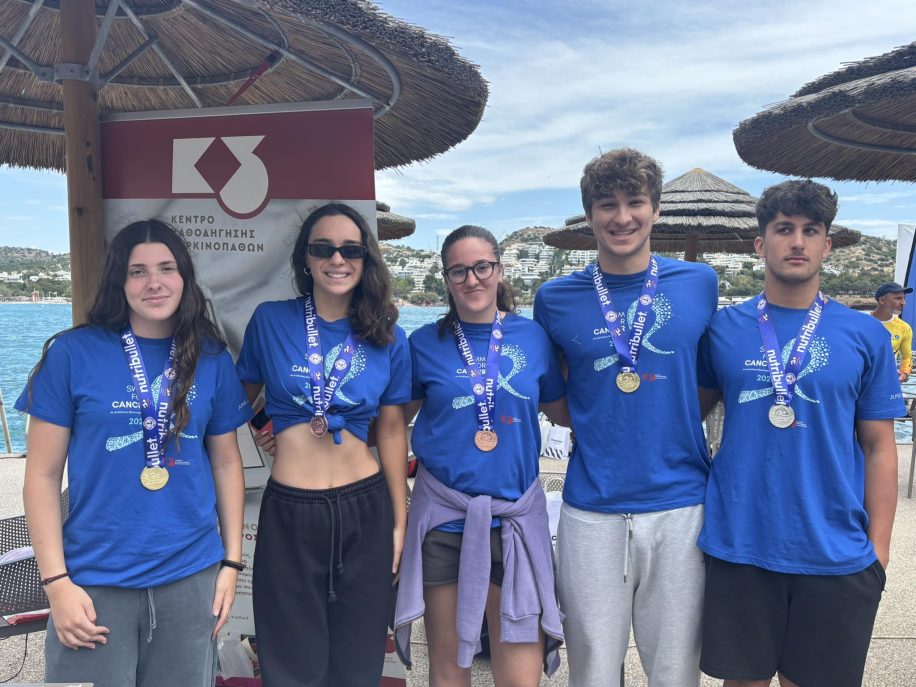
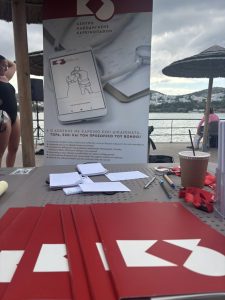
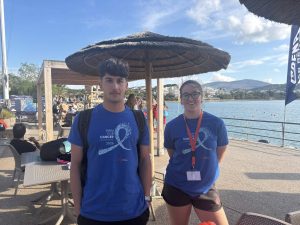
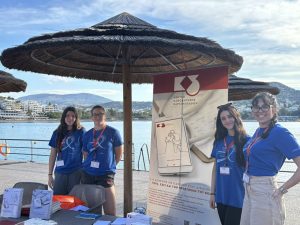
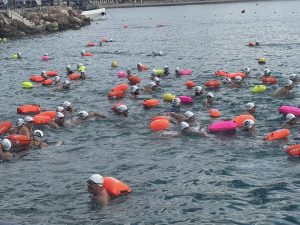
The Cancer Guidance Center – Kapa3 participated with great joy and emotion in the 4th Vouliagmeni Summer Swimming Crossing, an important sports and community event organised by the Vouliagmeni Nautical Club.

This year’s participation was particularly meaningful for all of us. The Kapa3 team received 6 awards, sharing a powerful message of participation, endurance, empowerment and togetherness.

But beyond the awards, what we hold most deeply is the message:

Is there really such a thing as a “lonely race”?

For us at Kapa3, the answer lies in our choice. And our choice is togetherness.

Despoina brought the idea — and much more.
Eirini stayed until the very end.

Leoni, Kalliopi, Giorgos, Christoforos, Athina, Christiana and Aria stood together as a true Winning Team.

They competed in every category, participated in every activity, informed, supported and left their own mark of empowerment, endurance and hope.

Leoni, Kalliopi, Giorgos, Christoforos, Athina, Christiana and Aria stood together as a true Winning Team.

They competed in every category, participated in every activity, informed, supported and left their own mark of empowerment, endurance and hope.

For Kapa3, the 6 awards are not only an athletic distinction. They are a symbol. They represent the power of effort, the importance of persistence and the value of community in every difficult journey.

ust as in the sea, the cancer journey requires rhythm, breath, emotional strength and people by our side. Even when a struggle feels personal, it does not have to be — and should never be — lonely.

Kapa3’s participation in the Vouliagmeni Crossing was an act of presence and awareness. It was a way to remind everyone that support for cancer patients, caregivers and families is not limited to information or access to rights and services. It is also about creating a community that stands beside people, encourages them and reminds them that they are not alone.

The sea carries a powerful symbolism. It represents the journey, uncertainty, effort, endurance, but also freedom. Every participant in the Crossing carries their own story, their own effort and their own path. For us at Kapa3, this image is deeply connected to the experience of people affected by cancer.

At Kapa3, we know that the experience of cancer is not limited to treatment. It is connected to everyday life, emotional resilience, access to information, rights, social benefits, transportation, work, family, uncertainty and the need for human presence.

This is why every community action we participate in has a dual purpose: to inform and to unite. To make visible the need for equal access to care, while also reminding everyone that support is not an abstract concept. It is presence. It is care. It is listening. It is guidance. It is the hand that helps someone keep going.

The 4th Vouliagmeni Summer Crossing was another moment of outreach, participation and empowerment for Kapa3. A moment that showed that strength is not found only at the finish line, but also in the decision to start, to try and to keep going.

We are grateful for the support, the care, the participation and the result.

We warmly thank the Vouliagmeni Nautical Club for organising the event, as well as everyone who participated, supported and stood beside us in this initiative.

We continue to choose togetherness at Kapa3.

Because even when a race is individual, it should never be lonely.

New MELODIC Scientific Publication on the Mental Health of Young Adults with Cancer

Kapa3 participates in the new scientific publication of the European MELODIC project, entitled:

“Educational Needs Regarding Mental Health of Professionals Working with Young Adults with Cancer: A European Survey.”

The publication addresses a highly important issue in contemporary cancer care: the educational needs of healthcare professionals working with young adults with cancer, particularly in relation to recognising and supporting mental health concerns.

Young adults experiencing cancer often face complex psychosocial challenges. Diagnosis, treatment, changes in daily life, impact on studies, work, relationships, body image and future planning can deeply affect their mental health and quality of life.

The European study, involving 271 healthcare professionals from 21 countries, highlighted an important gap between professionals’ willingness to support patients and the systematic use of validated assessment tools. While approximately half of the participating professionals reported feeling confident in identifying mental health issues, only a small percentage reported using validated screening tools.

This finding is particularly important. It shows that awareness and professional experience are valuable, but they are not enough on their own. Targeted education, appropriate tools, interdisciplinary collaboration and clear support pathways are needed so that the needs of young adults with cancer can be recognised early and addressed in a comprehensive way.

The message of the publication is clear: the education of healthcare professionals can make a meaningful difference in the early recognition, support and care of young adults with cancer.

At Kapa3, this approach is a core principle of our work. Before every intervention and every support action, there is education, information and empowerment of the people who stand beside patients.

Kapa3 professionals and collaborators are trained, informed and actively involved in European projects such as MELODIC, ensuring that the support provided is evidence-informed, human-centred and meaningful.

Kapa3’s active participation in such scientific initiatives strengthens its role as an organisation that connects research with practice, European knowledge with real patient needs, and education with everyday care.

We are proud of our participation in the MELODIC project and of our contribution to a European effort that highlights the importance of mental health, early recognition and targeted education in cancer care.

More information: https://lnkd.in/e9Pw4epy

Alpha Bank and Its Employees Support Kapa3 through the Match for Good Initiative

The Cancer Guidance Center – Kapa3 warmly thanks Alpha Bank and its employees for their meaningful support through the Match for Good initiative, through which Alpha Bank doubled the contribution of its employees.

Through this initiative, six non-profit organisations from across Greece received financial support during a special event held at Alpha Bank’s headquarters, in the presence of representatives of the organisations. The event was hosted by the Chairman of Alpha Bank’s Board of Directors, Mr. Dimitris Tsitsiragos, and the Chief Human Resources Officer, Ms. Fragiski Melissa.

Mr. Dimitris Tsitsiragos highlighted that the Match for Good initiative puts into practice Alpha Bank’s commitment to consistently support organisations that create a positive social impact. He underlined that when the individual contribution of employees is combined with the Bank’s support, it becomes a collective force with tangible results.

Ms. Fragiski Melissa noted that Match for Good reflects the Bank’s new culture in practice, giving employees an active role in selecting, participating in and supporting initiatives with social value.

Kapa3 was represented by Ms. Evangeli Bista, co-founder of the Organisation, and Ms. Despoina Chrysostomidou, collaborating psychologist. During the event, they had the opportunity to present Kapa3’s work and discuss the social impact that can be created when corporate responsibility meets the active participation of employees.

For all of us at Kapa3, this support is particularly meaningful. It strengthens our daily effort to stand beside people with lived experience of cancer, as well as their families and caregivers, offering guidance, information, support in accessing rights and services, and practical empowerment tools.

Kapa3 acts as a navigation and support organisation for cancer patients, bridging the gap between need and information, between rights and real access. For many people, especially those living outside major urban centres, the challenge is not only the disease itself. It is uncertainty, bureaucracy, lack of information about available rights, financial burden, transportation difficulties, psychosocial pressure and the need for a reliable companion.

Through initiatives like this, social contribution gains multiplying power and becomes real support for those who need it. The support of Alpha Bank and its employees strengthens Kapa3’s mission: ensuring that no person is left alone when facing cancer, searching for information, navigating procedures or claiming a right they are entitled to.

Health is not only a medical act. It is access, information, dignity, social care and meaningful presence. Every contribution to Kapa3 becomes more guidance, more information, more empowerment and more care for people and families going through a difficult and demanding journey.

We warmly thank Alpha Bank and its employees for their trust, choice and support of Kapa3’s work.

Because when giving becomes collective, it can meaningfully change people’s everyday lives.


20260310 Match For Good Programme Part2 Alpha Bank Via Solid Havas / Thalia Galanopoulou

Match for Good – Alpha Bank (1)

Triple Award for the Kapa3 Team at the Healthcare Business Awards 2023

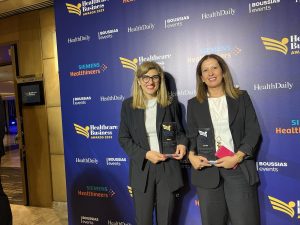
With the participation of leading representatives from the broader healthcare sector, the Healthcare Business Awards 2023 ceremony was successfully held on Monday, October 2023. The institution, which rewards best practices in entrepreneurship, innovation, and social contribution in the healthcare sector, was organized for the 8th consecutive year by Boussias Events and Health Daily.

At this year’s Healthcare Business Awards 2023, during yet another distinguished ceremony by Boussias Events celebrating Excellence in Innovation, Healthcare, Digital Technologies, and Investments, the Kapa3 team was honored for its efforts to establish social support for oncology patients as a core pillar of their holistic care. We firmly believe that such support must be appropriate, sufficient, and provided in a timely manner by the right people.

The fifteen-member judging committee, composed of distinguished scientists and CEOs of healthcare-related companies and organizations, awarded Kapa3 for its overall contribution during its 3.5 years of operation, its persistent and demanding efforts toward equal and universal access for the population, and the creation of frontline collaborative groups. The Evaluation Committee was chaired by Mr. Nektarios Tavernarakis, Vice President of the European Research Council (ERC), Chairman of the Board of the Foundation for Research and Technology – Hellas (FORTH), Professor at the Medical School of the University of Crete, and Board Member of the European Institute of Innovation and Technology. The committee also included executives from the pharmaceutical sector, company consultants, patient associations, leading physicians and academics, as well as representatives of institutional bodies, among others.

With a total of three awards—GOLD, SILVER, and BRONZE—which we owe to all those who believed in and embraced our vision, to the unwavering support of our supporters and sponsors, our valued partners, and our beneficiaries, who with abundant kindness give us the strength to continue. The award categories are as follows:

K3 GOLD AWARD

GOLD Award for the Kapa3 Mobile Information and Management Units
in the category “Social Welfare, Structures”

K3 BRONZE AWARD

BRONZE Award for the Contribution to Health by the Cancer Guidance Center – Kapa3
in the category “Contribution to Health by NGOs”

K3 SILVER AWARD

SILVER Award for the Mobile Information and Management Unit for Oncology Patients at the University General Hospital of Alexandroupolis
in the category “Quality of Services & Patient Care”


A few words about the Mobile Units

The first Mobile Information and Management Unit began operating at Theageneio Anticancer Hospital of Thessaloniki, one of the largest oncology hospitals in Northern Greece, in collaboration with the Research Laboratory “Care of Adult Cancer Patients” of the Department of Nursing at the International Hellenic University. There, K3 staff and volunteers process patient requests guided by the ideal of “personalized care” for oncology patients, as well as by fostering “trust between patients and healthcare professionals.”

Its successful course, along with research and regional mapping, led to the creation of the second Mobile Information and Management Unit. The mapping data and the field experience of Kapa3’s staff guided us to the region of Thrace—an area characterized by geographical particularities, population heterogeneity, and distance from centers of authority.

The second unit operates in a specially designed space within the University General Hospital of Alexandroupolis. Its aim is to provide comprehensive information to patients and their families, ensuring equal access to healthcare structures, the assertion of their rights, and their social reintegration.

Long-term goals of the Mobile Units

  • Improvement of patients’ quality of life

  • Empowerment and active participation of cancer patients in self-care and active prevention

  • Reduction of required human resources and healthcare costs for the long-term management of cancer patients and survivors

  • Creation of a group of informed and empowered patients capable of addressing cancer-related issues, as well as a sensitized local community

Kapa3 was founded in March 2020, with priority given to citizens’ accessibility to beneficial provisions of existing legislation, as well as to the utilization of existing structures and services operating for this purpose throughout Greece.

In collaboration with related private-interest associations, public services, NGOs, and other solidarity bodies, Kapa3 succeeded in creating a website that functions as a continuously updated and renewed guide to Rights and Benefits for people living with cancer, while mobile information and management teams operate in parallel, ensuring equal access for patients and caregivers.

However, nothing would have been achieved without faith in the work of Kapa3 and in the vision of providing holistic care to oncology patients—a vision first embraced by the members of the Kapa3 team, who stand on the front line, acting with a human-centered approach focused on patients and their families.

The strength of this team, together with our valued partners, enables actions and initiatives with maximum social impact and outstanding new collaborations with entities such as academic institutions, major hospitals across the country, scientific societies, and, of course, civil society organizations.

On behalf of the entire Kapa3 team,

we thank you from the bottom of our hearts.

Press Release

Translation: Ifiyenia Anastasiou for Kapa3