Depression and Cancer Mortality: A Critical Link Across Major Cancer Types

Depression is a common but often underrecognized condition among cancer patients, affecting up to 20–30% of individuals diagnosed with the disease. Beyond its impact on quality of life, mounting evidence suggests that depression can significantly influence cancer outcomes, including survival. A recent meta-analysis of 65 cohort studies spanning colorectal, breast, lung, prostate, and mixed cancers provides compelling evidence that depression diagnosed after a cancer diagnosis is associated with a substantially increased risk of mortality.

The analysis revealed that patients with depression faced an 83% higher risk of dying from colorectal cancer, a 59% higher risk in lung cancer, a 74% higher risk in prostate cancer, and a 23% higher risk in breast cancer compared to non-depressed patients. Across mixed cancer types, depression increased the risk of cancer mortality by 38%. These findings underscore that the psychological burden of cancer is not merely an emotional challenge but a critical factor affecting survival outcomes.

Mechanisms Linking Depression and Cancer Outcomes

Depression may influence cancer progression through multiple biological and behavioral pathways. Biologically, depression is associated with chronic systemic inflammation, dysregulation of the hypothalamic-pituitary-adrenal (HPA) axis, immune suppression, autonomic dysfunction, oxidative stress, and impaired DNA repair. Elevated pro-inflammatory cytokines, including interleukin-6 (IL-6) and tumor necrosis factor-alpha (TNF-α), can contribute to tumor growth and metastasis. In older patients, depression may exacerbate age-related immune dysfunction, creating an environment more permissive to cancer progression.

Behaviorally, depression affects health-related actions and treatment adherence. Depressed patients are more likely to delay seeking medical care, adhere poorly to chemotherapy, radiotherapy, and hormonal therapies, and engage in unhealthy habits such as smoking, poor nutrition, and physical inactivity. Social isolation and reduced support systems further increase vulnerability, compounding the negative impact on survival.

Clinical Implications and Interventions

The strong association between depression and cancer mortality highlights the urgent need to integrate mental health care into routine oncology practice. Psychological interventions, such as cognitive-behavioral therapy (CBT), supportive-expressive therapy, and mindfulness-based approaches, have shown promise in reducing distress and improving adherence to cancer treatment. Pharmacological management, including selective serotonin reuptake inhibitors (SSRIs), may also support mental health and potentially influence cancer outcomes, though more research is needed to understand their role fully. Early identification and treatment of depressive symptoms should be considered a priority for oncologists, mental health professionals, and healthcare policymakers alike.

Limitations and Future Directions

While this meta-analysis provides robust evidence, several limitations should be noted. The observational nature of the studies prevents establishing causality, and differences in study design, depression assessment methods, and patient populations contribute to heterogeneity. Future research should explore longitudinal and randomized studies to clarify causal pathways and identify the most effective interventions to reduce depression-related mortality. Investigating the interactions between depression, inflammation, and cancer biology may also reveal targets for novel supportive therapies.

Depression is not just a psychological burden for cancer patients—it is a significant predictor of mortality across multiple cancer types. These findings call for systematic depression screening and tailored interventions as integral components of oncology care.

Organizations like Kapa3 play a vital role in supporting the mental health of cancer patients, offering resources and guidance that can improve both quality of life and treatment outcomes. Integrating psychological support into cancer care ensures that mental well-being is recognized as an essential part of the healing process.
In line with this mission, Kapa3 participates in MELODIC, a new European initiative dedicated to supporting the mental health of young adults (18–30 years old) living with or beyond cancer.

Read the original article here

Read more on MELODIC project here

Explore more about mental health through a selection of articles on our website: article1 article2,article3, article4, article5, article6 

Text/adaptation: Ifiyenia Anastasiou for Kapa3


The Power of Social Support in Cancer Care

Why connection is as vital as treatment

Mental health professionals consistently emphasise the value of a strong social support network. Social support is among the strongest predictors of emotional well-being and overall quality of life. It refers to the extent to which our social and emotional needs are met through the people and communities around us, such as family, friends, colleagues, and groups that share our values and experiences.

Group interventions, for example, have been shown to reduce psychological stress by providing individuals with chronic illnesses the opportunity to connect and share experiences (Jackson et al., 2019).  Studies have found that cancer patients who felt more supported by family, friends, or their community experienced less distress, coped more effectively, and had a greater sense of control during treatment. Tangible support, in particular, was more significant for older patients, who may face greater physical challenges due to age or disability (Ahmad et al., 2013).

Furthermore, social support fosters optimism and resilience, which are key factors that help patients adapt to illness. By strengthening hope and inner confidence, social connections help protect against anxiety and depression, acting as a buffer against the emotional impact of stress (Ruiz-Rodríguez et al., 2022).

But what comes first — support or coping? The systematic review by Bottaro and colleagues (2023) suggests the relationship is bidirectional: people who receive strong support cope better, and those who cope better are more likely to seek and maintain strong relationships. It’s a cycle of connection that reinforces recovery.

The source of support also plays a crucial role. Patients often view family, friends, and partners as the most important sources of support for coping with diagnosis and treatment. However, when the type of support offered doesn’t align with the patient’s needs, it can feel less meaningful or even unhelpful.

While loved ones form the core of emotional care, healthcare professionals are often the first and most consistent source of reassurance. According to the literature, patients who feel heard, respected, and well-informed by their medical team cope more effectively and experience less anxiety. Ruiz-Rodríguez and colleagues highlight that optimism and resilience grow when medical staff communicate openly and offer encouragement. Compassionate communication from healthcare providers strengthens patients’ ability to manage their illness, creating a positive feedback loop between support and wellbeing (Bottaro et al., 2023).

At Kapa3, we witness this truth daily. Through our community programs, research, and advocacy, we work to create environments where no one faces cancer alone. Social support is not only emotional, it’s practical, cultural, and profoundly human. Healing doesn’t happen only in hospitals; it happens in homes, workplaces, and communities.

 References

Ahmad, M., Khan, M. A., & Shirazi, M. (2013). Perception of Social Support by Cancer Patients. International Journal of Psychology and Behavioral Sciences3(5), 115–122. https://doi.org/10.5923/j.ijpbs.20130305.01

Bottaro, R., Craparo, G., & Faraci, P. (2023). What is the direction of the association between social support and coping in cancer patients? A systematic review. Journal of Health Psychology28(6), 135910532211311. https://doi.org/10.1177/13591053221131180

Jackson, M., Jones, D., Dyson, J., & Macleod, U. (2019). Facilitated group work for people with long-term conditions: A systematic review of benefits from studies of group-work interventions. British Journal of General Practice69(682), 363–372. https://doi.org/10.3399/bjgp19x702233

Ruiz-Rodríguez, I., Hombrados-Mendieta, I., Melguizo-Garín, A., & Martos-Méndez, M. J. (2022). The importance of social support, optimism and resilience on the quality of life of cancer patients. Frontiers in Psychology13. https://doi.org/10.3389/fpsyg.2022.833176


Article by: Despina Chrysostomidou, Psychologist for Kapa3 Research Insights


Kapa3 at the Patients Summit 2025: A strong voice for cancer patients and their families

The Patients Summit 2025—the annual nationwide meeting organized by the Hellenic Patients Association—was successfully completed with great success. The event has become the leading forum for dialogue and collaboration among patient organizations across Greece. This year’s conference brought together representatives of patient associations, healthcare professionals, and policymakers to strengthen the voice of patients and shape a more humane, participatory, and effective healthcare system.

Participants exchanged experiences, presented best practices, and discussed key issues such as sustainability of patient associations, access to innovative treatments, the use of digital health tools, and patient empowerment in decision-making.

Through thematic panels and interactive workshops, the event highlighted the need for cooperation, transparency, and the use of data to drive targeted solutions with real social impact.

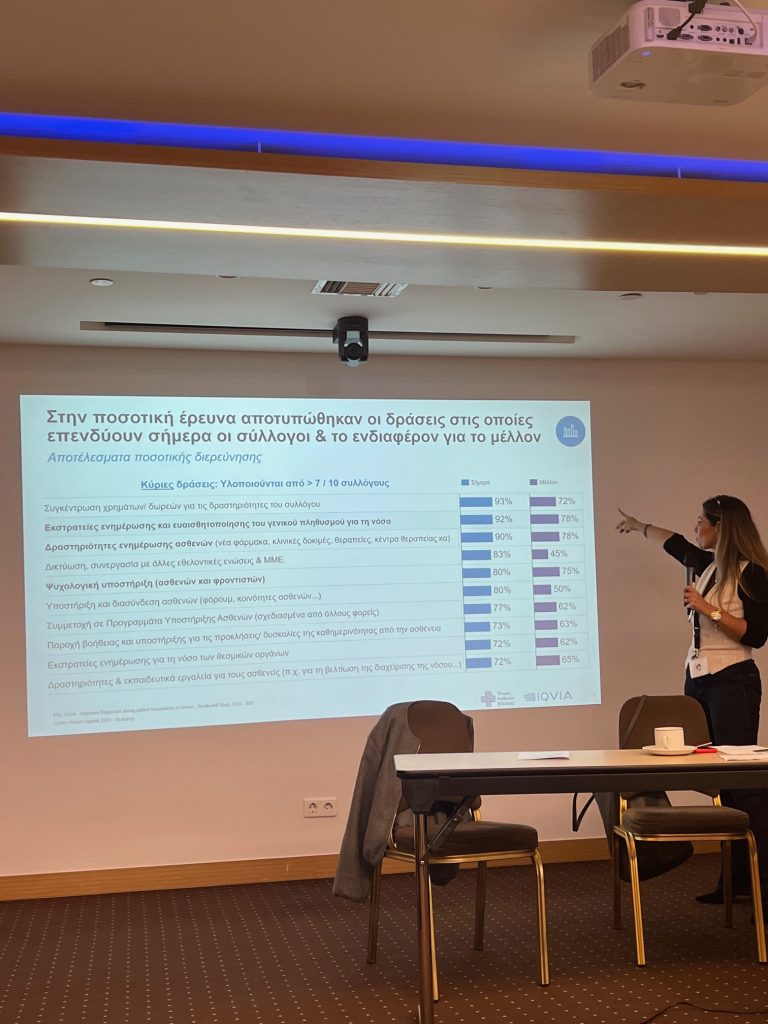
Kapa3 actively participated in the Summit, representing cancer patients and their families. A highlight of its presence was its contribution to the Strategic Workshop: “How do we measure our value?”, where Kapa3 presented its approach and operational philosophy on data collection and utilization as a tool for developing innovative initiatives.

For Kapa3, data collection is a key process in understanding the real needs of its beneficiaries. As emphasized during the session, data analysis—conducted in collaboration with the organization’s biostatistician, Mr. Konstantinos Tzanas—helps Kapa3 design targeted and evidence-based strategies. Continuous evaluation by patients themselves enables the adaptation of services and the development of innovative solutions that have a tangible, positive impact on their lives.

Kapa3’s presence at the Patients Summit 2025 underscored the importance of collaboration, scientific evidence, and collective action. The organization remains committed to amplifying the voice of cancer patients through knowledge, innovation, and transparency—values that can truly transform the patient experience and contribute to a fairer, more humane healthcare system for all.


October 25 – World Breast Cancer Awareness Day

October 25 has been established as World Breast Cancer Awareness Day, a day dedicated to raising awareness, promoting prevention, and supporting people living with this disease. Breast cancer is the most commonly diagnosed cancer among women worldwide, affecting approximately 2.3 million women each year, with 670,000 deaths, while in Greece around 6,000 new cases are diagnosed annually (Source: Globocan 2025). These are not just numbers—they are mothers, sisters, daughters, and friends who deserve hope and dignity.

Survival chances depend on access to early detection and effective treatment: in high-income countries, the five-year survival rate exceeds 90%, while in countries such as India it is 66% and in South Africa only 40%. These inequalities highlight the urgent need for coordinated international action, as incidence and mortality are projected to rise by 40% by 2050 if current trends continue.

Breat scancer does not affect only women—around 1% of diagnoses occur in men, a fact often overlooked. Awareness and education must be inclusive so that no one is left unprotected.

The WHO Global Breast Cancer Initiative, established in 2021, works with countries to reduce breast cancer mortality by strengthening health systems and facilitating access to diagnosis and treatment.

At the same time, psychosocial support for patients and their families is crucial, as a diagnosis affects all aspects of life, from work to daily routines and mental well-being.

International Breast Cancer Awareness Day also calls on communities, health organizations, and authorities to collaborate to improve access to screening and treatment services. Raising awareness about risk factors—such as genetics, age, and lifestyle—and promoting healthy habits helps prevent the disease and reduce health inequalities.

Every individual can contribute: schedule a mammogram, remind friends to do the same, support nonprofit organizations, or participate in awareness activities. Even small gestures, like wearing a pink ribbon or sharing reliable information on social media, make a difference.

At Kapa3, we believe that every woman and person living with cancer deserves support, knowledge, and access to high-quality treatments. Through initiatives in awareness, social support, and empowerment, our goal is to build a society where no life is endangered by lack of information, resources, or care, and wher

e hope and solidarity become powerful allies in the fight against the disease.

Read more on breast cancer:

https://www.kapa3.gr/en/raising-the-standards-europe-s-qa-scheme-for-breast-cancer-services/

Understanding Breast Cancer Risk Factors: What You Can and Can’t Change

October – Breast Cancer Awareness Month

Sources: https://gco.iarc.fr/en

https://www.who.int/initiatives/global-breast-cancer-initiative

https://www.who.int/news-room/fact-sheets/detail/breast-cancer

Text/adaptation: Ifiyenia Anastasiou for Kapa3

KAPA3 at the ESMO Congress: Inspiration and Confirmation That We Are Moving Towards the Future

From October 17 to 20, we attended the ESMO World Congress in Berlin. The event stood out for the active participation of the Greek medical community, which led presentations on clinical data, Real-World Evidence, and up-to-date education in collaboration with the global oncology community. At the same time, Greek teams received awards in various areas (medical, nursing, institutional), inspiring us all with hope for the ongoing developments in oncology care.

Our main goal as KAPA3 was to focus on research addressing the real needs of the population within the framework of the global community. Collaborating with healthcare professionals from around the world allowed us to gather valuable knowledge and experiences. The intensive sessions and discussions broadened our understanding and prompted reflection on the next steps.

Key challenges identified for the patient advocacy community were:

  1. Mandatory multidisciplinary assessment before starting treatment
    No patient should begin treatment without undergoing a multidisciplinary assessment, including an oncology nurse, social scientist, and psychologist. This should be considered the minimum standard for all cancer patients.
  2. Certification and quality of multidisciplinary teams
    It is our duty to ensure that these teams meet quality standards. Their certification is undoubtedly complex. However, for us at KAPA3, multidisciplinary care is a fundamental criterion for service provision and must be certified. Quality care can significantly improve patient outcomes, as shown by clinical studies and research presented at this year’s congress, with potential improvements in overall survival of up to 10% (Sweden).

We are deeply proud that our work is guided by these standards precisely. In an era of remarkable progress in medicine and new therapies, we continue to strengthen the institution of research and multidisciplinary care, ensuring accessibility and patient-centered approaches aimed at quality of life.

This is the third time we have presented our efforts at an ESMO congress, in collaboration with the International University and the Nursing Department, highlighting our presence at every level. Meanwhile, trainings for other healthcare professionals take place annually within our organization in collaboration with Greek universities.

For Greek patients and their environment, we have not yet reached a point where the quality of care is considered a key objective for the entire oncology community. Our aim is to align with efforts across Europe so that, in the future, multidisciplinary assessments from the first day of diagnosis become standard practice within therapeutic protocols.

At KAPA3, we understand that quality care, inherently multidisciplinary, requires collective effort and collaboration between organizations and professionals to determine the best possible standards.

EGFR: An “Old Target” Gaining New Life in Cancer Research

When science moves forward step by step

Progress in oncology does not always come with dramatic announcements. Often, it is found in studies that show small but meaningful steps. One such case is a recent review in JAMA Oncology exploring new targeted therapies for head and neck cancer — a type of cancer often linked to smoking, alcohol consumption, or HPV infection. At Kapa3, we closely follow these developments to keep patients and their families responsibly informed,

Researchers focused on a protein called EGFR (Epidermal Growth Factor Receptor). Approximately 90% of patients with this type of cancer show overexpression of the protein, making it an attractive target for therapy. In the past, drugs such as cetuximab attempted to “block” EGFR activity, but results were limited. Patients experienced modest improvements without a significant increase in survival.

The new generation of research goes a step further. Combination therapies are being explored, such as targeting EGFR alongside immunotherapy (e.g., pembrolizumab), which strengthens the body’s defense against cancer cells. In early studies, this combination showed response rates around 45% and a median survival of approximately 18 months in patients for whom previous treatments had failed — results that, while not dramatic, are considered encouraging for this disease.

Scientists now understand that the success of targeted therapy depends on multiple factors. In many patients, cancer cells eventually develop resistance, “learning” to bypass the drug’s effect. In addition, cancers linked to HPV appear to behave differently from those that are not, opening new avenues for more personalized approaches.

Research is also focusing on identifying biomarkers — molecular indicators that can show which patients are most likely to benefit from a particular therapy. If these tools prove reliable, they could lead to more targeted, effective, and safer treatments in the future.

At the same time, newer forms of drugs are being tested, such as bispecific antibodies and antibody–drug conjugates, which aim to target cancer cells with greater precision. All of these efforts are still in early clinical trial stages, aiming to improve efficacy and reduce side effects.

The key message of this research is not that a “new drug that beats cancer” has been found, but that science continues to search, test, and learn. Every small step, every percentage of improvement, every new idea paves the way for future progress.

For people living with cancer — and their families — hope lies not only in major breakthroughs and new treatments but also in the certainty that thousands of researchers around the world are tirelessly working to make each next step a little closer to life. Because in science, as in life, progress is often measured not in leaps but in steady, human steps. At Kapa3, we are committed to sharing this news in a clear and useful way for everyone.

Read the review here

Sources:

Hwang W. et al. “Emerging EGFR-Targeted Therapy in Head and Neck Cancer: A Review.” JAMA Oncology (2025).
World Health Organization – Cancer Research Updates

Text/adaptation: Ifiyenia for Kapa3

Continuing the Journey: Holistic Body and Mind Care with Kapa3 and the University of the Peloponnese

After the first round of meetings held in April (see the related article here), focusing on Nutritional Guidance and Experiential Psychological Support, Kapa3 and the University of the Peloponnese continue their collaboration with a new series of experiential workshops dedicated to the holistic care of body and mind.

The meetings are open to people living with cancer, caregivers, and healthcare professionals — to anyone seeking a space for genuine communication, understanding, and empowerment.

In this new cycle, mental health and nutrition are approached as two sides of the same care.

In the mental health sessions, participants learn to recognize and manage challenging emotions such as anxiety or fear, strengthen their resilience, and cultivate a deeper connection with themselves and others.

At the same time, the nutrition sessions explore how balanced and mindful eating can support the body, enhance energy and mood, and become an act of self-care and self-respect. Food is not only a necessity but also a way to show love — to the body, the soul, and to life itself.

The meetings are held online and are based on dialogue, experiential learning, and the sharing of personal experiences. Everyone participates at their own pace, in a warm environment of acceptance and trust.

To express your interest: Registration Form for the Support Group for People with Cancer

Text/adaptation: Ifiyenia for Kapa3

Understanding Breast Cancer Risk Factors: What You Can and Can’t Change

October is Breast Cancer Awareness Month — a time to raise awareness, share knowledge, and remind ourselves of the importance of early detection and prevention. One of the most common questions people ask is: “What can I do to lower my risk of breast cancer?”

The truth is that while doctors don’t know exactly what causes breast cancer, research has identified certain factors that increase the likelihood of developing the disease. Some of these are beyond our control, while others are linked to lifestyle choices and can be modified. By learning the difference, we empower ourselves to take the best possible care of our health.

Unchangeable Risk Factors

Some risk factors cannot be avoided. These include:

  • Sex: Being female or assigned female at birth is the biggest risk factor.
  • Age: Risk increases with age; two out of three invasive breast cancers occur in women 55 or older.
  • Family History and Genetics: A family history of breast cancer or inherited genetic mutations (such as BRCA1/2) increases risk.
  • Personal History: Women previously diagnosed with breast cancer are more likely to develop it again.
  • Past Radiation: Radiation to the chest or face before age 30 raises risk.
  • Certain Breast Conditions: Some non-cancerous breast changes are linked to higher risk.

Lifestyle-Related Risk Factors

Our daily habits and choices also play a significant role:

  • Weight: Being overweight, especially after menopause, increases risk.
  • Physical Activity: Lack of regular exercise is linked to higher risk.
  • Smoking and Alcohol: Both are associated with increased breast cancer risk.
  • Hormonal Factors: Use of hormone replacement therapy (HRT) or hormonal contraception may raise risk in some women.
  • Reproductive History: Age at first childbirth, number of pregnancies, and breastfeeding history all influence risk.
  • Menstrual History: Early onset of menstruation is associated with slightly higher risk.

Emerging Risk Factors

Research is ongoing, but some additional factors are being studied, such as:

  • Low vitamin D levels.
  • Night-shift work and exposure to bright light at night.
  • Exposure to chemicals (in food, plastics, cosmetics, sunscreens, pesticides, pollution).
  • Frequent consumption of grilled or smoked meats.
  • High levels of air pollution.

Myths and Misconceptions

It’s equally important to clear up what does not increase risk. Research shows no evidence that abortion, antiperspirants, bras, or dairy products cause breast cancer.

We may not be able to control every risk factor, but every small step toward a healthier lifestyle truly makes a difference. Exercise, balanced nutrition, limiting alcohol, and avoiding smoking are not just prevention measures — they’re acts of daily self-care.
At Kapa3, we believe that awareness and support save lives. No one is ever alone on this journey. We promise to continue to speak openly, share knowledge, and stand beside every woman. Because awareness is not about fear; it’s about strength, hope, and small steps toward a healthier tomorrow.

Read More here: https://www.breastcancer.org/risk/risk-factors

Text/Adaptation: Ifiyenia for Kapa3

Raising the Standards: Europe’s QA Scheme for Breast Cancer Services

The European Quality Assurance (QA) Scheme for Breast Cancer Services, part of the European Commission Initiative on Breast Cancer (ECIBC), is a voluntary certification program covering the full care pathway—from screening to palliative care.

Designed to support quality improvement across Europe, it provides evidence-based guidelines and common quality and safety requirements.

The scheme has been piloted in multiple European countries, confirming its feasibility and usefulness in real healthcare settings. Services meeting the standards can apply for accredited certification, ensuring consistent, high-quality care.

The program is coordinated by the Joint Research Centre (JRC) in collaboration with DG SANTE, under Europe’s Beating Cancer Plan.

To learn more, click here 

October 17 – International Day for the Eradication of Poverty

October 17 has been established by the United Nations as the International Day for the Eradication of Poverty, a day dedicated to raising awareness and taking action against a phenomenon that continues to affect millions of people worldwide. The observance began in 1987, when thousands of citizens gathered in Paris to honor the victims of extreme poverty and advocate for a more just and equitable future for all.

Poverty is not only about lack of income—it affects access to education, healthcare, housing, employment, and mental well-being. For people living with serious or chronic illnesses, such as cancer, financial insecurity further complicates daily life, limiting access to treatments, medications, and supportive services.

According to the latest Hellenic Statistical Authority data (Income and Living Conditions Survey 2024), 26.9% of Greece’s population—approximately 2.74 million people—is at risk of poverty or social exclusion, an increase compared to the previous year. Greece ranks second in the EU after Bulgaria, highlighting the difficulty households face in coping with inflation, the energy crisis, and limited social protection.

Globally, according to the United Nations World Social Report 2025, over 690 million people live in extreme poverty (less than $2.15 per day), while 1.1 billion experience multidimensional poverty, lacking access to healthcare, education, and a decent standard of living. Social and economic crises, combined with climate change, disproportionately impact vulnerable households, increasing inequalities and reducing opportunities for stable recovery.

The International Day for the Eradication of Poverty also emphasizes the role of communities and decision-makers in creating inclusive systems. Addressing social determinants of health, ensuring access to essential services, and empowering vulnerable groups are critical to reducing inequalities and improving quality of life. By working together—health professionals, social organizations, and civil society—we can create a world where those facing illness are not further burdened by poverty.

At Kapa3, we firmly believe that access to quality healthcare and decent living conditions are fundamental human rights. Poverty and health are interconnected—the one can easily amplify or worsen the other. Through awareness, empowerment, and social support initiatives, we strive to contribute to a society where no one is deprived of the care they deserve, regardless of income. 

Read more: https://www.un.org/en/observances/day-for-eradicating-poverty

https://www.statistics.gr/documents/20181/3d7d2251-2302-9023-5280-a1d962c3a7a5