Kapa3 announces collaboration with SimasiaAI for the development of the Health Navigator “Myrto” (Myrto AI Assistant)

The Kapa3 – Cancer Guidance Center announces its collaboration with SimasiaAI, for the co-development of the Health Navigator Myrto” (Myrto AI Assistant), an artificial intelligence (AI chatbot) designed to enhance digital cancer support for patients with cancer and their families through immediate, reliable, and personalized information.

This initiative is part of Kapa3’s strategic focus on leveraging innovative digital tools to improve access to information, strengthen guidance, and reduce the digital gap often faced by vulnerable groups in the healthcare sector.

The Health Navigator “Myrto” is not just an information tool, but a new form of social artificial intelligence in cancer care support in Greece. It is designed to transform digital information into a more human, accessible, and meaningful experience, allowing users to interact, receive guidance, and access support tailored to their needs.

Through its dual role as a “Patient Empowerment e-Navigator”, the system will function both as a Patient Advocate—providing guidance on patient rights, benefits, and access to healthcare and social services—and as a Health Navigator, offering reliable information to support better understanding and self-management of health-related issues.

At the same time, the Health Navigator “Myrto” aims to enhance health literacy, support the psychosocial dimension of the disease, and highlight available community resources, contributing to the reduction of inequalities in access to information.

Kapa3, with its long-standing experience in guiding and supporting cancer patients, continues to invest in initiatives that promote equal access to information and digital empowerment, utilizing technology with a strong social and human-centered approach.

The collaboration between Kapa3 and SimasiaAI leads to the development and integration of the Health Navigator “Myrto” into Kapa3’s platform, highlighting the importance of cooperation between social organizations and technology providers in creating innovative digital support tools for cancer patients. Through this initiative, the goal is to meaningfully empower patients, support healthcare professionals, and advance more human-centered digital services.

The development of the Health Navigator “Myrto” marks an important step toward a new model of digital care, where artificial intelligence complements human support, enhancing the quality of life of patients and their families.

The Founding Sponsor of the “Myrto”Health Navigator is the TIMA Foundation.

Our Press Release text here: PRESS RELEASE SIMASIA AI

Text: Ifiyenia Anastasiou for Kapa3

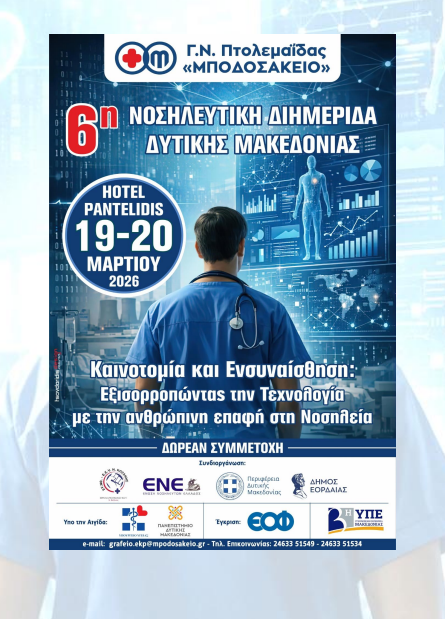
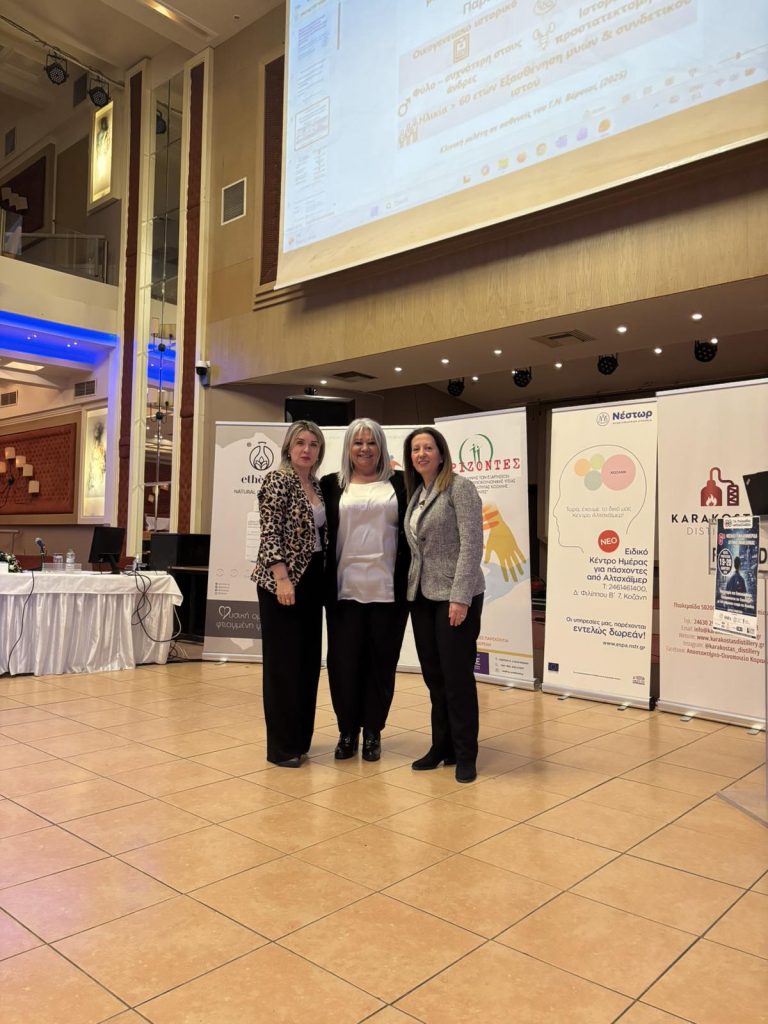
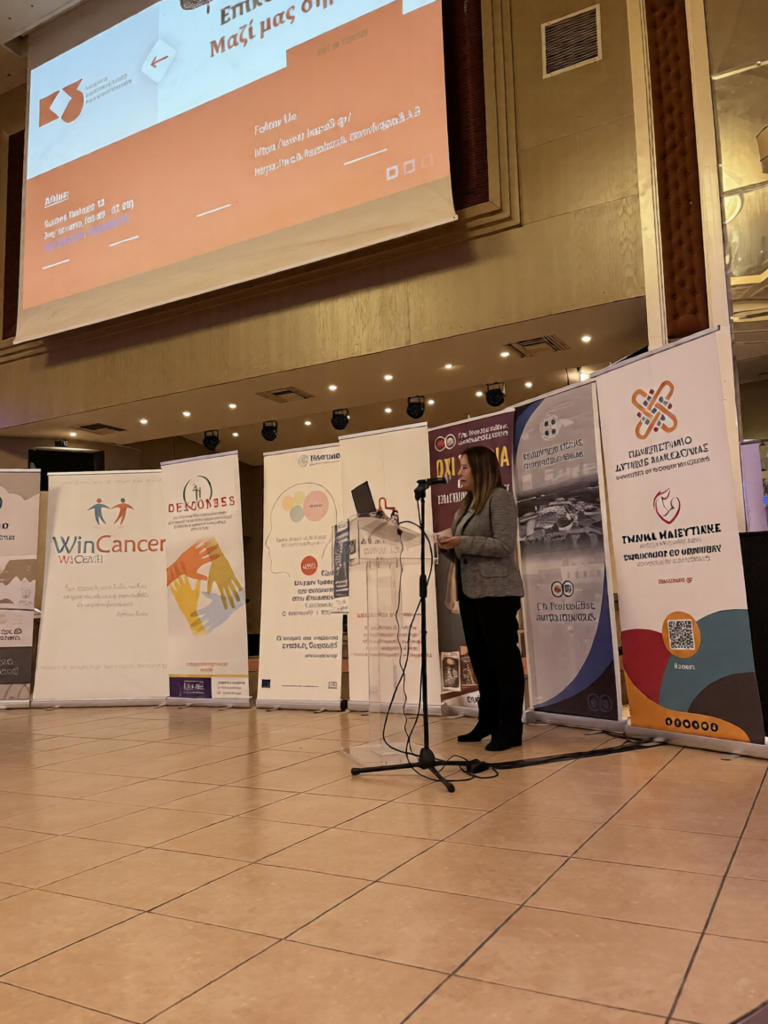
Kapa3’s Contribution to the 6th Nursing Symposium of Western Macedonia: Digital Health, Empathy, and Patient Navigation

With active participation in a well-established scientific meeting on contemporary nursing issues, Kapa3 took part in the 6th Nursing Symposium of Western Macedonia on “Innovation and Empathy: Balancing Technology with Human Contact in Nursing”, held on March 19–20, 2026, in Ptolemaida.

The Symposium, now a key annual event for the nursing community, serves as a platform for dialogue, knowledge exchange, and highlighting the multifaceted role of nurses in modern healthcare.

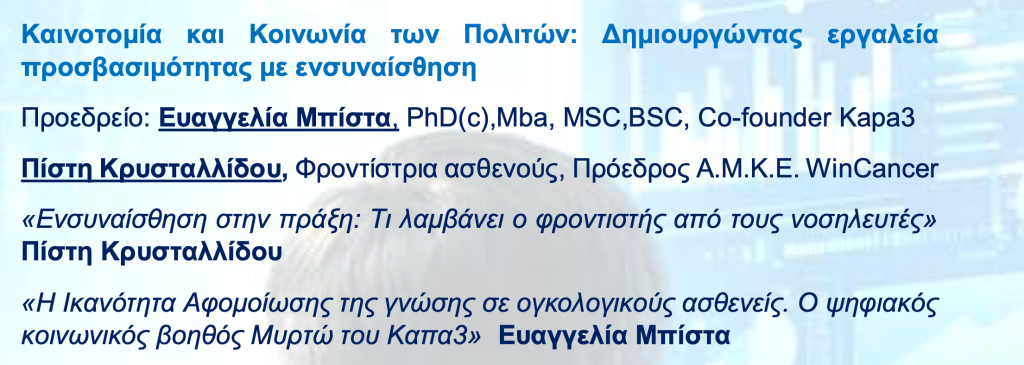
As part of the thematic session “Innovation and Citizen Engagement: Creating Accessible Tools with Empathy”, Ms. Evangeli Bista, co-founder of Kapa3, joined the panel along with Ms. Pisti Krystallidou, President of the NGO WinCancer, showcasing the role of civil society in shaping contemporary, accessible healthcare services.

On March 20, Ms. Evangeli Bista and Ms. Pisti Krystallidou actively participated in the Round Table on the same theme. Ms. Krystallidou presented “Empathy in Practice: What the Caregiver Gains from Health Professionals”, highlighting the daily challenges and support needs of people caring for patients. Ms. Bista emphasized Kapa3’s role and the use of digital tools in guiding patients effectively.

During her presentation, Ms. Bista outlined how the healthcare system is transforming: from episodic care to continuous support, from hospital-centered services to daily-life integration, and from the healthcare professional as the sole source of knowledge to the patient as an active participant. In this new environment, digital health and patient navigation go beyond mere tools, focusing on the citizen’s ability to use them meaningfully in everyday life.

Special attention was given to the needs of oncology patients, who require not only access to information but also guidance through a complex healthcare system—knowing where to turn, what they are entitled to, and how to manage critical decisions in daily life. In this context, the importance of patient navigation was highlighted, a model that Kapa3 has implemented since its foundation, acting as a bridge between available services and patients’ real needs.

Finally, the digital social assistant “Myrto was presented, serving as a single reference point for patients, facilitating access to information and services, and translating knowledge into practical, everyday support.

Kapa3’s participation in the Symposium highlighted the importance of combining technological innovation with empathy, confirming that the future of oncology care is not only about personalized treatment but also about personalized understanding of each patient’s needs.

Download our Press Release here 

Text/Adaptation: Ifiyenia Anastasiou for Kapa3

Digital Access to Test Results: An Important Right for Patients

Digital access to medical test results has become an important right for patients in Greece, following new regulations that strengthen the use of the Digital Repository of Diagnostic Laboratory Results. According to the relevant decision published in the Government Gazette (March 2026), public and private healthcare units collaborating with EOPYY are required to record diagnostic test results in digital form within a specified timeframe.

This change is not just a technical procedure or an administrative obligation for healthcare providers. In practice, it represents a meaningful enhancement of patients’ rights, ensuring that every citizen can have immediate and organized access to their medical data.

Digital access to test results now reduces the need for physical documents, printed copies, or trips to diagnostic centers. Instead, results are stored in a unified digital environment connected to the Individual Electronic Health Record. This allows patients to have their test history consolidated, reducing the risk of losing important information.

For people living with cancer, this development is especially significant. Disease monitoring often involves repeated tests, visits to different doctors, and continuous evaluation of results. Immediate access to all data facilitates collaboration among healthcare professionals and contributes to more coordinated and effective care.

Moreover, the obligation to record results is linked to reimbursement procedures through EOPYY, enhancing transparency in the healthcare system. This ensures that only tests that have actually been performed are reimbursed, limiting abuse and strengthening the reliability of services.

It is also worth noting that data management is carried out under the current personal data protection framework, safeguarding patients’ privacy and information security.

Transitioning to a more digital healthcare system is not just a technological advancement. It is a step toward a more human, transparent, and accessible system of care, where the patient has an active role and meaningful control over their own data.

Ultimately, strengthening digital access to test results represents an important step forward in empowering patients and improving the quality of healthcare provided.

Source: Government Gazette, FEK B’ 1503/17.03.2026

Text/adaptation: Ifiyenia Anastasiou for Kapa3

New Collaboration between Cancer Guidance Center – Kapa3 and the Hellenic Federation of Persons with Multiple Sclerosis (HFoPwMS)

Cancer Guidance Center – Kapa3 announces its new collaboration with the Hellenic Federation of Persons with Multiple Sclerosis (HFoPwMS), strengthening synergies between organizations active in the field of health and patient support.

This collaboration aims to develop joint initiatives that will contribute to raising awareness, promoting public information, and providing meaningful support to people living with chronic conditions, with particular focus on cancer patients and persons living with Multiple Sclerosis. Through the exchange of knowledge, experience and good practices, the two organizations seek to strengthen actions that promote equal access to information, healthcare services and social inclusion for patients.

Cancer Guidance Center – Kapa3 is dedicated to supporting people living with cancer and their caregivers by providing reliable information, practical guidance and access to benefits and services. At the same time, the organization develops initiatives that enhance patients’ awareness of their rights and promote their psychosocial empowerment. Through initiatives such as Mobile Units, digital tools and educational programmes, Kapa3 promotes a patient-centred approach to cancer care, encouraging patients to actively participate in decisions concerning their health and quality of life, while fostering collaborations with organizations working in the fields of health and social support.

The Hellenic Federation of Persons with Multiple Sclerosis (HFoPwMS) is a secondary non-profit organization founded in 2008 with the aim of uniting and supporting primary associations of persons with Multiple Sclerosis across Greece, while also raising awareness about the disease among the wider public. The Federation currently brings together nine primary patient associations from across the country. HFoPwMS implements awareness and advocacy initiatives related to Multiple Sclerosis and works to ensure the equal participation of people with MS in the educational, professional, athletic and cultural life of the country. It is a member of the National Confederation of Disabled People (ESAmeA) and the European Multiple Sclerosis Platform (EMSP).

Within the framework of this collaboration, the two organizations plan to develop joint initiatives such as the organization of conferences, workshops and awareness events, the implementation of information and public awareness campaigns, participation in national and European programmes, as well as the development of joint research initiatives on issues related to patients’ quality of life. The partnership will also contribute to strengthening interdisciplinary cooperation and knowledge exchange among organizations active in the health sector.

This new collaboration reflects the shared vision of the two organizations to strengthen the voice of patients and promote a society that respects, supports and empowers people living with chronic conditions.

Kapa3 Participation in the 3rd “Mapping the Unknown in Oncology” Conference

Kapa3 actively participated in the conference “Mapping the Unknown in Oncology – From Hospitals to Homes, mapping the future of oncology care”, organized for its third year by the Medical Society for Research and Education under the auspices of HeSMO (Hellenic Society of Medical Oncologists) and the Hellenic Cancer Society, held on February 27–28, 2026 at the Golden Age Hotel in Athens.

During the events on Saturday, February 28, Ms. Evangelí Bista, Head of Operations and Development at the Kapa3 Cancer Patient Guidance Center, took part in the panel titled “e-Health Tools and Educational Platforms: New Paths for Doctors and Patients.” The panel was moderated by Ms. Z. Saridaki and included panelists G. Koukourakis, S. Peroukidis, F. Tyligadas, and Ch. Christodoulou.

In her presentation, titled “Digital Patient Education: The Patient as an Active Partner,” Ms. Bista highlighted the importance of digital transformation in healthcare, which shifts care from episodic to continuous support, moving healthcare from hospitals into patients’ daily lives and empowering patients to become active participants in managing their health.

In this context, Kapa3 announced that for 2026 it will be the only civil society organization fully integrating AI, cybersecurity, and high-performance computing into its processes and services, implementing:

  • An AI-powered digital assistant (chatbot) for immediate patient guidance and support

  • A voice-command system for website accessibility and text-to-speech conversion

  • Service redesign, simplifying processes and reducing bureaucracy

  • An AI-based recommendation system with usage data analysis to personalize services

Special emphasis was placed on patient navigation, as oncology patients need guidance: where to go, what they are entitled to, when to be concerned, and when to wait. Kapa3 addresses this gap, providing not just information but meaningful, personalized guidance within the healthcare system.

The goal is not to add another service but to unite existing services. The next evolution of this model is Myrto, the digital assistant that serves as a reference point, translating knowledge into daily action.

Because the future of oncology is not only personalized treatment but also personalized understanding.

Kapa3’s participation underscores the organization’s commitment to innovation, collaboration, and ethics, demonstrating how technology can significantly enhance the experience and care of oncology patients.


Continuing the Journey: Online Group Sessions for Mental Health and Nutrition – Third Cycle with Kapa3 and the LB.H.Sc

Following the warm response to the second cycle of meetings (see the related article here ), focusing on Nutritional Guidance and Experiential Psychological Support, Kapa3 and the Laboratory of Basic Health Sciences (LB.H.Sc), Department of Nursing University of Peloponnese are delighted to continue their collaboration with a third series of online group sessions for mental health and nutrition, dedicated to the holistic care of body and mind, designed for people living with cancer and their caregivers.

In this third cycle, mental health and nutrition are approached as two complementary sides of the same care.

The mental health sessions help participants recognize and manage challenging emotions such as anxiety, fear, sadness, or guilt, strengthen resilience, and cultivate a deeper connection with themselves and others.

The nutrition sessions explore how mindful and balanced eating can support the body, improve energy and mood, and become a meaningful act of self-care. Food is not only a necessity but also a way to nurture the body, mind, and spirit.

Program of Online Sessions for Mental Health and Nutrition & Themes

  • Saturday, February 28, 2026, 17:30–19:00
    Myths and truths about “anti-cancer” diets. How to evaluate nutritional information and avoid risky practices.

  • Saturday, March 14, 2026, 17:30–19:00
    Stress and uncertainty: practical ways to manage them during treatments and exams.

  • Saturday, March 21, 2026, 17:30–19:00
    Giving space to emotions without being overwhelmed: recognizing and expressing fear, anger, sadness, and guilt.

  • Saturday, March 28, 2026, 17:30–19:00
    Nutritional support during treatment & the role of cachexia.

  • Saturday, April 25, 2026, 17:30–19:00
    Boundaries without guilt: protecting energy and mental resilience.

  • Saturday, May 9, 2026, 17:30–19:00
    Safe cooking practices & kitchen hygiene.

  • Saturday, May 23, 2026, 17:30–19:00
    Family and illness: changes in relationships and ways to support each other.

  • Saturday, June 6, 2026, 17:30–19:00
    The Tree of Life: who I am beyond the illness.

  • Saturday, June 13, 2026, 17:30–19:00
    What gives meaning to life now: discovering small but meaningful elements that sustain us.

Format & Participation

The meetings are held online, based on dialogue, experiential learning, and the sharing of personal experiences. Everyone participates at their own pace, in a warm environment of acceptance and trust. Consistent attendance helps build safety and confidence within the group.

To express your interest or join the first session of the third cycle (Saturday, February 28, 17:30–19:00): [Registration Link]

Text/adaptation: Ifiyenia Anastasiou for Kapa3

World Cancer Day: United by Our Uniqueness

Every year on 4 February, World Cancer Day invites us to reflect on one of the greatest challenges of modern public health.

The goal is not only to confront cancer as a disease, but to face it with knowledge, empathy and shared responsibility. Because cancer touches millions of lives in countless ways, yet it does not define who we are. We are more than a diagnosis, more than a number.

World Cancer Day was established in 2000, following the World Summit Against Cancer for the New Millennium in Paris. It is a core element of the Paris Charter Against Cancer — a global commitment to advancing research, prevention, patient care, awareness and international mobilisation. Since then, the day has served as a reminder that addressing cancer requires long-term vision, cooperation and consistency.

This year’s message, “United by Unique”, highlights a fundamental truth: cancer is not only a medical event.

It is a deeply personal experience. Behind every diagnosis lies a unique human story — stories of fear and loss, but also of resilience, care, love and healing. Every story counts.

Cancer Today: Facts and Challenges

Cancer remains one of the most significant public health challenges in Europe and in Greece. Data from international and European organisations underline not only the scale of the disease, but also the persistent inequalities in prevention, early detection and access to care.

In Europe, approximately 2.7 million new cancer diagnoses are recorded each year, with around 1.3 million deaths, while the economic burden exceeds €93 billion annually. In Greece, cancer is the second leading cause of death, affecting thousands of families and carrying profound social and psychological consequences.

Progress, Prevention and Hope

At the same time, scientific progress offers well-founded reasons for optimism.

Prevention and early detection remain decisive factors. Screening programmes, vaccination, healthy lifestyle choices and access to reliable information can significantly reduce the risk of certain cancers and improve treatment outcomes. In this context, knowledge is not merely information — it is power and a fundamental right.

Advances in cancer management are equally important. Personalised medicine, targeted therapies, immunotherapy and improved management of treatment side effects contribute not only to increased survival rates, but also to a better quality of life for people living with and beyond cancer. Information and education are key tools for both prevention and empowerment.

Mental health plays a crucial role as well. Diagnosis and treatment are often accompanied by anxiety, fear, sadness and emotional exhaustion — affecting not only patients, but also their caregivers. Psychosocial support, counselling services and empowerment groups are essential components of holistic cancer care, helping to preserve dignity and quality of life.

Information, research and mental health care are core pillars of modern cancer management. Indicatively, you may explore the following Kapa3 articles:

Empowerment and Action

World Cancer Day is not just a day of awareness. It is a call to action:

  • to speak openly about prevention and our health,

  • to support people living with cancer and their caregivers,

  • to seek reliable information and evidence-based sources,

  • to advocate for equal access to care and psychological support,

  • to remember that no one should face cancer alone.

Because our strength lies in solidarity — and in respecting the uniqueness of every individual.

United by our uniqueness.

References:

World Health Organization (WHO) – Cancer
https://www.who.int/health-topics/cancer

International Agency for Research on Cancer (IARC)
https://www.iarc.who.int

Union for International Cancer Control (UICC) – World Cancer Day
https://www.worldcancerday.org

European Commission – Europe’s Beating Cancer Plan
https://health.ec.europa.eu/eu-policy/health-strategies/europes-beating-cancer-plan_en

European Cancer Information System (ECIS)
https://ecis.jrc.ec.europa.eu

Hellenic Statistical Authority (ELSTAT) – Health Data
https://www.statistics.gr/en/statistics/-/publication/SHE15/

Hellenic National Public Health Organization (EODY) – Cancer & Public Health
https://eody.gov.gr/

Greek Ministry of Health – Prevention & Screening
https://www.moh.gov.gr/articles/prevention-screening

Text/adaptation: Ifiyenia Anastasiou for Kapa3

Webinar: “Cancer, Patient Navigation & Health Management: From Prevention to Coordinated Care” in collaboration with the Kapa3 Cancer Guidance Center

On the occasion of World Cancer Day, we invite you to join the webinar on cancer and patient navigation, organized in collaboration with René Descartes College and the Kapa3 Cancer Guidance Center. This webinar aims to open a meaningful dialogue around cancer, not only as a medical diagnosis but as a complex life journey.

Today, cancer requires holistic health management, proper guidance within the care system, coordination among professionals and services, and a patient-centered approach that considers the individual, their family, and social environment.

The webinar aims to highlight the importance of Patient Navigation and Health Management in cancer care, to illuminate the role of technology and innovation in oncology, and to raise awareness around prevention, quality of life, and continuous patient support.

Target Audience:
  • Patients and individuals at diagnosis, undergoing treatment, or in follow-up

  • Caregivers and family members

  • Health professionals, Health Management staff and students

  • Policy and quality of care professionals

  • Anyone interested in prevention, screening, organization of oncology services, and patient-centered healthcare approaches

Participants Will Gain:
  • Understanding of cancer as a holistic life issue

  • Knowledge of modern patient navigation and care coordination models

  • Insights into the role of technology in oncology

  • Practical information for better management within the healthcare system

  • Inspiration for more humane, coordinated, and high-quality care

Speakers:
  • Maria Gazouli, PhD – Professor of Biology-Genetics-Nanomedicine, Laboratory Geneticist

  • Dr. Christos A. Frantzidis – Assistant Professor, Computer Science / Machine Learning, School of Computer Science, University of Lincoln, UK

  • Dr. Maria Lavdaniti, MSc, PhD – Professor of Clinical Nursing, Director of the University Laboratory of Adult Cancer Patient Care, International Hellenic University (IHU)

  • Evangelia Mpista, PhD, MBA, MSc, BSc – Co-Founder, Kapa3

  • Dr. Vasiliki Kapaki – Postdoctoral Researcher in Health Economics, Professor of Health Economics, René Descartes College

Participation Details:
  • Duration: 2.5 hours (18:30 – 21:00)

  • Date: 06/02/2026

  • Attendance: Online

  • Participation is free

  • Certificate of attendance will be issued by René Descartes College and Kapa3

  • Registration form and participation declaration: Here

Text/adaptation: Ifiyenia Anastasiou for Kapa3

January – Cervical Cancer Awareness Month

January is internationally dedicated to raising awareness about cervical cancer. Known as Cervical Cancer Awareness Month, it aims to highlight the importance of prevention, early detection, and vaccination against the human papillomavirus (HPV), which is responsible for nearly all cases of the disease.

Cervical cancer remains a major public health issue worldwide. According to the World Health Organization, approximately 660,000 new cases are diagnosed globally each year, and more than 350,000 women lose their lives to the disease. It is among the most common cancers affecting women, particularly in regions where access to preventive screening and vaccination is limited. At the same time, it is one of the few cancers that can largely be prevented through organized prevention and early detection programmes.

In Greece, available data indicate that around 700 new cases of cervical cancer are diagnosed annually, while more than 280 deaths are attributed to the disease each year. The estimated incidence is approximately 8 cases per 100,000 women. Although this places Greece close to the European average, it also highlights the need for further improvement in prevention and early diagnosis.

Cervical cancer is closely linked to chronic infection with human papillomavirus (HPV), a very common virus transmitted mainly through sexual contact.

HPV vaccination, combined with regular gynaecological screening through Pap tests and HPV tests, can significantly reduce the development of precancerous lesions and cervical cancer. In this context, the World Health Organization has set the goal of eliminating cervical cancer as a public health problem by 2030, through high vaccination coverage, universal screening, and timely treatment.

January serves as an important reminder that information and prevention save lives. Open discussion around women’s health, free from fear and stigma, empowers women to take care of themselves and to claim prevention as a fundamental right.

Special emphasis should be placed on the systematic education of younger generations, as prevention begins long before any symptoms appear. Access to reliable information, preventive screening services, and vaccination programmes is a key factor in reducing health inequalities and protecting future generations.

At KAPA3, we believe that information and prevention are core pillars of care and empowerment. Through the dissemination of reliable information and the support of initiatives that promote public health, we stand alongside every woman who needs knowledge, prevention, and timely care.

Because cervical cancer can be prevented, we encourage everyone to take action. Give a meaningful gift to the women you care about: daughters, sisters, mothers, friends, partners, spouses. Talk openly about women’s health, share information, support initiatives, challenge taboos, and promote early diagnostic screening.

Information and open dialogue are the strongest tools we have.

Sources:

World Health Organization (WHO)
Cervical cancer – Fact sheet

WHO – Global strategy to accelerate the elimination of cervical cancer

International Agency for Research on Cancer (IARC / WHO)
Cervical Cancer Awareness Month

ICO / IARC HPV Information Centre – Greece Factsheet

Ministry of Health – National Immunization Programme

Hellenic National Public Health Organization (EODY)
HPV and cervical cancer

Text/adaptation: Ifiyenia Anastasiou for Kapa3

International Day of Persons with Disabilities — 3 December

A day of awareness, commitment, and action

The International Disability Day, also known as the International Day of Persons with Disabilities (3 December), established by the United Nations in 1992, serves as an annual reminder of the need for full inclusion, equality, and respect for the rights of persons with disabilities across all aspects of social life. Moreover, today, more than ever, promoting accessibility and inclusion is not optional — it is an obligation.

According to the World Health Organization (2024), approximately 1.3 billion people — 16% of the global population — live with some form of disability. Disability is part of human diversity, and the lived experience of it highlights the systemic inequalities that continue to exist in many countries, including Greece. As a result, the need for stronger inclusion policies becomes increasingly evident.

These global figures highlight why International Disability Day remains a vital call to action worldwide.

Challenges and inequalities in Greece

In Greece, persons with disabilities still face significant barriers in their daily lives: inadequate accessibility in public spaces and services, difficulties in mobility, limited access to employment, and persistent social stigma that deeply affects their quality of life. National data confirm that these inequalities have direct consequences on health, education, and participation in social and economic life.

At the same time, improving accessibility is not only about removing barriers — it is about shaping a society that recognizes the real needs of its people. Therefore, from training professionals and changing attitudes, to ensuring universal access to healthcare and psychosocial support, inclusion requires sustained commitment. Only then can we guarantee that every citizen has equal opportunities, dignity, and participation.

Kapa3’s perspective: A world where every voice is heard

At the Cancer Patient Guidance Centre – Kapa3, we support individuals facing serious health challenges every day. We understand how essential the following are:

  • clear and accessible information
  •  timely support
  •  respect
  •  care without exclusions

Learn more about the rights of Persons with Disabilities in the following publications on our website here.

Find information about issuing a disability card here, and about free or reduced public transportation fares here.

The International Day of Persons with Disabilities reminds us that every action and every policy must be built on the principle of inclusion.
No one should be left behind.

Building more inclusive societies: From vision to practice

Creating a truly accessible environment requires:

  • Accessible cities and public services
  •  Training for professionals in health, social care, and customer service
  •  Accessible digital technologies
  •  Employment policies that enable active participation
  •  Awareness-raising and dialogue to combat stigma

Inclusion is not an act of “good will” — it is a prerequisite for social progress.

At the same time, the transition to a genuinely inclusive society is not instantaneous. It requires coordinated efforts from the State, civil society, and persons with disabilities themselves. Continuous evaluation, transparency, and meaningful participation are the foundations of lasting change.

Access is a right.
Every person deserves respect and equal opportunities.

Text/Adaptation: Ifiyenia Anastasiou for Kapa3

Sources