10 December — The Right to Health, Dignity and Equality

On 10 December 1948, the United Nations General Assembly adopted the Universal Declaration of Human Rights — a landmark document of 30 articles affirming, for the first time, that every person is entitled to equal, inalienable and fundamental rights: dignity, freedom, equality, security, and justice.

The Declaration marked a turning point in history. In the aftermath of World War II, states committed to protecting the human rights of all people — not only civil and political rights, but also social rights such as the right to health.

The Right to Health — Why It Matters for People Living with Cancer

The right to health is enshrined in Article 25 of the Universal Declaration and forms a cornerstone of human dignity.
According to the World Health Organization (WHO), it includes:

  • access to quality health services

  • a safe and supportive environment

  • clear, accessible health information

  • equal treatment without discrimination

For people living with cancer, this right translates into timely diagnosis, dignified care, psychosocial support, and information that is understandable and tailored to their real needs.

Cancer Statistics: The Global Picture and Greece

According to the latest estimates from the International Agency for Research on Cancer (IARC/WHO):

  • In 2022, there were approximately 20 million new cancer diagnoses worldwide.

  • Cancer-related deaths reached 9.7 million.

  • IARC projects that by 2050, global cancer cases could increase by up to 77%, unless prevention, equitable access and high-quality care are strengthened.

Cancer in Greece

Recent data for Greece indicate:

  • An estimated 63,176 new cancer cases in 2022.

  • An age-standardised incidence rate of 529 new diagnoses per 100,000 people, slightly below the EU-27 average.

  • A mortality rate of 239 deaths per 100,000 people (2021), slightly above the European average.

  • The most common cancer types in Greece include breast, prostate, colorectal, lung and thyroid cancer.

  • Inequalities in access to early detection and modern treatments remain a significant concern.

Why These Numbers Matter

Cancer does not affect “a few.” It is widespread — with thousands of new diagnoses every year. But outcomes are not equal for everyone. Many patients and caregivers face disparities in access to early diagnosis, quality care, reliable information, and continuous support.

In Greece, thousands of people confront daily barriers: delays, regional inequalities, lack of supportive services, overly complex medical information, or gaps in the continuity of care.

These realities make the right to health — especially in cancer care — a critical human rights issue.

Our Commitment at Kapa3

At Kapa3, we work to reduce health inequalities and ensure that every person living with cancer can access what they are entitled to. Through:

  • Accessible and clear translations of medical information

  • Psychosocial support for patients and caregivers

  • Participation in EU projects promoting equitable health care

  • Public awareness and prevention campaigns

  • Collaboration with scientific bodies and health authorities

  • Actions supporting health equity for vulnerable groups

  • The Kapa3 App as a digital tool for patient support

Across all our initiatives, we promote equality, empowerment and respect for human dignity in everyday cancer care.

No One Should Be Left Behind

Human Rights Day is not merely an anniversary. It is a reminder that health is not a privilege — it is a right.
And this right must be protected in practice, through policies, structures and services that respond to people’s real needs.

We stand beside every patient and every caregiver. We continue to work for a health-care system that supports and respects everyone, without exception.

Text/Adaptation: Ifiyenia Anastasiou for Kapa3
Artificial Intelligence (AI) and Remote Patient Monitoring (RPM) are transforming oncology, giving patients a greater role in managing their treatment.

Recent studies have shown that using digital tools to collect medical data outside the traditional clinical setting reduces delayed symptom reporting, limits severe side effects, decreases hospitalizations and emergency visits, while improving survival and quality of life for patients.

In practice, this means digital applications allow patients to promptly inform their doctors of any issues, reducing risks and enhancing their daily experience during treatment.

Based on these findings, in 2022, ESMO published guidelines for integrating patient-reported outcome measures (PROMs) into clinical practice, recommending electronic platforms over paper questionnaires (Ann Oncol. 2022).

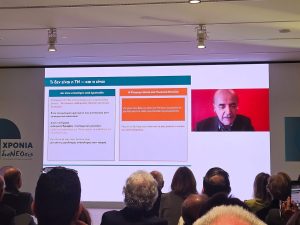
Dr. Charles Ferté, Chief Medical & Patient Officer of the Resilience solution, developed in collaboration with the Institut Gustave Roussy in France, highlights that AI can address limitations in using patient reports in oncology. According to him, about 50% of patients’ side effects go unreported, either due to forgotten symptoms or staff workload. Mild but persistent side effects are often overlooked, affecting treatment effectiveness.

The Resilience solution includes an online platform for doctors and nurses to monitor symptoms and receive alerts, and a mobile app for patients to submit real-time data. Data are processed through AI algorithms and transformed into actionable insights for the oncology team, facilitating timely intervention and care optimization. This enables doctors to monitor patients in real time and prevent complications before they become serious.

Additionally, the solution incorporates Natural Language Processing (NLP) to extract data from medical notes and lab results, and a predictive algorithm estimates the risk of severe side effects and unplanned hospitalizations.

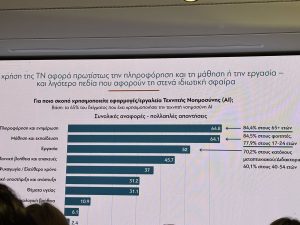
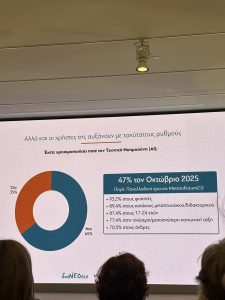
Patient engagement is crucial: compliance with weekly questionnaires reaches up to 85%, with many describing the app as a “lifeline” during treatment. Although initially thought to appeal only to younger patients, research shows acceptance spans all ages (JMIR Mhealth Uhealth. 2018; J Geriatr Oncol. 2024).

The solution can also screen large patient populations, identifying those who would benefit from a hybrid care model—digital tools combined with in-person support, such as behavioral and cognitive therapy. Continuous data collection allows RPM to expand to social and behavioral indicators, including isolation, employment, access to care, addictions, physical activity, or food insecurity.

Finally, digital data open new avenues in research: the Resilience database includes over 20,000 patients across 140 hospitals in France, Belgium, Germany, and Spain, enabling real-world data use for more targeted clinical research. In the future, digital phenotyping will allow monitoring of physical and cognitive indicators via mobile sensors like pedometers and gyroscopes, offering a more comprehensive view of the patient experience.

It is clear that cancer care can now rely not only on patient and professional engagement but also on data analysis that uncovers hidden aspects of patients’ daily lives and symptoms.

Kapa3 remains at the forefront of oncology developments, continuously updating on new technologies and practices, actively supporting patients and caregivers, and creating tools and resources that ease daily life. Focused on patient empowerment, Kapa3 bridges scientific knowledge with practical solutions, ensuring everyone feels guided and safe throughout their treatment journey.

Text/Adaptation: Ifiyenia Anastasiou for Kapa3
Sources:

Kapa3 Supports Digital Innovation for Oncology Patients at Morning Health Talks

On Thursday, 4 December 2025, the second Morning Health Talk titled “Health Data for Innovation in Greece: Building a Stronger Digital Health Ecosystem” took place at the National Documentation Centre (EKT) in Athens. The event was held in a hybrid format (in-person and online participation), bringing together health professionals, researchers, policymakers and technology partners from Greece and abroad.

During the event, international and Greek experiences were presented on the management and use of health data, digital transformation, and best practices for leveraging data to strengthen the country’s digital health ecosystem.

Among the speakers were:

  • Dr Athanasios Batagiannis, General Director, 3-psi

  • Georgios Dimitriou, Cluster Manager, Hellenic Digital Health Cluster

  • Dr Ioannis Koumpouros, Director of DigInHealth, University of West Attica

  • Elpida Fotiadou, Head of eHealth, IDIKA

With the contribution of the distinguished speakers, key issues were discussed, including infrastructure interoperability, the need for reliable data, bureaucratic barriers, gaps in digital literacy, the development of focused platforms and processes, faster care pathways and needs assessment, the reduction of information fragmentation, and the development of human-centred digital solutions with practical value and social acceptance.

KAPA3 presented its strategic approach, focusing on standardised procedures, data quality improvement, interdisciplinarity, and the use of digital tools to support people living with cancer, as well as on guidance, interaction, empowerment and patient participation in data utilisation processes. At every step, KAPA3 addresses key challenges such as data fragmentation, stakeholder collaboration and human-centred digital solutions—issues that are also summarised in the Good Practices Guide developed within the eHealth4Cancer project.

In summary, the main points highlighted were:

  • A human-centred approach and the application of good practices to ensure the usability and social acceptance of digital solutions.

  • Strengthening collaboration between healthcare professionals, researchers and citizens to develop reliable and functional digital infrastructures.

  • The need for systematic scientific research to address challenges such as skills gaps, limited access and data fragmentation.

The event provided an important opportunity for networking and knowledge exchange, promoting the alignment of digital health infrastructures with citizens’ needs and reinforcing KAPA3’s role as an active contributor to the digital transformation of healthcare in Greece.

Read the full Morning Health Talks 2025 press release here and view photos from the event.

Text/adaptation: Ifiyenia Anastasiou for Kapa3
International Volunteer Day – 5 December

Celebrating the people who give their time to make the world better

International Volunteer Day (IVD) is celebrated every year on 5 December, following a United Nations resolution that recognises the contribution of volunteers to peace, social cohesion, and sustainable development.
It is a day dedicated to acknowledging the millions of people who offer care, support, skills, and solidarity — quietly and consistently.

What volunteering means today

Volunteering goes far beyond goodwill.
It strengthens communities, bridges inequalities, supports public health systems and safety nets, and empowers people to take action where it’s needed most.

Across the world, volunteers contribute to:

  • health and patient support

  • social care and community services

  • disaster response and humanitarian aid

  • education and youth programmes

  • environmental protection and sustainability

  • advocacy for vulnerable groups

The scale of volunteering

Global landscape

According to UN Volunteers (UNV):

  • Around 862.4 million people aged 15+ volunteer every month worldwide.

  • This represents nearly 15% of the global working-age population.

  • The total global volume of volunteer work is equivalent to the labour of 109 million full-time workers.

  • Organised (formal) volunteering accounts for about 6.5%, while informal volunteering reaches 14.3% globally.

Volunteering in Greece

ILO (ILOSTAT, 2022) reports that in Greece:

  • 543,010 people engage in direct (informal) volunteering.

  • 669,712 people contribute through voluntary organisations.

These figures reflect a strong and active culture of solidarity, participation, and civic engagement across the country.

Volunteering and cancer care

In the field of cancer, volunteering plays a vital and deeply human role.
Volunteers offer:

  • practical assistance to patients and caregivers

  • support in navigating health services and rights

  • companionship during demanding procedures or appointments

  • participation in awareness and prevention activities

  • emotional support and empowerment

Their presence brings stability, trust, and hope during some of the most challenging moments in a patient’s journey.

Volunteering at Kapa3

International Volunteer Day highlights the dedication of Kapa3 volunteers and the fact that our volunteers are an essential part of our mission.
Through their contribution, they:

  • support patients and caregivers in their day-to-day needs

  • assist in awareness, prevention, and advocacy actions

  • strengthen our European programmes, research activities, and community outreach

  • bring compassion, knowledge, and willingness to every corner of our work

Thanks to them, our vision — no one should face cancer alone — becomes reality.

Become a volunteer at Kapa3

If you wish to support cancer patients and their families, contribute to your community, and become part of our mission, you can join our volunteer network.

Click here to join our volunteer team: here

On International Volunteer Day, the Kapa3 team honours those who not only give their time, care, and heart but also support patients and caregivers in countless ways.
To every volunteer: thank you for your kindness, your consistency, and your strength.
Thank you for helping us build a world of dignity and hope.

Text/Adaptation: Ifiyenia Anastasiou for Kapa3
Sources

United Nations Volunteers (UNV), State of the World’s Volunteerism Report (2022)

International Labour Organization (ILO) – ILOSTAT, Volunteer Work Statistics (Greece, 2022)

Trvst – Volunteering Facts & Global Volunteer Work Analysis

Dispensing High-Cost Medicines (HCM) Through Private Pharmacies – What Changes for Patients

A recent Ministerial Decision (Government Gazette B’ 6333/27.11.2025) introduces significant changes to the distribution of High-Cost Medicines (HCM), allowing patients to receive these medicines not only from EOPYY pharmacies but also from private community pharmacies. This new framework replaces the 2020 regulation and aims to ease patient access, reduce inconvenience, and improve the delivery of essential therapies.

The list of HCM medicines included in this process is available in the corresponding Government Gazette here.

What Changes for Patients

  • The prescribing physician issues the prescription through the national e-prescription system (IDIKA).
  • Patients may choose to receive their medicine either from an EOPYY pharmacy or a private community pharmacy.
  • Through the dedicated HCM application (using Taxisnet credentials + AMKA), patients select the private pharmacy that will serve them.
  • Patients receive electronic notifications regarding the status of their order and the availability of the medicine for pickup.
  • Medicines are dispensed with zero patient co-payment.
  • The time from approval to pickup may not exceed 10 days.

What Changes for Private Pharmacies

Private pharmacists now assume an expanded role in handling High-Cost Medicines, with specific responsibilities and procedures.

  1. Medicine Receipt
  • The pharmacist scans the product’s barcode in the EOPYY system to complete the warehouse reconciliation process for EOPYY’s pharmaceutical depot.
  • The patient is automatically notified via the system once the medicine arrives at the pharmacy.
  1. Prescription Verification and Dispensing

The pharmacist must verify:

  • the patient’s identity or the presence of a valid authorization,
  • the accuracy of the prescription and its alignment with the prescribing physician’s instructions,
  • the correct medicinal product,
  • the presence of any required supporting documents,
  • the authenticity labels or deactivated safety features,
  • the physician’s signature and the recipient’s signature.

The pharmacist then signs and stamps the prescription to complete the dispensing process.

Failure to comply with these procedures may lead to sanctions under Presidential Decree 121/2008.

  1. Pharmacist Remuneration

For each dispensed HCM prescription, pharmacists receive:

  • a scientific service fee of €20.00 + VAT,

without the need to issue transport documents.

This cost is not included in the total pharmaceutical expenditure ceiling of EOPYY.

  1. Monthly Submission of Prescriptions

Every month, pharmacists must send:

  • the dispensed prescriptions,
  • the consolidated report,
  • and the service invoice
    to the EOPYY Department of Prescription Processing and Review.

Electronic images of prescriptions remain available for audit.

  1. Unexecuted Prescriptions

If a prescription is not executed:

  • the medicine is returned to the pharmaceutical company after 5 days,
  • and the company issues a credit invoice to EOPYY.
  1. Loss or Damage of Medicines

If the medicine is lost or damaged due to pharmacist responsibility,
EOPYY charges the pharmacist the procurement value of the product.

Why This Change Matters

The updated system:

  • reduces patient inconvenience,
  • relieves congestion in EOPYY pharmacies,
  • ensures faster access to essential therapies,
  • strengthens the role of community pharmacists,
  • and modernizes the distribution of High-Cost Medicines.

This development significantly improves the daily lives of patients who rely on regular access to specialized treatments — including many oncology patients. KAPA3 continues to stand by cancer patients and their families, offering reliable guidance and practical support so that every patient feels safe and fully informed about their rights and benefits.

Text/Adaptation: Ifiyenia Anastasiou for Kapa3
 

International Day of Persons with Disabilities — 3 December

A day of awareness, commitment, and action

The International Disability Day, also known as the International Day of Persons with Disabilities (3 December), established by the United Nations in 1992, serves as an annual reminder of the need for full inclusion, equality, and respect for the rights of persons with disabilities across all aspects of social life. Moreover, today, more than ever, promoting accessibility and inclusion is not optional — it is an obligation.

According to the World Health Organization (2024), approximately 1.3 billion people — 16% of the global population — live with some form of disability. Disability is part of human diversity, and the lived experience of it highlights the systemic inequalities that continue to exist in many countries, including Greece. As a result, the need for stronger inclusion policies becomes increasingly evident.

These global figures highlight why International Disability Day remains a vital call to action worldwide.

Challenges and inequalities in Greece

In Greece, persons with disabilities still face significant barriers in their daily lives: inadequate accessibility in public spaces and services, difficulties in mobility, limited access to employment, and persistent social stigma that deeply affects their quality of life. National data confirm that these inequalities have direct consequences on health, education, and participation in social and economic life.

At the same time, improving accessibility is not only about removing barriers — it is about shaping a society that recognizes the real needs of its people. Therefore, from training professionals and changing attitudes, to ensuring universal access to healthcare and psychosocial support, inclusion requires sustained commitment. Only then can we guarantee that every citizen has equal opportunities, dignity, and participation.

Kapa3’s perspective: A world where every voice is heard

At the Cancer Patient Guidance Centre – Kapa3, we support individuals facing serious health challenges every day. We understand how essential the following are:

  • clear and accessible information
  •  timely support
  •  respect
  •  care without exclusions

Learn more about the rights of Persons with Disabilities in the following publications on our website here.

Find information about issuing a disability card here, and about free or reduced public transportation fares here.

The International Day of Persons with Disabilities reminds us that every action and every policy must be built on the principle of inclusion.
No one should be left behind.

Building more inclusive societies: From vision to practice

Creating a truly accessible environment requires:

  • Accessible cities and public services
  •  Training for professionals in health, social care, and customer service
  •  Accessible digital technologies
  •  Employment policies that enable active participation
  •  Awareness-raising and dialogue to combat stigma

Inclusion is not an act of “good will” — it is a prerequisite for social progress.

At the same time, the transition to a genuinely inclusive society is not instantaneous. It requires coordinated efforts from the State, civil society, and persons with disabilities themselves. Continuous evaluation, transparency, and meaningful participation are the foundations of lasting change.

Access is a right.
Every person deserves respect and equal opportunities.

Text/Adaptation: Ifiyenia Anastasiou for Kapa3
Sources


World AIDS Day — December 1

World AIDS Day is a powerful reminder that the fight against HIV/AIDS is far from over. Despite remarkable progress in recent decades, millions of people worldwide are still living with the virus. At the same time, inequalities in access to prevention, diagnosis and treatment continue to cost lives.

Established in 1988 as the first international health-related awareness day, World AIDS Day has since served as a global call for informed action, early diagnosis, destigmatization and equitable care.

What We Know Today About HIV/AIDS

According to recent UNAIDS data, more than 39 million people are living with HIV globally — and thanks to modern treatments, they can live full and healthy lives.

The science is encouraging. Antiretroviral therapy (ART/ARVs) allows people on treatment to reach undetectable viral loads, which means they cannot transmit the virus (“Undetectable = Untransmittable”).

Yet despite this progress, new infections still occur — mainly in communities facing social exclusion, economic hardship, or limited access to healthcare services. At the same time, lack of information and persistent stigma remain major barriers that delay testing and treatment.

HIV & Cancer: An Important Connection

The link between HIV and several forms of cancer isn’t widely known, yet it is significant:

  • People living with HIV have a higher risk of cervical cancer due to the more persistent presence of HPV.
  • Increased risk is also observed for non-Hodgkin lymphoma, Kaposi sarcoma and several cancers associated with chronic viral infections.
  • Early diagnosis, continuous treatment and regular screening significantly reduce these risks.

At Kapa3, we have published articles on the importance of screening and patient empowerment, which you can find here: Article1, Article2, Article3, Article4, Article5.

The Situation in Greece

Greece has made important progress in recent years, thanks to the operation of Checkpoints, the support of NGOs and prevention structures, the spread of PrEP, and improved access to treatment.

In 2024, Greece recorded a small decrease (4%) in new HIV diagnoses compared to 2023, according to the Hellenic National Public Health Organization (EODY). However, underdiagnosis remains a real concern. Many people avoid timely testing due to stigma and fear of discrimination.

Prevention: What Each of Us Can Do

  • Testing: a simple test can save lives.
  • Condom use & comprehensive sexual education.
  • PrEP & PEP: modern and effective prevention tools.
  • Eliminating stigma: information and open dialogue remain our strongest forms of protection.
  • Supporting facilities that provide access to prevention, diagnosis and treatment.
A Human Rights Issue

At Kapa3, we believe World AIDS Day concerns all of us. Access to healthcare is a fundamental right. No one should be afraid to get tested, speak openly or seek support.

According to International Human Rights Law, discrimination based on HIV status, sexual orientation, gender identity or expression, health status (including substance use), or sex work constitutes a violation of human rights.

World AIDS Day reminds us that knowledge, prevention and solidarity save lives — and that a world without new HIV infections is possible.

Sources

  • UNAIDS
  • HIV.gov
  • AIDS Healthcare Foundation
  • EODY (Hellenic National Public Health Organization)

Text/Adaptation: Ifiyenia Anastasiou for Kapa3
Artificial Intelligence (AI) is transforming the fight against cancer.The European Cancer Organisation’s “Harnessing AI for Cancer Care in Europe” report

Artificial Intelligence (AI) is transforming the fight against cancer, enabling machines to learn, reason, and assist humans in detecting, diagnosing and treating the disease more accurately and efficiently. It works by analysing vast amounts of data, learning patterns, and making predictions or recommendations to support human decision-making.

Cancer care is rapidly transforming with the use of AI, which serves as a powerful tool in prevention, detection, treatment and research of the disease. The European Cancer Organisation’s “Harnessing AI for Cancer Care in Europe” report states that AI has the potential to transform every stage of the cancer pathway. Simultaneously, the report emphasises the need for AI to be used responsibly, by protecting patients, upholding ethical standards, and aligning with European values, to ensure its benefits are delivered fairly and effectively across healthcare systems.

The Promise of AI in Cancer Care

The report highlights several ways AI can improve cancer outcomes across the care pathway. In primary prevention, AI can analyse genetic, environmental, and lifestyle data to identify high-risk patients and guide preventive strategies before symptoms appear. For early detection, AI can dramatically speed up screening, reducing test interpretation from days to hours, improving accuracy, and lowering missed diagnoses. In diagnostics, deep-learning models trained on large datasets can detect even the smallest lesions, prioritise urgent cases, and support more precise diagnoses. AI also enables personalised treatment by integrating tumour genomics, imaging data, and real-world outcomes to help clinicians select the most effective therapies for individual patients. Finally, in drug development, AI can identify promising compounds and targets, shortening traditional development cycles and discovering new uses for existing medicines.

Challenges That Cannot Be Ignored

However, the report also highlights significant risks associated with AI in cancer care. Key concerns include regulatory gaps as AI tools advance faster than current rules, making it challenging to ensure they remain safe, accurate, and accountable. Many promising AI systems require further validation in real-world clinical settings, as untested tools could lead to misdiagnoses or unsafe decisions. Bias and inequity are also risks, since AI trained on unrepresentative data may produce less accurate recommendations for specific patient groups. Implementation barriers, such as limited infrastructure, funding, and trained staff, can hinder the integration of AI into everyday healthcare. Finally, trust issues may arise, as both patients and clinicians need to understand and have confidence in AI systems for them to be effectively adopted.

Policy Recommendations: A Roadmap for Safe and Effective Use

To tackle these challenges, the report puts forward four key recommendations. First, it calls for national standards and validation frameworks, including speciality-specific rules and post-market monitoring of AI tools. Second, it emphasises the importance of training and literacy, proposing pan-European AI education to ensure that at least 50% of oncology professionals are confident in using AI by 2030. Third, the report urges robust regulatory guidance and oversight, including EU-wide support for data protection under GDPR, implementation of the AI Act, and strong patient engagement to ensure clinical accountability. Finally, it highlights the need for investment in data infrastructure, leveraging the European Health Data Space to harmonise systems, modernise cancer registries, and build representative datasets that support safe and effective AI deployment.

Why This Matters for Kapa3

Building on these advancements, K3 is preparing to launch its digital assistant, “Myrto”, in 2026. Designed to harness the power of AI, “Myrto” will support patients and healthcare professionals across the cancer care pathway. By integrating cutting-edge AI capabilities with user-friendly guidance, “Myrto” exemplifies K3’s commitment to improving outcomes, streamlining workflows, and empowering both patients and clinicians in Europe’s rapidly evolving healthcare landscape.

To see the full article, please click here.

https://www.europeancancer.org/resources/publications/harnessing-ai-for-cancer-care-in-europe.html

The Impact of the Kapa3 Internship Programme: 30 Young Professionals in Our First 5 Years of Operation

The Impact of the Kapa3 Internship Programme: 30 Young Professionals in Our First 5 Years of Operation

In the five years since our establishment, thirty young people have had the opportunity to learn and grow through the Kapa3 Internship Programme.

International scientific literature highlights that internships are far more than a first work experience. They serve as a fundamental mechanism of experiential learning, enabling students to connect theoretical knowledge with real-world professional contexts.

Through their involvement in a civil society organisation like Kapa3, interns developed reflective and critical thinking skills—core elements of modern professional education. By engaging with real needs and challenges, students strengthened their professional identity and gained a deeper understanding of their role as future practitioners in health and social services. In many cases, the internship at Kapa3 played a significant role in supporting their transition from university to the labour market, enhancing their confidence, social skills, and clarity of professional direction.

Furthermore, the structured field experiences offered opportunities to build professional networks, a key factor in long-term career development.

At Kapa3, the value of internships is evident across all aspects of our work. We strive to create an environment where students can deepen their academic knowledge, apply their skills to real cases, and map out the next steps of their careers with realism and self-awareness.

The result is a community of young professionals who are both socially conscious and scientifically equipped to contribute meaningfully to health and social care. We are proud to be at the forefront of education and warmly thank our partner universities for their trust and collaboration.


This Year’s Good-Luck Charm (2026): A Symbol of Self-Care

The Good Luck Charm of the Year (2026) for Kapa3: The Crown

A Symbol of Self-Care

This year’s good luck charm is dedicated to self-care — a small, daily reminder of the deep importance of tending to ourselves with gentleness, respect, and consistency.
In a time when everyday life becomes increasingly demanding, this charm reminds us that self-care is not a luxury, but a necessity.

It symbolizes all those small acts that keep us standing: the pause, the breath, the moment of rest; the warm embrace we offer ourselves. The choice to listen to our bodies, to acknowledge our limits, and to prioritize our health, joy, and inner balance.

And it is precisely this “pause” that led us to our good-luck charm for 2026: the Crown — a symbol that carries far more than what meets the eye.

In music, the crown (fermata) is the pause held by the performer —
the moment of emphasis before the melody continues.
So it is with every struggle: it requires breaths, pauses, small breaks — not to stop, but to continue.

A crown is also a circle. And a circle means you are not alone; around you are people, care, support — a circle that holds you.

If there were a title of honor for those who fight cancer, it would be a crown. Not as a symbol of power, but as a recognition of dignity.

Cancer can sometimes feel like a thorny wreath — heavy, painful, relentless.
And yet, depending on how we choose to face it, it can transform into a wreath of victory: the victory of persistence, endurance, return — and above all, the victory of effort.

Because behind every crown lies a story: of a parent, a friend, a child, a partner, someone who is fighting or supporting someone who fights.

That is why the crown is not just a piece of jewelry — it is a message of strength:

It is not what happens to us that defines us —
but how we choose to face it.

It reminds us that when we care for ourselves, we can truly care for others. That strength, well-being, and kindness begin within us.

May this year’s charm be a small talisman accompanying us each day, inspiring us to make space for what nourishes us, to embrace our vulnerability, and to celebrate our worth.

For a year filled with more care, more peace, and more love — beginning with ourselves.

Let’s fill our days with small acts that make a difference.
Let’s uplift one another.
Let’s turn self-care into a habit.

And for all of us at Kapa3, the invitation is simple: To weave self-care into our everyday lives.

Join the #kapa3gouri Self-Care Challenge

Inspired by this year’s charm — dedicated to self-care — we invite you to join the #kapa3gouri Self-Care Challenge, a collective action that brings us together through moments of care, calm, and mindfulness.

How the challenge works:
  1. Take one small self-care action during your day.
    It can be something simple: a walk, a breathing break, a warm cup of tea, a few minutes away from screens, journaling your thoughts, a hug you needed.

  2. Capture a photo or write a few words that reflect that moment.

  3. Share it on Instagram or Facebook using the hashtag #kapa3gouri.

  4. Tag two friends to keep the chain of self-care going.

Our goal is not the “perfect” image — but the daily reminder that we deserve time, space, and care. Each post becomes a small mosaic of tenderness toward ourselves.
A collective message that wellbeing begins within.

For 2026, choose the Crown — as a symbol of hope, strength, and dignity.
Wear it. Offer it. Share its power.

Thank you for being part of this journey.


The Kapa3 Team