Recent studies have shown that using digital tools to collect medical data outside the traditional clinical setting reduces delayed symptom reporting, limits severe side effects, decreases hospitalizations and emergency visits, while improving survival and quality of life for patients.
In practice, this means digital applications allow patients to promptly inform their doctors of any issues, reducing risks and enhancing their daily experience during treatment.
Based on these findings, in 2022, ESMO published guidelines for integrating patient-reported outcome measures (PROMs) into clinical practice, recommending electronic platforms over paper questionnaires (Ann Oncol. 2022).
Dr. Charles Ferté, Chief Medical & Patient Officer of the Resilience solution, developed in collaboration with the Institut Gustave Roussy in France, highlights that AI can address limitations in using patient reports in oncology. According to him, about 50% of patients’ side effects go unreported, either due to forgotten symptoms or staff workload. Mild but persistent side effects are often overlooked, affecting treatment effectiveness.
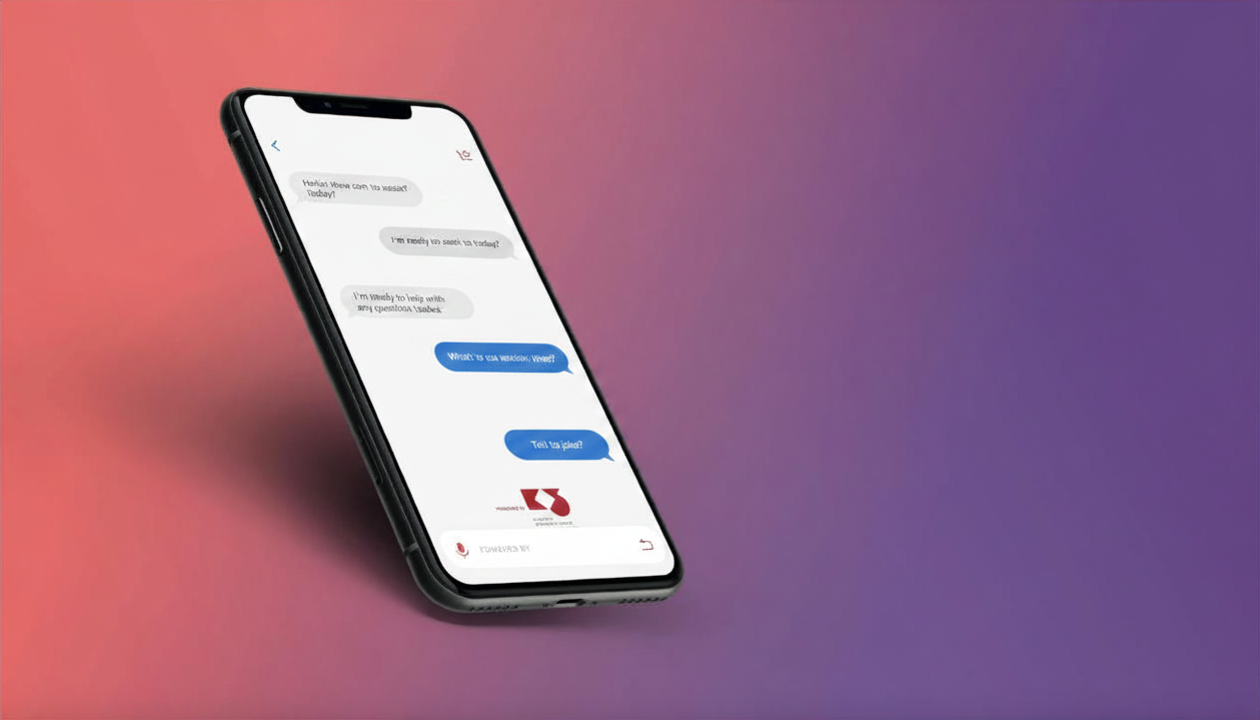
The Resilience solution includes an online platform for doctors and nurses to monitor symptoms and receive alerts, and a mobile app for patients to submit real-time data. Data are processed through AI algorithms and transformed into actionable insights for the oncology team, facilitating timely intervention and care optimization. This enables doctors to monitor patients in real time and prevent complications before they become serious.
Additionally, the solution incorporates Natural Language Processing (NLP) to extract data from medical notes and lab results, and a predictive algorithm estimates the risk of severe side effects and unplanned hospitalizations.
Patient engagement is crucial: compliance with weekly questionnaires reaches up to 85%, with many describing the app as a “lifeline” during treatment. Although initially thought to appeal only to younger patients, research shows acceptance spans all ages (JMIR Mhealth Uhealth. 2018; J Geriatr Oncol. 2024).
The solution can also screen large patient populations, identifying those who would benefit from a hybrid care model—digital tools combined with in-person support, such as behavioral and cognitive therapy. Continuous data collection allows RPM to expand to social and behavioral indicators, including isolation, employment, access to care, addictions, physical activity, or food insecurity.
Finally, digital data open new avenues in research: the Resilience database includes over 20,000 patients across 140 hospitals in France, Belgium, Germany, and Spain, enabling real-world data use for more targeted clinical research. In the future, digital phenotyping will allow monitoring of physical and cognitive indicators via mobile sensors like pedometers and gyroscopes, offering a more comprehensive view of the patient experience.
It is clear that cancer care can now rely not only on patient and professional engagement but also on data analysis that uncovers hidden aspects of patients’ daily lives and symptoms.
Kapa3 remains at the forefront of oncology developments, continuously updating on new technologies and practices, actively supporting patients and caregivers, and creating tools and resources that ease daily life. Focused on patient empowerment, Kapa3 bridges scientific knowledge with practical solutions, ensuring everyone feels guided and safe throughout their treatment journey.
Text/Adaptation: Ifiyenia Anastasiou for Kapa3
Sources: