March – Multiple Myeloma Awareness Month

March – Multiple Myeloma Awareness Month

March is internationally recognized as Multiple Myeloma Awareness Month, a type of blood cancer that affects plasma cells – immune system cells responsible for producing antibodies and defending the body against infections.

This period provides an important opportunity to raise public awareness, highlight the challenges faced by patients, and enhance understanding of the disease, early diagnosis, and the importance of access to modern treatments.

What is Multiple Myeloma

Multiple myeloma develops in the bone marrow, when plasma cells grow uncontrollably and produce abnormal proteins. The presence of these cells can affect the production of healthy blood cells, cause bone damage, and impair the function of vital organs such as the kidneys. Although relatively rare, it is the second most common blood cancer worldwide.

The disease’s symptoms may be initially nonspecific and develop gradually. Fatigue, bone pain – especially in the spine or ribs – frequent infections, anemia, or kidney problems are some of the signs that may prompt further investigation. Early awareness and timely medical evaluation are therefore crucial for diagnosis and disease management.

Multiple Myeloma by the Numbers

Globally, the disease affects a significant number of people. According to international epidemiological data:

  • 188,000 new cases were reported worldwide in 2022

  • Approximately 121,000 people died from the disease the same year

  • It is estimated that more than 540,000 people are currently living with multiple myeloma worldwide

The disease occurs more often in older adults. Most diagnoses occur in people over 60–65 years old, and around 80% of cases are reported in individuals over 65. Experts predict that the disease’s incidence may rise in the coming decades, largely due to the aging population in many countries.

The Situation in Greece

In Greece, the exact epidemiological picture of multiple myeloma is not fully clear, as there is no comprehensive national cancer registry recording all cases systematically.

However, according to available international estimates for 2022:

  • About 763 new multiple myeloma cases were reported in the country

  • Approximately 579 deaths were attributed to the disease

  • It is estimated that around 2,154 people in Greece are living with the disease over a five-year period

These figures highlight the importance of improving health data collection and continuously supporting patients living with the disease.

Advances in Treatments

In recent years, scientific progress has significantly changed the course of the disease.

Modern therapies include:

  • Immunotherapies

  • Monoclonal antibodies

  • Proteasome inhibitors

  • Immunomodulatory drugs

  • CAR‑T cell therapies (for advanced stages of the disease)

New therapeutic combinations and ongoing clinical studies are providing more treatment options, reinforcing hope for even more effective therapies in the future.

The Importance of Awareness and Support

Despite these advancements, public awareness and support for people living with the disease remain crucial. Early diagnosis, access to specialized medical care, and equitable access to modern therapies are key factors in improving disease outcomes and patients’ quality of life.

Multiple Myeloma Awareness Month serves as a reminder that knowledge, research, and collective effort can make a difference. Through education, support for scientific research, and assistance to patients and their families, we can help create an environment where no one faces cancer alone.

Sources:

https://gco.iarc.fr
(Global Cancer Observatory – International Agency for Research on Cancer)

https://pubmed.ncbi.nlm.nih.gov/39658225/
(Global burden and projections of multiple myeloma)

https://www.oecd.org/health/cancer-profiles/greece.html
(EU Country Cancer Profile – Greece)

https://ehoonline.biomedcentral.com/articles/10.1186/s40164-025-00684-x
(Global epidemiology of multiple myeloma)

https://pmc.ncbi.nlm.nih.gov/articles/PMC3627436/
(Multiple myeloma epidemiology study)

Text/adaptation: Ifiyenia Anastasiou for Kapa3

High Cost Medicines: One More Addition to Help Patients – Up to Three People Can Now Collect on Their Behalf

As of Monday, February 16, 2026, High-Cost Medicines for cancer patients can now be collected by up to three designated representatives, offering greater flexibility and easier access to treatment through community pharmacies.

This new possibility is particularly important for patients who require regular access to High Cost Medicines but may have difficulty getting to the pharmacy or live far from a pharmacy. By allowing representatives, care becomes more flexible and adapted to everyday needs, while ensuring the safety and correct use of the treatment. In this way, access to therapy is faster, more human-centered, and free from unnecessary hassle.

In this first phase, the option applies to patients with cancer and multiple sclerosis, and it will gradually extend to other High Cost Medicines categories. The steps for collection remain the same: the insured person logs into the platform using Taxisnet + AMKA, selects the pharmacy of their choice, and monitors the progress of their order.

For more details, see our previous article.

Text/adaptation: Ifiyenia Anastasiou for Kapa3

Kapa3 Participation in the 3rd “Mapping the Unknown in Oncology” Conference

Kapa3 actively participated in the conference “Mapping the Unknown in Oncology – From Hospitals to Homes, mapping the future of oncology care”, organized for its third year by the Medical Society for Research and Education under the auspices of HeSMO (Hellenic Society of Medical Oncologists) and the Hellenic Cancer Society, held on February 27–28, 2026 at the Golden Age Hotel in Athens.

During the events on Saturday, February 28, Ms. Evangelí Bista, Head of Operations and Development at the Kapa3 Cancer Patient Guidance Center, took part in the panel titled “e-Health Tools and Educational Platforms: New Paths for Doctors and Patients.” The panel was moderated by Ms. Z. Saridaki and included panelists G. Koukourakis, S. Peroukidis, F. Tyligadas, and Ch. Christodoulou.

In her presentation, titled “Digital Patient Education: The Patient as an Active Partner,” Ms. Bista highlighted the importance of digital transformation in healthcare, which shifts care from episodic to continuous support, moving healthcare from hospitals into patients’ daily lives and empowering patients to become active participants in managing their health.

In this context, Kapa3 announced that for 2026 it will be the only civil society organization fully integrating AI, cybersecurity, and high-performance computing into its processes and services, implementing:

  • An AI-powered digital assistant (chatbot) for immediate patient guidance and support

  • A voice-command system for website accessibility and text-to-speech conversion

  • Service redesign, simplifying processes and reducing bureaucracy

  • An AI-based recommendation system with usage data analysis to personalize services

Special emphasis was placed on patient navigation, as oncology patients need guidance: where to go, what they are entitled to, when to be concerned, and when to wait. Kapa3 addresses this gap, providing not just information but meaningful, personalized guidance within the healthcare system.

The goal is not to add another service but to unite existing services. The next evolution of this model is Myrto, the digital assistant that serves as a reference point, translating knowledge into daily action.

Because the future of oncology is not only personalized treatment but also personalized understanding.

Kapa3’s participation underscores the organization’s commitment to innovation, collaboration, and ethics, demonstrating how technology can significantly enhance the experience and care of oncology patients.


Kapa3 at Athens Digital Health Week 2026 – The Role of Patient Digital Navigators in Healthcare Digital Transformation

As part of Athens Digital Health Week 2026, Kapa3, as a new member of the Hellenic Digital Health Cluster (HDHC), participated in the closed members and partners meeting as well as the panel discussion titled “Synergies to Bridge the Needs of Healthcare Services in Digital Transformation,” presenting the role of patient digital navigators and exploring how digital technologies can strengthen a patient-centered healthcare system.

The discussion focused on a key question: how can available digital solutions effectively address the real needs of the healthcare and social care system?

Special emphasis was placed on the importance of interoperability, evidence-based decision-making, transparency, and comparability, as well as connecting research and governance, promoting equality, and considering the impact of artificial intelligence in the modern healthcare ecosystem.

Kapa3 was represented by Evangeli Bista, who highlighted the critical role of patient organizations in successfully integrating digital technologies into the care journey.

As she noted:

“Digital health is not only about developing technological solutions, but about their meaningful integration into the patient’s care journey. Civil society organizations (patients, caregivers, friends, professionals) can play a crucial role as adoption partners, contributing to design, implementation, and evaluation. Through collaboration within the Cluster, an ecosystem is strengthened where innovation translates into real accessibility and continuity of care with maximum social impact. For the Cancer Patients Guidance Center – Kapa3, developing its role as patient digital navigators can only happen through such synergies.”

The panel also included representatives from Affidea Greece, Gnomon Informatics SA, and REA Maternity & Gynecology Clinic, who contributed their expertise to a productive dialogue on aligning technology, clinical practice, and data governance.

During the closed meeting, the need to strengthen joint research initiatives, interoperability, and systematic collaboration among ecosystem members was emphasized, ensuring that innovation translates into measurable value for both patients and the healthcare system.

For Kapa3, developing its role in the digital health ecosystem as patient digital navigators is a strategic priority. Through such collaborations, patient organizations are empowered to actively contribute to a more transparent, equitable, and truly patient-centered healthcare system, where technology serves as a tool for empowerment rather than an end in itself.

Download our Press Release in pdf or word

Kapa3 Collaboration with the Municipality of Meteora to Establish a Cancer Patient Support Office

Kapa3 launches collaboration with the Municipality of Meteora to establish a support office for cancer patients and their families, strengthening local social services and providing practical assistance to patients and families affected by cancer.

The initiative for this establishment was taken by the Municipality of Meteora and approved by the Municipal Council, aiming to improve access to services and information for patients. The office will operate within the Kalampaka Community Center and will be staffed by a social worker and a psychologist, in collaboration with the “Help at Home” program.

The Cancer Guidance Center – Kapa3 will provide scientific guidance and prepare the tools and methodologies for the office’s operation, including collecting social histories, recording requests, and guiding patients and their families.

This office, as a support office for cancer patients, will offer free services such as:

  • Guidance on rights and benefits (KEPA, social tariffs, work schedule adjustments, allowances).

  • Patient file management to reduce bureaucratic burden.

  • Social and psychosocial support for patients and families.

  • Collaboration with local social and health services.

In addition, the support office will act as an information hub for the local community, providing interested individuals with information on prevention, awareness programs, and solidarity initiatives. In this way, it enhances not only the direct support for patients but also the wider community’s awareness and engagement with the needs of their fellow citizens.

In a statement, Mayor Lefteris Avramopoulos emphasizes:

“The establishment of the Patient Service Office for Neoplastic Diseases is a policy choice focused on people. The Municipality of Meteora takes responsibility to stand truly beside our fellow citizens, ensuring support, dignity, and effective access to their rights.”

The goal of the collaboration is to ensure timely and equitable access for cancer patients and their caregivers to reliable information and supportive services, reducing the stress and psychosocial burden often accompanying the disease.

Kapa3, with experience in patient guidance across Greece and an already functioning similar structure in the Municipality of Megara, continues to expand its network of collaborations with local authorities, strengthening the connection between social services and patients.

The collaboration with the Municipality of Meteora represents another step toward creating a stable framework for supporting cancer patients at a regional level, focusing on people and their real needs.

Download our press release in pdf or word

Launch of Free MELODIC Training Programme – Greece

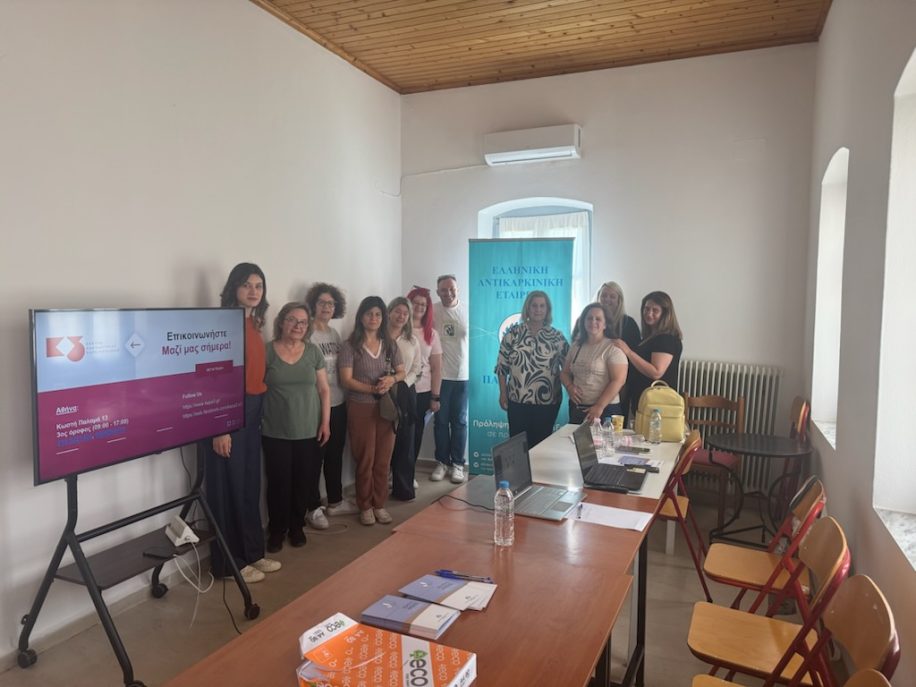
We are pleased to announce the launch of the free eight-week online training programme implemented in Greece within the framework of the European project MELODIC, in which Kapa3 participates as one of 13 partner organisations from 6 European countries.

The programme is addressed to doctors, nurses, other health professionals, and social care professionals working in oncology.

MELODIC is an international collaboration aimed at strengthening mental health support for young adults with cancer and their families, promoting high-quality, holistic oncology care.

Through the programme, participants will have the opportunity to develop skills in:

  • Assessing mental health needs using validated and evidence-based tools

  • Supporting families and caregivers

  • Delivering high-quality psychosocial care

  • Interprofessional collaboration

  • Sustaining personal and professional wellbeing

The programme is divided into an asynchronous part (on the Moodle platform), which participants can complete at their own pace, and four contact lessons, constituting the synchronous part via Zoom. Upon completion, participants will receive 5 ECTS credits and a certificate of completion.

Sessions will take place from March to April 2026.

The contribution of health professionals is crucial for the accurate assessment of mental health needs of young adults with cancer and their families, as well as for delivering high-quality, person-centred care. The MELODIC programme strengthens their skills, promoting collaboration, responsibility, and sustainable professional practice in oncology.

For further information, please contact:
Ifiyenia Anastasiou
email: ifi.k3team@gmail.com | phone: 690.62.65.170

Continuing the Journey: Online Group Sessions for Mental Health and Nutrition – Third Cycle with Kapa3 and the LB.H.Sc

Following the warm response to the second cycle of meetings (see the related article here ), focusing on Nutritional Guidance and Experiential Psychological Support, Kapa3 and the Laboratory of Basic Health Sciences (LB.H.Sc), Department of Nursing University of Peloponnese are delighted to continue their collaboration with a third series of online group sessions for mental health and nutrition, dedicated to the holistic care of body and mind, designed for people living with cancer and their caregivers.

In this third cycle, mental health and nutrition are approached as two complementary sides of the same care.

The mental health sessions help participants recognize and manage challenging emotions such as anxiety, fear, sadness, or guilt, strengthen resilience, and cultivate a deeper connection with themselves and others.

The nutrition sessions explore how mindful and balanced eating can support the body, improve energy and mood, and become a meaningful act of self-care. Food is not only a necessity but also a way to nurture the body, mind, and spirit.

Program of Online Sessions for Mental Health and Nutrition & Themes

  • Saturday, February 28, 2026, 17:30–19:00
    Myths and truths about “anti-cancer” diets. How to evaluate nutritional information and avoid risky practices.

  • Saturday, March 14, 2026, 17:30–19:00
    Stress and uncertainty: practical ways to manage them during treatments and exams.

  • Saturday, March 21, 2026, 17:30–19:00
    Giving space to emotions without being overwhelmed: recognizing and expressing fear, anger, sadness, and guilt.

  • Saturday, March 28, 2026, 17:30–19:00
    Nutritional support during treatment & the role of cachexia.

  • Saturday, April 25, 2026, 17:30–19:00
    Boundaries without guilt: protecting energy and mental resilience.

  • Saturday, May 9, 2026, 17:30–19:00
    Safe cooking practices & kitchen hygiene.

  • Saturday, May 23, 2026, 17:30–19:00
    Family and illness: changes in relationships and ways to support each other.

  • Saturday, June 6, 2026, 17:30–19:00
    The Tree of Life: who I am beyond the illness.

  • Saturday, June 13, 2026, 17:30–19:00
    What gives meaning to life now: discovering small but meaningful elements that sustain us.

Format & Participation

The meetings are held online, based on dialogue, experiential learning, and the sharing of personal experiences. Everyone participates at their own pace, in a warm environment of acceptance and trust. Consistent attendance helps build safety and confidence within the group.

To express your interest or join the first session of the third cycle (Saturday, February 28, 17:30–19:00): [Registration Link]

Text/adaptation: Ifiyenia Anastasiou for Kapa3

Artificial Intelligence in Medicine: Why Horizontal Skills Are More Critical Than Ever

Artificial intelligence is rapidly transforming clinical decision-making, healthcare professional education, and overall care delivery. Yet a recent international review highlights a crucial point: as AI tools become more integral, horizontal skills (soft skills) such as empathy, communication, critical thinking, and ethical judgment are more important than ever.

These competencies enable healthcare professionals to interpret algorithmic outputs, maintain patient trust, ensure safe care, and integrate technology responsibly into clinical practice. Understanding and fostering these skills is essential for building a healthcare workforce that remains human-centered in an AI-driven era.

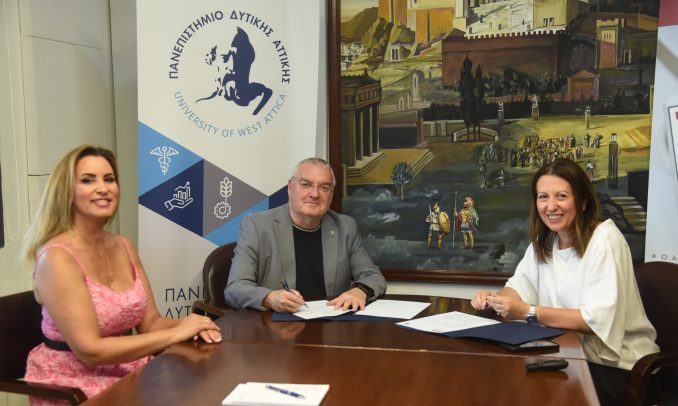
The review is authored solely by Effie Simou, Associate Professor of Communication and Media in Public Health at the University of West Attica, and examines the role of horizontal skills in the modern, technology-enhanced healthcare environment. By synthesizing international literature, it analyzes how professional responsibility, teamwork, cultural sensitivity, and ethical judgment impact care quality and safety in an era where artificial intelligence plays an ever more active role.

A “Skills Ecosystem” Rather Than a List of Competencies

The review does not treat these skills as isolated capabilities but as an interdependent ecosystem. Communication strengthens trust, empathy improves patient adherence, critical thinking acts as a counterbalance to uncritical acceptance of algorithmic recommendations, while professionalism and ethical vigilance ensure accountability.

The key argument is clear: technological progress does not make horizontal skills less important—it makes them essential. In an environment where algorithms support diagnosis, predict risks, or suggest treatment strategies, healthcare professionals are called upon to interpret, evaluate, and ultimately take responsibility for the decisions made.

Human Judgment Is Not Replaced. It Is Strengthened—and Tested.

Artificial Intelligence in Medicine and the Risks of Uncritical Trust in Technology

Particular emphasis is placed on the risks arising from excessive trust in AI systems. The so-called “automation bias” can lead to reduced critical vigilance, while the complexity of algorithms may hinder understanding of how their recommendations are generated.

Large language models and AI tools can also produce inaccurate or incomplete information persuasively. In a clinical setting, such misleading certainty can have serious consequences.

In this context, artificial intelligence in medicine cannot function autonomously; it requires active and critical human oversight. Critical thinking, transparency, and clear responsibility allocation become absolutely necessary. The final decision regarding patient care cannot be delegated to an algorithm. Responsibility remains human—a fundamental principle for the ethics of medical practice.

The Patient Relationship Dimension

Technology can enhance accuracy, accelerate processes, and support the management of large data volumes. However, it cannot replace the therapeutic relationship. Trust, clear communication, active listening, and recognition of patients’ emotional needs are elements that cannot be coded.

Especially in fields like oncology, where decisions are complex and the emotional burden high, the quality of communication can significantly influence treatment adherence, understanding of options, and overall care experience.

The review emphasizes that human presence is not supplementary to technology—it is the axis around which it must be organized.

Toward a Balanced Human–Algorithm Coexistence

The study’s conclusion is clear: health professional education must integrate both technological literacy and systematic development of horizontal skills. Knowing how an AI tool works is not enough; one must be able to critically evaluate it, explain its limitations, and integrate it responsibly into clinical practice.

In an era where algorithms are becoming increasingly “intelligent,” empathy, responsibility, and critical thinking are not secondary skills—they are the core of a medical practice that seeks to remain human, reliable, and safe.

Ultimately, the question is not whether artificial intelligence will be integrated into medicine—it already has been. The real challenge is under what terms it will coexist with the human factor. As technology advances at geometric speed, education must equally invest in skills that cannot be automated: the ability to listen, to question, and to take responsibility.

The challenge for artificial intelligence in medicine is not only technological but deeply pedagogical and ethical. Perhaps the greatest stake is not to create “smarter” systems but more conscious professionals. As algorithms evolve, so does the need for medicine to remain fundamentally human.

Source
The Growing Importance of Soft Skills in Medical Education in the AI Era, MDPI, 2024.
Available at: https://www.mdpi.com/2813-141X/4/4/50

Text/adaptation: Ifiyenia Anastasiou for Kapa3

February 15 – International Childhood and Adolescent Cancer Day

February 15 is dedicated to International Childhood and Adolescent Cancer Day, a day to raise awareness for children and adolescents facing cancer and for the families who stand by them through this particularly challenging journey.

Globally, over 400,000 children and adolescents aged 0–19 are diagnosed with cancer each year. In high-income countries, more than 80% of children survive thanks to medical advancements and improved treatment protocols. However, inequalities in access to timely diagnosis and appropriate care remain significant. The World Health Organization has set a goal to improve survival rates worldwide by 2030 by strengthening healthcare systems and access to treatment.

In Greece, approximately 300–350 children are diagnosed with cancer each year, with leukemia and central nervous system tumors being the most common types. Survival rates have improved significantly in recent decades, highlighting the importance of specialized medical and psychosocial care.

The experience of cancer at such a young age does not end with the completion of treatment. It often leaves an imprint that accompanies children into adulthood — a stage where challenges change form but the need for support remains.

FROM ADOLESCENCE TO YOUNG ADULTHOOD: THE NEED FOR CONTINUOUS CARE

Young adults aged 18–35 who have experienced cancer form a particularly vulnerable and often “invisible” group, situated between pediatric and adult oncology care. A diagnosis or long-term effects of the disease during this life stage can deeply impact independence, education, work, relationships, and future plans.

References
World Health Organization (WHO). Childhood cancer – Key facts. https://www.who.int/news-room/fact-sheets/detail/cancer-in-children
World Health Organization (WHO). Global Initiative for Childhood Cancer. https://www.who.int/initiatives/global-initiative-for-childhood-cancer
International Agency for Research on Cancer (IARC). Global Cancer Observatory – Childhood Cancer Data. https://gco.iarc.fr
Hellenic Society of Pediatric Hematology and Oncology (EEPAO). https://www.eepao.gr

Text/adaptation: Ifiyenia Anastasiou for Kapa3

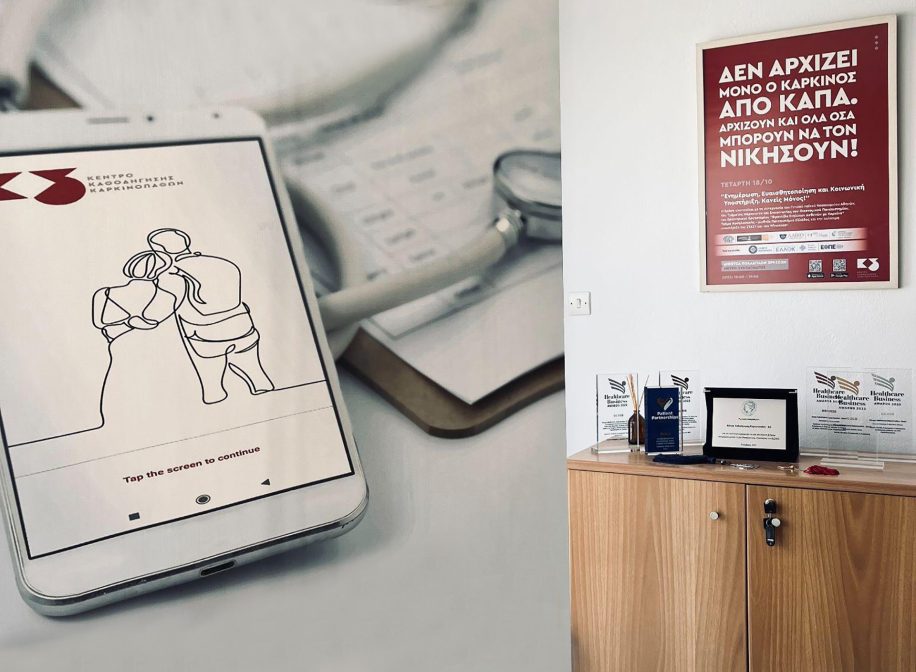
The “Myrto” Health Navigator : A New Era of Digital Support for Oncology Patients

The “Myrto” Health Navigator brings digital and AI-powered care closer to oncology patients, supporting personalization and equitable access to services.

On the occasion of the recent initiatives implemented by Kapa3 in the context of World Cancer Day, our organization once again highlighted the importance of access, empowerment, and meaningful support for oncology patients. Through awareness actions and public engagement, we reaffirmed our commitment to strengthening patients’ voices and improving their everyday reality.

Throughout its journey, Kapa3 has consistently demonstrated its dedication to supporting oncology patients by bridging gaps in information, accessibility, and social care. Building on this experience, we are now taking the next step forward.

After five years of continuous presence in empowering oncology patients through digital guidance, Kapa3 is expanding its footprint in the field of social accessibility by creating an innovative digital assistant: “Myrto.”
“Myrto” addresses the phenomenon of second-level digital exclusion, transforming digital information into a human, accessible, and meaningful experience. It represents the first Social Artificial Intelligence application in the field of social welfare for oncology patients in Greece.

It goes beyond providing information: it converses, guides, and evolves according to users’ real needs, with an emphasis on both accessibility and psychosocial support.

Our aim is to develop a fully functional chatbot integrated into the Kapa3 website, to train social workers and healthcare professionals in its use, and to substantially reduce the digital divide for vulnerable groups.

“Myrto” will offer holistic and personalized guidance to oncology patients as a true Patient Empowerment e-Navigator, through two main pillars:

  • Patient Advocate: Support with legal and administrative procedures (benefits, patient rights), facilitation of access to social welfare services, and guidance within the local healthcare system.

  • Health Navigator: Provision of essential information for health self-management.

At the same time, the platform will enhance communication, highlight available community resources, and incorporate an innovative health literacy assessment tool, enabling full personalization of the services provided.

The project will be developed, tested, and validated by oncology patients as well as by social workers, legal and financial experts, and consultants in health communication and psychology, both in person and online across Greece.

Your participation could substantially contribute to co-creating a personalized Navigator for every oncology patient, as a multidisciplinary perspective is a key factor in the project’s success.

Upon completion, we expect significant social, health, and scientific impact: improved patient quality of life, strengthened self-management, reduced resource requirements, and the creation of a network of experts and informed patients and professionals.

The Founding Sponsor of the “Myrto”Health Navigator is the TIMA Foundation.

We invite organizations, professionals, and stakeholders to become partners in this new chapter of the “Myrto” Health Navigator  by Kapa3 and contribute to building a more accessible, inclusive, and patient-centered healthcare environment.

Evangeli Bista, 

Co-founder Kapa3 – Head of Strategic Partnerships
PhD(c), MBA, MSc, BSc

Text/Adaptation: Ifiyenia Anastasiou for Kapa3