6 Awards for Kapa3 at the 4th Vouliagmeni Summer Crossing: Is There Such a Thing as a “Lonely Race”?

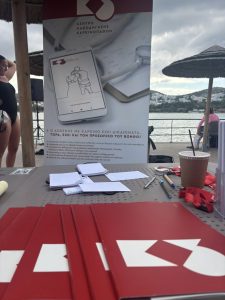
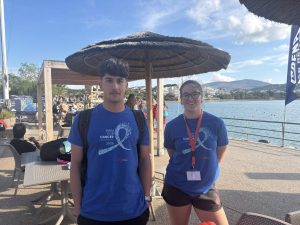
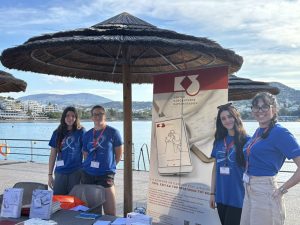
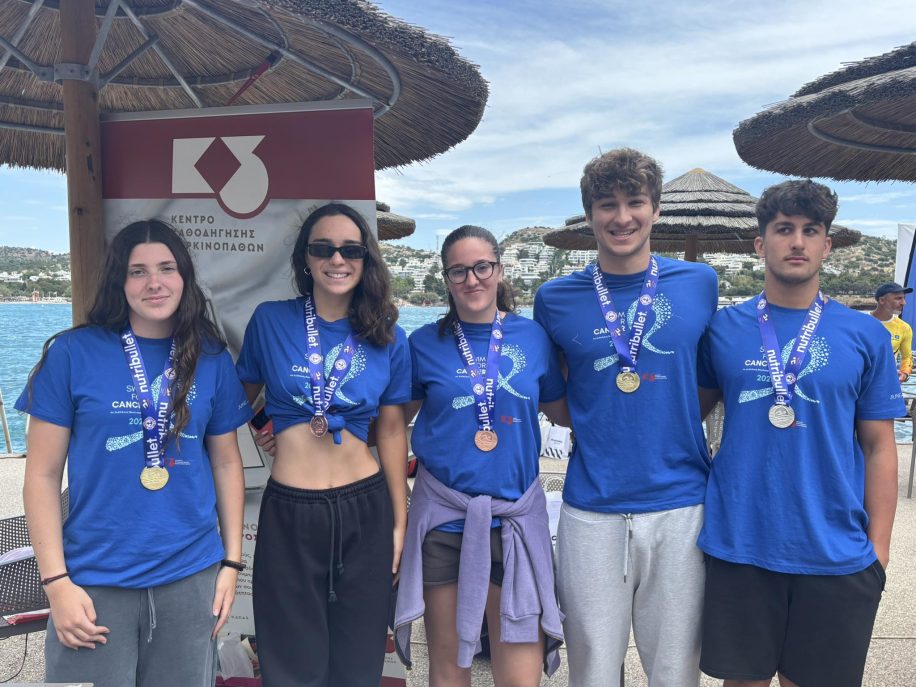
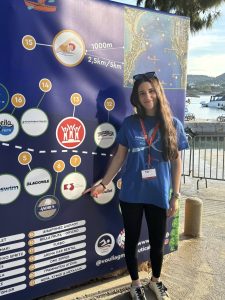
The Cancer Guidance Center – Kapa3 participated with great joy and emotion in the 4th Vouliagmeni Summer Swimming Crossing, an important sports and community event organised by the Vouliagmeni Nautical Club.

This year’s participation was particularly meaningful for all of us. The Kapa3 team received 6 awards, sharing a powerful message of participation, endurance, empowerment and togetherness.

But beyond the awards, what we hold most deeply is the message:

Is there really such a thing as a “lonely race”?

For us at Kapa3, the answer lies in our choice. And our choice is togetherness.

Despoina brought the idea — and much more.
Eirini stayed until the very end.

Leoni, Kalliopi, Giorgos, Christoforos, Athina, Christiana and Aria stood together as a true Winning Team.

They competed in every category, participated in every activity, informed, supported and left their own mark of empowerment, endurance and hope.

Leoni, Kalliopi, Giorgos, Christoforos, Athina, Christiana and Aria stood together as a true Winning Team.

They competed in every category, participated in every activity, informed, supported and left their own mark of empowerment, endurance and hope.

For Kapa3, the 6 awards are not only an athletic distinction. They are a symbol. They represent the power of effort, the importance of persistence and the value of community in every difficult journey.

ust as in the sea, the cancer journey requires rhythm, breath, emotional strength and people by our side. Even when a struggle feels personal, it does not have to be — and should never be — lonely.

Kapa3’s participation in the Vouliagmeni Crossing was an act of presence and awareness. It was a way to remind everyone that support for cancer patients, caregivers and families is not limited to information or access to rights and services. It is also about creating a community that stands beside people, encourages them and reminds them that they are not alone.

The sea carries a powerful symbolism. It represents the journey, uncertainty, effort, endurance, but also freedom. Every participant in the Crossing carries their own story, their own effort and their own path. For us at Kapa3, this image is deeply connected to the experience of people affected by cancer.

At Kapa3, we know that the experience of cancer is not limited to treatment. It is connected to everyday life, emotional resilience, access to information, rights, social benefits, transportation, work, family, uncertainty and the need for human presence.

This is why every community action we participate in has a dual purpose: to inform and to unite. To make visible the need for equal access to care, while also reminding everyone that support is not an abstract concept. It is presence. It is care. It is listening. It is guidance. It is the hand that helps someone keep going.

The 4th Vouliagmeni Summer Crossing was another moment of outreach, participation and empowerment for Kapa3. A moment that showed that strength is not found only at the finish line, but also in the decision to start, to try and to keep going.

We are grateful for the support, the care, the participation and the result.

We warmly thank the Vouliagmeni Nautical Club for organising the event, as well as everyone who participated, supported and stood beside us in this initiative.

We continue to choose togetherness at Kapa3.

Because even when a race is individual, it should never be lonely.
Bladder Cancer Awareness Month: Awareness, prevention and early diagnosis

May is internationally recognized as Bladder Cancer Awareness Month, an important initiative led by health organizations and patient advocacy groups worldwide to promote public awareness, prevention, and early diagnosis.

Bladder cancer is among the most common types of cancer globally, with hundreds of thousands of new cases diagnosed each year. In Europe, it is considered one of the most common urological cancers, affecting men significantly more often than women.

In Greece, the data remains particularly concerning. The country records the highest incidence rate in Southern Europe, with approximately 39.7 new cases per 100,000 men annually. In terms of mortality, an estimated 7–8 men per 100,000 lose their lives to the disease every year, placing Greece among the countries with the highest mortality rates in the region. These figures highlight the importance of prevention, awareness, and timely medical intervention.

Behind every statistic are people — patients and families facing the emotional, physical, and practical challenges that accompany a cancer diagnosis. Raising awareness is therefore not only about numbers, but also about supporting individuals throughout their journey.

Smoking remains the most significant risk factor for bladder cancer and is linked to a large percentage of cases. Long-term exposure to certain chemicals, especially in specific occupational environments, as well as chronic inflammation of the urinary tract, may also increase the risk of developing the disease.

Recognizing the symptoms early can make a critical difference. The most common warning sign is blood in the urine (hematuria), even when no pain is present. Other symptoms may include frequent urination, burning during urination, or a sudden urge to urinate. Although these symptoms may also be associated with less serious conditions, they should never be ignored.

When bladder cancer is diagnosed at an early stage, survival rates are significantly higher, underlining the importance of early detection. However, the disease is also known for its high recurrence rates, making long-term follow-up and monitoring essential even after treatment.

Prevention remains a key pillar in reducing the burden of the disease. Quitting smoking, limiting exposure to harmful chemicals, and increasing awareness of the symptoms can all contribute to lowering the risk.

In Greece, awareness initiatives are also supported by scientific organizations such as the Hellenic Genito-Urinary Cancer Group (HGUCG), contributing to public education and the promotion of early symptom recognition.

Bladder Cancer Awareness Month is an important opportunity to encourage open discussion around the disease. Awareness is more than information — it is a tool that can lead to earlier diagnosis, improved treatment outcomes, and ultimately, more lives saved.

Sources:

Text/adaptation: Ifiyenia Anastasiou for Kapa3

Mapping the efficiency of cancer care in Greece: findings from the All.Can Greece report

Cancer care efficiency in Greece remains one of the most complex and pressing challenges for the Greek health system — not only in terms of its clinical burden, but also in how care is organized around the patient.

With approximately 63,000 new cancer cases diagnosed annually and more than 32,000 cancer-related deaths each year, Greece faces a steadily increasing oncological burden. Projections suggest that cancer incidence will rise by around 23% by 2040, further intensifying pressure on health services.

Against this backdrop, All.Can Greece has published a landmark report titled “Mapping the Efficiency of Cancer Care in Greece”, based on the pilot implementation of the All.Can Action Guide for Efficient Cancer Care.

Rather than simply describing the current situation, the report aims to measure it — identifying where efficiency is lost across the cancer care pathway and where targeted reforms could make the greatest impact.

Cancer care efficiency in Greece: delays in care delivery

One of the most critical findings of the report relates to delays in the patient journey.

Despite the existence of modern infrastructure and highly specialized oncology centres, significant delays persist between initial suspicion, diagnosis, and the start of treatment.

These delays are not the result of a single bottleneck, but of systemic fragmentation:

  • fragmented referral pathways,
  • limited coordination between levels of care,
  • and the absence of standardized clinical protocols.

A key structural weakness is the lack of systematic monitoring of waiting times and time-to-treatment indicators. As a result, inefficiencies remain partially invisible to the system itself, limiting the ability to implement targeted improvements.

Fragmentation across the care continuum

The report highlights a broader issue of fragmentation in cancer care delivery.

The patient journey from primary care to specialist oncology services is often not clearly structured or consistently coordinated. Referral pathways depend heavily on individual practice rather than standardized national protocols.

A major gap is the absence of structured patient navigation services. In practice, this means that patients and families are often left to navigate a complex system on their own, increasing delays and adding unnecessary psychological burden.

At the same time, multidisciplinary tumor boards represent a positive development, supporting collaborative clinical decision-making across specialties. However, systematic monitoring of their performance remains limited.

The development of Comprehensive Cancer Centers is identified as a promising step forward, although further regulatory strengthening and clearer governance structures are still needed to maximize their impact.

Patient-centered care: progress with remaining gaps

Greece has made notable progress in collecting Patient-Reported Outcome Measures (PROMs) and Patient-Reported Experience Measures (PREMs), reflecting a growing commitment to integrating patient perspectives into care delivery.

However, patients’ access to their own clinical data remains limited, restricting their ability to actively participate in decision-making processes.

In addition, patient education and shared decision-making are not yet systematically embedded across the health system.

Another important gap concerns survivorship care. As cancer survival rates improve, the lack of structured long-term follow-up pathways leaves many patients without continuous support after active treatment ends.

Key policy directions

The report outlines several strategic priorities for improving cancer care efficiency in Greece:

  • Development of a comprehensive national cancer strategy with clear targets and governance mechanisms
  • Strengthening coordination across all levels of care
  • Implementation of standardized clinical pathways with defined time-to-treatment and quality indicators
  • Investment in oncology workforce capacity, particularly in shortage specialties
  • Establishment of structured patient navigation programmes
  • Acceleration of Comprehensive Cancer Center development
  • Systematic use of health data for monitoring performance and accountability
  • Greater patient engagement through PROMs, PREMs, and shared decision-making

Conclusion: a system with strong foundations but limited integration

Greece has many of the essential building blocks for a high-performing cancer care system — including infrastructure, clinical expertise, and emerging digital health capabilities.

However, the key challenge lies not in the existence of these components, but in their integration.

The All.Can Greece report highlights a system that is still operating in silos: strong individual elements that do not yet function as a fully connected care pathway.

In oncology, this lack of integration is not merely an organizational issue. It directly affects timeliness, patient experience, and ultimately outcomes.

The opportunity now lies in moving from fragmented capacity to coordinated care — where patients no longer have to bridge the gaps between system components themselves.

Source: Mapping-the-Efficiency-of-Cancer-Care-in-Greece-FINAL

Text/adaptation: Ifiyenia Anastasiou for Kapa3

Kapa3 in the second half of April: Information, collaborations and strengthening patient care

Kapa3 in April

Throughout April, Kapa3 continued to develop actions and initiatives aimed at improving access to care for oncology patients and their families, with a strong focus on information, prevention, and the development of innovative collaborations.

This period’s activities focused on raising awareness about key cancer types, improving patients’ daily lives through policy and systemic developments, and expanding partnerships that enhance the quality of care and services provided.

In an ever-evolving healthcare environment, the connection between reliable information, human support, and technology remains a key pillar for a more accessible and effective care system.

Below are the main initiatives and developments that marked the second half of the month.

Awareness

April is an awareness month for head and neck cancer as well as testicular cancer, highlighting the importance of prevention and early diagnosis. Although these types of cancer are often underrepresented in public discourse, awareness plays a crucial role in reducing late diagnoses and improving patients’ quality of life.

Patients’ rights

Important developments took place in the field of patients’ rights, including the establishment of the National Registry for Hospital-at-Home Care (NOSPI), aiming to better organise and ensure the safety of home-based care.

At the same time, the new framework for Public Administration introduces changes that directly affect citizens’ daily lives, enhancing transparency, reducing bureaucracy, and improving access to public services.

Collaborations

During April, Kapa3 further strengthened its network of collaborations through significant partnerships.

The collaboration with the PRAXI Network/FORTH, within the European smartHEALTH hub, enhances participation in innovation and health policy initiatives, opening new opportunities at European level.

In addition, the partnership with Karkinaki focuses on supporting children, adolescents, and families living with cancer, promoting a holistic approach to care.

Furthermore, the collaboration with SimasiaAI for the development of “Myrto”, an AI-powered digital assistant, highlights the importance of technology in empowering patients and improving access to reliable information and services.

Research & knowledge

A new international report on person-centred cancer care highlights the need for a holistic model that places the patient at the centre. This approach recognises not only clinical needs but also psychosocial dimensions, reinforcing the importance of patient involvement in decision-making.

Patients & society

On the occasion of European Patients’ Rights Day (18 April), Kapa3 highlighted the importance of equal access to quality care. Despite progress, challenges such as inequalities and delays remain, making the continued strengthening of support structures essential.

Supporting our work

Kapa3’s collection of handmade scarves continues to serve as a creative way of supporting the organisation’s mission, combining aesthetics with meaningful contribution to people living with cancer.

We continue to monitor developments and work towards improving patients’ daily lives — more news coming soon.

Text/adaptation: Ifigenia Anastasiou for Kapa3

Expansion of High-Cost Medicines Available Through EOPYY Private Pharmacies – What Changes for Patients

The Hellenic National Organization for the Provision of Health Services (EOPYY) is expanding the list of new high-cost medicines available through private EOPYY pharmacies, facilitating patient access to high-cost treatments. The recent decision was published in the Government Gazette.

This development represents another step toward simplifying patient access to high-cost therapies, reducing the need for physical visits to EOPYY pharmacies.

The new regulation includes the addition of further medicines, broadening the scope of the measure. Among these are treatments for multiple sclerosis, such as the active substance ocrelizumab, as well as anticancer agents like imatinib and capecitabine, widely used in oncology. This expansion is expected to significantly benefit more patients, who until now had to be served through specific distribution points, often facing longer waiting times. Patients will gain convenience and improved continuity of care, as access to treatments becomes faster and more reliable.

The option to collect medicines from private EOPYY pharmacies is expected to substantially improve patients’ daily lives, reducing hassle and enhancing accessibility, especially for those with chronic or serious conditions. This change is also part of the broader digital transformation of health services, aiming for a more flexible and patient-centered system. Healthcare providers will be able to monitor medicine distribution more efficiently, ensuring timely support and guidance for patients throughout their treatment.

According to the Government Gazette:

The start date of the medicine distribution process, with supply by EOPYY and final delivery at the private pharmacy specified in ministerial decision EΑLE/GΠ/oικ.51724/19-11-2025, as listed in the table below, is set as the date when EOPYY’s upgraded electronic platform (fyk.eopyy.gov.gr) becomes fully operational for the submission of patient requests under the new procedure defined in the above ministerial decision.

You can read the Government Gazette here (greek text)

Read our previous articles on the HCM procedure here and here

Text/Adaptation: Ifiyenia Anastasiou for Kapa3

Colorectal Cancer Awareness Month – March

March is dedicated to raising awareness and promoting prevention of colorectal cancer, one of the most common but also highly treatable cancers when detected early. It is also referred to as colorectal carcinoma.

According to a European Commission report published in March 2021, colorectal cancer accounted for 12.7% of all new cancer diagnoses and 12.4% of all cancer-related deaths in the EU-27 countries in 2020. By 2045, it is estimated that 3.29 million new cases will be diagnosed worldwide, leading to 1.66 million deaths.

The disease occurs more frequently in men than in women, with age being a significant factor. Approximately 90% of people diagnosed with colorectal cancer worldwide are over 50 years old.

Prevention and early detection save lives.

Regular screenings, such as colonoscopy, can detect early lesions or precancerous changes before they develop into serious disease. During a colonoscopy, tissue samples (biopsies) can be taken for histological examination if a suspicious lesion is found, and polyps can be removed to prevent progression to cancer.

Treatment options depend on the stage of the disease, the tumor’s molecular characteristics, and the patient’s overall health. Standard therapies include surgery, chemotherapy, radiotherapy—which plays a key role in rectal cancer—as well as targeted therapies and immunotherapies guided by specific molecular biomarkers.

Through the National Colorectal Cancer Screening Program, the goal is to detect precancerous lesions or the disease itself early, allowing prompt intervention and treatment. Adenomatous polyps or early-stage neoplasms have a 100% cure rate when managed at an early stage, highlighting the critical importance of early detection.

For more information, visit the National Colorectal Cancer Screening Program website: https://colon.gov.gr

For any questions, you can contact the service department at tel. 11401 or via email: prolipsis-helpdesk@idika.gr.

Sources:

New Collaboration between Cancer Guidance Center – Kapa3 and the Hellenic Federation of Persons with Multiple Sclerosis (HFoPwMS)

Cancer Guidance Center – Kapa3 announces its new collaboration with the Hellenic Federation of Persons with Multiple Sclerosis (HFoPwMS), strengthening synergies between organizations active in the field of health and patient support.

This collaboration aims to develop joint initiatives that will contribute to raising awareness, promoting public information, and providing meaningful support to people living with chronic conditions, with particular focus on cancer patients and persons living with Multiple Sclerosis. Through the exchange of knowledge, experience and good practices, the two organizations seek to strengthen actions that promote equal access to information, healthcare services and social inclusion for patients.

Cancer Guidance Center – Kapa3 is dedicated to supporting people living with cancer and their caregivers by providing reliable information, practical guidance and access to benefits and services. At the same time, the organization develops initiatives that enhance patients’ awareness of their rights and promote their psychosocial empowerment. Through initiatives such as Mobile Units, digital tools and educational programmes, Kapa3 promotes a patient-centred approach to cancer care, encouraging patients to actively participate in decisions concerning their health and quality of life, while fostering collaborations with organizations working in the fields of health and social support.

The Hellenic Federation of Persons with Multiple Sclerosis (HFoPwMS) is a secondary non-profit organization founded in 2008 with the aim of uniting and supporting primary associations of persons with Multiple Sclerosis across Greece, while also raising awareness about the disease among the wider public. The Federation currently brings together nine primary patient associations from across the country. HFoPwMS implements awareness and advocacy initiatives related to Multiple Sclerosis and works to ensure the equal participation of people with MS in the educational, professional, athletic and cultural life of the country. It is a member of the National Confederation of Disabled People (ESAmeA) and the European Multiple Sclerosis Platform (EMSP).

Within the framework of this collaboration, the two organizations plan to develop joint initiatives such as the organization of conferences, workshops and awareness events, the implementation of information and public awareness campaigns, participation in national and European programmes, as well as the development of joint research initiatives on issues related to patients’ quality of life. The partnership will also contribute to strengthening interdisciplinary cooperation and knowledge exchange among organizations active in the health sector.

This new collaboration reflects the shared vision of the two organizations to strengthen the voice of patients and promote a society that respects, supports and empowers people living with chronic conditions.

Kapa3 and Doctorhomie: Joining Forces to Support Cancer Patients

Kapa3 is pleased to announce the signing of a memorandum of cooperation with the digital home-care platform Doctorhomie. The Kapa3–Doctorhomie collaboration aims to strengthen support for cancer patients and their families across Greece.

Since its establishment, the Cancer Guidance Center – Kapa3 has been actively working to provide meaningful guidance to people living with cancer and their caregivers, with a strong focus on access to benefits and services, information about patients’ rights, and psychosocial support. Through Mobile Units, digital tools and educational initiatives, the organization promotes patient-centred care, creates channels of communication with beneficiaries and strengthens their participation in decisions concerning their health. Kapa3’s philosophy is grounded in building partnerships, leveraging technology and fostering collaborations with organizations that share the same vision.

Doctorhomie, on the other hand, is redefining home-based care in Greece by offering an integrated digital platform that connects patients with physicians, nurses, psychologists, physiotherapists and caregivers. Through tools that enhance monitoring and management of care at home, Doctorhomie contributes to strengthening Primary Health Care, promoting prevention, supporting families and improving both the safety and quality of care.

The new collaboration between Kapa3 and Doctorhomie opens opportunities for joint initiatives at multiple levels, including:

  • the organization of workshops, conferences and webinars aimed at informing patients, promoting quality of care and strengthening trust between patients and their treating physicians, particularly within the context of home-based care and Primary Health Care,

  • awareness and information campaigns focusing on prevention, the fight against myths and stigma, and a better understanding of patients’ symptoms and needs,

  • participation and collaboration in national and European programmes that promote innovation in oncology care and strengthen digital tools for patients and caregivers,

  • joint research initiatives on topics of shared interest, with the aim of supporting scientific evidence, disseminating knowledge and contributing to health policy development at both national and European level.

This partnership is founded on the shared belief that patient care begins with information and support, is strengthened through education and collaboration, and evolves through the combined use of technology and patient-centred practices.

Kapa3 and Doctorhomie are committed to making the most of this collaboration in order to strengthen patients’ participation in decisions regarding their health, reduce inequalities and provide timely and effective support to those who need it.

With a shared vision of quality and accessible care, Kapa3 and Doctorhomie are opening a new chapter of cooperation in support of cancer patients in Greece.

Download our Press Release in pdf or word

Kapa3 at Athens Digital Health Week 2026 – The Role of Patient Digital Navigators in Healthcare Digital Transformation

As part of Athens Digital Health Week 2026, Kapa3, as a new member of the Hellenic Digital Health Cluster (HDHC), participated in the closed members and partners meeting as well as the panel discussion titled “Synergies to Bridge the Needs of Healthcare Services in Digital Transformation,” presenting the role of patient digital navigators and exploring how digital technologies can strengthen a patient-centered healthcare system.

The discussion focused on a key question: how can available digital solutions effectively address the real needs of the healthcare and social care system?

Special emphasis was placed on the importance of interoperability, evidence-based decision-making, transparency, and comparability, as well as connecting research and governance, promoting equality, and considering the impact of artificial intelligence in the modern healthcare ecosystem.

Kapa3 was represented by Evangeli Bista, who highlighted the critical role of patient organizations in successfully integrating digital technologies into the care journey.

As she noted:

“Digital health is not only about developing technological solutions, but about their meaningful integration into the patient’s care journey. Civil society organizations (patients, caregivers, friends, professionals) can play a crucial role as adoption partners, contributing to design, implementation, and evaluation. Through collaboration within the Cluster, an ecosystem is strengthened where innovation translates into real accessibility and continuity of care with maximum social impact. For the Cancer Patients Guidance Center – Kapa3, developing its role as patient digital navigators can only happen through such synergies.”

The panel also included representatives from Affidea Greece, Gnomon Informatics SA, and REA Maternity & Gynecology Clinic, who contributed their expertise to a productive dialogue on aligning technology, clinical practice, and data governance.

During the closed meeting, the need to strengthen joint research initiatives, interoperability, and systematic collaboration among ecosystem members was emphasized, ensuring that innovation translates into measurable value for both patients and the healthcare system.

For Kapa3, developing its role in the digital health ecosystem as patient digital navigators is a strategic priority. Through such collaborations, patient organizations are empowered to actively contribute to a more transparent, equitable, and truly patient-centered healthcare system, where technology serves as a tool for empowerment rather than an end in itself.

Download our Press Release in pdf or word

Kapa3 Collaboration with the Municipality of Meteora to Establish a Cancer Patient Support Office

Kapa3 launches collaboration with the Municipality of Meteora to establish a support office for cancer patients and their families, strengthening local social services and providing practical assistance to patients and families affected by cancer.

The initiative for this establishment was taken by the Municipality of Meteora and approved by the Municipal Council, aiming to improve access to services and information for patients. The office will operate within the Kalampaka Community Center and will be staffed by a social worker and a psychologist, in collaboration with the “Help at Home” program.

The Cancer Guidance Center – Kapa3 will provide scientific guidance and prepare the tools and methodologies for the office’s operation, including collecting social histories, recording requests, and guiding patients and their families.

This office, as a support office for cancer patients, will offer free services such as:

  • Guidance on rights and benefits (KEPA, social tariffs, work schedule adjustments, allowances).

  • Patient file management to reduce bureaucratic burden.

  • Social and psychosocial support for patients and families.

  • Collaboration with local social and health services.

In addition, the support office will act as an information hub for the local community, providing interested individuals with information on prevention, awareness programs, and solidarity initiatives. In this way, it enhances not only the direct support for patients but also the wider community’s awareness and engagement with the needs of their fellow citizens.

In a statement, Mayor Lefteris Avramopoulos emphasizes:

“The establishment of the Patient Service Office for Neoplastic Diseases is a policy choice focused on people. The Municipality of Meteora takes responsibility to stand truly beside our fellow citizens, ensuring support, dignity, and effective access to their rights.”

The goal of the collaboration is to ensure timely and equitable access for cancer patients and their caregivers to reliable information and supportive services, reducing the stress and psychosocial burden often accompanying the disease.

Kapa3, with experience in patient guidance across Greece and an already functioning similar structure in the Municipality of Megara, continues to expand its network of collaborations with local authorities, strengthening the connection between social services and patients.

The collaboration with the Municipality of Meteora represents another step toward creating a stable framework for supporting cancer patients at a regional level, focusing on people and their real needs.

Download our press release in pdf or word