Continuing the Journey: Online Group Sessions for Mental Health and Nutrition – Third Cycle with Kapa3 and the LB.H.Sc

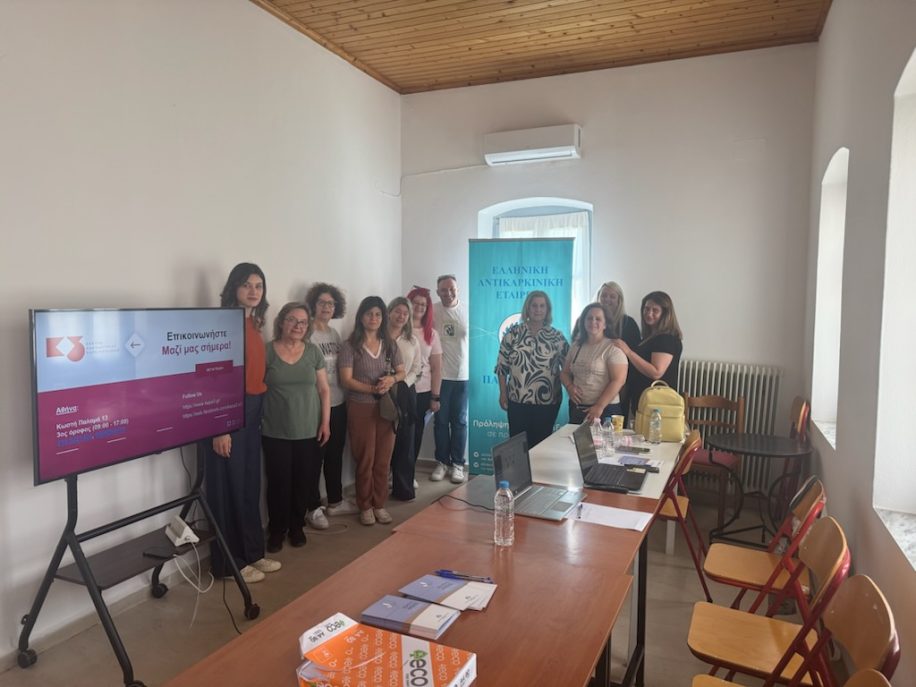
Following the warm response to the second cycle of meetings (see the related article here ), focusing on Nutritional Guidance and Experiential Psychological Support, Kapa3 and the Laboratory of Basic Health Sciences (LB.H.Sc), Department of Nursing University of Peloponnese are delighted to continue their collaboration with a third series of online group sessions for mental health and nutrition, dedicated to the holistic care of body and mind, designed for people living with cancer and their caregivers.

In this third cycle, mental health and nutrition are approached as two complementary sides of the same care.

The mental health sessions help participants recognize and manage challenging emotions such as anxiety, fear, sadness, or guilt, strengthen resilience, and cultivate a deeper connection with themselves and others.

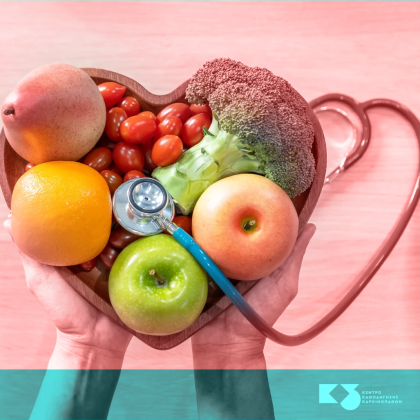
The nutrition sessions explore how mindful and balanced eating can support the body, improve energy and mood, and become a meaningful act of self-care. Food is not only a necessity but also a way to nurture the body, mind, and spirit.

Program of Online Sessions for Mental Health and Nutrition & Themes

  • Saturday, February 28, 2026, 17:30–19:00
    Myths and truths about “anti-cancer” diets. How to evaluate nutritional information and avoid risky practices.

  • Saturday, March 14, 2026, 17:30–19:00
    Stress and uncertainty: practical ways to manage them during treatments and exams.

  • Saturday, March 21, 2026, 17:30–19:00
    Giving space to emotions without being overwhelmed: recognizing and expressing fear, anger, sadness, and guilt.

  • Saturday, March 28, 2026, 17:30–19:00
    Nutritional support during treatment & the role of cachexia.

  • Saturday, April 25, 2026, 17:30–19:00
    Boundaries without guilt: protecting energy and mental resilience.

  • Saturday, May 9, 2026, 17:30–19:00
    Safe cooking practices & kitchen hygiene.

  • Saturday, May 23, 2026, 17:30–19:00
    Family and illness: changes in relationships and ways to support each other.

  • Saturday, June 6, 2026, 17:30–19:00
    The Tree of Life: who I am beyond the illness.

  • Saturday, June 13, 2026, 17:30–19:00
    What gives meaning to life now: discovering small but meaningful elements that sustain us.

Format & Participation

The meetings are held online, based on dialogue, experiential learning, and the sharing of personal experiences. Everyone participates at their own pace, in a warm environment of acceptance and trust. Consistent attendance helps build safety and confidence within the group.

To express your interest or join the first session of the third cycle (Saturday, February 28, 17:30–19:00): [Registration Link]

Text/adaptation: Ifiyenia Anastasiou for Kapa3

The “Myrto” Health Navigator : A New Era of Digital Support for Oncology Patients

The “Myrto” Health Navigator brings digital and AI-powered care closer to oncology patients, supporting personalization and equitable access to services.

On the occasion of the recent initiatives implemented by Kapa3 in the context of World Cancer Day, our organization once again highlighted the importance of access, empowerment, and meaningful support for oncology patients. Through awareness actions and public engagement, we reaffirmed our commitment to strengthening patients’ voices and improving their everyday reality.

Throughout its journey, Kapa3 has consistently demonstrated its dedication to supporting oncology patients by bridging gaps in information, accessibility, and social care. Building on this experience, we are now taking the next step forward.

After five years of continuous presence in empowering oncology patients through digital guidance, Kapa3 is expanding its footprint in the field of social accessibility by creating an innovative digital assistant: “Myrto.”
“Myrto” addresses the phenomenon of second-level digital exclusion, transforming digital information into a human, accessible, and meaningful experience. It represents the first Social Artificial Intelligence application in the field of social welfare for oncology patients in Greece.

It goes beyond providing information: it converses, guides, and evolves according to users’ real needs, with an emphasis on both accessibility and psychosocial support.

Our aim is to develop a fully functional chatbot integrated into the Kapa3 website, to train social workers and healthcare professionals in its use, and to substantially reduce the digital divide for vulnerable groups.

“Myrto” will offer holistic and personalized guidance to oncology patients as a true Patient Empowerment e-Navigator, through two main pillars:

  • Patient Advocate: Support with legal and administrative procedures (benefits, patient rights), facilitation of access to social welfare services, and guidance within the local healthcare system.

  • Health Navigator: Provision of essential information for health self-management.

At the same time, the platform will enhance communication, highlight available community resources, and incorporate an innovative health literacy assessment tool, enabling full personalization of the services provided.

The project will be developed, tested, and validated by oncology patients as well as by social workers, legal and financial experts, and consultants in health communication and psychology, both in person and online across Greece.

Your participation could substantially contribute to co-creating a personalized Navigator for every oncology patient, as a multidisciplinary perspective is a key factor in the project’s success.

Upon completion, we expect significant social, health, and scientific impact: improved patient quality of life, strengthened self-management, reduced resource requirements, and the creation of a network of experts and informed patients and professionals.

The Founding Sponsor of the “Myrto”Health Navigator is the TIMA Foundation.

We invite organizations, professionals, and stakeholders to become partners in this new chapter of the “Myrto” Health Navigator  by Kapa3 and contribute to building a more accessible, inclusive, and patient-centered healthcare environment.

Evangeli Bista, 

Co-founder Kapa3 – Head of Strategic Partnerships
PhD(c), MBA, MSc, BSc

Text/Adaptation: Ifiyenia Anastasiou for Kapa3

World Cancer Day: United by Our Uniqueness

Every year on 4 February, World Cancer Day invites us to reflect on one of the greatest challenges of modern public health.

The goal is not only to confront cancer as a disease, but to face it with knowledge, empathy and shared responsibility. Because cancer touches millions of lives in countless ways, yet it does not define who we are. We are more than a diagnosis, more than a number.

World Cancer Day was established in 2000, following the World Summit Against Cancer for the New Millennium in Paris. It is a core element of the Paris Charter Against Cancer — a global commitment to advancing research, prevention, patient care, awareness and international mobilisation. Since then, the day has served as a reminder that addressing cancer requires long-term vision, cooperation and consistency.

This year’s message, “United by Unique”, highlights a fundamental truth: cancer is not only a medical event.

It is a deeply personal experience. Behind every diagnosis lies a unique human story — stories of fear and loss, but also of resilience, care, love and healing. Every story counts.

Cancer Today: Facts and Challenges

Cancer remains one of the most significant public health challenges in Europe and in Greece. Data from international and European organisations underline not only the scale of the disease, but also the persistent inequalities in prevention, early detection and access to care.

In Europe, approximately 2.7 million new cancer diagnoses are recorded each year, with around 1.3 million deaths, while the economic burden exceeds €93 billion annually. In Greece, cancer is the second leading cause of death, affecting thousands of families and carrying profound social and psychological consequences.

Progress, Prevention and Hope

At the same time, scientific progress offers well-founded reasons for optimism.

Prevention and early detection remain decisive factors. Screening programmes, vaccination, healthy lifestyle choices and access to reliable information can significantly reduce the risk of certain cancers and improve treatment outcomes. In this context, knowledge is not merely information — it is power and a fundamental right.

Advances in cancer management are equally important. Personalised medicine, targeted therapies, immunotherapy and improved management of treatment side effects contribute not only to increased survival rates, but also to a better quality of life for people living with and beyond cancer. Information and education are key tools for both prevention and empowerment.

Mental health plays a crucial role as well. Diagnosis and treatment are often accompanied by anxiety, fear, sadness and emotional exhaustion — affecting not only patients, but also their caregivers. Psychosocial support, counselling services and empowerment groups are essential components of holistic cancer care, helping to preserve dignity and quality of life.

Information, research and mental health care are core pillars of modern cancer management. Indicatively, you may explore the following Kapa3 articles:

Empowerment and Action

World Cancer Day is not just a day of awareness. It is a call to action:

  • to speak openly about prevention and our health,

  • to support people living with cancer and their caregivers,

  • to seek reliable information and evidence-based sources,

  • to advocate for equal access to care and psychological support,

  • to remember that no one should face cancer alone.

Because our strength lies in solidarity — and in respecting the uniqueness of every individual.

United by our uniqueness.

References:

World Health Organization (WHO) – Cancer
https://www.who.int/health-topics/cancer

International Agency for Research on Cancer (IARC)
https://www.iarc.who.int

Union for International Cancer Control (UICC) – World Cancer Day
https://www.worldcancerday.org

European Commission – Europe’s Beating Cancer Plan
https://health.ec.europa.eu/eu-policy/health-strategies/europes-beating-cancer-plan_en

European Cancer Information System (ECIS)
https://ecis.jrc.ec.europa.eu

Hellenic Statistical Authority (ELSTAT) – Health Data
https://www.statistics.gr/en/statistics/-/publication/SHE15/

Hellenic National Public Health Organization (EODY) – Cancer & Public Health
https://eody.gov.gr/

Greek Ministry of Health – Prevention & Screening
https://www.moh.gov.gr/articles/prevention-screening

Text/adaptation: Ifiyenia Anastasiou for Kapa3

Cancer is increasingly becoming a highly manageable disease

In the Sunday edition of To Vima newspaper and Vita magazine (25 January 2026), the views of Ms Evangeli Bista, co-founder of Kapa3, were featured, shedding light on the landscape of modern oncology and the challenges emerging within the current Greek healthcare reality.

Ms Bista addressed the Greek context and highlighted the importance of digital technology as a cornerstone of modern health policy, particularly in the field of cancer care, where treatment pathways are complex, long-term, and deeply person-centred. As she noted, Greece has already made measurable progress: electronic and paperless prescribing, oncology registries, the National Electronic Health Record, and applications such as MyHealthApp are creating the conditions for more coordinated and transparent care. When healthcare professionals, as well as patients themselves, are equipped with appropriate digital skills, patient autonomy is strengthened, treatment outcomes improve, and inequalities—especially those affecting vulnerable population groups—are reduced.

The article is co-authored by distinguished scientists and collaborators: Maria Gazouli, Professor of Biology, Genetics and Nanomedicine at the Medical School of the National and Kapodistrian University of Athens and national representative on the Committee for Advanced Therapies of the European Medicines Agency; Manolis Saloustros, Associate Professor of Oncology at the University of Thessaly and President of the Hellenic Society of Medical Oncology (HESMO); and Christos Frantzidis, Assistant Professor of Informatics and Machine Learning at the University of Lincoln in the United Kingdom.

The contributing experts underline that modern oncology increasingly approaches cancer as a largely manageable chronic disease, through targeted and personalised therapies. The use of innovative technologies—such as next-generation sequencing, mRNA vaccines, PARP inhibitors and cellular therapies—has significantly expanded therapeutic options. At the same time, prognosis is becoming more dynamic and individualised through the use of multi-omics profiling, machine learning algorithms and liquid biopsy techniques. Particular emphasis is placed on the early integration of palliative care and psychosocial support, which play a crucial role in improving patients’ quality of life. Finally, the importance of structured and coordinated healthcare services is highlighted, with the medical oncologist acting as a key coordinator of person-centred care.

Beyond documenting technological advances, the article opens a broader discussion on the digital transition in oncology care, addressing issues of access, meaningful use of data and the need for coordination across different scientific disciplines. Digital health is presented not as an end in itself, but as a tool that requires collaboration, institutional maturity and a shared vision in order to deliver real value to patients.

The overarching message is clear: every step, whether small or large, matters. Progress in oncology is not the result of isolated actions, but of collective effort. Through collaboration among scientists, healthcare professionals, organisations and patients, the conditions for meaningful and sustainable change can be created—always with the human being and their real needs at the centre.

Download our Press release here:  KAPA3_VIMA

Text / Adaptation: Ifiyenia Anastasiou for Kapa3

January 24 – International Day of Education

January 24 has been designated by the United Nations as the International Day of Education, recognizing education as a fundamental human right and a key pillar of social cohesion, equality, and sustainable development. Access to knowledge is not only a means of professional growth but also a decisive factor in psychological resilience, personal identity, and hope for the future.

EDUCATION AND ILLNESS: WHEN LEARNING BECOMES SUPPORT

For children living with cancer or other serious illnesses, education takes on a special significance. International initiatives, such as hospital schools, have highlighted the role of learning in maintaining continuity of life during treatment. According to the World Health Organization, education for hospitalized children is not just about curriculum but also serves as a source of joy, normalcy, and psychological empowerment. Participation in lessons, interaction with teachers, and pursuing personal interests help children retain goals and envision their future, even under the strain of serious illness.

YOUNG ADULTS WITH CANCER: STUDIES, INTERRUPTIONS, AND RETURNS

Education is also a critical issue for young adults living with cancer, an age group often engaged in higher education, vocational training, or early career stages. International research shows that a cancer diagnosis during this period can lead to study interruptions, delayed completion, shifts in educational direction, and increased psychological burden. Studies from Europe and the United States report higher levels of anxiety, social isolation, and uncertainty about the future, while also highlighting that flexible educational structures and supportive policies significantly increase the likelihood of returning to and completing studies.

Yet there are also those who, through their experience with illness, redefine their priorities: pursuing new fields of knowledge, changing direction, or discovering previously untapped skills.

DATA IN GREECE

In Greece, there are no official data tracking continuation or interruption of studies for young adults living with cancer — such as how many students drop out, how many return after treatment, or the overall impact on their educational trajectory. However, it is estimated that the incidence of cancer in young adults is approximately 7.4 new cases per 100,000 inhabitants per year, highlighting the unique psychosocial and developmental challenges this group faces. The lack of systematic data on educational outcomes underscores the need for further research and for policies that support young people in continuing or completing their studies when and how they wish.

Education at any age can serve as a tool for hope and life reorientation. Many individuals who have experienced cancer choose to return to learning, acquire new skills, change career paths, or invest in postponed dreams. Knowledge does not erase the challenges of illness, but it can provide meaning, perspective, and a sense of control during uncertain times.

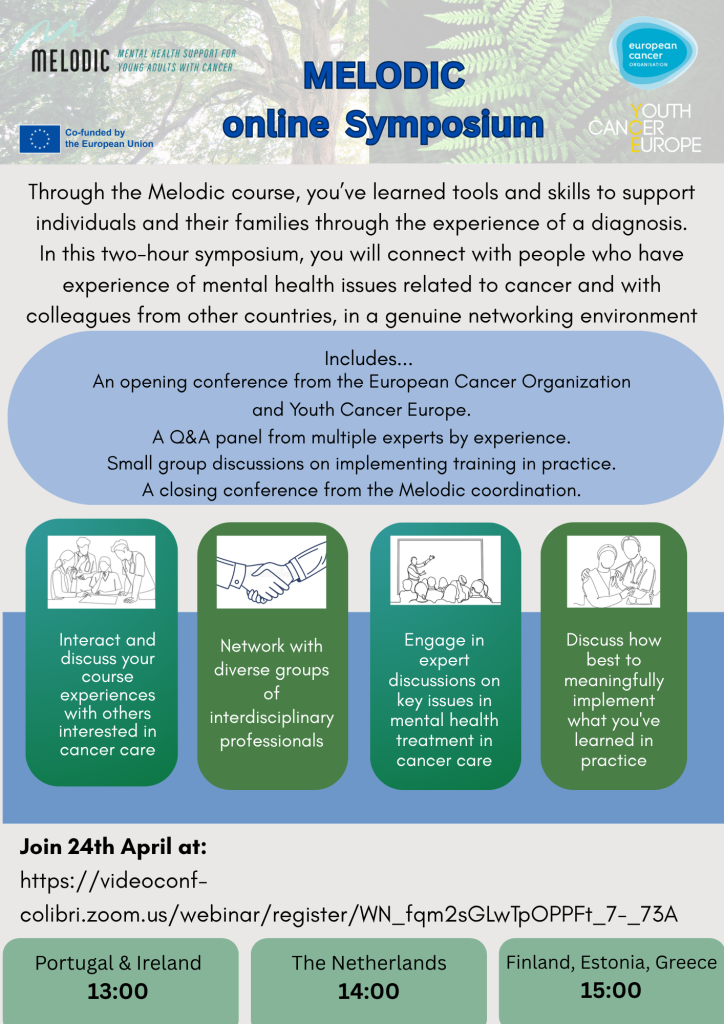
At KAPA3, we recognize the importance of education as an integral part of psychosocial support. Through our participation in European projects, such as MELODIC, which focuses on the mental health of young adults with cancer, we highlight the need for holistic approaches that consider life, studies, and personal plans beyond the diagnosis.

The International Day of Education serves as a reminder that knowledge does not stop in the face of illness. With support, understanding, and appropriate structures, education can remain alive — acting as a bridge to the future and a reminder that life continues.

Sources:

Text/Adaptation: Ifiyenia Anastasiou for Kapa3

World Love Day – 14 December

Love as a foundation of wellbeing, resilience, and human connection

World Love Day, celebrated every year on 14 December, invites us to pause and reflect on the power of love in our everyday lives. Love — in all its forms — strengthens human connection, nurtures compassion, and builds more resilient communities. For people facing illness, caregiving responsibilities or personal hardship, love is not just an emotion; it is presence, support, and protection.

Love and human wellbeing

International evidence highlights that loving relationships and strong social bonds contribute to better mental health, lower stress levels, and greater resilience. Social support — whether from family, friends, or the wider community — is essential during moments of crisis and plays a key role in enhancing overall wellbeing.

Inequalities in access to care, support, and connection

Although love is universal in meaning, it is not universally experienced. Social and economic barriers, loneliness, and lack of supportive networks can limit a person’s access to care and emotional safety. World Love Day is a reminder that social cohesion requires continuous effort — especially for individuals and families living in vulnerable conditions.

The meaning of love in cancer care

For people living with cancer — and for those who care for them — love carries a profound significance. Emotional support has been shown to:

  • reduce anxiety and depression,

  • strengthen adherence to treatment,

  • improve communication with healthcare professionals,

  • and create a much-needed sense of stability and safety.

Love means no one should face illness alone.

The Greek context

In Greece, many patients and caregivers rely heavily on informal networks of support. While this often becomes a powerful source of strength, it can also create pressure when caregivers lack institutional support or face social and economic challenges. Strengthening a culture of care and solidarity is essential so that no family carries the burden by itself.

The role of Kapa3

At Kapa3, love is at the heart of our work. Through awareness activities, psychosocial support, networking opportunities, and advocacy for patients’ rights, we strive to create environments where love translates into care, safety, and dignity. We support families, empower caregivers, and amplify the voices of those who are often unheard.

Become a member or volunteer at Kapa3

Support our work and become part of a community that ensures no patient or caregiver is left alone. By joining Kapa3 as a member or volunteer, you help us build support networks, provide reliable information and psychosocial support, and promote dignity and compassion in practice.

Learn more about volunteering here: https://www.kapa3.gr/prosklisi-ethelonton-gia-to-kentro-kathodigisis-karkinopathon-kapa3/

After all, nothing is stronger than the heart of a volunteer. (Jimmy Doolittle)

If you would like to contribute, you can contact us by phone or email, using the subject line “Volunteering”.

Become a member of Kapa3:
https://www.kapa3.gr/gine-melos/

Contact us here:
https://www.kapa3.gr/epikoinonia/

Learn more about Kapa3 at:
www.kapa3.gr

A call to action

World Love Day invites us to express love openly, through actions and with consistency. It calls on us to support those who need care, to cultivate empathy, and to build a society where compassion and humanity are not exceptions, but core values.

Let’s not forget that love is a choice. It takes time. It requires patience and effort. It means showing up. It is kindness. It is not selfish, and it is not conditional.

Let us remember today — and every day — that love is an action. And that this action has the power to change lives.

After all,

“And now these three remain: faith, hope and love. But the greatest of these is love.”
1 Corinthians 13:13

Text/adaptation: Ifiyenia Anastasiou for Kapa3