Kapa3 in Brussels: Building European Partnerships for More Human-Centred Cancer Care

Participation in the Cluster 1 Health & Mission Cancer Brokerage Event highlighted the importance of digital innovation, meaningful patient engagement and cross-border collaboration in European health research.

28 September 2026 | Brussels, Belgium

Kapa3 – Cancer Guidance Centre participated in the European “Building Strong Networks in Cluster 1 Health & Mission Cancer” Brokerage Event, held in Brussels on 28 September 2026, focusing on the development of partnerships for the upcoming Horizon Europe 2027 calls, particularly Cluster 1 – Health and the EU Cancer Mission.

Kapa3 was represented by Aristea Archontidou, an associate of the organisation specialising in healthcare information technology, health policy and patient advocacy, as part of the participation of the Hellenic Digital Health Cluster (HDHC).

The event brought together researchers, universities, healthcare organisations, technology companies, innovation stakeholders, patient representatives and policymakers, providing opportunities to establish European research connections and explore future collaborations.

For Kapa3, participation reflects an ongoing commitment to connecting the real needs of people affected by cancer with European developments in research, digital health and more accessible models of care.

From European Research to Meaningful Partnerships

The event provided a valuable platform for exchanging knowledge, presenting research ideas and identifying potential partners for future European projects.

The programme included presentations on Horizon Europe 2027 priorities, thematic pitching sessions and targeted bilateral networking meetings.

Three main areas were addressed:

  • Healthcare Innovation: New approaches to research, prevention, diagnosis and healthcare delivery.
  • Clinical Trials: Research collaboration, clinical studies and the development of innovative therapeutic approaches.
  • Digital Health & Artificial Intelligence: Digital technologies, data-driven solutions and applications of AI in healthcare.

The discussions highlighted the increasing importance of interdisciplinary collaboration and the participation of organisations that understand patients’ needs in real-world settings.

Research, digital innovation and social innovation should not be treated as separate processes. Their impact depends on their ability to address unmet needs, operate effectively in real-life environments and demonstrate meaningful value.

Digital Health and AI: Technology Must Serve People

One of the most important observations emerging from the event was that digital health and Artificial Intelligence are no longer isolated technical topics.

They are increasingly integrated into multiple areas of healthcare research, from scientific data analysis and clinical research support to prevention, information access and the management of complex care needs.

However, technological progress does not automatically translate into social progress.

A digital solution cannot be considered truly successful if the people it is intended to serve cannot understand, trust or use it.

At Kapa3, addressing digital exclusion, strengthening health and digital literacy, improving accessibility and ensuring the responsible use of AI are fundamental priorities.

This approach is reflected in the development of MYRTO – Kapa3’s AI-Supported Digital Social Navigator, designed to facilitate access to evidence-informed, understandable information about social rights, benefits and available support services.

MYRTO is being developed in technological collaboration with SimasiaAI, with the valuable support of the TIMA Charitable Foundation.

The initiative demonstrates how technological innovation can be connected with social navigation and the practical needs of people living with cancer.

Meaningful Patient Engagement as a Foundation for Innovation

Another central message emerging from the discussions and networking activities was the growing importance of meaningful patient involvement in research and digital health development.

Patient organisations can contribute far more than final-stage evaluation or symbolic representation.

They can help identify unmet needs, co-develop research questions, improve the accessibility of digital tools and evaluate solutions in real-world settings.

Patient involvement in real-world pilots, co-creation processes and user-experience evaluation can contribute to more relevant, acceptable and sustainable healthcare innovations.

This approach is closely aligned with Kapa3’s mission.

Experience gained through everyday patient navigation, the identification of administrative and social barriers and the systematic documentation of support needs can provide valuable insights for the development and evaluation of new interventions.

European Networking and Opportunities for Collaboration

Kapa3’s participation in Brussels, through the Hellenic Digital Health Cluster ecosystem, provided opportunities to engage with professionals and organisations active in research, digital health and social innovation.

The event facilitated valuable exchanges with several stakeholders, including George Dimitriou, Cluster Manager of HDHC, alongside George Nikolaidis and Martha Zachariadou from Ergobyte Informatics S.A.

Additional discussions and connections involved Sotiria Tsalamani from KMOP – Social Action and Innovation Centre, Nikolaos Papadopoulos from heeelp!, Angie Fasoula from MIMA Technologies and Ilias Nikolinakos from ELPEN Pharmaceutical Co. Inc.

These initial contacts offer opportunities to explore shared interests and potential future collaborations in digital accessibility, human-centred technology, patient engagement and applied health research.

Special appreciation goes to the PRAXI Network for supporting Greek participation, as well as to the National Contact Points and co-organisers whose efforts created a valuable environment for European networking and collaboration.

Kapa3 as a Partner in Human-Centred Research and Innovation

Kapa3’s presence at this European event strengthens its strategic direction towards partnerships that combine scientific knowledge with lived experience and community-based insights.

Through social and patient navigation, cooperation with healthcare professionals, participation in European research projects and the development of digital tools, the organisation seeks to contribute to the design, implementation and evaluation of interventions that respond to the actual needs of patients and caregivers.

In future European collaborations, Kapa3 can bring expertise in patient and social navigation, patient engagement, health literacy, service co-creation and the evaluation of end-user experiences.

This approach contributes to the organisation’s broader ambition to develop an evidence-informed, human-centred and evaluable model of navigation in oncology care.

From European Connections to Meaningful Social Impact

The Brussels experience reinforced the importance of engaging early in European research networks and building partnerships that connect science, technology and people’s everyday realities.

As consortia and proposals begin to take shape for Horizon Europe 2027, the involvement of civil society organisations and patient representatives remains essential for more inclusive research and innovation.

For Kapa3, European collaboration creates value when it leads to better information, equitable access, stronger support systems and tangible improvements in the lives of people affected by cancer.

Because innovation in healthcare should not be measured solely by what technology can achieve, but also by how many people it can meaningfully include.

Care does not end with treatment. It embraces the whole of life.


Further Information

Cluster Health & Mission Cancer Brokerage Event
https://www.b2match.com/e/cluster-health-mission-cancer-brokerage

Hellenic Digital Health Cluster
https://hdhc.gr/

Kapa3 – Cancer Guidance Centre
https://www.kapa3.gr/

Explore MYRTO – Digital Social Navigator
https://kapa3-cag-rag-hybrid-deploy.onrender.com/

Kapa3 at EUPATI Greece: From Knowledge to Meaningful Patient Involvement in Research

Empowering patient representatives through education, recognising the value of lived experience, and promoting co-creation in health research and policy.

21–23 September 2026 | EUPATI Greece Patient Academy

Kapa3 – Cancer Guidance Centre, represented by its associates Aristea Archontidou and Despina Chrysostomidou, participated in the three-day educational programme of the EUPATI Greece Patient Academy, organised by the Greek Patients’ Association from 21 to 23 September 2026.

This participation reflects Kapa3’s ongoing commitment to strengthening scientific knowledge, health literacy, and the skills of its associates and volunteers, with the aim of providing more meaningful support and representation for people living with cancer.

At a time when clinical research, the development of new treatments, and health technologies are continuously evolving, patient involvement is becoming increasingly important.

However, one critical question remains:

Are patients genuinely involved in shaping the decisions that affect them, or are they still too often limited to the role of passive recipients?

The EUPATI training highlighted the importance of moving beyond simply providing information towards active, informed, and meaningful patient involvement in research, the evaluation of therapeutic interventions, and the design of healthcare services.

EUPATI: Scientific Knowledge and the Empowerment of Patient Representatives

The European Patients’ Academy on Therapeutic Innovation (EUPATI) is a European initiative that promotes the education and empowerment of patients and their representatives, enabling them to participate more effectively and confidently in medicines research and development and discussions concerning innovation in healthcare.

The Greek educational programme included presentations, interactive workshops, and opportunities to exchange knowledge and experiences among healthcare professionals, researchers, and patient representatives.

Over the three days, participants explored several key topics, including:

  • Critical reading and understanding of clinical studies.
  • Interpretation of statistical data and research findings.
  • The regulatory framework governing clinical trials and medical devices.
  • Ethical considerations in research.
  • The organisation and design of clinical trials.
  • Patient representation in scientific advisory bodies and decision-making processes.

The practical approach was particularly valuable, as participants were encouraged to analyse scientific data, raise questions, and identify the challenges patients may face when trying to understand a clinical study or evaluate available treatment options.

The programme reinforced an essential principle: scientific knowledge should not remain the exclusive domain of specialists. It should be accessible and understandable to those who are expected to participate in decisions affecting their health and lives.

From Scientific Information to Critical Understanding

One of the main areas addressed during the programme was the critical appraisal of clinical studies and the interpretation of their findings.

Understanding a scientific publication requires more than reading its conclusions.

It involves examining the study design, the population included, the therapeutic interventions investigated, the comparison groups, and the outcomes assessed.

Concepts such as Overall Survival (OS), Progression-Free Survival (PFS), adverse events, quality of life, and statistical significance are particularly important when evaluating the actual benefits of a treatment.

A statistically significant difference does not necessarily translate into an equally meaningful clinical benefit for every patient.

Similarly, measures of treatment effectiveness need to be considered alongside safety data, their impact on everyday life, and individual patient preferences.

Developing these skills strengthens the ability of patient representatives to participate meaningfully in scientific discussions, critically evaluate information, and raise well-informed questions.

Patient Involvement Must Begin Before Research Starts

One of the most important issues highlighted during the educational discussions was the need for meaningful patient involvement from the earliest stages of clinical study design.

Patient and Public Involvement (PPI) is not the same as participating in a clinical trial as a research subject.

Rather, it recognises patients’ lived experiences as a valuable source of knowledge that can contribute to identifying research priorities and shaping the research process itself.

People with lived experience of a condition can provide important insights into which treatment outcomes matter most in everyday life, which research procedures may be excessively burdensome, and what barriers could limit participation in a study.

Moving from research conducted “for patients” to research developed “with patients” represents a fundamental shift in the philosophy of contemporary health research.

Patient Experience Data: When Lived Experience Becomes Part of Scientific Knowledge

Particular importance is attached to Patient Experience Data (PED).

These data capture the experiences, needs, preferences, and priorities of people living with a health condition.

In oncology care, the patient experience extends beyond the clinical response to treatment. It also includes the impact of cancer on employment, family relationships, financial security, daily functioning, and quality of life.

Using such data can contribute to a more comprehensive understanding of treatment needs and the benefit–risk balance.

Informed Consent: From Signing a Document to Genuine Understanding

Informed consent is a fundamental requirement for the ethical conduct of clinical research.

However, signing a document is not enough.

Participants need to understand the purpose of the study, its procedures, potential benefits and risks, available alternatives, and their right to withdraw in accordance with the applicable regulatory framework, without adverse consequences for their standard care.

The use of clear and understandable language, sufficient time to consider the information provided, and the opportunity to ask questions are essential conditions for genuinely informed decision-making.

Health literacy is not solely about what patients know. It is also about the ability of healthcare systems to provide information in ways that are understandable, accessible, and appropriate for informed decision-making.

From Formal Representation to Genuine Influence

The training discussions also highlighted the ongoing challenges surrounding meaningful patient representation.

Limited access to specialised knowledge, lack of time and resources, geographical and social inequalities, and the absence of systematic participation mechanisms can create significant barriers.

At the same time, transparency, independence, and the management of conflicts of interest are essential conditions for credible patient representation.

Strengthening patient involvement in hospitals, scientific advisory bodies, and established healthcare evaluation and decision-making processes is an important step towards a more transparent and inclusive system.

The real challenge is not simply to secure a seat for patients at the decision-making table, but to ensure that they can genuinely influence the decisions being made.

What EUPATI Participation Means for Kapa3

For Kapa3, investing in EUPATI education forms part of a broader effort to connect scientific evidence with the everyday experiences of people living with cancer.

Aristea Archontidou and Despina Chrysostomidou participated in the educational activities and workshops focusing on the critical appraisal of clinical studies and statistical analysis, exchanging knowledge and experiences with patient representatives and professionals from different fields.

The knowledge gained through this experience directly supports Kapa3’s core priorities:

  • Empowering patients and caregivers.
  • Strengthening health and digital literacy.
  • Improving access to reliable and understandable information.
  • Promoting patient involvement in research.
  • Encouraging interdisciplinary collaboration and the co-creation of services.
  • Training associates and volunteers to provide better navigation and support.

This approach is also reflected in the development of MYRTO – Kapa3’s Digital Social Navigator, which uses Artificial Intelligence to facilitate access to evidence-informed information on rights, benefits, and available support services.

Through research, European partnerships, education, and everyday social guidance, Kapa3 seeks to contribute to the development of a more structured and evaluable model of human-centred navigation in oncology care.

For Kapa3, participation in initiatives such as EUPATI represents an investment in the organisation’s collective knowledge and in continuously strengthening its scientific and social contribution.

From Participation to Co-Creation

Kapa3’s participation in the EUPATI Greece Patient Academy reinforces the importance of continuous education and meaningful collaboration between the scientific community and people with lived experience of illness.

Patient involvement should not be reduced to a formal process of representation.

It must be meaningful, evidence-informed, inclusive, and embedded from the earliest stages of research and healthcare service design.

Because patients are not merely recipients of scientific knowledge.

They can and should be active partners in creating it.

At Kapa3, we remain committed to investing in knowledge, education, collaboration, and co-creation.

Because better care is not only designed for people. It is designed with them.


Sources and Further Reading

EUPATI – European Patients’ Academy on Therapeutic Innovation
https://eupati.eu/

Greek Patients’ Association
https://greekpatient.gr/

University of Basel – Patient and Public Involvement: Why and How
https://dkf.unibas.ch/en/scientific-services/patient-and-public-involvement/patient-and-public-involvement-why-and-how/

European Medicines Agency – Patient Experience Data Reflection Paper
https://www.ema.europa.eu/en/scientific-guidelines/patient-experience-data-ped-reflection-paper

Bereczky, T. (2013). The Impatient Patient: A Discussion of Patient Involvement in Novel Forms of Knowledge Production – A Case Study of the European Community Advisory Board on HIV/AIDS.
Socio.hu.
https://socio.hu/uploads/files/english/bereczky.pdf

Kapa3 – Cancer Guidance Centre
https://www.kapa3.gr/

Kapa3 at the 13th Panhellenic Oncology Nursing Symposium: From Knowledge to Practice, with People at the Centre of Care

Three scientific contributions highlighting healthcare professionals’ educational needs, the financial burden of cancer, and the importance of patient navigation in comprehensive oncology care.

30 October – 1 November 2026 | Montana Hotel, Karpenisi, Greece

Kapa3 – Cancer Guidance Centre will participate in the 13th Panhellenic Oncology Nursing Symposium, organised by the Oncology Nursing Sector of the Hellenic Nurses Association (ESNE), taking place from 30 October to 1 November 2026 in Karpenisi, Greece.

Under the central theme “Driving Change, Creating Hope,” this year’s Symposium will provide an important opportunity for scientific exchange, interdisciplinary collaboration and discussion on the future of oncology nursing and comprehensive cancer care.

Kapa3’s participation will include three confirmed scientific contributions, bringing together healthcare professional education, the socioeconomic consequences of cancer and the role of structured patient navigation in improving access to care.

Although these topics address different dimensions of oncology, they share a common objective: to explore how scientific knowledge can be translated into meaningful, accessible and measurable improvements in the care provided to people affected by cancer.

1. Educational Needs of Healthcare Professionals: From Knowledge Acquisition to Meaningful Change

Saturday, 31 October 2026 | 17:30–19:00

Open Scientific Discussion

“Educational Needs of Healthcare Professionals: A Critical Issue for Contemporary Oncology Care”

Moderator: Evangeli Bista, PhD(c), MBA, MSc, BSc, Co-founder of Kapa3 – Cancer Guidance Centre.

Modern oncology care is evolving rapidly. New therapeutic approaches, personalised care, increasing psychosocial needs, digital transformation and the integration of Artificial Intelligence are fundamentally changing the knowledge and competencies required of healthcare professionals.

However, participation in educational activities does not automatically translate into improvements in professional practice.

This scientific discussion will address a central challenge in continuing professional education: how to move beyond the delivery of scientific information towards the effective assimilation, application and evaluation of knowledge.

The discussion will follow a structured pathway:

Identifying Needs → Education → Knowledge Acquisition → Assimilation → Application → Evaluation → Improved Care

Particular attention will be given to absorptive capacity, knowledge translation, organisational learning, interdisciplinary collaboration and the development of professional and digital competencies.

An important dimension of the discussion concerns the organisational environment in which healthcare professionals are expected to apply their knowledge.

Leadership, trust, organisational culture, staffing, mentoring, access to information and opportunities for continuous learning can either facilitate or hinder the translation of scientific knowledge into everyday clinical practice.

The discussion will bring together the following participants:

  • Ourania Govina
  • Theocharis Konstantinidis
  • Giorgos Kapetanakis
  • Theodora Kappou
  • Maria Lavdaniti
  • Aikaterini Manousou
  • Aikaterini Papadimitriou
  • Dimitrios Papageorgiou

Drawing on different academic, clinical, professional, managerial and patient-centred perspectives, the discussion aims to identify shared priorities for continuing education in contemporary oncology care.

The central question is:

How can we move from delivering knowledge to ensuring its meaningful assimilation and practical application, while developing healthcare professionals and organisations capable of continuous learning and measurable improvement?

2. Accessibility in Cancer Care: The Intersection of Health, Society and Economy

Scientific Roundtable

“Access to Healthcare Services for Patients with Malignant Neoplastic Disease: A Health–Society–Economy Perspective”

Session Chairs: Ioanna Tsatsou and Maria Lavdaniti.

As part of this roundtable, Evangeli Bista will deliver a presentation entitled:

“The Financial Burden of Cancer on Patients and Their Families”

A cancer diagnosis is not solely a medical event. It frequently brings substantial social and financial consequences that affect both patients and their families.

Loss or reduction of income, frequent travel for treatment, additional healthcare-related expenses, caregiving responsibilities and difficulties maintaining employment can significantly affect quality of life and access to appropriate care.

The concept of financial toxicity describes the economic hardship and distress associated with cancer and its treatment.

Financial toxicity may contribute to psychological distress, financial insecurity, reduced social participation and inequalities in access to healthcare and supportive resources.

Drawing on Kapa3’s experience in social guidance, patient navigation and support for people affected by cancer, the presentation will explore financial burden as an essential dimension of person-centred oncology care.

The roundtable will also include:

  • Georgios Manomenidis: “Social Determinants of Access to Oncology Care”
  • Maria Lavdaniti: “The Role of Nurses and the Interdisciplinary Team in Reducing Barriers to Access”

Together, these contributions will examine accessibility from complementary perspectives, highlighting the complex relationship between health services, socioeconomic conditions and interdisciplinary collaboration.

Equitable access to care depends not only on the availability of healthcare services, but also on people’s actual ability to access and use them.

3. The Role of Patient Navigation in Oncology Care: A Systematic Review

Oral Scientific Presentation

“The Role of Patient Navigation in Oncology Care: A Systematic Review”

Authors:

Maria-Garyfallia Barka
Psychology student, Panteion University of Social and Political Sciences; Volunteer, Kapa3 – Cancer Guidance Centre.

Evangeli Bista
Social Scientist, PhD(c), MBA, MSc, BSc; Co-founder, Kapa3 – Cancer Guidance Centre.

This scientific contribution falls within the field of psychosocial oncology care and examines the role of structured patient navigation in improving continuity, coordination and accessibility throughout the cancer journey.

Cancer diagnosis and treatment are associated with multiple needs extending beyond clinical management.

Patients and their families often require assistance in understanding medical and administrative information, navigating healthcare services, accessing social rights and benefits, managing practical difficulties and obtaining psychosocial support.

The systematic review examines international scientific literature published between 2015 and 2026, drawing on searches conducted in PubMed and Embase.

The review focuses on patient navigation, psychosocial support, counselling and care coordination, exploring their contribution to comprehensive oncology care.

In addition, practice-based data collected through Kapa3’s activities are considered in order to connect international evidence with the needs of patients and caregivers in the Greek healthcare and social support context.

The findings highlight the importance of organised, interdisciplinary navigation models involving healthcare professionals, social workers, psychologists and other relevant professionals.

Patient navigation is not simply the provision of information.

It is a structured process of identifying needs, supporting decision-making, facilitating access to appropriate services and helping patients navigate the multiple challenges arising throughout their cancer journey.

The presentation reinforces the importance of developing coordinated and person-centred support pathways that address medical, psychological, social and practical needs.

From Scientific Research to Kapa3’s Everyday Practice

Kapa3’s three scientific contributions reflect the organisation’s commitment to connecting research, professional education and social support with the lived experiences of people affected by cancer.

The education of healthcare professionals, the recognition of cancer-related financial hardship and the implementation of structured patient navigation are not isolated priorities.

They represent interconnected dimensions of a broader approach to oncology care.

Effective professional education can strengthen the ability to identify patient needs. Recognition of socioeconomic barriers can improve the relevance of supportive services. Structured navigation can help connect patients with appropriate professionals, resources and care pathways.

Together, these elements contribute to a model of healthcare that is more coordinated, equitable and responsive to people’s real needs.

This approach is also reflected in the development of MYRTO – Kapa3’s AI-Supported Digital Social Navigator, an innovative initiative designed to improve access to evidence-informed information about social rights, benefits, administrative procedures and available support services.

MYRTO is developed in collaboration with SimasiaAI, with the valuable support of the TIMA Charitable Foundation.

The initiative demonstrates Kapa3’s commitment to combining digital innovation with human-centred guidance, health literacy, social inclusion and responsible use of Artificial Intelligence.

Driving Change, Creating Hope

For Kapa3, participating in the 13th Panhellenic Oncology Nursing Symposium represents another opportunity to strengthen scientific dialogue, share knowledge and develop collaborations between healthcare professionals, academic institutions and civil society organisations.

Patients’ lived experiences provide valuable insights into the challenges that healthcare systems must address.

When these experiences are systematically documented, examined through scientific research and incorporated into professional education and service development, they can become a powerful source of meaningful change.

Scientific progress creates real value when it translates into better everyday experiences, fewer barriers and more effective support for people living with cancer.

At Kapa3, we remain committed to advancing a model of oncology care that recognises the full complexity of patients’ needs and supports people throughout every stage of their cancer journey.

Because care does not end with treatment. It embraces the whole of life.


Symposium Information

13th Panhellenic Oncology Nursing Symposium
“Driving Change, Creating Hope”

Dates: 30 October – 1 November 2026
Venue: Montana Hotel, Karpenisi, Greece

Organiser: Hellenic Nurses Association (ESNE) – Oncology Nursing Sector

Official event website:
https://oncologynursingcongress.esne.gr/

Kapa3 – Cancer Guidance Centre
https://www.kapa3.gr

Explore MYRTO – Digital Social Navigator
https://kapa3-cag-rag-hybrid-deploy.onrender.com/

Adolescents and Young Adults with Cancer (AYAs): When a Diagnosis Comes During the Most Formative Years of Life

The unique psychosocial challenges, the invisible signs of distress, and Kapa3’s holistic response through the European MELODIC project.

A cancer diagnosis during adolescence or young adulthood often comes at a time when life is unfolding through some of its most creative and defining stages. Education, employment, romantic relationships, independence, starting a family, and planning for the future are all taking shape. A cancer diagnosis can abruptly interrupt this journey, creating a reality that is often difficult to comprehend, even for the young people experiencing it.

Adolescents and young adults with cancer, internationally referred to as AYAs (Adolescents and Young Adults), represent a distinct population within oncology. Their needs extend far beyond the treatment of the disease itself. They encompass identity, autonomy, relationships, sexuality, fertility, education, employment, financial security, and, above all, how they perceive their future and themselves.

When Life Is Put on Hold

For a young person, experiencing cancer can create the feeling that their personal life has come to a standstill while their peers continue moving forward. Friends pursue their studies, build careers, travel, develop relationships, and start families, while they may be coping with hospitalisations, treatments, fatigue, and restrictions on everyday activities.

This disruption can significantly affect their psychological well-being. Social isolation, changes in body image, concerns about sexuality and intimate relationships, and fears about potential effects on fertility are issues that may not always be easy to discuss with family members or even with the healthcare team.

At the same time, interruptions to education or employment can create financial uncertainty and undermine a young person’s sense of independence.

The impact of cancer, therefore, is not limited to the physical body. It extends to how young people perceive themselves, their identity, and their place within society.

Psychological Distress Is Not Always Visible: Recognising the Warning Signs

One of the most important challenges in caring for AYA patients is that psychological distress is not always immediately recognisable.

Distress may emerge at different stages of treatment, including after treatment has ended, and can manifest in various ways.

It may be expressed through anger towards the healthcare team, mistrust of treatment or medical recommendations, repeated questioning or, conversely, complete avoidance of questions.

It may also appear as delayed or missed appointments, difficulty adhering to treatment, excessive reliance on information found online, or reluctance to seek support from family members and social networks.

At other times, the signs are even more subtle: withdrawal from friends, reduced participation in activities, feelings of loneliness or hopelessness, or the belief that “no one can understand what I am going through.”

These behaviours should not automatically be interpreted as non-cooperation or lack of motivation. They may reflect emotional distress, uncertainty, fear, or unmet psychosocial needs that require further exploration.

This is why communication is a fundamental component of care.

An open-ended question, a safe and supportive environment, and, above all, a genuine willingness to listen without minimising a young person’s feelings can provide the starting point for identifying needs at an early stage.

Completing Treatment Does Not Always Mean the End of the Struggle

Another important message concerns the period following the completion of cancer treatment.

The end of oncology treatment is often accompanied by relief and optimism. At the same time, however, it can create a new sense of uncertainty or emptiness.

Frequent contact with the hospital and healthcare professionals gradually decreases, while young people are expected to return to everyday life and redefine their identity and future after cancer.

Fear of recurrence, changes in relationships, returning to work or education, and the need to reconsider personal goals may create new psychological challenges.

Psychological recovery, therefore, does not necessarily follow the same timeline as physical recovery.

Importantly, resilience and psychological distress are not mutually exclusive.

A young person may continue moving forward, pursuing their goals and rebuilding their life, while simultaneously experiencing fear, uncertainty, or emotional difficulties.

Recognising this complexity is essential to avoid unrealistic expectations that young people should immediately return to their previous lives or feel consistently positive once treatment has ended.

From Recognition to Meaningful Support and Effective Interventions

Addressing these needs requires an approach that sees the AYA patient as a whole person, not simply as someone undergoing cancer treatment.

Active listening, encouraging emotional expression, strengthening autonomy, and facilitating access to appropriate psychosocial support services are essential elements of comprehensive care.

Support may include psychological and social care, peer-support groups, counselling, and practical assistance related to employment, financial concerns, or social rights.

Individualisation is particularly important.

Not all young people require the same type of support, nor do they experience cancer in the same way.

Age, family circumstances, social environment, personal values, and life goals all contribute to shaping different needs and expectations.

Evidence-Informed Psychotherapeutic Approaches

Several psychotherapeutic approaches may help address the psychological and emotional challenges experienced by adolescents and young adults affected by cancer.

Cognitive Behavioural Therapy (CBT) can help young people identify and reframe unhelpful patterns of thinking, develop more adaptive coping strategies, and regain a sense of control during periods of significant uncertainty.

Acceptance and Commitment Therapy (ACT) emphasises psychological flexibility, the recognition and acceptance of difficult emotions, and engagement with personal values. This approach may be particularly relevant when illness has disrupted a young person’s priorities, identity, or future plans.

In parallel, meaning-centred approaches can support AYA patients in addressing existential concerns, changes in identity, and experiences of loss.

These interventions may help individuals integrate the experience of cancer into their evolving understanding of themselves and their lives, while rediscovering meaning, purpose, and personal direction.

The Importance of Peer Support

Peer support represents another valuable dimension of psychosocial care.

Connecting with people who have experienced similar challenges can reduce feelings of social isolation, strengthen the sense that “I am not alone,” and create opportunities for mutual understanding.

Peer relationships may also provide a supportive environment in which young people feel more comfortable discussing concerns that can be difficult to communicate with family members or healthcare professionals.

These forms of support should be adapted to individual circumstances and preferences.

Psychotherapeutic and psychosocial interventions need to be delivered flexibly, taking into account each person’s developmental stage, cultural and social context, values, and changing needs.

The therapeutic relationship, trust, respect for autonomy, and the active involvement of young people in decisions affecting their care are fundamental components of a genuinely person-centred approach.

MELODIC and the Need for More Human-Centred Cancer Care

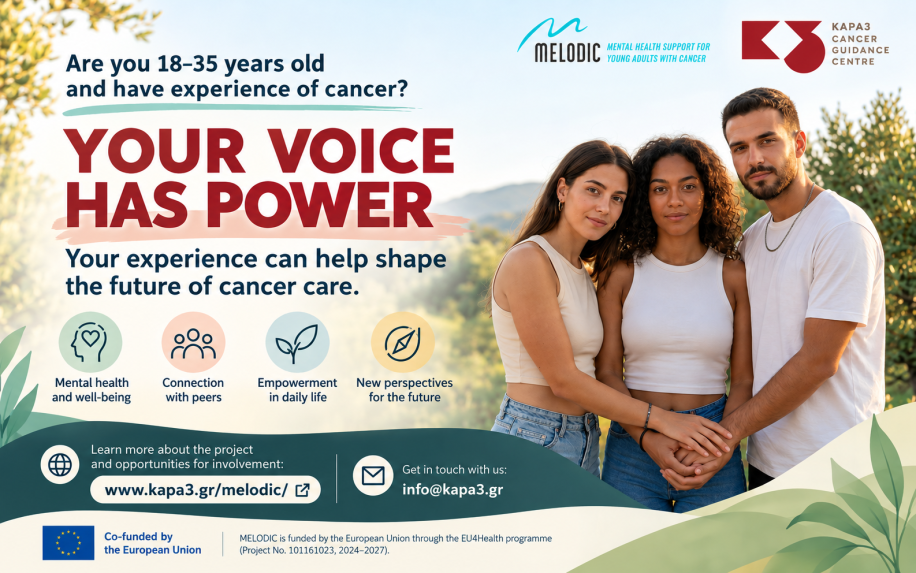
This need lies at the heart of the European project MELODIC – Mental Health Support for Young Adults with Cancer, in which Kapa3 – Cancer Guidance Centre participates as a project partner.

MELODIC focuses on the mental health and well-being of young adults affected by cancer, aiming to strengthen the knowledge, skills, and support available to them, their loved ones, and the professionals involved in their care.

The project specifically addresses the needs of young adults aged 18–35 and seeks to promote a more integrated, supportive, and human-centred approach to oncology care.

Within the framework of MELODIC, Kapa3 has actively contributed to the co-development of educational materials, the development of the educational framework, and the pilot educational intervention in Greece.

Through this participation, Kapa3 supports the recognition of psychosocial needs and the development of knowledge and competencies among healthcare professionals working with young people affected by cancer.

This approach is directly aligned with the philosophy of holistic cancer care: mental health is not a separate or secondary concern but an integral part of the overall experience of living with cancer.

MELODIC also highlights the importance of interdisciplinary collaboration and the early identification of psychosocial needs.

By strengthening awareness and professional competencies, healthcare professionals can become better equipped to recognise signs of distress and refer young people to appropriate support services in a timely and coordinated manner.

From Identifying Needs to Developing Supportive Interventions

The MELODIC project promotes an approach that moves beyond identifying psychological challenges towards developing practical, person-centred interventions that respond to the everyday realities of young adults living with cancer.

Its broader framework recognises the value of psychosocial support, social connection, physical activity, and engagement with nature as complementary dimensions of well-being.

For Kapa3, participation in MELODIC reflects a wider commitment to connecting scientific knowledge with practical support and the lived experiences of people affected by cancer.

By contributing to European collaboration, educational activities, and the development of supportive interventions, Kapa3 seeks to help strengthen a model of cancer care that is more responsive to the individual, social, and emotional needs of patients.

This commitment also reflects the organisation’s broader work in patient navigation, health literacy, access to rights, and psychosocial support.

Because meaningful cancer care must extend beyond medical treatment and recognise the person behind the diagnosis.

Why Listening to Young People Matters

Meaningful care begins with a simple but fundamental principle: listening.

Listening to the young person who is afraid, even when they cannot express that fear directly.

Listening to the person who feels angry, withdraws from others, or struggles to follow their treatment plan.

Listening to those who appear to be coping well but may be experiencing greater emotional difficulties than they reveal.

Listening without judgement, without minimising emotions, and without assuming that the needs of all young people affected by cancer are the same.

Behind every diagnosis is a person who continues to have relationships, plans, dreams, ambitions, and a need for independence.

Through its participation in MELODIC, alongside its broader activities supporting people living with cancer, Kapa3contributes to promoting a model of care that does not end with the treatment of the disease.

A model that recognises psychological and social needs, strengthens patient empowerment, and builds bridges towards appropriate support.

A model that understands that recovery is not only about physical health but also about rebuilding confidence, identity, relationships, and the ability to imagine a future.

Because cancer care is not only about helping people recover from illness. It is also about supporting them, with dignity and understanding, as they rebuild the lives they want to live.


Learn More About MELODIC

The European project MELODIC – Mental Health Support for Young Adults with Cancer aims to promote mental health and well-being among young adults affected by cancer through interdisciplinary collaboration, education, and person-centred supportive interventions.

Kapa3 participates in the project, contributing to its activities in Greece and to the broader European effort to strengthen psychosocial cancer care.

For more information about MELODIC, its objectives, activities, and Kapa3’s participation, visit the dedicated section of our website:

https://www.kapa3.gr/melodic/

If you are a young adult aged 18–35 with lived experience of cancer and would like to learn more about the project or possible opportunities for involvement, please contact the Kapa3 team.

Kapa3 – Cancer Guidance Centre

Website: https://www.kapa3.gr
Email: info@kapa3.gr
Telephone: +30 210 5221424


Source

Ciampa, D., Mathew, L., Fulginiti, K., & Fortune-Kottis, S. (2026, August 11). Addressing unique psychosocial challenges in adolescent and young adult (AYA) patients with cancer. Oncology Central.

https://www.oncology-central.com/addressing-unique-psychosocial-challenges-in-adolescent-and-young-adult-aya-patients-with-cancer/

Further information:
European MELODIC Project – Kapa3
https://www.kapa3.gr/melodic/


Article edited by:
Elena Panopoulou
Sociologist, Kapa3 Tripoli Team

Email: elenak3team@gmail.com
LinkedIn: https://www.linkedin.com/in/elena-panopoulou-5061aa426

Breast Cancer in Greece: Statistics, Barriers to Screening and the Free “PROLAMVANO” Programme

Breast Cancer Awareness Month 2026: Understanding the evidence, overcoming barriers to early detection and making preventive healthcare accessible to every woman.

Early detection can save lives

Breast cancer remains the most frequently diagnosed cancer among women in Greece and one of the most significant public health challenges worldwide.

However, advances in early detection, diagnosis and treatment have substantially improved outcomes. When breast cancer is identified before it has spread beyond the breast, the chances of successful treatment are considerably higher.

According to the American Cancer Society, the five-year relative survival rate for women diagnosed with localised breast cancer in the United States exceeds 99%. This figure reflects population-level survival data rather than an individual prognosis, and it should not be interpreted as a guaranteed cure rate or as a Greece-specific statistic.

These findings highlight the importance of timely diagnosis, access to appropriate screening and high-quality treatment.

Early detection is not simply a medical recommendation. It is an opportunity to protect health, preserve quality of life and improve outcomes.

As October marks Breast Cancer Awareness Month, understanding the situation in Greece is particularly important: How common is breast cancer? What prevents women from participating in screening? And how can national prevention programmes help overcome these barriers?

1. Breast cancer statistics: Greece and the European Union

Breast cancer in Greece

According to the latest Greece country fact sheet from the International Agency for Research on Cancer (IARC), based on GLOBOCAN 2024 estimates, breast cancer was the most frequently diagnosed cancer among women in Greece.

The estimated figures for 2024 were:

  • 8,733 new breast cancer cases.
  • 2,398 deaths attributed to breast cancer.
  • 31.7% of all new cancer diagnoses among women were breast cancer cases.
  • 35,740 people were estimated to be living within five years of a breast cancer diagnosis.

These figures describe the substantial burden of breast cancer and the importance of sustained investment in prevention, early detection, treatment and comprehensive support.

It is important to recognise that GLOBOCAN figures are epidemiological estimates. They should not be confused with directly recorded cases from a fully comprehensive national cancer registry.

Breast cancer risk increases with age, although the disease can also affect younger women. Individual risk is influenced by several factors, including age, family history, inherited genetic variants, reproductive and hormonal factors, and lifestyle-related characteristics.

The importance of early diagnosis

Survival outcomes differ considerably depending on the extent of disease at diagnosis.

US population-based data show that five-year relative survival is higher than 99% for localised breast cancer, compared with approximately 87% for regional disease and 32% for distant disease.

These figures demonstrate the value of identifying breast cancer before it has spread, while also highlighting why treatment and supportive care remain essential at every stage.

Screening aims to detect cancer early, before symptoms develop. It does not prevent every cancer from occurring and cannot guarantee a particular outcome.

Greece has one of the highest concentrations of mammography equipment in the EU

According to Eurostat’s publication of 2 October 2026, Greece and Cyprus reported the highest availability of mammography units among EU countries with available data.

The reported figures were:

  • Greece: 7.6 mammography units per 100,000 inhabitants.
  • Cyprus: 6.9 units.
  • Italy: 3.7 units.
  • Sweden: 1.1 units.

The equipment figures refer to 2024.

These findings reveal an important distinction between the availability of medical technology and equitable access to preventive healthcare.

A relatively high number of mammography units does not automatically ensure that every woman can obtain timely screening.

Geographical distribution, appointment availability, accessibility, health literacy and socioeconomic circumstances can all influence actual access.

Eurostat’s October 2026 report does not provide a comparable 2024 screening participation rate for Greece. Therefore, the equipment data should not be interpreted as evidence of high or low participation in organised breast cancer screening.

Across the European Union, screening participation also varies substantially between countries, emphasising the importance of effective outreach, organised programmes and equitable access.

2. Why do women postpone breast cancer screening?

Access to equipment is only one component of effective prevention.

Women’s participation in screening is also influenced by personal beliefs, knowledge, previous experiences and practical circumstances.

A scientific study published in 2025 by Toska and colleagues, entitled “Translation and Validation of the Greek Version of the Breast Cancer Screening Beliefs Questionnaire”, examined the Greek version of the Breast Cancer Screening Beliefs Questionnaire (BCSBQ-12).

The methodological study involved 202 women in Greece aged between 21 and 69 years and confirmed the questionnaire’s three-factor structure.

The three dimensions are particularly relevant for understanding how women approach breast cancer screening.

Knowledge

Knowledge refers to women’s understanding of breast cancer, the purpose of screening, the available examinations and the importance of timely medical assessment.

Access to accurate and understandable information can help women distinguish between screening recommendations, symptoms requiring medical evaluation and misconceptions about breast cancer.

Health literacy is therefore essential. Information must be scientifically reliable, clearly communicated and accessible to women with different educational, linguistic and digital backgrounds.

Attitudes and beliefs

Personal attitudes can influence whether a woman considers screening necessary, beneficial or relevant to her circumstances.

Some women may feel healthy and therefore assume that screening is unnecessary. Others may associate mammography with fear, discomfort or anxiety about a possible diagnosis.

Addressing these concerns requires sensitive, respectful and evidence-based communication rather than messages that create guilt or fear.

Perceived and practical barriers

Barriers to breast cancer screening may include:

  • Fear of receiving an abnormal result.
  • Anxiety about the examination itself.
  • Limited time due to employment or family responsibilities.
  • Financial and transport difficulties.
  • Limited access to appropriate healthcare services.
  • Uncertainty about where or how to book an appointment.
  • Insufficient understanding of screening recommendations.

The Greek BCSBQ-12 validation study provides a reliable instrument for investigating screening beliefs; it does not, by itself, establish the national prevalence of each barrier.

Nevertheless, broader European research has documented inequalities in screening participation associated with education, income, geographical location and disability.

Effective prevention requires more than equipment and invitations. It requires understanding the needs and circumstances of the people screening programmes are designed to reach.

3. Greece’s National “PROLAMVANO” Programme: Free breast cancer screening

A major public health initiative supporting access to early detection in Greece is the National Prevention Programme “PROLAMVANO”, which includes the “Fofi Gennimata” Breast Cancer Screening Programme.

On 13 October 2026, the Greek Ministry of Health announced the gradual distribution of new SMS notifications and electronic referrals for free breast cancer screening.

According to the Ministry, the programme is now a permanent national public health policy, financed through national resources.

Who is eligible?

Under the screening cycle announced in October 2026, the programme covers:

Women aged 45–74, whether insured or uninsured, who meet the programme’s eligibility conditions.

The Ministry identified 2,385,935 women as eligible for the new cycle.

The programme seeks to reduce financial and administrative barriers by providing access to preventive examinations without direct charges to eligible beneficiaries.

How can women arrange their screening?

Step 1: Check for an SMS notification

Women who have activated Greece’s electronic paperless prescription service (ayli syntagografisi) receive an electronic referral by SMS.

The notification supports access to the examination without the need to obtain a conventional paper prescription.

Step 2: Use your AMKA if you have not activated paperless prescriptions

Women who have not activated the paperless prescription service can still access the programme.

They can visit the official screening platform:

https://proliptikes.gov.gr

The platform provides information about participating diagnostic centres, their locations and contact details.

Eligible women can contact a participating centre and arrange an appointment using their AMKA, the Greek Social Security Registration Number.

Step 3: Attend the screening appointment

The programme includes a free digital mammogram and, where clinically indicated, a supplementary breast ultrasound examination.

If a finding requires additional evaluation, women should follow the medical guidance provided by the relevant healthcare professionals.

Screening does not replace diagnostic assessment when a person already has symptoms.

The impact of the first screening cycle

According to the Greek Ministry of Health’s announcement of 13 October 2026:

  • 1,267,026 women underwent digital mammography during the first cycle of the breast screening programme.
  • 87,231 women were identified with findings requiring further medical attention or investigation.
  • More than 6,000 women were reported to have been diagnosed with early-stage breast cancer.

These figures demonstrate the scale of the initiative and the significant opportunity created by organised early detection.

An abnormal screening finding does not necessarily mean that cancer is present. Additional tests may be required to clarify the result.

The figures also underline the importance of ensuring that women with abnormal findings can access timely diagnostic follow-up and appropriate care.

4. What should women know about breast cancer prevention and screening?

Breast health involves a combination of awareness, appropriate screening, clinical assessment and attention to modifiable risk factors.

Mammography

Mammography is the principal imaging test used for breast cancer screening in women without symptoms.

The recommended age at which screening should begin and the frequency of examinations vary according to national guidelines, age and individual risk.

European guidance recommends mammography every two years for asymptomatic women aged 50–69 at average risk, with screening also considered for women aged 45–49 and 70–74 at different intervals.

For women at increased risk, including some women with a strong family history or inherited genetic variants, an individualised screening plan may be needed.

There is no universal requirement for every woman to have a baseline mammogram at 35–40 or annual screening after 40.

Women should discuss the most appropriate screening schedule with their healthcare professional.

Breast ultrasound

Breast ultrasound can provide supplementary information when clinically indicated, including in the investigation of a specific finding.

It may be useful in the assessment of certain breast abnormalities, but it does not automatically replace mammography as a routine screening examination.

Additional imaging decisions depend on individual circumstances and medical recommendations.

Breast awareness

Women are encouraged to become familiar with the normal appearance and feel of their breasts and to seek medical advice if they notice a new or unusual change.

Possible warning signs include:

  • A new lump in the breast or armpit.
  • Changes in breast size or shape.
  • Skin dimpling, thickening or unusual redness.
  • New nipple inversion or other nipple changes.
  • Spontaneous nipple discharge, particularly if bloody.
  • Persistent and unexplained breast changes.

Many breast changes are not caused by cancer. Nevertheless, concerning symptoms should be assessed by a healthcare professional without unnecessary delay.

Formal monthly breast self-examination is not a substitute for evidence-based screening, and it is not universally recommended as a screening method.

Knowing your body is important. So is knowing when to seek medical advice.

Healthy lifestyle and risk reduction

Although no lifestyle measure can completely eliminate the risk of developing breast cancer, certain behaviours can support long-term health and may reduce cancer risk.

These include maintaining a healthy body weight, engaging in regular physical activity, limiting alcohol consumption, avoiding tobacco use and following a balanced diet.

A Mediterranean-style dietary pattern can be part of a broader approach to health promotion.

Prevention messages should empower women without suggesting that cancer is the consequence of personal choices or that a healthy lifestyle guarantees protection.

5. From screening availability to meaningful access: The role of Kapa3

The development of national screening programmes is an important step towards improving public health.

However, their success also depends on whether women can understand the available information, navigate procedures and access services in practice.

At Kapa3 – Cancer Guidance Center, we believe that timely access to healthcare is closely connected with health literacy, social support and effective navigation within the health and welfare systems.

Our work focuses on addressing the informational, administrative and social challenges faced by people affected by cancer and their families.

Through free guidance and patient navigation services, Kapa3 supports individuals in understanding their rights, navigating administrative procedures and identifying relevant healthcare and social support resources.

Kapa3 does not replace medical professionals or provide diagnostic screening itself. Instead, it works to reduce informational and administrative barriers and to connect people with appropriate services.

The development of our digital social navigation assistant, MYRTO, further reflects our commitment to making reliable information about rights, benefits and support services more accessible.

This approach recognises that digital tools have the greatest value when they complement human support rather than replace it.

Health literacy as a foundation for prevention

Health literacy is not simply the ability to read medical information.

It includes the capacity to find, understand, evaluate and use information to make informed decisions about health.

For breast cancer screening, this can mean understanding an invitation, identifying the appropriate service, arranging an appointment and knowing what to do when further medical assessment is recommended.

Strengthening health literacy and digital inclusion can therefore contribute to more meaningful access to preventive healthcare.

Supporting equitable access

Women living in remote or underserved areas, people facing socioeconomic difficulties and those with limited digital skills may require additional guidance to access preventive services.

A person-centred approach must consider these differences rather than assume that a national programme automatically reaches everyone in the same way.

Patient navigation, community outreach, accessible communication and cooperation between healthcare providers and civil society organisations can help address such challenges.

At Kapa3, our broader mission is grounded in the belief that reliable information, guidance and practical support are essential components of equitable care.

6. Breast Cancer Awareness Month: Turning information into action

October is an opportunity to renew public discussion about breast cancer, but awareness must lead to sustained action throughout the year.

The available evidence demonstrates both the progress achieved in early detection and the challenges that remain.

Greece has substantial mammography infrastructure and an expanding national prevention programme. Ensuring that these resources translate into timely, appropriate and equitable access requires continuous communication, evaluation and support.

Women need more than information about the importance of screening. They need clear guidance on eligibility, available services and the steps required to access them.

Prevention is not an act of fear. It is an act of care, awareness and informed choice.

If you are eligible for the “PROLAMVANO” programme, check for your electronic referral or visit the official platform to find a participating diagnostic centre.

If you experience symptoms or have concerns about your breast health, seek medical advice even if you are younger than the programme’s eligibility age.

And if you need guidance in navigating cancer-related services, rights or support, Kapa3 is here to help.

Because access to health should not depend on how easily someone can navigate the system.


Useful information and contact details

National Prevention Programme “PROLAMVANO”
Official screening platform: https://proliptikes.gov.gr

Kapa3 – Cancer Guidance Center
Website: https://www.kapa3.gr
Telephone: +30 210 5221424
Email: info@kapa3.gr

MYRTO – Digital Social Navigation Assistant
https://kapa3-cag-rag-hybrid-deploy.onrender.com/

The information in this article is educational and does not replace individual medical assessment or professional healthcare advice. Screening eligibility and programme procedures may change; readers should consult the official programme platform for the latest information.

References

  1. International Agency for Research on Cancer (IARC). (2026). Global Cancer Observatory: GLOBOCAN 2024 – Greece Fact Sheet.
    https://gco.iarc.who.int/media/globocan/factsheets/populations/300-greece-fact-sheet.pdf
  2. Eurostat. (2026, October 2). Breast cancer screening in the EU: A snapshot. European Commission.
    https://ec.europa.eu/eurostat/web/products-eurostat-news/w/edn-20261002-1
  3. Toska, A., Georga, D., Christakis, A., Fradelos, E. C., Rouka, E., Sarafis, P., & Saridi, M. (2025). Translation and Validation of the Greek Version of the Breast Cancer Screening Beliefs Questionnaire. Asian Pacific Journal of Cancer Prevention, 26(2), 663–670.
    https://doi.org/10.31557/APJCP.2025.26.2.663
  4. Hellenic Republic, Ministry of Health. (2026, October 13). Συνεχίζεται το «ΠΡΟΛΑΜΒΑΝΩ»: Δωρεάν προληπτικές εξετάσεις μαστού με ένα απλό SMS. [Official press release, in Greek.]
    https://www.moh.gov.gr/articles/ministry/grafeio-typoy/press-releases/14839-synexizetai-to-laquo-prolambanw-raquo-dwrean-prolhptikes-eksetaseis-mastoy-me-ena-aplo-sms
  5. European Commission. Breast Cancer Prevention – Health Promotion and Disease Prevention Knowledge Gateway.
    https://knowledge-for-policy.ec.europa.eu/breast-cancer-prevention_en
  6. American Cancer Society. (2026). Survival Rates for Breast Cancer.
    https://www.cancer.org/cancer/types/breast-cancer/understanding-a-breast-cancer-diagnosis/breast-cancer-survival-rates.html
  7. American Cancer Society. Recommendations for the Early Detection of Breast Cancer.
    https://www.cancer.org/cancer/types/breast-cancer/screening-tests-and-early-detection/american-cancer-society-recommendations-for-the-early-detection-of-breast-cancer.html
Beyond Treatment: What Project 528 Reveals About Young Women Living with Advanced Breast Cancer

The hidden burden of diagnosis, the need for holistic care, and Kapa3’s commitment to patient navigation, psychosocial support and empowerment.

A cancer diagnosis at a young age affects far more than physical health. It can disrupt education, employment, family life, personal relationships, financial security and plans for the future. For young women living with advanced breast cancer, these challenges are often particularly complex, as they must navigate treatment and uncertainty while continuing to fulfil multiple personal, professional and family responsibilities.

The findings of Project 528, a global needs assessment led by the Young Survival Coalition (YSC), provide important evidence of these often-overlooked realities.

Presented at the 8th International Consensus Conference for Advanced Breast Cancer (ABC8) in Lisbon in November 2025, the survey gathered 3,881 responses from 67 countries. The findings presented at the conference focused on 385 young respondents under the age of 40 living with advanced breast cancer.

The results highlight significant gaps in access to information, psychological support, financial protection, practical assistance and meaningful participation in healthcare decisions.

Above all, they reinforce an essential message: cancer care must address the whole person, not only the disease.

The revealing findings of Project 528

The survey findings offer a compelling picture of the challenges experienced by young women with advanced breast cancer and demonstrate how deeply the disease affects everyday life.

Motherhood and family responsibilities

Almost half of the respondents (48%) had children under the age of 18.

For young mothers, living with advanced breast cancer means balancing demanding treatment schedules, physical symptoms and emotional uncertainty with the everyday responsibilities of raising children.

Childcare, family routines and concerns about their children’s future can become considerable sources of distress.

These findings highlight the importance of family-centred supportive care that recognises both the needs of patients and those of their loved ones.

Employment disruption and financial toxicity

The socioeconomic consequences of advanced breast cancer are substantial.

64% of respondents reported disruption to their employment following diagnosis, while 40% accumulated medical debt.

According to the detailed Project 528 report, the proportion of respondents who considered themselves financially secure fell from 51% before diagnosis to just 7% during treatment.

These findings illustrate the phenomenon of financial toxicity: the economic burden associated with cancer, including loss of income, treatment-related expenditure, travel costs, caregiving responsibilities and reduced employment opportunities.

Financial insecurity can further intensify emotional distress and create additional barriers to accessing appropriate care.

For younger patients, whose careers and financial independence may still be developing, the consequences can extend well beyond the treatment period.

Psychological distress and quality of life

80% of respondents reported psychological distress or mental health difficulties.

Concerns relating to body image, fertility, sexual health, emotional well-being and loss of independence were widespread, yet were often insufficiently addressed within routine cancer care.

For many young women, advanced breast cancer also raises difficult questions about identity, relationships, intimacy, motherhood and the future.

These challenges demonstrate why psychosocial support should not be viewed as an optional addition to cancer treatment.

It is an essential component of comprehensive, person-centred oncology care.

Delays in seeking care and diagnosis

The survey also revealed important gaps in awareness and early detection.

40% of respondents reported delaying their initial medical consultation. Contributing factors included fear, limited awareness of symptoms and experiences of having their concerns dismissed or underestimated by healthcare professionals.

Only 14% reported being diagnosed through screening or routine medical care, while 85% sought diagnosis after identifying symptoms themselves.

These findings point to the need for greater awareness of breast cancer in younger populations, timely clinical assessment of concerning symptoms and improved communication between patients and healthcare professionals.

They also remind us that young age should not automatically lead to the dismissal of potentially significant symptoms.

Gaps in information and access to precision medicine

The findings also identified differences in access to diagnostic testing and understanding of treatment options.

Although 90% reported undergoing genetic testing for inherited mutations, only 59% had received genomic or companion diagnostic testing to investigate characteristics of the tumour.

Such testing, when clinically indicated, can provide valuable information to support personalised treatment decisions.

Moreover, only 46% of respondents reported being offered more than one treatment option, while targeted therapies were among the least understood treatment approaches.

These results highlight the importance of accessible medical information, effective patient–professional communication and shared decision-making.

Online patient communities also emerged as valuable sources of information, peer support and empowerment. However, the detailed Project 528 report found that 43% had not been referred to peer-support or patient advocacy groups by their healthcare teams.

As Jennifer Merschdorf, Chief Executive Officer of the Young Survival Coalition, emphasised, healthcare systems too often place the burden of self-advocacy on patients who are already coping with fatigue, fear and financial strain.

The Kapa3 connection: From identifying needs to meaningful action

The findings of Project 528 are more than statistics. They reveal the personal, social and economic dimensions of cancer that healthcare systems must increasingly recognise and address.

Although the survey reflects experiences reported across different countries and healthcare contexts, many of the challenges it identifies are also relevant to the needs that cancer patients and families may encounter in Greece.

At Kapa3 – Cancer Guidance Center, we believe that the experience of cancer extends far beyond hospital appointments, medical consultations and treatment decisions.

Cancer affects the ability to work, care for loved ones, maintain financial stability, access essential services and participate fully in everyday life.

Our mission is to help bridge the gap between medical care and the practical, social and emotional needs that accompany a cancer diagnosis.

Patient navigation and guidance within healthcare and social support systems

As Professor Fatima Cardoso, President of the ABC Global Alliance, has highlighted, equitable access to appropriate diagnostics, personalised treatment and comprehensive supportive care is essential.

At Kapa3, we provide free patient navigation and social guidance services, helping people affected by cancer and their families better understand their rights and access available forms of support.

Our work includes guidance on administrative procedures, disability assessment and certification, social benefits, insurance-related matters, workplace rights and available community resources.

Through individualised support and cooperation with relevant services, we aim to reduce the bureaucratic and informational barriers that patients frequently encounter.

No person affected by cancer should have to navigate a complex health and welfare system alone.

Psychosocial support and quality of life

With psychological distress affecting such a high proportion of young patients in the Project 528 survey, emotional and psychosocial care must be recognised as a central part of the cancer journey.

Kapa3 provides psychological support services adapted to the needs of patients and caregivers, alongside social guidance and referrals to appropriate specialised services when necessary.

We recognise the importance of offering a supportive environment where people can discuss emotional uncertainty, changes in family and personal relationships, body image concerns, fear of recurrence or progression, and the challenges of adapting to life with cancer.

Our approach promotes dignity, emotional resilience and a more comprehensive understanding of quality of life.

Practical assistance and support for families

For a young mother living with advanced breast cancer, routine tasks can become overwhelming.

Childcare arrangements, travel for treatment, household responsibilities, employment obligations and financial pressures may all create additional burdens.

Kapa3 supports patients and caregivers by identifying their practical needs, providing information and connecting them with appropriate social services, community resources and support structures.

Through collaboration with local authorities, healthcare professionals and community organisations, we seek to strengthen continuity of support and help families navigate everyday challenges.

Empowerment, health literacy and patient advocacy

One of the strongest messages emerging from Project 528 is that reliable information is a fundamental resource for patient empowerment.

At Kapa3, we work to strengthen health literacy, informed participation and patient advocacy.

We encourage patients to ask questions, understand the information provided by their healthcare teams, become aware of relevant diagnostic and treatment options, and participate actively in decisions affecting their lives.

Our role is not to replace medical advice, but to help people access trustworthy information and feel better prepared to communicate with healthcare professionals.

At the same time, we advocate for more inclusive health and social policies that recognise the particular challenges experienced by adolescents and young adults affected by cancer (AYAs).

These include employment protection, financial security, psychosocial needs, family responsibilities, fertility-related concerns and continuity of care.

Moving forward together: Advocating for a better quality of life

Project 528 offers an important roadmap for researchers, healthcare professionals, patient organisations and policymakers.

It demonstrates the urgent need for healthcare systems that are not only medically effective, but also accessible, coordinated, compassionate and responsive to the realities of people’s lives.

The findings should be interpreted in the context of the survey’s limitations, including its reliance on self-reported experiences and uneven geographical representation. Nevertheless, they provide valuable patient-reported evidence that can inform further research and improvements in supportive care.

Behind every diagnosis is a woman who wants to continue living, loving, working, raising her children, building relationships and making plans for the future.

As Christina Thammasen, who shared her experience of living with metastatic breast cancer, reminds us:

“You have to keep fighting, you have to keep moving forward, you have to keep living your life.”

At Kapa3, we remain committed to ensuring that no woman, no young adult and no family affected by cancer has to face these challenges without information, guidance or support.

We advocate for a model of holistic, person-centred cancer care that extends beyond treatment and recognises every dimension of human life.

Because cancer care is not only about treatment. It is about protecting dignity, supporting everyday life and ensuring that no one is left behind.


Need support?

If you are a young person affected by cancer, a patient or a caregiver seeking guidance, psychological support or information about your rights, the Kapa3 team is here to help.

Kapa3 – Cancer Guidance Center

Telephone: +30 210 5221424
Email: info@kapa3.gr
Website: www.kapa3.gr

Sources and further reading

  1. Young Survival Coalition. Project 528 – First Look ABC Data: Global Needs Assessment of Young Adults Affected by Advanced Breast Cancer (2025).
    https://project528.youngsurvival.org/wp-content/uploads/2025/11/MBC-Report-Project528_11.2025.pdf
  2. ABC Global Alliance / ecancer. First global survey highlights challenges faced by young women with advanced breast cancer. 6 November 2025.
    https://ecancer.org/en/news/27226-first-global-survey-highlights-challenges-faced-by-young-women-with-advanced-breast-cancer
  3. Oncology Central. ABC8: Global survey highlights challenges that young breast cancer patients face. 6 November 2025.
    https://www.oncology-central.com/abc8-global-survey-highlights-challenges-that-young-breast-cancer-patients-face/
  4. Project 528 – Official website and research findings.
    https://project528.youngsurvival.org/results/

Article edited by:
Elena Panopoulou, Sociologist, Kapa3 Tripoli Team
Email: elenak3team@gmail.com
LinkedIn: Elena Panopoulou

MYRTO evolves: from information to meaningful navigation

The new version of MYRTO, Kapa3’s digital assistant for people affected by cancer and their caregivers, is now live.

This update is more than a technical upgrade. It represents another step towards a different model of digital support: moving from simply providing information to supporting understanding, guidance and navigation.

For people facing cancer, the challenge is not always a lack of information. Very often, the real difficulty is understanding which information applies to them and what they need to do next.

From information to the next step

The cancer journey involves much more than diagnosis and treatment. Patients and families may also need to navigate social rights and benefits, disability assessment, transportation, employment issues, psychosocial support and communication with multiple health and public services.

Information may be available, but it is often fragmented, complex or difficult to turn into action.

This is where navigation becomes essential.

It means supporting people to access, understand, evaluate and use the information they need.

MYRTO was developed with this principle in mind: transforming complex and fragmented information into guidance that is easier to understand and act upon.

What is new in MYRTO

The renewed version offers a more direct and accessible user experience.

Users can interact by text or voice, listen to responses, choose between Greek and English, and adjust text size. Suggested topics also help people who may not know how to begin or how to formulate their question.

Particular attention is given to the sources behind the information. MYRTO follows a source-grounded and human-supervised AI approach: Artificial Intelligence supports the retrieval and organisation of information, while reliability, transparency and human oversight remain central to its design.

Technology does not replace people

MYRTO is not a doctor and does not provide personalised medical advice. It does not replace social workers, psychologists, nurses or other healthcare professionals.

Its role is to reduce complexity, support orientation and help people move closer to the appropriate information, service or human support.

The same approach applies to caregivers, who often become care coordinators, information managers and navigators of rights and services. MYRTO is also designed with their needs in mind, recognising caregivers as an essential part of the cancer journey.

Accessibility, trust and data protection

At Kapa3, we believe that digital innovation is meaningful only when it remains accessible and inclusive.

For this reason, the renewed MYRTO places emphasis on plain language, voice interaction and features that can support people with different levels of digital and health literacy.

Users are also informed about the processing of their data and the use of Artificial Intelligence, with separate consent choices and the possibility to request data deletion.

Trust in a digital health tool is not only about the answers it provides. It is also about how it works, which sources it relies on and how it respects the people who use it.

“What do I need to do next?”

Perhaps this single question best captures the philosophy behind MYRTO:

“What do I need to do next?”

A person facing cancer should not have to know in advance which organisation is responsible, where the right information is located or which administrative process needs to be followed.

They should be able to express their need and receive guidance that is reliable, understandable, accessible and human-supported.

This is the direction of the renewed MYRTO.

From information to understanding.
From understanding to navigation.
And from navigation to the next step.

Find more :

https://kapa3-cag-rag-hybrid-deploy.onrender.com


From access to continuity of care: when navigation becomes part of the solution

Why health systems need pathways, not just pilots

A test is not treatment. A referral does not necessarily mean that a person will reach the care they need. And a successful pilot does not, by itself, mean that a health system works for everyone.

This is the central message of a recent article by Gaurav Ghewade for the World Economic Forum, “Why healthcare systems need pathways, not just pilots.” The key question is no longer simply whether people can enter a health system, but whether the system can support them throughout the journey that follows.

In 2023, around 4.6 billion people worldwide were still not fully covered by essential health services. At the same time, chronic conditions, including cancer, require much more than a single intervention. They demand continuity, repeated contact with services, follow-up and coordinated support.

The critical question therefore becomes:

What happens after the first step?

Does a person know where to go next? Do they understand the procedures they need to follow? Are they aware of the rights and benefits available to them? Can they identify the appropriate services? Is there a clear pathway, or are they left to navigate a complex system on their own?

For people affected by cancer, the journey extends far beyond diagnosis and treatment. It can also involve administrative procedures, social and employment rights, financial and insurance benefits, access to social services, psychosocial support, caregiver needs and the return to everyday life.

This is why navigation is becoming an essential part of person-centred support.

From information to action: MYRTO

This is also the space in which MYRTO – Kapa3’s Digital Social Rights Navigator is being developed.

MYRTO does not replace doctors or healthcare professionals and does not provide treatment decisions. Its purpose is to help people affected by cancer and their caregivers access reliable and understandable information, better understand their social rights and available benefits, identify relevant services and move towards the next practical step in their journey. Kapa3 has positioned MYRTO within a broader approach to digital navigation, social accessibility and patient empowerment.

Because access is only the beginning.

What truly matters is ensuring that no one gets lost between the steps of their journey.

The development of MYRTO is supported by the TIMA Charitable Foundation, Founding Sponsor of MYRTO.

Source

Gaurav Ghewade, Why healthcare systems need pathways, not just pilots, World Economic Forum, 21 August 2026.