Kapa3 in the First Half of March: Actions, Collaborations, and Updates for Oncology Patients

During the first half of March, Kapa3 continued to highlight important topics concerning the support, rights, and daily lives of oncology patients through initiatives, collaborations, and informational activities.

Efforts focused both on strengthening access to information and services, and on promoting practical and digital tools that make patients’ daily lives easier.

In an environment where patients’ needs remain complex and constantly evolving, reliable information, enhanced collaboration among stakeholders, and the promotion of holistic care are especially important.

Below is a summary of the main developments from the month.

Collaborations

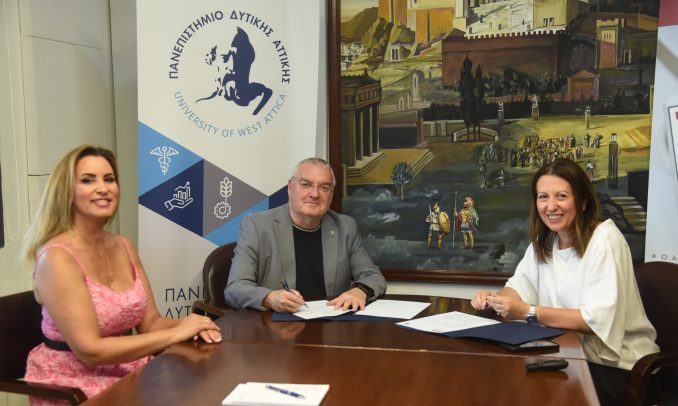
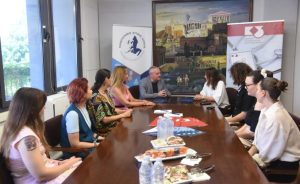
Key partnerships were strengthened with the Sarcoma Fighters Patients Association, the Hellenic Federation of Persons with Multiple Sclerosis (HFoPwMS), and Doctor Homie, aiming to enhance information, support, and quality care for patients.

Actions & Presentations

Kapa3 participated in the scientific meeting “Cancer in 2026: Challenges and Breakthroughs,” emphasizing the pivotal role of supportive care for oncology patients, while also presenting recent developments addressing their evolving needs. Kapa3 also attented the event Facing the Challenge of Artificial Intelligenceas we remain focused on supporting dialogue around the opportunities and challenges of A.I.

Patient Rights

Supporting oncology patients remains a central goal of our initiatives. Focus was given to updates on the 2026 constant attendance allowance and improved digital access for patients to their test results.

Digital Health & Research

A new European Commission report highlights the critical role of digital health technologies in transforming healthcare systems, outlining both opportunities and challenges for the future of care.

Awareness

March is Colorectal Cancer Awareness Month, reminding everyone of the importance of prevention and early detection.

We continue to monitor developments — more news will follow.

Kapa3’s Contribution to the 6th Nursing Symposium of Western Macedonia: Digital Health, Empathy, and Patient Navigation

With active participation in a well-established scientific meeting on contemporary nursing issues, Kapa3 took part in the 6th Nursing Symposium of Western Macedonia on “Innovation and Empathy: Balancing Technology with Human Contact in Nursing”, held on March 19–20, 2026, in Ptolemaida.

The Symposium, now a key annual event for the nursing community, serves as a platform for dialogue, knowledge exchange, and highlighting the multifaceted role of nurses in modern healthcare.

As part of the thematic session “Innovation and Citizen Engagement: Creating Accessible Tools with Empathy”, Ms. Evangeli Bista, co-founder of Kapa3, joined the panel along with Ms. Pisti Krystallidou, President of the NGO WinCancer, showcasing the role of civil society in shaping contemporary, accessible healthcare services.

On March 20, Ms. Evangeli Bista and Ms. Pisti Krystallidou actively participated in the Round Table on the same theme. Ms. Krystallidou presented “Empathy in Practice: What the Caregiver Gains from Health Professionals”, highlighting the daily challenges and support needs of people caring for patients. Ms. Bista emphasized Kapa3’s role and the use of digital tools in guiding patients effectively.

During her presentation, Ms. Bista outlined how the healthcare system is transforming: from episodic care to continuous support, from hospital-centered services to daily-life integration, and from the healthcare professional as the sole source of knowledge to the patient as an active participant. In this new environment, digital health and patient navigation go beyond mere tools, focusing on the citizen’s ability to use them meaningfully in everyday life.

Special attention was given to the needs of oncology patients, who require not only access to information but also guidance through a complex healthcare system—knowing where to turn, what they are entitled to, and how to manage critical decisions in daily life. In this context, the importance of patient navigation was highlighted, a model that Kapa3 has implemented since its foundation, acting as a bridge between available services and patients’ real needs.

Finally, the digital social assistant “Myrto was presented, serving as a single reference point for patients, facilitating access to information and services, and translating knowledge into practical, everyday support.

Kapa3’s participation in the Symposium highlighted the importance of combining technological innovation with empathy, confirming that the future of oncology care is not only about personalized treatment but also about personalized understanding of each patient’s needs.

Download our Press Release here 

Text/Adaptation: Ifiyenia Anastasiou for Kapa3

Colorectal Cancer Awareness Month – March

March is dedicated to raising awareness and promoting prevention of colorectal cancer, one of the most common but also highly treatable cancers when detected early. It is also referred to as colorectal carcinoma.

According to a European Commission report published in March 2021, colorectal cancer accounted for 12.7% of all new cancer diagnoses and 12.4% of all cancer-related deaths in the EU-27 countries in 2020. By 2045, it is estimated that 3.29 million new cases will be diagnosed worldwide, leading to 1.66 million deaths.

The disease occurs more frequently in men than in women, with age being a significant factor. Approximately 90% of people diagnosed with colorectal cancer worldwide are over 50 years old.

Prevention and early detection save lives.

Regular screenings, such as colonoscopy, can detect early lesions or precancerous changes before they develop into serious disease. During a colonoscopy, tissue samples (biopsies) can be taken for histological examination if a suspicious lesion is found, and polyps can be removed to prevent progression to cancer.

Treatment options depend on the stage of the disease, the tumor’s molecular characteristics, and the patient’s overall health. Standard therapies include surgery, chemotherapy, radiotherapy—which plays a key role in rectal cancer—as well as targeted therapies and immunotherapies guided by specific molecular biomarkers.

Through the National Colorectal Cancer Screening Program, the goal is to detect precancerous lesions or the disease itself early, allowing prompt intervention and treatment. Adenomatous polyps or early-stage neoplasms have a 100% cure rate when managed at an early stage, highlighting the critical importance of early detection.

For more information, visit the National Colorectal Cancer Screening Program website: https://colon.gov.gr

For any questions, you can contact the service department at tel. 11401 or via email: prolipsis-helpdesk@idika.gr.

Sources:

New Collaboration between Cancer Guidance Center – Kapa3 and the Hellenic Federation of Persons with Multiple Sclerosis (HFoPwMS)

Cancer Guidance Center – Kapa3 announces its new collaboration with the Hellenic Federation of Persons with Multiple Sclerosis (HFoPwMS), strengthening synergies between organizations active in the field of health and patient support.

This collaboration aims to develop joint initiatives that will contribute to raising awareness, promoting public information, and providing meaningful support to people living with chronic conditions, with particular focus on cancer patients and persons living with Multiple Sclerosis. Through the exchange of knowledge, experience and good practices, the two organizations seek to strengthen actions that promote equal access to information, healthcare services and social inclusion for patients.

Cancer Guidance Center – Kapa3 is dedicated to supporting people living with cancer and their caregivers by providing reliable information, practical guidance and access to benefits and services. At the same time, the organization develops initiatives that enhance patients’ awareness of their rights and promote their psychosocial empowerment. Through initiatives such as Mobile Units, digital tools and educational programmes, Kapa3 promotes a patient-centred approach to cancer care, encouraging patients to actively participate in decisions concerning their health and quality of life, while fostering collaborations with organizations working in the fields of health and social support.

The Hellenic Federation of Persons with Multiple Sclerosis (HFoPwMS) is a secondary non-profit organization founded in 2008 with the aim of uniting and supporting primary associations of persons with Multiple Sclerosis across Greece, while also raising awareness about the disease among the wider public. The Federation currently brings together nine primary patient associations from across the country. HFoPwMS implements awareness and advocacy initiatives related to Multiple Sclerosis and works to ensure the equal participation of people with MS in the educational, professional, athletic and cultural life of the country. It is a member of the National Confederation of Disabled People (ESAmeA) and the European Multiple Sclerosis Platform (EMSP).

Within the framework of this collaboration, the two organizations plan to develop joint initiatives such as the organization of conferences, workshops and awareness events, the implementation of information and public awareness campaigns, participation in national and European programmes, as well as the development of joint research initiatives on issues related to patients’ quality of life. The partnership will also contribute to strengthening interdisciplinary cooperation and knowledge exchange among organizations active in the health sector.

This new collaboration reflects the shared vision of the two organizations to strengthen the voice of patients and promote a society that respects, supports and empowers people living with chronic conditions.

March – Multiple Myeloma Awareness Month

March – Multiple Myeloma Awareness Month

March is internationally recognized as Multiple Myeloma Awareness Month, a type of blood cancer that affects plasma cells – immune system cells responsible for producing antibodies and defending the body against infections.

This period provides an important opportunity to raise public awareness, highlight the challenges faced by patients, and enhance understanding of the disease, early diagnosis, and the importance of access to modern treatments.

What is Multiple Myeloma

Multiple myeloma develops in the bone marrow, when plasma cells grow uncontrollably and produce abnormal proteins. The presence of these cells can affect the production of healthy blood cells, cause bone damage, and impair the function of vital organs such as the kidneys. Although relatively rare, it is the second most common blood cancer worldwide.

The disease’s symptoms may be initially nonspecific and develop gradually. Fatigue, bone pain – especially in the spine or ribs – frequent infections, anemia, or kidney problems are some of the signs that may prompt further investigation. Early awareness and timely medical evaluation are therefore crucial for diagnosis and disease management.

Multiple Myeloma by the Numbers

Globally, the disease affects a significant number of people. According to international epidemiological data:

  • 188,000 new cases were reported worldwide in 2022

  • Approximately 121,000 people died from the disease the same year

  • It is estimated that more than 540,000 people are currently living with multiple myeloma worldwide

The disease occurs more often in older adults. Most diagnoses occur in people over 60–65 years old, and around 80% of cases are reported in individuals over 65. Experts predict that the disease’s incidence may rise in the coming decades, largely due to the aging population in many countries.

The Situation in Greece

In Greece, the exact epidemiological picture of multiple myeloma is not fully clear, as there is no comprehensive national cancer registry recording all cases systematically.

However, according to available international estimates for 2022:

  • About 763 new multiple myeloma cases were reported in the country

  • Approximately 579 deaths were attributed to the disease

  • It is estimated that around 2,154 people in Greece are living with the disease over a five-year period

These figures highlight the importance of improving health data collection and continuously supporting patients living with the disease.

Advances in Treatments

In recent years, scientific progress has significantly changed the course of the disease.

Modern therapies include:

  • Immunotherapies

  • Monoclonal antibodies

  • Proteasome inhibitors

  • Immunomodulatory drugs

  • CAR‑T cell therapies (for advanced stages of the disease)

New therapeutic combinations and ongoing clinical studies are providing more treatment options, reinforcing hope for even more effective therapies in the future.

The Importance of Awareness and Support

Despite these advancements, public awareness and support for people living with the disease remain crucial. Early diagnosis, access to specialized medical care, and equitable access to modern therapies are key factors in improving disease outcomes and patients’ quality of life.

Multiple Myeloma Awareness Month serves as a reminder that knowledge, research, and collective effort can make a difference. Through education, support for scientific research, and assistance to patients and their families, we can help create an environment where no one faces cancer alone.

Sources:

https://gco.iarc.fr
(Global Cancer Observatory – International Agency for Research on Cancer)

https://pubmed.ncbi.nlm.nih.gov/39658225/
(Global burden and projections of multiple myeloma)

https://www.oecd.org/health/cancer-profiles/greece.html
(EU Country Cancer Profile – Greece)

https://ehoonline.biomedcentral.com/articles/10.1186/s40164-025-00684-x
(Global epidemiology of multiple myeloma)

https://pmc.ncbi.nlm.nih.gov/articles/PMC3627436/
(Multiple myeloma epidemiology study)

Text/adaptation: Ifiyenia Anastasiou for Kapa3

Continuing the Journey: Online Group Sessions for Mental Health and Nutrition – Third Cycle with Kapa3 and the LB.H.Sc

Following the warm response to the second cycle of meetings (see the related article here ), focusing on Nutritional Guidance and Experiential Psychological Support, Kapa3 and the Laboratory of Basic Health Sciences (LB.H.Sc), Department of Nursing University of Peloponnese are delighted to continue their collaboration with a third series of online group sessions for mental health and nutrition, dedicated to the holistic care of body and mind, designed for people living with cancer and their caregivers.

In this third cycle, mental health and nutrition are approached as two complementary sides of the same care.

The mental health sessions help participants recognize and manage challenging emotions such as anxiety, fear, sadness, or guilt, strengthen resilience, and cultivate a deeper connection with themselves and others.

The nutrition sessions explore how mindful and balanced eating can support the body, improve energy and mood, and become a meaningful act of self-care. Food is not only a necessity but also a way to nurture the body, mind, and spirit.

Program of Online Sessions for Mental Health and Nutrition & Themes

  • Saturday, February 28, 2026, 17:30–19:00
    Myths and truths about “anti-cancer” diets. How to evaluate nutritional information and avoid risky practices.

  • Saturday, March 14, 2026, 17:30–19:00
    Stress and uncertainty: practical ways to manage them during treatments and exams.

  • Saturday, March 21, 2026, 17:30–19:00
    Giving space to emotions without being overwhelmed: recognizing and expressing fear, anger, sadness, and guilt.

  • Saturday, March 28, 2026, 17:30–19:00
    Nutritional support during treatment & the role of cachexia.

  • Saturday, April 25, 2026, 17:30–19:00
    Boundaries without guilt: protecting energy and mental resilience.

  • Saturday, May 9, 2026, 17:30–19:00
    Safe cooking practices & kitchen hygiene.

  • Saturday, May 23, 2026, 17:30–19:00
    Family and illness: changes in relationships and ways to support each other.

  • Saturday, June 6, 2026, 17:30–19:00
    The Tree of Life: who I am beyond the illness.

  • Saturday, June 13, 2026, 17:30–19:00
    What gives meaning to life now: discovering small but meaningful elements that sustain us.

Format & Participation

The meetings are held online, based on dialogue, experiential learning, and the sharing of personal experiences. Everyone participates at their own pace, in a warm environment of acceptance and trust. Consistent attendance helps build safety and confidence within the group.

To express your interest or join the first session of the third cycle (Saturday, February 28, 17:30–19:00): [Registration Link]

Text/adaptation: Ifiyenia Anastasiou for Kapa3

Webinar: “Cancer, Patient Navigation & Health Management: From Prevention to Coordinated Care” in collaboration with the Kapa3 Cancer Guidance Center

On the occasion of World Cancer Day, we invite you to join the webinar on cancer and patient navigation, organized in collaboration with René Descartes College and the Kapa3 Cancer Guidance Center. This webinar aims to open a meaningful dialogue around cancer, not only as a medical diagnosis but as a complex life journey.

Today, cancer requires holistic health management, proper guidance within the care system, coordination among professionals and services, and a patient-centered approach that considers the individual, their family, and social environment.

The webinar aims to highlight the importance of Patient Navigation and Health Management in cancer care, to illuminate the role of technology and innovation in oncology, and to raise awareness around prevention, quality of life, and continuous patient support.

Target Audience:
  • Patients and individuals at diagnosis, undergoing treatment, or in follow-up

  • Caregivers and family members

  • Health professionals, Health Management staff and students

  • Policy and quality of care professionals

  • Anyone interested in prevention, screening, organization of oncology services, and patient-centered healthcare approaches

Participants Will Gain:
  • Understanding of cancer as a holistic life issue

  • Knowledge of modern patient navigation and care coordination models

  • Insights into the role of technology in oncology

  • Practical information for better management within the healthcare system

  • Inspiration for more humane, coordinated, and high-quality care

Speakers:
  • Maria Gazouli, PhD – Professor of Biology-Genetics-Nanomedicine, Laboratory Geneticist

  • Dr. Christos A. Frantzidis – Assistant Professor, Computer Science / Machine Learning, School of Computer Science, University of Lincoln, UK

  • Dr. Maria Lavdaniti, MSc, PhD – Professor of Clinical Nursing, Director of the University Laboratory of Adult Cancer Patient Care, International Hellenic University (IHU)

  • Evangelia Mpista, PhD, MBA, MSc, BSc – Co-Founder, Kapa3

  • Dr. Vasiliki Kapaki – Postdoctoral Researcher in Health Economics, Professor of Health Economics, René Descartes College

Participation Details:
  • Duration: 2.5 hours (18:30 – 21:00)

  • Date: 06/02/2026

  • Attendance: Online

  • Participation is free

  • Certificate of attendance will be issued by René Descartes College and Kapa3

  • Registration form and participation declaration: Here

Text/adaptation: Ifiyenia Anastasiou for Kapa3

January – Cervical Cancer Awareness Month

January is internationally dedicated to raising awareness about cervical cancer. Known as Cervical Cancer Awareness Month, it aims to highlight the importance of prevention, early detection, and vaccination against the human papillomavirus (HPV), which is responsible for nearly all cases of the disease.

Cervical cancer remains a major public health issue worldwide. According to the World Health Organization, approximately 660,000 new cases are diagnosed globally each year, and more than 350,000 women lose their lives to the disease. It is among the most common cancers affecting women, particularly in regions where access to preventive screening and vaccination is limited. At the same time, it is one of the few cancers that can largely be prevented through organized prevention and early detection programmes.

In Greece, available data indicate that around 700 new cases of cervical cancer are diagnosed annually, while more than 280 deaths are attributed to the disease each year. The estimated incidence is approximately 8 cases per 100,000 women. Although this places Greece close to the European average, it also highlights the need for further improvement in prevention and early diagnosis.

Cervical cancer is closely linked to chronic infection with human papillomavirus (HPV), a very common virus transmitted mainly through sexual contact.

HPV vaccination, combined with regular gynaecological screening through Pap tests and HPV tests, can significantly reduce the development of precancerous lesions and cervical cancer. In this context, the World Health Organization has set the goal of eliminating cervical cancer as a public health problem by 2030, through high vaccination coverage, universal screening, and timely treatment.

January serves as an important reminder that information and prevention save lives. Open discussion around women’s health, free from fear and stigma, empowers women to take care of themselves and to claim prevention as a fundamental right.

Special emphasis should be placed on the systematic education of younger generations, as prevention begins long before any symptoms appear. Access to reliable information, preventive screening services, and vaccination programmes is a key factor in reducing health inequalities and protecting future generations.

At KAPA3, we believe that information and prevention are core pillars of care and empowerment. Through the dissemination of reliable information and the support of initiatives that promote public health, we stand alongside every woman who needs knowledge, prevention, and timely care.

Because cervical cancer can be prevented, we encourage everyone to take action. Give a meaningful gift to the women you care about: daughters, sisters, mothers, friends, partners, spouses. Talk openly about women’s health, share information, support initiatives, challenge taboos, and promote early diagnostic screening.

Information and open dialogue are the strongest tools we have.

Sources:

World Health Organization (WHO)
Cervical cancer – Fact sheet

WHO – Global strategy to accelerate the elimination of cervical cancer

International Agency for Research on Cancer (IARC / WHO)
Cervical Cancer Awareness Month

ICO / IARC HPV Information Centre – Greece Factsheet

Ministry of Health – National Immunization Programme

Hellenic National Public Health Organization (EODY)
HPV and cervical cancer

Text/adaptation: Ifiyenia Anastasiou for Kapa3

Press Release for the Awareness Event titled “Information, Awareness, and Social Support. No One Alone!”

On Wednesday, October 18, from 10:00 to 19:00, Activities and Workshops were held at the Multi-Purpose Hall of Syntagma Metro Station, aiming to provide information and social support to oncology patients, caregivers, and their families.

The Cancer Center Kapa3, the Department of Marketing and Communication of the Athens University of Economics and Business, the General Laiko Hospital of Athens, STASY, WinCancer, and the Research Laboratory “Care of Adult Patients with Cancer” of the Nursing Department of the International Hellenic University, under the auspices of the Municipality of Athens, ELLOK, the Greek Patients’ Union, and HESMO, joined forces under the campaign “Think of a word that starts with K,”(*) with the goal of raising awareness about best practices in cancer prevention and patient management across healthcare units throughout the country.

The daily and strong presence of all the above organizations on the front line of addressing the disease, in hospitals across Greece, was transferred to the very heart of Athens, in an event with a clear and singular purpose: the advocacy of privileged social rights for oncology patients, as well as raising awareness around best practices for prevention and patient care.

During the opening of the event, WinCancer Manager Ms. Krystallidou referred to the ongoing struggle of organizations and non-profit entities for the prevention and fight against cancer. She emphasized that collaborations such as the one organized by Kapa3 are exactly the kind of synergies WinCancer seeks to support—an effort both demanding and relieving—guided by Kapa3’s core message: “No One Alone.”

Subsequently, Ms. Michalopoulou, Vice President of ELLOK, which placed the event under its auspices, spoke about the central goal of ELLOK and all cancer-focused organizations: prevention. Early detection, she stressed, is what empowers patients and positively influences the course of the disease, while she also highlighted the importance and value of digital health literacy in today’s world.

On behalf of the Department of Marketing and Communication of the Athens University of Economics and Business, Professor and Head of the Department Mr. Intounas welcomed the event, expressing his sincere thanks and congratulations to all students who voluntarily supported the action, as well as to Kapa3 for taking the initiative. He also referred to a new short educational program developed by the department in collaboration with Kapa3, titled “Marketing and Civil Society.”

The inspiration behind the letter “K,” as shared by Mr. Gravaris, Head of Public Relations and Communication of the Greek Patients’ Union, was the word “wine.” In his address, he compared wine—associated with health and quality of life—to initiatives such as the present one, which aim to restore health, safeguard well-being, and support the continuation of life for cancer patients. The Greek Patients’ Union embraced the initiative from its inception and placed it under its auspices.

The presence of Mr. Michail Nikolaou, Vice President of the Board of HESMO, was also significant, as was his statement during the greeting that cancer is not invincible. He emphasized, however, that prevention must be addressed far more seriously if we are to suppress the disease. “Prevention is not only about quitting smoking; it is also about loving and taking care of oneself,” Mr. Nikolaou concluded, noting that Kapa3 will be a key ally in this effort.

Ms. Bouki, Director of Corporate Communication & Passenger Experience of STASY, representing its President Mr. Damaskos, spoke about the importance of organizing events like this one, which bring people “closer,” strengthen support for patients, and empower their journey toward regaining health. STASY emphasized its ongoing commitment to standing by people and supporting their needs, making “CLOSE” its chosen word for the day.

Finally, Ms. Theoni Zougkou, Head of the Nursing Services Directorate of General Laiko Hospital, praised Kapa3’s efforts in the fight against cancer and spoke about the hospital’s collaboration with the organization. She thanked the nurses and the psychologist who were present to inform the public about cancer prevention and management, and highlighted their significant work in providing healthcare services to oncology patients at General Laiko Hospital.

Closing the greetings, Ms. Evangelia Bista, Head of Development and Operations of Kapa3, deeply moved by the presence and support of so many key health organizations, warmly thanked all attendees for supporting Kapa3’s mission. She also expressed heartfelt thanks to all volunteers who embraced the idea and helped make the event a reality. “Kapa3 was created to cover the crucial area of social support and guidance for oncology patients along the difficult path of illness,” Ms. Bista emphasized, committing to even more actions so that no one feels—or is—alone in the fight against cancer and in favor of life.

Throughout the day, many attendees received information on registering for digital prescriptions and scheduling preventive health appointments. At the same time, visitors were informed about the adoption of Kapa3’s digital applications—innovative and unique tools in Greece. This initiative was supported by volunteers from the Department of Marketing and Communication of the Athens University of Economics and Business, who enthusiastically provided guidance and assistance.

Participants who attended the two workshops were also given the opportunity to schedule a free digital mammogram or breast ultrasound through the Biomedicine Group, an event supporter, under the message #TakeControl #TakeCareOfYourself. Every woman should have her first mammogram at the age of 40 and then annually thereafter. For women with confirmed BRCA1 or BRCA2 gene mutations, annual digital mammography is recommended from the age of 30.

At the same time, staff from General Laiko Hospital provided guidance on self-care for oncology patients and distributed informative leaflets on the subject.

The all-day activities also included the distribution of informational material on breast cancer prevention by the Research Laboratory “Care of Adult Patients with Cancer” of the International Hellenic University, as well as additional educational materials from reputable scientific organizations, available on Kapa3’s website under the ODYGIA K3 section.

Workshops titled “Giving Meaning to Cancer – A Psychological Perspective” by psychologist-psychotherapist Vasileia Mari of General Laiko Hospital, and “Breast Cancer Prevention” by nurse (MSc) Eirini Throuvala from the Gynecological Cancer Unit of Elena Venizelou Maternity Hospital, offered valuable information and guidance to patients, caregivers, and family members through interactive and accessible discussions.

All activities were supported in Greek Sign Language by “HANDS UP,” emphasizing the importance of accessibility for all patients and caregivers to information that concerns them and supports effective care.

“Good Morning,” “Kindness,” “Close,” “Duty,” “New,” “Guide,” “Condemn,” “Reassure,” and “Summer” prevailed over “Cancer” and “Malignancy” in an event full of meaning, positive emotions, and hope.

No one is alone in the fight for life—and Kapa3, together with all the organizations and groups that supported this event, powerfully demonstrated the true meaning of that message.

|(*) Note: In Greek, the campaign and event creatively play on words starting with the letter “Κ” (Kappa), which is also the first letter of “καρκίνος” (cancer). Many of the positive words highlighted during the event—such as “Καλημέρα” (Good Morning), “Καλοσύνη” (Kindness), “Κοντά” (Close), “Καθήκον” (Duty), “Καινούργιος” (New), “Καθοδηγώ” (Guide), “Καταδικάζω” (Condemn), “Καθησυχάζω” (Reassure), and “Καλοκαίρι” (Summer)—intentionally start with the same letter to symbolically “overcome” cancer.

Text/Translation: Ifiyenia Anastasiou for Kapa3