Kapa3 announces collaboration with SimasiaAI for the development of the Health Navigator “Myrto” (Myrto AI Assistant)

The Kapa3 – Cancer Guidance Center announces its collaboration with SimasiaAI, for the co-development of the Health Navigator Myrto” (Myrto AI Assistant), an artificial intelligence (AI chatbot) designed to enhance digital cancer support for patients with cancer and their families through immediate, reliable, and personalized information.

This initiative is part of Kapa3’s strategic focus on leveraging innovative digital tools to improve access to information, strengthen guidance, and reduce the digital gap often faced by vulnerable groups in the healthcare sector.

The Health Navigator “Myrto” is not just an information tool, but a new form of social artificial intelligence in cancer care support in Greece. It is designed to transform digital information into a more human, accessible, and meaningful experience, allowing users to interact, receive guidance, and access support tailored to their needs.

Through its dual role as a “Patient Empowerment e-Navigator”, the system will function both as a Patient Advocate—providing guidance on patient rights, benefits, and access to healthcare and social services—and as a Health Navigator, offering reliable information to support better understanding and self-management of health-related issues.

At the same time, the Health Navigator “Myrto” aims to enhance health literacy, support the psychosocial dimension of the disease, and highlight available community resources, contributing to the reduction of inequalities in access to information.

Kapa3, with its long-standing experience in guiding and supporting cancer patients, continues to invest in initiatives that promote equal access to information and digital empowerment, utilizing technology with a strong social and human-centered approach.

The collaboration between Kapa3 and SimasiaAI leads to the development and integration of the Health Navigator “Myrto” into Kapa3’s platform, highlighting the importance of cooperation between social organizations and technology providers in creating innovative digital support tools for cancer patients. Through this initiative, the goal is to meaningfully empower patients, support healthcare professionals, and advance more human-centered digital services.

The development of the Health Navigator “Myrto” marks an important step toward a new model of digital care, where artificial intelligence complements human support, enhancing the quality of life of patients and their families.

The Founding Sponsor of the “Myrto”Health Navigator is the TIMA Foundation.

Our Press Release text here: PRESS RELEASE SIMASIA AI

Text: Ifiyenia Anastasiou for Kapa3

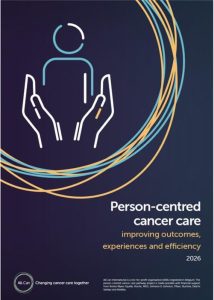
Person-centred cancer care: a new global report for more sustainable health systems

Cancer continues to place a growing burden on individuals, health systems, and society, making it essential to strengthen person-centred cancer care and rethink how care is delivered. New cancer diagnoses are expected to rise by nearly 77% by 2050, further straining already pressured healthcare systems.

Many countries report limited access to treatments, workforce shortages, and long waiting times as key challenges. In this context, policymakers must rethink how cancer care is delivered, ensuring that limited resources are used effectively while maintaining access to high-quality services.

The report titled “Implementing Person-Centred Cancer Care to Improve Outcomes, Experiences and Efficiency”, published by All.Can International, is based on evidence and studies from 2018–2025. It brings together insights from experts across 11 countries and aims to support policymakers and health systems in redesigning cancer care towards a more person-centred and efficient model.

The report highlights that person-centred cancer care is a practical, high-impact approach that improves patient experience while strengthening the resilience of health systems. It places individuals at the centre of care, taking into account their needs, values, and goals, rather than relying on a one-size-fits-all clinical pathway.

The framework is structured around seven key areas of intervention, with a common goal: better care for patients and more sustainable health systems.

1. Early diagnosis and timely initiation of treatment

Late diagnosis remains a major global challenge. Limited health literacy, low participation in screening programmes, and weaknesses in primary care often lead to delays in treatment.

The report recommends more tailored public information, taking into account health literacy levels and cultural context. It also emphasises the co-design of screening programmes with communities to improve participation and enable earlier diagnosis.

2. Coordinated and multidisciplinary care

Lack of coordination between services leads to delays and unequal care provision. Strengthening multidisciplinary teams and introducing patient navigation can help individuals move more smoothly through the healthcare system and receive more consistent care.

3. Digital tools and system integration

Fragmented data management and limited interoperability between health systems remain major barriers. Developing integrated data infrastructures, national cancer registries, and using technologies such as artificial intelligence can improve efficiency and coordination.

4. Telemedicine and remote care

At the same time, digital health services can reduce geographical barriers and bring care closer to patients. However, investment in infrastructure and training is necessary to ensure equitable access.

The use of wearable health technologies and mobile applications can support continuous monitoring and care beyond hospital settings.

5. Communication and shared decision-making

Effective communication between healthcare professionals and patients remains a critical challenge. Shared decision-making models, the use of patient experience data, and culturally appropriate communication can strengthen trust and improve care quality.

At the same time, involving caregivers in communication processes is essential, as their needs are often overlooked.

6. Supportive care and survivorship

Access to psychosocial and supportive care remains limited in many settings, negatively affecting quality of life. Integrating support services throughout the care pathway is essential, especially as more people live with and beyond cancer.

The report also highlights the importance of advance care planning, which can reduce unnecessary hospitalisations and support patient autonomy.

7. Financial support and access to care

The financial burden of cancer remains a major barrier to accessing care. The report recommends improved reimbursement systems, financial navigation services, and support for indirect costs to reduce financial toxicity for patients and their families.

Person-centred cancer care in Greece

Although the report has a global scope, its findings are highly relevant for countries like Greece. Challenges such as delays in diagnosis, inequalities in access, workforce pressure, and limited system integration reflect real issues within the Greek healthcare system.

In this context, the transition towards more coordinated, digitally supported, and person-centred cancer care becomes particularly important.

Call to action

Therefore, policymakers must urgently embed person-centred care into national cancer strategies. Collaboration with people with lived experience of cancer is essential to designing more equitable, efficient, and sustainable health systems.

Adopting this approach can contribute to earlier diagnosis, improved quality of care, better use of resources, and ultimately more resilient health systems in the face of rising cancer burden.

You can read the full report here: Person-centred-cancer-care-improving-outcomes-experiences-and-efficiency-2

Text/Adaptation: Ifiyenia Anastasiou for Kapa3

Kapa3 in the First Half of March: Actions, Collaborations, and Updates for Oncology Patients

During the first half of March, Kapa3 continued to highlight important topics concerning the support, rights, and daily lives of oncology patients through initiatives, collaborations, and informational activities.

Efforts focused both on strengthening access to information and services, and on promoting practical and digital tools that make patients’ daily lives easier.

In an environment where patients’ needs remain complex and constantly evolving, reliable information, enhanced collaboration among stakeholders, and the promotion of holistic care are especially important.

Below is a summary of the main developments from the month.

Collaborations

Key partnerships were strengthened with the Sarcoma Fighters Patients Association, the Hellenic Federation of Persons with Multiple Sclerosis (HFoPwMS), and Doctor Homie, aiming to enhance information, support, and quality care for patients.

Actions & Presentations

Kapa3 participated in the scientific meeting “Cancer in 2026: Challenges and Breakthroughs,” emphasizing the pivotal role of supportive care for oncology patients, while also presenting recent developments addressing their evolving needs. Kapa3 also attented the event Facing the Challenge of Artificial Intelligenceas we remain focused on supporting dialogue around the opportunities and challenges of A.I.

Patient Rights

Supporting oncology patients remains a central goal of our initiatives. Focus was given to updates on the 2026 constant attendance allowance and improved digital access for patients to their test results.

Digital Health & Research

A new European Commission report highlights the critical role of digital health technologies in transforming healthcare systems, outlining both opportunities and challenges for the future of care.

Awareness

March is Colorectal Cancer Awareness Month, reminding everyone of the importance of prevention and early detection.

We continue to monitor developments — more news will follow.

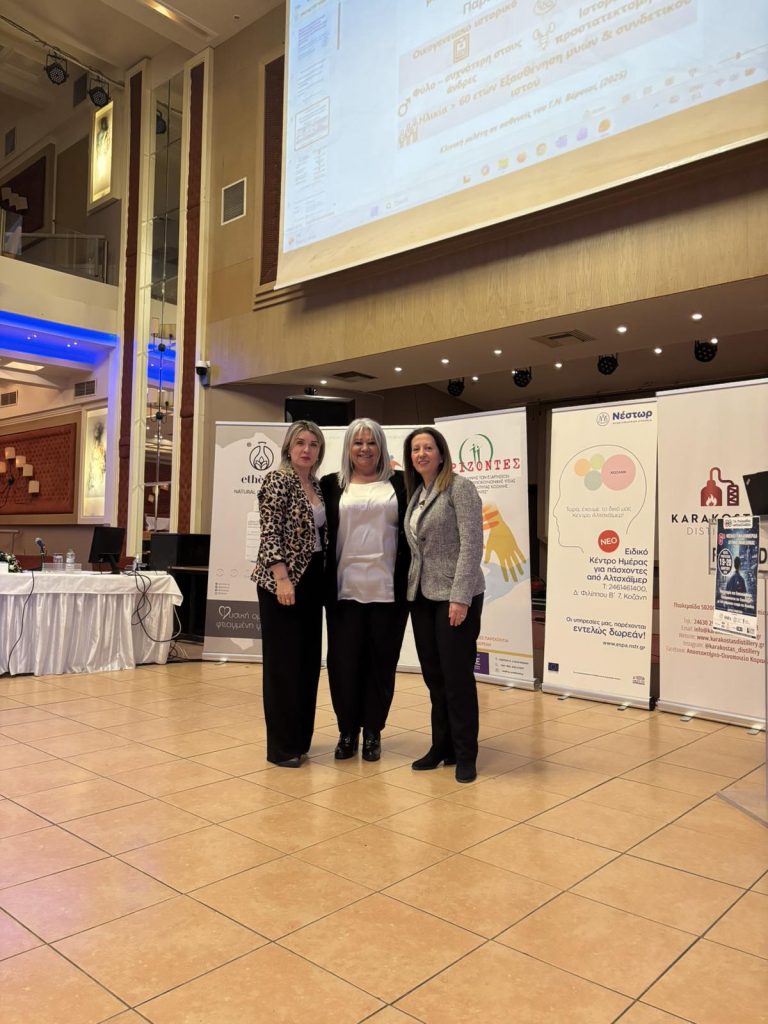
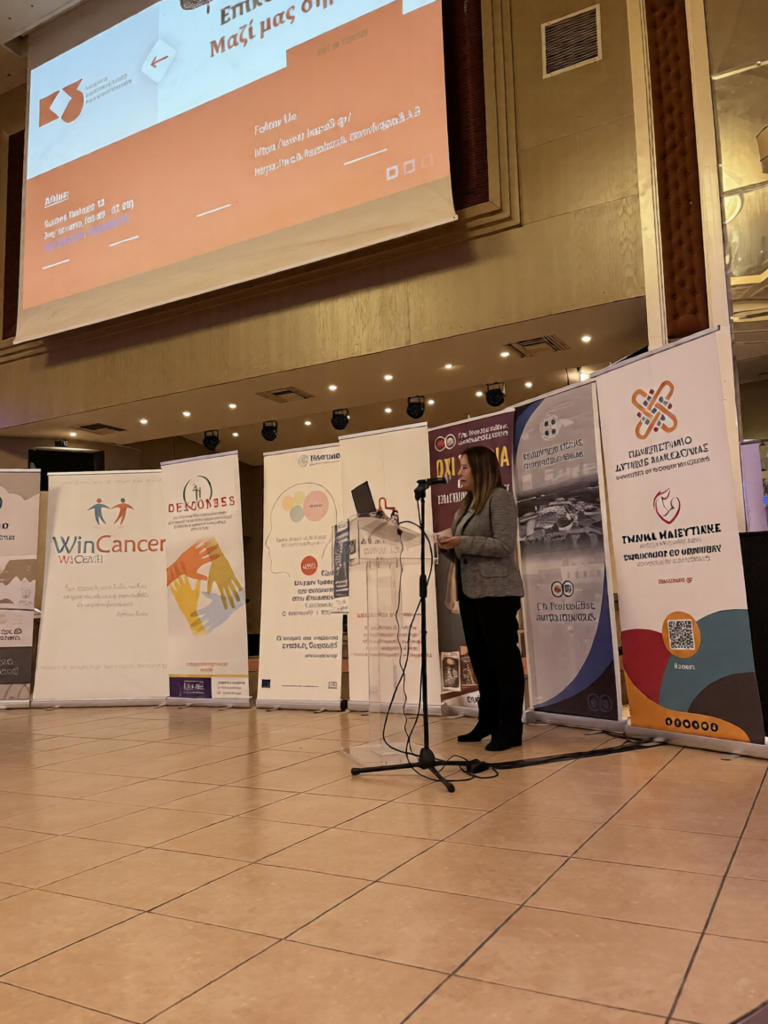
Kapa3’s Contribution to the 6th Nursing Symposium of Western Macedonia: Digital Health, Empathy, and Patient Navigation

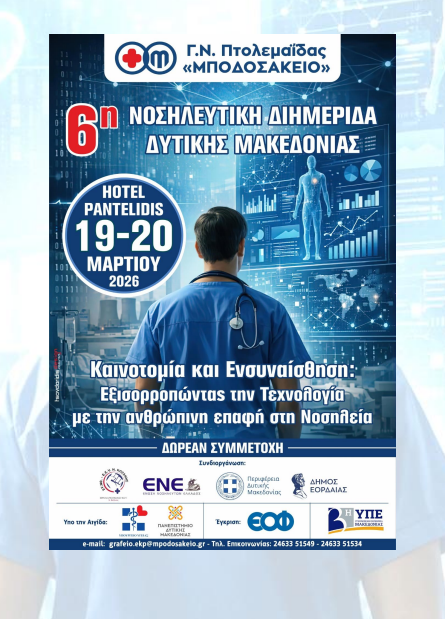
With active participation in a well-established scientific meeting on contemporary nursing issues, Kapa3 took part in the 6th Nursing Symposium of Western Macedonia on “Innovation and Empathy: Balancing Technology with Human Contact in Nursing”, held on March 19–20, 2026, in Ptolemaida.

The Symposium, now a key annual event for the nursing community, serves as a platform for dialogue, knowledge exchange, and highlighting the multifaceted role of nurses in modern healthcare.

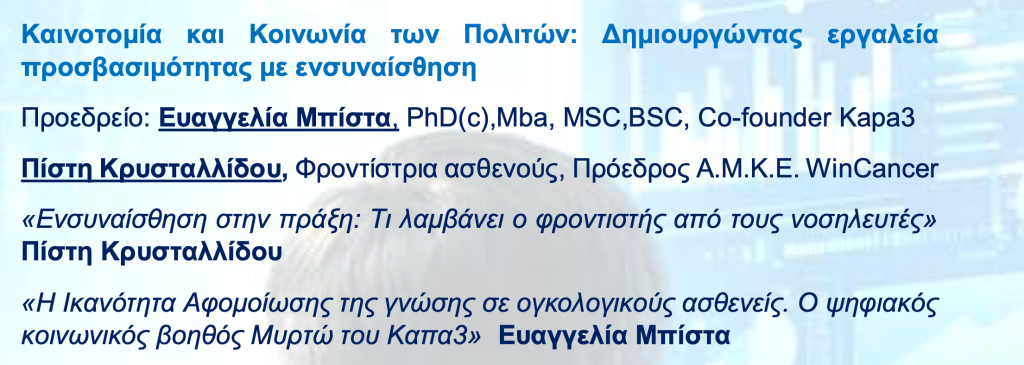
As part of the thematic session “Innovation and Citizen Engagement: Creating Accessible Tools with Empathy”, Ms. Evangeli Bista, co-founder of Kapa3, joined the panel along with Ms. Pisti Krystallidou, President of the NGO WinCancer, showcasing the role of civil society in shaping contemporary, accessible healthcare services.

On March 20, Ms. Evangeli Bista and Ms. Pisti Krystallidou actively participated in the Round Table on the same theme. Ms. Krystallidou presented “Empathy in Practice: What the Caregiver Gains from Health Professionals”, highlighting the daily challenges and support needs of people caring for patients. Ms. Bista emphasized Kapa3’s role and the use of digital tools in guiding patients effectively.

During her presentation, Ms. Bista outlined how the healthcare system is transforming: from episodic care to continuous support, from hospital-centered services to daily-life integration, and from the healthcare professional as the sole source of knowledge to the patient as an active participant. In this new environment, digital health and patient navigation go beyond mere tools, focusing on the citizen’s ability to use them meaningfully in everyday life.

Special attention was given to the needs of oncology patients, who require not only access to information but also guidance through a complex healthcare system—knowing where to turn, what they are entitled to, and how to manage critical decisions in daily life. In this context, the importance of patient navigation was highlighted, a model that Kapa3 has implemented since its foundation, acting as a bridge between available services and patients’ real needs.

Finally, the digital social assistant “Myrto was presented, serving as a single reference point for patients, facilitating access to information and services, and translating knowledge into practical, everyday support.

Kapa3’s participation in the Symposium highlighted the importance of combining technological innovation with empathy, confirming that the future of oncology care is not only about personalized treatment but also about personalized understanding of each patient’s needs.

Download our Press Release here 

Text/Adaptation: Ifiyenia Anastasiou for Kapa3

Digital Access to Test Results: An Important Right for Patients

Digital access to medical test results has become an important right for patients in Greece, following new regulations that strengthen the use of the Digital Repository of Diagnostic Laboratory Results. According to the relevant decision published in the Government Gazette (March 2026), public and private healthcare units collaborating with EOPYY are required to record diagnostic test results in digital form within a specified timeframe.

This change is not just a technical procedure or an administrative obligation for healthcare providers. In practice, it represents a meaningful enhancement of patients’ rights, ensuring that every citizen can have immediate and organized access to their medical data.

Digital access to test results now reduces the need for physical documents, printed copies, or trips to diagnostic centers. Instead, results are stored in a unified digital environment connected to the Individual Electronic Health Record. This allows patients to have their test history consolidated, reducing the risk of losing important information.

For people living with cancer, this development is especially significant. Disease monitoring often involves repeated tests, visits to different doctors, and continuous evaluation of results. Immediate access to all data facilitates collaboration among healthcare professionals and contributes to more coordinated and effective care.

Moreover, the obligation to record results is linked to reimbursement procedures through EOPYY, enhancing transparency in the healthcare system. This ensures that only tests that have actually been performed are reimbursed, limiting abuse and strengthening the reliability of services.

It is also worth noting that data management is carried out under the current personal data protection framework, safeguarding patients’ privacy and information security.

Transitioning to a more digital healthcare system is not just a technological advancement. It is a step toward a more human, transparent, and accessible system of care, where the patient has an active role and meaningful control over their own data.

Ultimately, strengthening digital access to test results represents an important step forward in empowering patients and improving the quality of healthcare provided.

Source: Government Gazette, FEK B’ 1503/17.03.2026

Text/adaptation: Ifiyenia Anastasiou for Kapa3

Digital Health Technologies in Europe: New European Commission Report Highlights Opportunities and Challenges

Digital health technologies in Europe are a key pillar in transforming care systems, as highlighted in the new European Commission report (published in 2026), titled “Observatory for Digital Health Technologies in Europe”. The report, prepared for the Directorate-General CONNECT (DG CNECT) by Capgemini Invent and IDC, provides a comprehensive overview of the EU27 digital health market, analyzing both the technology ecosystem and its economic impact.

The report is structured in three main sections. The first focuses on the creation of the Digital Health Technologies Observatory, a strategic tool for monitoring adoption, innovation, and investment in the sector. The second part presents the economic analysis of five selected technologies, while the third contains conclusions and policy recommendations.

The analysis draws on extensive data, including pan-European surveys of healthcare providers and technology companies, expert interviews, mapping of hundreds of providers, and analysis of tens of thousands of investment records. The findings depict a rapidly growing yet fragmented digital health market in Europe.

Artificial intelligence plays a central role in this transformation, with 94% of healthcare providers already adopting or planning to integrate it. Technologies such as Clinical Decision Support Systems (CDSS), automated medical imaging analysis, and digital mental health platforms are highlighted as particularly important for improving care quality and enhancing health system efficiency.

The economic benefits are substantial. CDSS are estimated to enable savings of up to €252 billion over a decade, while automated medical imaging analysis could save up to €192 billion. Similarly, digital mental health platforms support early intervention and reduce the burden on healthcare services, providing significant social and economic benefits.

The report also identifies critical challenges, such as market fragmentation, interoperability issues, and dependence on non-EU providers in strategic areas. Additionally, issues related to digital skills, regulatory frameworks, and equitable access continue to affect the widespread adoption of these technologies.

To address these challenges, the report recommends measures such as strengthening interoperability, supporting small and medium-sized enterprises, promoting innovation in cutting-edge fields (such as AI and genomics), and integrating principles of sustainability, accessibility, and equity.

The positioning of digital health technologies in Europe as a key pillar for the future of care systems is closely linked with initiatives developed at the national level. In this context, Kapa3 invests in digital tools that enhance information, accessibility, and empowerment of oncology patients, such as the “Myrto” Health Navigator. You can read more about it here.

As Europe seeks to build a more resilient and inclusive health system, leveraging digital technologies emerges as a decisive factor in improving patient quality of life and the effectiveness of healthcare services.

Sources:

Text/Adaptation: Ifiyenia Anastasiou for Kapa3

Kapa3 Participation in the 3rd “Mapping the Unknown in Oncology” Conference

Kapa3 actively participated in the conference “Mapping the Unknown in Oncology – From Hospitals to Homes, mapping the future of oncology care”, organized for its third year by the Medical Society for Research and Education under the auspices of HeSMO (Hellenic Society of Medical Oncologists) and the Hellenic Cancer Society, held on February 27–28, 2026 at the Golden Age Hotel in Athens.

During the events on Saturday, February 28, Ms. Evangelí Bista, Head of Operations and Development at the Kapa3 Cancer Patient Guidance Center, took part in the panel titled “e-Health Tools and Educational Platforms: New Paths for Doctors and Patients.” The panel was moderated by Ms. Z. Saridaki and included panelists G. Koukourakis, S. Peroukidis, F. Tyligadas, and Ch. Christodoulou.

In her presentation, titled “Digital Patient Education: The Patient as an Active Partner,” Ms. Bista highlighted the importance of digital transformation in healthcare, which shifts care from episodic to continuous support, moving healthcare from hospitals into patients’ daily lives and empowering patients to become active participants in managing their health.

In this context, Kapa3 announced that for 2026 it will be the only civil society organization fully integrating AI, cybersecurity, and high-performance computing into its processes and services, implementing:

  • An AI-powered digital assistant (chatbot) for immediate patient guidance and support

  • A voice-command system for website accessibility and text-to-speech conversion

  • Service redesign, simplifying processes and reducing bureaucracy

  • An AI-based recommendation system with usage data analysis to personalize services

Special emphasis was placed on patient navigation, as oncology patients need guidance: where to go, what they are entitled to, when to be concerned, and when to wait. Kapa3 addresses this gap, providing not just information but meaningful, personalized guidance within the healthcare system.

The goal is not to add another service but to unite existing services. The next evolution of this model is Myrto, the digital assistant that serves as a reference point, translating knowledge into daily action.

Because the future of oncology is not only personalized treatment but also personalized understanding.

Kapa3’s participation underscores the organization’s commitment to innovation, collaboration, and ethics, demonstrating how technology can significantly enhance the experience and care of oncology patients.


Kapa3 at Athens Digital Health Week 2026 – The Role of Patient Digital Navigators in Healthcare Digital Transformation

As part of Athens Digital Health Week 2026, Kapa3, as a new member of the Hellenic Digital Health Cluster (HDHC), participated in the closed members and partners meeting as well as the panel discussion titled “Synergies to Bridge the Needs of Healthcare Services in Digital Transformation,” presenting the role of patient digital navigators and exploring how digital technologies can strengthen a patient-centered healthcare system.

The discussion focused on a key question: how can available digital solutions effectively address the real needs of the healthcare and social care system?

Special emphasis was placed on the importance of interoperability, evidence-based decision-making, transparency, and comparability, as well as connecting research and governance, promoting equality, and considering the impact of artificial intelligence in the modern healthcare ecosystem.

Kapa3 was represented by Evangeli Bista, who highlighted the critical role of patient organizations in successfully integrating digital technologies into the care journey.

As she noted:

“Digital health is not only about developing technological solutions, but about their meaningful integration into the patient’s care journey. Civil society organizations (patients, caregivers, friends, professionals) can play a crucial role as adoption partners, contributing to design, implementation, and evaluation. Through collaboration within the Cluster, an ecosystem is strengthened where innovation translates into real accessibility and continuity of care with maximum social impact. For the Cancer Patients Guidance Center – Kapa3, developing its role as patient digital navigators can only happen through such synergies.”

The panel also included representatives from Affidea Greece, Gnomon Informatics SA, and REA Maternity & Gynecology Clinic, who contributed their expertise to a productive dialogue on aligning technology, clinical practice, and data governance.

During the closed meeting, the need to strengthen joint research initiatives, interoperability, and systematic collaboration among ecosystem members was emphasized, ensuring that innovation translates into measurable value for both patients and the healthcare system.

For Kapa3, developing its role in the digital health ecosystem as patient digital navigators is a strategic priority. Through such collaborations, patient organizations are empowered to actively contribute to a more transparent, equitable, and truly patient-centered healthcare system, where technology serves as a tool for empowerment rather than an end in itself.

Download our Press Release in pdf or word

Artificial Intelligence in Medicine: Why Horizontal Skills Are More Critical Than Ever

Artificial intelligence is rapidly transforming clinical decision-making, healthcare professional education, and overall care delivery. Yet a recent international review highlights a crucial point: as AI tools become more integral, horizontal skills (soft skills) such as empathy, communication, critical thinking, and ethical judgment are more important than ever.

These competencies enable healthcare professionals to interpret algorithmic outputs, maintain patient trust, ensure safe care, and integrate technology responsibly into clinical practice. Understanding and fostering these skills is essential for building a healthcare workforce that remains human-centered in an AI-driven era.

The review is authored solely by Effie Simou, Associate Professor of Communication and Media in Public Health at the University of West Attica, and examines the role of horizontal skills in the modern, technology-enhanced healthcare environment. By synthesizing international literature, it analyzes how professional responsibility, teamwork, cultural sensitivity, and ethical judgment impact care quality and safety in an era where artificial intelligence plays an ever more active role.

A “Skills Ecosystem” Rather Than a List of Competencies

The review does not treat these skills as isolated capabilities but as an interdependent ecosystem. Communication strengthens trust, empathy improves patient adherence, critical thinking acts as a counterbalance to uncritical acceptance of algorithmic recommendations, while professionalism and ethical vigilance ensure accountability.

The key argument is clear: technological progress does not make horizontal skills less important—it makes them essential. In an environment where algorithms support diagnosis, predict risks, or suggest treatment strategies, healthcare professionals are called upon to interpret, evaluate, and ultimately take responsibility for the decisions made.

Human Judgment Is Not Replaced. It Is Strengthened—and Tested.

Artificial Intelligence in Medicine and the Risks of Uncritical Trust in Technology

Particular emphasis is placed on the risks arising from excessive trust in AI systems. The so-called “automation bias” can lead to reduced critical vigilance, while the complexity of algorithms may hinder understanding of how their recommendations are generated.

Large language models and AI tools can also produce inaccurate or incomplete information persuasively. In a clinical setting, such misleading certainty can have serious consequences.

In this context, artificial intelligence in medicine cannot function autonomously; it requires active and critical human oversight. Critical thinking, transparency, and clear responsibility allocation become absolutely necessary. The final decision regarding patient care cannot be delegated to an algorithm. Responsibility remains human—a fundamental principle for the ethics of medical practice.

The Patient Relationship Dimension

Technology can enhance accuracy, accelerate processes, and support the management of large data volumes. However, it cannot replace the therapeutic relationship. Trust, clear communication, active listening, and recognition of patients’ emotional needs are elements that cannot be coded.

Especially in fields like oncology, where decisions are complex and the emotional burden high, the quality of communication can significantly influence treatment adherence, understanding of options, and overall care experience.

The review emphasizes that human presence is not supplementary to technology—it is the axis around which it must be organized.

Toward a Balanced Human–Algorithm Coexistence

The study’s conclusion is clear: health professional education must integrate both technological literacy and systematic development of horizontal skills. Knowing how an AI tool works is not enough; one must be able to critically evaluate it, explain its limitations, and integrate it responsibly into clinical practice.

In an era where algorithms are becoming increasingly “intelligent,” empathy, responsibility, and critical thinking are not secondary skills—they are the core of a medical practice that seeks to remain human, reliable, and safe.

Ultimately, the question is not whether artificial intelligence will be integrated into medicine—it already has been. The real challenge is under what terms it will coexist with the human factor. As technology advances at geometric speed, education must equally invest in skills that cannot be automated: the ability to listen, to question, and to take responsibility.

The challenge for artificial intelligence in medicine is not only technological but deeply pedagogical and ethical. Perhaps the greatest stake is not to create “smarter” systems but more conscious professionals. As algorithms evolve, so does the need for medicine to remain fundamentally human.

Source
The Growing Importance of Soft Skills in Medical Education in the AI Era, MDPI, 2024.
Available at: https://www.mdpi.com/2813-141X/4/4/50

Text/adaptation: Ifiyenia Anastasiou for Kapa3

The “Myrto” Health Navigator : A New Era of Digital Support for Oncology Patients

The “Myrto” Health Navigator brings digital and AI-powered care closer to oncology patients, supporting personalization and equitable access to services.

On the occasion of the recent initiatives implemented by Kapa3 in the context of World Cancer Day, our organization once again highlighted the importance of access, empowerment, and meaningful support for oncology patients. Through awareness actions and public engagement, we reaffirmed our commitment to strengthening patients’ voices and improving their everyday reality.

Throughout its journey, Kapa3 has consistently demonstrated its dedication to supporting oncology patients by bridging gaps in information, accessibility, and social care. Building on this experience, we are now taking the next step forward.

After five years of continuous presence in empowering oncology patients through digital guidance, Kapa3 is expanding its footprint in the field of social accessibility by creating an innovative digital assistant: “Myrto.”
“Myrto” addresses the phenomenon of second-level digital exclusion, transforming digital information into a human, accessible, and meaningful experience. It represents the first Social Artificial Intelligence application in the field of social welfare for oncology patients in Greece.

It goes beyond providing information: it converses, guides, and evolves according to users’ real needs, with an emphasis on both accessibility and psychosocial support.

Our aim is to develop a fully functional chatbot integrated into the Kapa3 website, to train social workers and healthcare professionals in its use, and to substantially reduce the digital divide for vulnerable groups.

“Myrto” will offer holistic and personalized guidance to oncology patients as a true Patient Empowerment e-Navigator, through two main pillars:

  • Patient Advocate: Support with legal and administrative procedures (benefits, patient rights), facilitation of access to social welfare services, and guidance within the local healthcare system.

  • Health Navigator: Provision of essential information for health self-management.

At the same time, the platform will enhance communication, highlight available community resources, and incorporate an innovative health literacy assessment tool, enabling full personalization of the services provided.

The project will be developed, tested, and validated by oncology patients as well as by social workers, legal and financial experts, and consultants in health communication and psychology, both in person and online across Greece.

Your participation could substantially contribute to co-creating a personalized Navigator for every oncology patient, as a multidisciplinary perspective is a key factor in the project’s success.

Upon completion, we expect significant social, health, and scientific impact: improved patient quality of life, strengthened self-management, reduced resource requirements, and the creation of a network of experts and informed patients and professionals.

The Founding Sponsor of the “Myrto”Health Navigator is the TIMA Foundation.

We invite organizations, professionals, and stakeholders to become partners in this new chapter of the “Myrto” Health Navigator  by Kapa3 and contribute to building a more accessible, inclusive, and patient-centered healthcare environment.

Evangeli Bista, 

Co-founder Kapa3 – Head of Strategic Partnerships
PhD(c), MBA, MSc, BSc

Text/Adaptation: Ifiyenia Anastasiou for Kapa3