Results from the First Phase of the Knowledge Mapping of Members of the Civil Society Alliance, Greece

The first phase of the survey on the current state of knowledge and use of technological tools by members of the Civil Society Alliance, Greece, was successfully completed. Its aim was to identify the strengths, challenges, and needs of the organizations, in order to support their further development and process improvement.

The contribution of the Cancer Guidance Centre – KAPA3, particularly through the collection and analysis of data by Mr. Konstantinos Tzanas, Statistical Analyst, MSc, was significant. This involvement ensured the quality, completeness, and reliability of the results, providing a comprehensive picture of the current situation.

Key Findings
  • Organizations that invest in digital maturity demonstrate better financial management and overall organizational performance.

  • 2024 inputs/budgets are the most decisive factor for organizational maturity. Medium-sized organizations (€250,000 – €600,000) show the best balance of resources and effectiveness.

  • Significant gaps exist in financial sustainability, particularly in revenue generation and grant acquisition, regardless of size.

  • Respondents’ gender does not affect evaluations, while organizational position mainly influences assessments on financial matters.

Organization Clusters
  • Underperforming in management – Emerging (3 organizations, 9%)
    Low maturity, need to develop basic governance and financial management.

  • Digitally Mature Organizations (13 organizations, 39%)
    High digital skills, good KPI handling, need to strengthen fundraising and strategic financing.

  • Organizations with Limited Resources (8 organizations, 24%)
    Focus on grants, weaknesses in financial management, need for basic digital tools and KPIs.

  • High-Maturity Organizations (9 organizations, 27%)
    Excellent governance and financial management, strong points in legal compliance and budgeting, best practices accessible for mentoring.

Strategic Recommendations
  • Strengthen basic governance and financial management for emerging organizations.

  • Leverage digital skills to enhance fundraising in digitally mature organizations.

  • Invest in essential financial management tools and KPIs for organizations with limited resources.

  • Maintain excellence and exchange best practices for high-maturity organizations.

Text/adaptation: Ifiyenia Anastasiou for Kapa3

Vehicle Tax Exemption for People with Disabilities – Step-by-Step Guide

From February 4, 2026, citizens with disabilities can apply for a vehicle tax exemption for people with disabilities (PWD) through the new digital platform of AADE, without the need to submit physical documents. The process is simplified as the required data is automatically retrieved from KEPA of e-EFKA, making it easier for beneficiaries and their families. This digital solution allows fast and secure submission of requests while reducing bureaucracy.

How to apply for a vehicle tax exemption for PWD

1. Access the platform

  • Go to myAADE > Applications > Popular Applications > myCAR.

2. Who can submit the request

  • The beneficiary themselves, or

  • The parent/guardian for a minor, provided that the relationship is registered in the AADE Registry and the minor’s AMKA is included.

3. Vehicle selection

  • The system shows the eligible passenger cars. The beneficiary selects the vehicle for which they want the exemption.

4. Key points

  • Digitized Certificates of Disability (KEPA) issued from September 16, 2022, onwards can be used directly.

  • The exemption is valid from the start to the end of the certificate, including the years of issuance and expiration.

  • For certificates not digitized by e-EFKA, the request is submitted via the “My Requests” application on myAADE, attaching the required documents and selecting the competent tax office (DOY/KEFODE) for the beneficiary.

5. Information & support

  • By phone: 1521 (free of charge), weekdays 7:00–20:00

  • Online: my1521, 24/7, selecting Vehicle Topics > Exemptions > Requirements > Vehicle tax exemption due to disability

Kapa3 ensures that cancer patients and people with disabilities are informed about digital services that make their life easier, providing accurate and timely information about their rights.

You can find the AADE Press Release here.

Holistic Cancer Care: Successful Webinar on Cancer, Patient Navigation & Health Management

The webinar “Cancer, Patient Navigation & Health Management: From Prevention to Life Coordination” was successfully completed, presenting contemporary challenges and practices in holistic oncology care, patient navigation, and patients’ digital literacy.

The online educational initiative, organized by René Descartes College in collaboration with the Kapa3 Cancer Patient Guidance Center, highlighted the importance of a human-centered approach to cancer, patient navigation, digital innovation, and the enhancement of patients’ digital literacy, combining scientific knowledge with practical support at every stage of the disease.

Holistic cancer care integrates scientific knowledge with practical support at all stages of the disease, enhancing patient engagement and quality of life.

During the webinar, the speakers shared valuable insights and experiences:

Maria Gazouli, PhD – Professor of Biology-Genetics-Nanomedicine:
She emphasized that cancer is a chronic, multifactorial disease where quality of life is as important as survival. The holistic approach treats the person as a whole—physically, psychologically, socially, and environmentally—and requires an interdisciplinary team with active patient participation in every decision. She highlighted the importance of personalized medicine and the role of family support.

Dr. Christos A. Frantzidis – Assistant Professor, University of Lincoln:
He presented CREATE, a comprehensive digital system that transforms patients’ daily experiences into valuable knowledge for clinicians, supporting timely interventions and personalized care. He stressed that artificial intelligence does not replace humans but assists clinicians in safe decision-making, reduces workload, and improves patients’ quality of life.

Dr. Maria Lavdaniti, PhD – Professor of Clinical Nursing, International Hellenic University (IHU):
She underscored the critical role of the oncology nurse in administering therapies, managing symptoms, and providing psychosocial support to patients and their families. She emphasized the importance of continuous patient education, managing long-term side effects, and interdisciplinary collaboration to improve quality of life.

Dr. Vasiliki Kapaki – Professor of Health Economics, René Descartes College:
She highlighted the role of technology in oncology, from prevention and screening to treatment and post-therapy care. She stressed that digital literacy is a prerequisite for health equity, enabling patients to understand risks, participate in decision-making, and safely follow their therapeutic pathways.

Evangelia Bista, PhD, Co-Founder of Kapa3:
She presented the work and mission of Kapa3, which supports over 7,000 families and 1,500 patients in Greece, offering guidance, information on patients’ rights, psychological support, and personalized digital tools. Her presentation included the main pillars of Kapa3’s work—website, request management, educational programs—as well as the organization’s 2026 action plans, such as Wellness in Motion, Cancer Wellness Open House Day, and digital innovations with AI and personalized service systems.

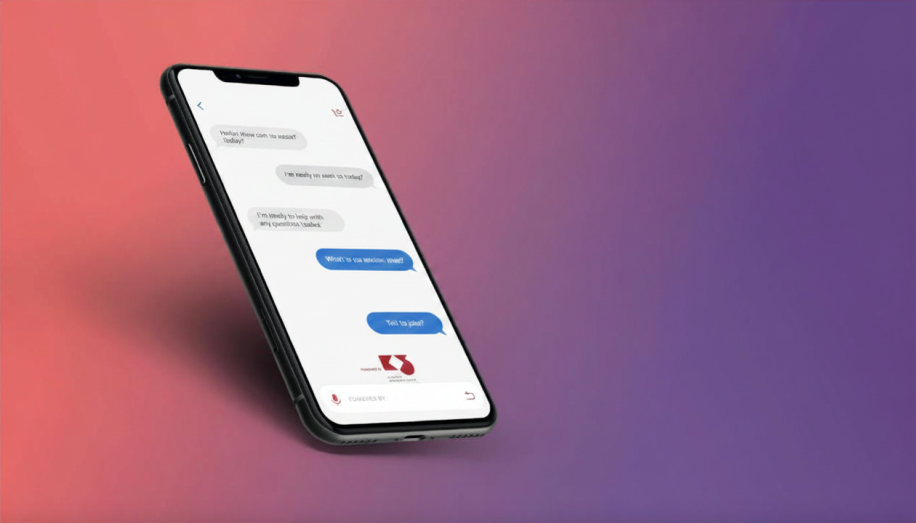
Ms. Bista highlighted that upgraded digital services with AI tools, such as Myrto, the first digital assistant/chatbot in Greece, part of Kapa3’s 2026 projects, will enable personalized services based on patient profiles, streamline processes, and reduce bureaucracy. It is clear that, combined with human guidance, the development of digital literacy is a key tool for equitable access, quality of life, and active patient engagement throughout the disease.

The webinar concluded with an open discussion and Q&A, giving participants the opportunity to interact with the speakers and exchange experiences. The initiative emphasized that technology and digital literacy do not replace humans but enhance guidance, safety, and equity in care, while holistic care remains at the center of every initiative.

We sincerely thank René Descartes College for hosting and flawlessly organizing the event, as well as all the outstanding speakers for sharing their knowledge and inspiration with the audience.

You can find some screenshots from the webinar below:

You can find the Press Release file here

Cancer: From Prevention to Life Coordination – Successful Knowledge Seminar in Megara with Kapa3

With great success and participation from citizens of all ages, the Knowledge Seminar in Megara – From Prevention to Life Coordination took place on Sunday, February 8, in the Council Chamber of the Megara City Hall, in celebration of World Cancer Day.

The event was organized by the Municipality of Megara in collaboration with the Kapa3 Cancer Guidance Center, which since 2020 provides guidance and support to oncology patients and their families, ensuring access to vital information and services.

The seminar opened with a speech by the Mayor of Megara, Panagiotis Margetis, who shared his family’s personal experience with cancer, emphasizing the importance of accurate information and support throughout the patient journey. Stamatis Georgakis, Deputy Mayor for Public Health and Social Protection, coordinated the seminar and highlighted the value of Kapa3 and its Guidance Station in informing, supporting, and advocating for patients’ rights.

Distinguished experts participated in the seminar, presenting key aspects of holistic cancer care:

  • Georgios Nintos, MD MSc, Oncologist: Prevention and early diagnosis, causes, and preventive measures.

  • Katerina Papakonstantinou, MD MSc PhD, Obstetrician-Gynecologist: Gynecologic cancer, importance of HPV vaccination and Pap test.

  • Andrea Paola Rochas, Assistant Professor of Biology, University of Peloponnese Nursing Department: Nutrition and cancer prevention, emphasizing the Mediterranean diet, exercise, and avoidance of processed foods.

  • Maria Lavdaniti, Professor and Head of Nursing Department, International University: Role of oncology nurses in holistic care.

  • Pinelopi Vlotinou, Assistant Professor of Occupational Therapy, University of West Attica: Daily living support and quality-of-life improvement through occupational therapy.

  • Ioanna Sideri, Psychologist MSc, PhD(c), University of Peloponnese: Psychological support for patients and caregivers, resilience, and crisis management.

  • Grigoria Zacharogianni, MD MSc PhD, Radiation Oncologist: Modern treatment options and importance of moderate exercise during therapy.

The presentation of Kapa3 was delivered by Evangelia Bista, Co-founder and Head of Strategic Partnerships, highlighting the importance of digital literacy and a holistic approach to patient care. Kapa3 has expanded its oncology support network by inaugurating the Cancer Guidance Station in Megara, with the significant support of Megara Resins. In its first year, the station has assisted over 100 beneficiaries, offering guidance on social rights, patient file management, and psychological support, free of charge.

For 2026, Kapa3 is strengthening its digital services with Myrto, Greece’s first AI-powered Health Digital Assistant, providing personalized guidance and voice control. Planned initiatives also include: Wellness in Motion, with 12 outdoor walks for mental wellbeing of young adult cancer patients, the Cancer Wellness Open House Day, and a conference on equitable access to care.

The Knowledge Seminar in Megara – From Prevention to Life Coordination highlighted the importance of prevention, holistic care, interdisciplinary collaboration, digital literacy, psychological support, and continuous patient rights education.

Kapa3 warmly thanks the Municipality of Megara for hosting and supporting the event, as well as all speakers, for their invaluable expertise and commitment to sharing knowledge and scientific know-how.

Explore the photo gallery here:

The Press Release document here

World Cancer Day: United by Our Uniqueness

Every year on 4 February, World Cancer Day invites us to reflect on one of the greatest challenges of modern public health.

The goal is not only to confront cancer as a disease, but to face it with knowledge, empathy and shared responsibility. Because cancer touches millions of lives in countless ways, yet it does not define who we are. We are more than a diagnosis, more than a number.

World Cancer Day was established in 2000, following the World Summit Against Cancer for the New Millennium in Paris. It is a core element of the Paris Charter Against Cancer — a global commitment to advancing research, prevention, patient care, awareness and international mobilisation. Since then, the day has served as a reminder that addressing cancer requires long-term vision, cooperation and consistency.

This year’s message, “United by Unique”, highlights a fundamental truth: cancer is not only a medical event.

It is a deeply personal experience. Behind every diagnosis lies a unique human story — stories of fear and loss, but also of resilience, care, love and healing. Every story counts.

Cancer Today: Facts and Challenges

Cancer remains one of the most significant public health challenges in Europe and in Greece. Data from international and European organisations underline not only the scale of the disease, but also the persistent inequalities in prevention, early detection and access to care.

In Europe, approximately 2.7 million new cancer diagnoses are recorded each year, with around 1.3 million deaths, while the economic burden exceeds €93 billion annually. In Greece, cancer is the second leading cause of death, affecting thousands of families and carrying profound social and psychological consequences.

Progress, Prevention and Hope

At the same time, scientific progress offers well-founded reasons for optimism.

Prevention and early detection remain decisive factors. Screening programmes, vaccination, healthy lifestyle choices and access to reliable information can significantly reduce the risk of certain cancers and improve treatment outcomes. In this context, knowledge is not merely information — it is power and a fundamental right.

Advances in cancer management are equally important. Personalised medicine, targeted therapies, immunotherapy and improved management of treatment side effects contribute not only to increased survival rates, but also to a better quality of life for people living with and beyond cancer. Information and education are key tools for both prevention and empowerment.

Mental health plays a crucial role as well. Diagnosis and treatment are often accompanied by anxiety, fear, sadness and emotional exhaustion — affecting not only patients, but also their caregivers. Psychosocial support, counselling services and empowerment groups are essential components of holistic cancer care, helping to preserve dignity and quality of life.

Information, research and mental health care are core pillars of modern cancer management. Indicatively, you may explore the following Kapa3 articles:

Empowerment and Action

World Cancer Day is not just a day of awareness. It is a call to action:

  • to speak openly about prevention and our health,

  • to support people living with cancer and their caregivers,

  • to seek reliable information and evidence-based sources,

  • to advocate for equal access to care and psychological support,

  • to remember that no one should face cancer alone.

Because our strength lies in solidarity — and in respecting the uniqueness of every individual.

United by our uniqueness.

References:

World Health Organization (WHO) – Cancer
https://www.who.int/health-topics/cancer

International Agency for Research on Cancer (IARC)
https://www.iarc.who.int

Union for International Cancer Control (UICC) – World Cancer Day
https://www.worldcancerday.org

European Commission – Europe’s Beating Cancer Plan
https://health.ec.europa.eu/eu-policy/health-strategies/europes-beating-cancer-plan_en

European Cancer Information System (ECIS)
https://ecis.jrc.ec.europa.eu

Hellenic Statistical Authority (ELSTAT) – Health Data
https://www.statistics.gr/en/statistics/-/publication/SHE15/

Hellenic National Public Health Organization (EODY) – Cancer & Public Health
https://eody.gov.gr/

Greek Ministry of Health – Prevention & Screening
https://www.moh.gov.gr/articles/prevention-screening

Text/adaptation: Ifiyenia Anastasiou for Kapa3

Cancer: From Prevention to Life Coordination” – Event Announcement, Municipality of Megara & Kapa3

On the occasion of World Cancer Day (4 February), the Municipality of Megara and the Cancer Patient Navigation Center – Kapa3 are organizing the knowledge-focused event “Cancer: From Prevention to Life Coordination” on Sunday, 8 February 2026, at 18:00, at the Municipal Council Hall of Megara City Hall.

The event aims to highlight that addressing cancer is not limited to medical treatment alone, but requires holistic care, proper guidance, and coordinated services, placing the individual, their family, and their social environment at the center.

The objective of the initiative is to emphasize the role of a Health Navigator in cancer management and to underline the importance of interdisciplinarity in oncology care, bringing together the expertise of physicians, nurses, psychologists, occupational therapists, as well as civil society organizations such as Kapa3, which support patients and caregivers.

The event features the following speakers:

  • Georgios Nintos, Medical Oncologist, MD MSc – Cancer prevention and early diagnosis

  • Katerina Papakonstantinou, Obstetrician–Gynecologist Surgeon, MD MSc PhD – Prevention and gynecological cancer

  • Rojas Andrea Paola, Associate Professor of Biology, Department of Nursing, University of the Peloponnese – Nutrition and prevention

  • Maria Lavdaniti, Professor and Head of the Department of Nursing, International University – The role of oncology nursing in holistic cancer care

  • Penelope Vlotinou, Professor of Occupational Therapy, University of West Attica – Occupational therapy and patients’ daily life

  • Ioanna Sideri, Psychologist MSc, PhD(c), Department of Nursing, University of the Peloponnese – Psychological support for patients and caregivers

  • Grigoria Zacharogianni, Radiation Oncologist, MD MSc PhD, University of West Attica – Therapeutic options from diagnosis to recovery

The event is part of Kapa3’s ongoing presence in Megara and its constructive cooperation with the Municipality, as reflected in the operation of the Cancer Patient Navigation Counseling Station.

It is another opportunity to highlight community-based efforts supporting cancer patients and their families, strengthening awareness, prevention, and meaningful guidance.

Participation is open to health professionals, patients, relatives, and all interested citizens.
It is our great honor to welcome everyone who wishes to learn more about cancer care and holistic management and to take part in a dialogue of knowledge and solidarity, because only together can we build a more inclusive and supportive society for all.

28 January – Data Protection Day: privacy, health and trust

European Data Protection Day, observed every year on 28 January, was established by the Council of Europe and is linked to Convention 108, the first legally binding international instrument on the protection of personal data. The day serves as a reminder that the right to privacy is a fundamental human right — especially in a time when personal information is increasingly collected, stored and processed digitally.

Personal data are not merely technical entries in databases and systems. They are fragments of people’s lives. They include health information, personal experiences, vulnerable moments and deeply private aspects of identity. When individuals share such information, they do so with the expectation that it will be handled with care, confidentiality and respect.

For organisations such as Kapa3, which work closely with patients and people in vulnerable situations, data protection goes far beyond legal compliance. It is a matter of dignity and trust. Health data — including information related to both physical and mental health — belong to the most sensitive categories of personal data. Inadequate protection or misuse can lead to stigma, discrimination and a profound sense of insecurity.

Within the European Union, the General Data Protection Regulation (GDPR) provides a common framework to ensure that individuals retain control over their personal information. Rights such as informed consent, access to data and the ability to request deletion are not administrative formalities. They are essential safeguards that protect human integrity, particularly in the context of healthcare and social support.

According to the World Health Organization (WHO), confidentiality and ethical governance of health data are fundamental to the provision of safe and high-quality care. Trust between patients and healthcare or support organisations is strengthened when personal information is managed transparently, responsibly and within clearly defined limits.

European Data Protection Day is not only an occasion to reflect on legal obligations or technical safeguards. It is an opportunity to consider how we approach privacy as a core element of respectful and ethical care. Protecting personal data is ultimately not about technology — it is about protecting the people behind the data and the trust that underpins every meaningful human relationship.

Sources:

Text/adaptation: Ifiyenia Anastasiou for Kapa3

Webinar: “Cancer, Patient Navigation & Health Management: From Prevention to Coordinated Care” in collaboration with the Kapa3 Cancer Guidance Center

On the occasion of World Cancer Day, we invite you to join the webinar on cancer and patient navigation, organized in collaboration with René Descartes College and the Kapa3 Cancer Guidance Center. This webinar aims to open a meaningful dialogue around cancer, not only as a medical diagnosis but as a complex life journey.

Today, cancer requires holistic health management, proper guidance within the care system, coordination among professionals and services, and a patient-centered approach that considers the individual, their family, and social environment.

The webinar aims to highlight the importance of Patient Navigation and Health Management in cancer care, to illuminate the role of technology and innovation in oncology, and to raise awareness around prevention, quality of life, and continuous patient support.

Target Audience:
  • Patients and individuals at diagnosis, undergoing treatment, or in follow-up

  • Caregivers and family members

  • Health professionals, Health Management staff and students

  • Policy and quality of care professionals

  • Anyone interested in prevention, screening, organization of oncology services, and patient-centered healthcare approaches

Participants Will Gain:
  • Understanding of cancer as a holistic life issue

  • Knowledge of modern patient navigation and care coordination models

  • Insights into the role of technology in oncology

  • Practical information for better management within the healthcare system

  • Inspiration for more humane, coordinated, and high-quality care

Speakers:
  • Maria Gazouli, PhD – Professor of Biology-Genetics-Nanomedicine, Laboratory Geneticist

  • Dr. Christos A. Frantzidis – Assistant Professor, Computer Science / Machine Learning, School of Computer Science, University of Lincoln, UK

  • Dr. Maria Lavdaniti, MSc, PhD – Professor of Clinical Nursing, Director of the University Laboratory of Adult Cancer Patient Care, International Hellenic University (IHU)

  • Evangelia Mpista, PhD, MBA, MSc, BSc – Co-Founder, Kapa3

  • Dr. Vasiliki Kapaki – Postdoctoral Researcher in Health Economics, Professor of Health Economics, René Descartes College

Participation Details:
  • Duration: 2.5 hours (18:30 – 21:00)

  • Date: 06/02/2026

  • Attendance: Online

  • Participation is free

  • Certificate of attendance will be issued by René Descartes College and Kapa3

  • Registration form and participation declaration: Here

Text/adaptation: Ifiyenia Anastasiou for Kapa3

Return to Work after Cancer: Challenges and Needs for Young Adults

Returning to work after cancer presents significant challenges for young adults (18–40 years old) who wish to continue or reintegrate into their professional life. The study Needs Assessment: Young Adults Navigating Work & Cancer, conducted by Cancer & Careers in collaboration with the Andrea Argenio Foundation, explores the experiences of this group, highlighting key problems, needs, and preferences for workplace support.

The survey included 516 participants and was conducted online from December 2024 to February 2025. Participants were young adult cancer patients or survivors, and the study focused on return to work, the difficulties they face, necessary accommodations, and the types of support they find most helpful.

Key Findings

The study clearly identifies the multiple challenges young adults face during professional reintegration:

  • Balancing treatment and work emerged as the most common challenge.

  • About 50.8% reported physical limitations, and 37.8% cognitive difficulties affecting job performance. Younger participants (18–25) reported even higher challenges (~70.3% physical, ~56.8% cognitive).

  • Concerns about job security and career progression were significant: around 1 in 3 participants worried about their position or professional identity, while for ages 35–40, concern about job security reached 50.8%.

  • Participants expressed a need for workplace support, mainly through:

    • Flexible working hours (77.5%)

    • Remote work / working from home (62.2%)

    • Additional paid leave (50%)

    • Mental health support (45.2%)

Open-ended responses also highlighted the need for better employer education, support in job search and career development, as well as broader psychosocial support.

The Greek Context and the Need for Action

Despite the importance of this issue, Greece lacks systematic data on return to work after cancer, particularly for young adults. There are few studies or official statistics documenting experiences, challenges, or needs, creating a significant knowledge and policy gap.

In this context, raising awareness, providing reliable information, and connecting survivors to trusted resources are critical. Initiatives focusing on young adults with cancer help create a more supportive environment for returning to work, addressing both practical and psychosocial aspects.

European tools and collaborations, such as the MELODIC project, in which Kapa3 participates actively, are particularly valuable. MELODIC focuses on the psychological support of young adult cancer patients, highlighting the close link between mental health, quality of life, and professional functioning after cancer.

The Cancer & Careers study demonstrates that returning to work after cancer is not a straightforward process. Physical and cognitive limitations, concerns about job security, and the need for flexibility are daily challenges for many young adults. In Greece, the lack of data does not mean the problem is absent; rather, it underscores the need for more knowledge, targeted initiatives, and meaningful support.

Through information, networking, and participation in European initiatives, returning to work can become more realistic and sustainable for young adults who have experienced cancer.

Sources: Needs Assessment: Young Adults Navigating Work & Cancer

Text/Adaptation: Ifiyenia Anastasiou for Kapa3

Ministerial Decision (Government Gazette, FEK 230/B/22.01.2026) on Clinical Trials: Streamlining Research in Greece

The clinical trials regulation in Greece, published in the Government Gazette (ΦΕΚ) 230/B/22.01.2026, establishes a unified and simplified framework for contracts and financial management of clinical trials, non-interventional studies, and other health research projects. This clinical trials regulation in Greece directly affects clinical trials with medicines, studies involving medical devices, and research conducted in hospitals and public health institutions, aiming to reduce bureaucracy, ensure transparency, and protect participating patients.

Clinical trials regulation in Greece

WHY THE NEW DECISION WAS NECESSARY

Until now, procedures for signing contracts for clinical trials and studies were often delayed, complex, and varied between institutions. This slowed down research and discouraged sponsors and research teams. The new Ministerial Decision aims to create a clear, unified framework with common standards, defined responsibilities, and specific timelines.

WHAT CHANGES FOR CLINICAL TRIALS AND STUDIES

Under the new regulation:

  • Standardized contracts for clinical trials and studies are introduced,

  • Clear deadlines for contract signing are established,

  • The use of electronic procedures is promoted,

  • The financial management framework of research projects by responsible institutions is clarified.

These changes aim to reduce administrative burdens and facilitate the daily operations of research teams and health institutions.

WHAT THIS MEANS FOR PATIENTS

Of particular importance is the reaffirmation that participating patients are not financially burdened by their involvement in clinical trials or studies. The costs of examinations, procedures, and services related to the study are covered by the sponsor, ensuring the protection of patients’ rights and safety, and reinforcing trust in the research process.

WHY THIS REGULATION IS AN IMPORTANT STEP FOR RESEARCH IN GREECE

The Ministerial Decision published in the Government Gazette (ΦΕΚ 230/B/22.01.2026) represents a significant step toward improving the research environment in Greece. By creating unified and clear procedures for contract signing and financial management of clinical trials and studies, it reduces long-standing administrative barriers that delayed the implementation of research projects. At the same time, it strengthens institutional security for all stakeholders—researchers, health institutions, and sponsors—while fostering transparency and accountability.

In this context, Greece can become more competitive in research, facilitate participation in international research initiatives, and make more effective use of its scientific knowledge and human resources. In the healthcare field, accelerating and streamlining processes helps align research more closely with clinical practice and patients’ real needs, benefiting society as a whole.

Kapa3 closely monitors institutional developments affecting health research and clinical trials, highlighting their importance for patient protection and the improvement of care quality.

Text/adaptation: Ifiyenia Anastasiou for Kapa3