Cancer is increasingly becoming a highly manageable disease

In the Sunday edition of To Vima newspaper and Vita magazine (25 January 2026), the views of Ms Evangeli Bista, co-founder of Kapa3, were featured, shedding light on the landscape of modern oncology and the challenges emerging within the current Greek healthcare reality.

Ms Bista addressed the Greek context and highlighted the importance of digital technology as a cornerstone of modern health policy, particularly in the field of cancer care, where treatment pathways are complex, long-term, and deeply person-centred. As she noted, Greece has already made measurable progress: electronic and paperless prescribing, oncology registries, the National Electronic Health Record, and applications such as MyHealthApp are creating the conditions for more coordinated and transparent care. When healthcare professionals, as well as patients themselves, are equipped with appropriate digital skills, patient autonomy is strengthened, treatment outcomes improve, and inequalities—especially those affecting vulnerable population groups—are reduced.

The article is co-authored by distinguished scientists and collaborators: Maria Gazouli, Professor of Biology, Genetics and Nanomedicine at the Medical School of the National and Kapodistrian University of Athens and national representative on the Committee for Advanced Therapies of the European Medicines Agency; Manolis Saloustros, Associate Professor of Oncology at the University of Thessaly and President of the Hellenic Society of Medical Oncology (HESMO); and Christos Frantzidis, Assistant Professor of Informatics and Machine Learning at the University of Lincoln in the United Kingdom.

The contributing experts underline that modern oncology increasingly approaches cancer as a largely manageable chronic disease, through targeted and personalised therapies. The use of innovative technologies—such as next-generation sequencing, mRNA vaccines, PARP inhibitors and cellular therapies—has significantly expanded therapeutic options. At the same time, prognosis is becoming more dynamic and individualised through the use of multi-omics profiling, machine learning algorithms and liquid biopsy techniques. Particular emphasis is placed on the early integration of palliative care and psychosocial support, which play a crucial role in improving patients’ quality of life. Finally, the importance of structured and coordinated healthcare services is highlighted, with the medical oncologist acting as a key coordinator of person-centred care.

Beyond documenting technological advances, the article opens a broader discussion on the digital transition in oncology care, addressing issues of access, meaningful use of data and the need for coordination across different scientific disciplines. Digital health is presented not as an end in itself, but as a tool that requires collaboration, institutional maturity and a shared vision in order to deliver real value to patients.

The overarching message is clear: every step, whether small or large, matters. Progress in oncology is not the result of isolated actions, but of collective effort. Through collaboration among scientists, healthcare professionals, organisations and patients, the conditions for meaningful and sustainable change can be created—always with the human being and their real needs at the centre.

Download our Press release here:  KAPA3_VIMA

Text / Adaptation: Ifiyenia Anastasiou for Kapa3
January 24 – International Day of Education

January 24 has been designated by the United Nations as the International Day of Education, recognizing education as a fundamental human right and a key pillar of social cohesion, equality, and sustainable development. Access to knowledge is not only a means of professional growth but also a decisive factor in psychological resilience, personal identity, and hope for the future.

EDUCATION AND ILLNESS: WHEN LEARNING BECOMES SUPPORT

For children living with cancer or other serious illnesses, education takes on a special significance. International initiatives, such as hospital schools, have highlighted the role of learning in maintaining continuity of life during treatment. According to the World Health Organization, education for hospitalized children is not just about curriculum but also serves as a source of joy, normalcy, and psychological empowerment. Participation in lessons, interaction with teachers, and pursuing personal interests help children retain goals and envision their future, even under the strain of serious illness.

YOUNG ADULTS WITH CANCER: STUDIES, INTERRUPTIONS, AND RETURNS

Education is also a critical issue for young adults living with cancer, an age group often engaged in higher education, vocational training, or early career stages. International research shows that a cancer diagnosis during this period can lead to study interruptions, delayed completion, shifts in educational direction, and increased psychological burden. Studies from Europe and the United States report higher levels of anxiety, social isolation, and uncertainty about the future, while also highlighting that flexible educational structures and supportive policies significantly increase the likelihood of returning to and completing studies.

Yet there are also those who, through their experience with illness, redefine their priorities: pursuing new fields of knowledge, changing direction, or discovering previously untapped skills.

DATA IN GREECE

In Greece, there are no official data tracking continuation or interruption of studies for young adults living with cancer — such as how many students drop out, how many return after treatment, or the overall impact on their educational trajectory. However, it is estimated that the incidence of cancer in young adults is approximately 7.4 new cases per 100,000 inhabitants per year, highlighting the unique psychosocial and developmental challenges this group faces. The lack of systematic data on educational outcomes underscores the need for further research and for policies that support young people in continuing or completing their studies when and how they wish.

Education at any age can serve as a tool for hope and life reorientation. Many individuals who have experienced cancer choose to return to learning, acquire new skills, change career paths, or invest in postponed dreams. Knowledge does not erase the challenges of illness, but it can provide meaning, perspective, and a sense of control during uncertain times.

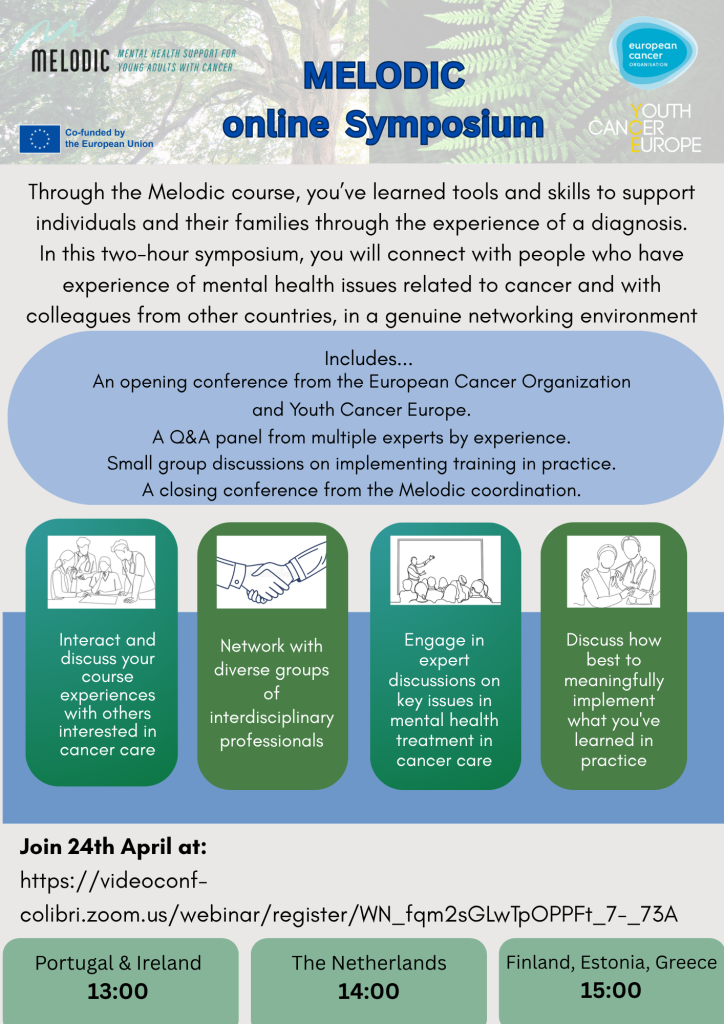
At KAPA3, we recognize the importance of education as an integral part of psychosocial support. Through our participation in European projects, such as MELODIC, which focuses on the mental health of young adults with cancer, we highlight the need for holistic approaches that consider life, studies, and personal plans beyond the diagnosis.

The International Day of Education serves as a reminder that knowledge does not stop in the face of illness. With support, understanding, and appropriate structures, education can remain alive — acting as a bridge to the future and a reminder that life continues.

Sources:

Text/Adaptation: Ifiyenia Anastasiou for Kapa3
The MELODIC Consortium met in Athens to promote the mental health of young adults with cancer

We were delighted to welcome the European partners of the MELODIC Consortium in Athens, during the two-day consortium meeting held on 19–20 January 2026, at the facilities of the School of Public Health, University of West Attica (UNIWA).

Representatives from all participating countries – Finland, Estonia, the Netherlands, Portugal, and Ireland – attended in person, while there was also significant active online participation. The excellent organization and warm hospitality created a collaborative and open communication environment, boosting optimism around the successful progress of the project.

On the first day, discussions focused on the progress of WP2 and WP3, including publication planning, needs assessment, and the development of the educational curriculum for healthcare professionals, aiming to support the mental well-being of young adults with cancer experience and their families.

In this context, the importance of approaches linking physical activity, natural environments, and mental health was highlighted, recognizing nature as a space for recovery and meaningful experiences for young people who have undergone demanding treatments.

During the short breaks, participants had the opportunity to meet and exchange views on the challenges and best practices in the field of mental health for young adults with cancer.

Later in the afternoon, participants enjoyed a lovely dinner at Iamvos Restaurant, located in the historic neoclassical building “Kostis Palamas” of the National and Kapodistrian University of Athens, in a welcoming atmosphere that encouraged networking and human interaction.

On the second day, the work continued with the further development and evaluation of the MELODIC intervention (WP4), with particular emphasis on the blue and green spaces as a key component of its design, followed by discussions on the communication, dissemination, and sustainability strategy (WP5), as well as project management and quality assurance (WP1).

Partners actively participated, exchanging knowledge and experiences, and planning the next steps of the collaboration, while later braving the chilly weather for the optional visit to the Stavros Niarchos Foundation Cultural Center, where they admired the National Library, the National Opera, and the blue and green spaces of the foundation, combining nature with inspiration.

Kapa3’s participation in the MELODIC Consortium ensures that the voices of young adults with cancer experience and their families are considered at every stage of the project.

We look forward to continuing our close collaboration with our European partners, preparing the next phase of the project and disseminating its results, aiming to enhance the mental health and overall well-being of young adults with cancer across Europe.

More information about the project can be found here.

Download our Press Release in pdf or word

Text/adaptation: Ifiyenia Anastasiou for Kapa3
January 21 – International Hug Day

January 21 has been internationally recognized as International Hug Day, a day dedicated to the power of human touch, emotional connection, and care. Established in 1986, this day serves as a reminder that simple, human gestures can have a meaningful impact on our mental and emotional wellbeing.

Hugs are not merely spontaneous expressions of affection. Various scientific studies have shown that physical contact, such as hugging, is linked to reduced stress levels and increased oxytocin, the so-called “bonding hormone,” which is associated with feelings of safety, trust, and emotional closeness. Physical touch has also been correlated with improvements in psychological wellbeing and emotional regulation, particularly during periods of heightened stress or emotional strain.

For people living with cancer or other serious illnesses, as well as their caregivers, emotional support and human connection are essential elements of care. A hug can act as a silent affirmation that someone is not alone, without the need for words or explanations. While it does not replace medical or psychological support, it can offer relief, comfort, and a sense of companionship.

The need for human connection has also been expressed through social initiatives such as the “Free Hugs” movement, which emerged in the 2000s to symbolically highlight the importance of physical touch in public spaces. Although not a scientific intervention, such actions reflected the collective human desire for closeness, understanding, and emotional contact.

At the same time, it is important to acknowledge that physical touch is not experienced in the same way by everyone. For some individuals, hugs or any form of physical contact may be difficult or unwanted due to personal boundaries, past experiences, or psychological state. International Hug Day is not about imposing closeness, but about reminding us of the importance of respect, consent, and empathy. Care can be expressed in many ways: through presence, conversation, or acts of understanding – and when a hug is welcomed, it can serve as a powerful symbol of support.

In an era where loneliness, isolation, and mental strain are growing challenges, the value of human connection is more relevant than ever. Hugs, as symbols of closeness and care, remind us that even small, simple gestures can carry significant meaning.

At KAPA3, we believe in the power of meaningful support and empathy at every stage of illness and caregiving. We stand alongside individuals who need understanding, respect, and genuine care, promoting emotional empowerment and solidarity.

International Hug Day is an opportunity to remember that, with respect, empathy, and meaningful connection, we can make a real difference.

Sources:

Text/Adaptation: Ifiyenia Anastasiou for Kapa3
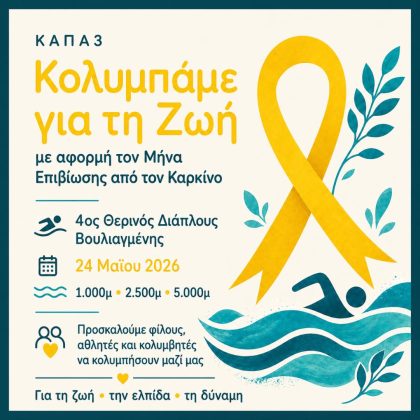
January – Cervical Cancer Awareness Month

January is internationally dedicated to raising awareness about cervical cancer. Known as Cervical Cancer Awareness Month, it aims to highlight the importance of prevention, early detection, and vaccination against the human papillomavirus (HPV), which is responsible for nearly all cases of the disease.

Cervical cancer remains a major public health issue worldwide. According to the World Health Organization, approximately 660,000 new cases are diagnosed globally each year, and more than 350,000 women lose their lives to the disease. It is among the most common cancers affecting women, particularly in regions where access to preventive screening and vaccination is limited. At the same time, it is one of the few cancers that can largely be prevented through organized prevention and early detection programmes.

In Greece, available data indicate that around 700 new cases of cervical cancer are diagnosed annually, while more than 280 deaths are attributed to the disease each year. The estimated incidence is approximately 8 cases per 100,000 women. Although this places Greece close to the European average, it also highlights the need for further improvement in prevention and early diagnosis.

Cervical cancer is closely linked to chronic infection with human papillomavirus (HPV), a very common virus transmitted mainly through sexual contact.

HPV vaccination, combined with regular gynaecological screening through Pap tests and HPV tests, can significantly reduce the development of precancerous lesions and cervical cancer. In this context, the World Health Organization has set the goal of eliminating cervical cancer as a public health problem by 2030, through high vaccination coverage, universal screening, and timely treatment.

January serves as an important reminder that information and prevention save lives. Open discussion around women’s health, free from fear and stigma, empowers women to take care of themselves and to claim prevention as a fundamental right.

Special emphasis should be placed on the systematic education of younger generations, as prevention begins long before any symptoms appear. Access to reliable information, preventive screening services, and vaccination programmes is a key factor in reducing health inequalities and protecting future generations.

At KAPA3, we believe that information and prevention are core pillars of care and empowerment. Through the dissemination of reliable information and the support of initiatives that promote public health, we stand alongside every woman who needs knowledge, prevention, and timely care.

Because cervical cancer can be prevented, we encourage everyone to take action. Give a meaningful gift to the women you care about: daughters, sisters, mothers, friends, partners, spouses. Talk openly about women’s health, share information, support initiatives, challenge taboos, and promote early diagnostic screening.

Information and open dialogue are the strongest tools we have.

Sources:

World Health Organization (WHO)
Cervical cancer – Fact sheet

WHO – Global strategy to accelerate the elimination of cervical cancer

International Agency for Research on Cancer (IARC / WHO)
Cervical Cancer Awareness Month

ICO / IARC HPV Information Centre – Greece Factsheet

Ministry of Health – National Immunization Programme

Hellenic National Public Health Organization (EODY)
HPV and cervical cancer

Text/adaptation: Ifiyenia Anastasiou for Kapa3

Enjoying Life – The New Year’s Message: Small Moments, Big Meaning

As the new year unfolds before us, let’s take a few moments to pause and notice what brings us joy and peace. At Kapa3, we believe that the ability to truly enjoy — to fully experience the small, positive moments of everyday life — can guide us toward a more balanced and meaningful life. Enjoying life is not just a phrase; it is a way of living.

It’s the moment we catch ourselves smiling over a warm drink, the gentle touch of a pet, or an unexpected phone call that brings joy. It’s paying attention to a loved one who needs a little care, a “I love you” or “I’m sorry” given or received. It’s the moment we lift our gaze as we walk and notice the trees, the color of the sky, the changing world around us.

It could also be the taste of a favorite meal, the warmth of a coffee, a book whose pages we’ve lost ourselves in, a new outfit, or a film that moves us at the cinema or at home. Every small experience carries power — reminding us to be present, to appreciate, and to care for ourselves and those around us.

Just like the message behind Kapa3’s good-luck charm of the year, the Crown, the concept of enjoying life reminds us to make room for small acts of care and moments of calm that fill us with strength.

Research shows that conscious attention to small moments of joy and a positive mindset can have a real impact on both physical and mental health. Even brief moments of relaxation, laughter, or calm improve our body’s ability to cope with stress and recover from challenges. This practice benefits not only patients but also caregivers, who need strength and balance to care for others with love and mindfulness.

For patients and caregivers, this approach can make a real difference. Our psychology is deeply affected by small joys: a smile, a warm word, or a moment of care for others or ourselves. Mindful attention to these moments enhances our ability to face challenges and experience peace.

This year, let’s choose to give space to these moments. Let’s take small breaks to feel the present, to breathe, and to focus on what truly matters. Every consciously lived moment, every smile, every act of care strengthens our lives in ways words can barely capture.

At the start of this year, we wish for everyone — patients, caregivers, and friends of Kapa3 — to find the chance to pause for small, positive moments, to enjoy them, and let this conscious joy guide a 2026 full of peace, care, and mindfulness.

Let enjoying life be the voice guiding our year.

Text by: Ifiyenia Anastasiou for Kapa3

MELODIC: Advancing Mental Health Support for Young Adults with Cancer

The MELODIC project, a European programme focused on the mental health of young adults with lived experience of cancer, launched in September 2024 with the aim of strengthening the mental wellbeing of people aged 18–35, as well as their families. Through collaboration among six European countries, MELODIC combines research, educational activities, and the development of future interventions, promoting a more supportive and personalised approach to care.

MELODIC has already delivered significant outcomes, including outputs related to project management, needs assessment, interview-based research, and the training of healthcare professionals, while preparing upcoming intervention actions and communication and policy strategies.

KEY DELIVERABLES – WHAT HAS BEEN COMPLETED SO FAR

WP1 – Project Management & Quality Assurance

Deliverable 1.1 – Project Implementation Manual:
A management and quality monitoring guide defining implementation requirements, organisational structures, and partner roles.

Deliverable 1.2 – Quality Report:
A quality assurance report outlining procedures to ensure clarity, consistency, and timely delivery of project outputs.

WP2 – Needs Assessment

Deliverable 2.1 – Data Management Plan:
Assessment of the mental health and educational needs of young adults and healthcare professionals, in full compliance with data protection requirements.

Deliverable 2.3 – Interview Study Report:
A comprehensive interview-based study involving young adults, family members, and healthcare professionals across six countries, conducted with ethical approval and presenting key findings.

WP3 – Co-design Guide & Training

Deliverable 3.1 – MELODIC Curriculum:
A training programme for healthcare professionals at EQF level 7, focusing on the identification and support of the psychosocial and mental health needs of young adults with cancer. The curriculum includes learning objectives, training materials, assessment methods, and certification.

WHAT’S NEXT – UPCOMING DELIVERABLES AND ACTIONS

WP4 – Intervention Study

Deliverable D4.1 – Ethical Review:
Ethical approval for the intervention study aiming to improve the mental health and wellbeing of young adults with cancer and their families. The intervention will combine physical activity in natural environments with psychoeducation and informational support.

WP5 – Communication & Policy

Deliverable 5.1 – Communication Strategy:
A communication strategy outlining channels, target audiences, and publication plans for the internal and external dissemination of project results.

Deliverable 5.2 – Policy Outreach Strategy:
A policy engagement strategy at European and national level, including policy and stakeholder mapping and three intervention pillars (European, National, and Project-specific). The aim is to integrate MELODIC training into curricula and to enhance the project’s visibility at European level.

OUR PARTICIPATION IN MELODIC

As part of our active involvement, we have contributed to the production of key deliverables, particularly in data collection through interviews and in the development of the training curriculum for healthcare professionals. Our engagement ensures that the voices of young adults with lived experience of cancer and their families are taken into account at every stage of the project.

For more information and full access to MELODIC deliverables, please visit the project’s official website here.

Text/adaptation: Ifiyenia Anastasiou for Kapa3
2025 – Moving Forward with Vision

The Kapa3 Annual Review 2025 reflects a year of determination and vision, as Kapa3 strengthened its impact through initiatives and collaborations focused on holistic cancer care.During the first half of the year alone, we managed more than 400 individual requests, with support for the process of Disability Certification standing out as a key service—confirming that personalized, hands-on support remains at the core of our mission.

A milestone moment in 2025 was Kapa3’s participation, alongside 13 European partners, in the EU4Health programme MELODIC, which focuses on improving mental health support for young adult cancer patients (18–39 years old). Through research mapping the training needs of healthcare professionals, the project highlights the urgent need for better detection and management of psychological distress among young patients—many of whom still lack access to adequate psychosocial care.

MELODIC promotes innovative wellbeing interventions, such as physical activity in green and blue spaces combined with psychosocial support, emphasizing the healing power of nature and community in mental health recovery. As an active partner, Kapa3 works to ensure that these actions reach patients directly, fostering community engagement and equitable access to quality care.

At the same time, our participation in the second cycle of the SmartHEALTH programme, supported by CERTH, strengthened the digital integration of healthcare services and empowered patients through smart technologies, improving efficiency, accessibility, and transparency.

Our collaboration with FairLife within the BREATH programme for lung cancer patients highlighted the importance of holistic and interdisciplinary care. In parallel, our presence at conferences and scientific events—such as COST Action INECSC CA21125 and the 7th conference “Caregivers and Depression”—consistently brought attention to the needs of caregivers and the empowerment of patients.

At both national and international levels, Kapa3 presented its work at the Lazord International Conference, the Pan-Macedonian Scientific Nursing Conference, and the ESMO World Congress in Berlin. We also participated in major events such as the Patients Summit, Morning Health Talks by EIT Health, and the 18th Panhellenic Conference on Nutrition & Dietetics.

A particularly important moment was our action in the Municipality of Megara, where a new Cancer Patient Guidance and Counselling Station was established, offering direct and personalized support to patients and their families.

Prevention and awareness remain fundamental pillars of our work. Breast self-examination initiatives, participation in the Action4Obesity network, presence at the Thessaloniki Disability Festival, and the launch of new nutrition-related sections on our website all contribute to improving the quality of life of patients and caregivers—combining scientific guidance with lived experience.

Awards 2025

In 2025, Kapa3 received significant recognition for the digital platform Cancer Care Connect, winning a Gold Award at the Diversity, Equity & Inclusion Awards, as well as the Gold Award for “NGO of the Year – Health and Social Care at the Hellenic Responsible Business Awards 2025.
In addition, our collaboration with the University of Peloponnese received a Silver Award at the Healthcare Business Awards 2025 for the programme “Community co-design and implementation of holistic educational practices for nutrition and mental health.”

Every initiative, every partnership, and every participation brings us closer to our vision: holistic, human-centred care where the voices of patients and caregivers truly matter.

To explore our full journey from the foundation of Kapa3 through the end of 2025, you can view our comprehensive activity report here.

The Kapa3 Annual Review 2025 reaffirms our commitment to holistic, human-centred care, where the voices of patients and caregivers truly matter.

As we step into the new year, we move forward with enthusiasm, commitment, and optimism—to continue supporting patients and caregivers, investing in innovation and education, and strengthening care and participation across all our actions.

We wish everyone a year filled with health, strength, and inspiration.

The Kapa3 Team

World Braille Day – 4 January

4 January is celebrated internationally as World Braille Day, honoring the life and legacy of Louis Braille, the French inventor of the tactile writing system for people with visual impairment. The day highlights the importance of access to education, information, and social participation for blind and partially sighted individuals. World Braille Day was officially recognized by the UN General Assembly in 2018 and has been observed since 2019.

The date was chosen to coincide with the birth of Louis Braille (4 January 1809). Despite losing his sight at a young age, Braille developed a system of raised dots representing letters, numbers, and symbols, revolutionizing education and communication for blind people worldwide.

Why this day matters

World Braille Day is not just a commemorative event—it reminds us of the importance of equal access to knowledge, education, and basic rights for people with visual impairment. According to the UN, Braille is essential for the full realization of human rights for blind individuals, enabling independence, access to information, and social participation.

Globally, approximately 39 million people are blind and 253 million have moderate to severe visual impairment. In the EU, over 2.5 million citizens live with significant vision problems, while in Greece, more than 35,000 people face severe visual impairments. Access to educational materials in Braille is crucial for their integration and independence.

World Braille Day serves as a global call for awareness, encouraging societies, organizations, and policymakers to promote equality, education, and information accessibility for all.

Rights and accessibility in Greece

In Greece, the rights of people with disabilities, including those with visual impairment, are supported by:

Despite these frameworks, practical implementation—especially in digital spaces—remains a work in progress.

Digital and modern accessibility

Technology has created new opportunities beyond printed materials:

  • Digital Braille services and accessible formats are increasingly available
  • Legal requirements for web and app accessibility in Greece and the EU ensure that digital content is usable for people with disabilities

World Braille Day reminds us that access to knowledge and communication is a fundamental human right. At Kapa3, we support initiatives that promote equality, accessibility, and inclusion, aiming for a world where everyone can fully participate and thrive.

Text/adaptation: Ifiyenia Anastasiou for Kapa3

Kapa3: Participation in the Alliance for Obesity Prevention and the Release of the First National Clinical Practice Guidelines in Greece

The National Obesity Clinical Practice Guidelines mark a historic milestone for public health in Greece.

Kapa3, an active member of the Alliance for Obesity Prevention (#Action4Obesity), continues to consistently promote the message that prevention, education, and support are vital for the health of all citizens. As part of our participation, we were delighted to contribute to the workshop of the Panhellenic Association for the Support of People with Obesity “Imeroesa” on “Obesity and Cancer – From Theory to Practice”, a participation that highlighted the importance of interdisciplinary collaboration and knowledge exchange.

This participation was part of a broader collaboration that led to a historic milestone for the country: the release of the first National Clinical Practice Guidelines for the Management of Obesity in Greece. At the press conference held on Tuesday, November 25, the completion of these guidelines was announced, marking a landmark achievement for Greece.

The National Clinical Practice Guidelines for the Management of Obesity establish, for the first time, a unified, scientifically evidence-based framework for the prevention, assessment, and therapeutic management of obesity, clearly recognizing it as a chronic disease. This is a project of great significance for society, citizens, and the healthcare system, as it provides critical guidance for addressing a condition that affects a large proportion of the population.

The development of the guidelines took 20 months and involved over 50 experts from 20 different specialties. The project includes 21 chapters, available on the Alliance for Obesity Prevention website, covering the full spectrum of prevention, management, and treatment of the condition. The guidelines provide data on the prevalence of obesity in Greece (almost 70% of the adult population overweight or obese) and internationally, as well as on the impact on healthcare costs, productivity, and mortality.

Alongside the scientific and clinical aspects, the new guidelines highlight the need for social awareness. Obesity is not a matter of personal weakness; individuals living with excess weight often face stigma, discrimination, and social exclusion, affecting their mental health, access to care, and quality of life. The adoption of the National Clinical Practice Guidelines signals not only the recognition of obesity as a disease, but also a clear commitment to respect, equal treatment, and the elimination of all forms of weight-based stigma, promoting a society that is more informed, fair, and supportive for all.

The Alliance for Obesity Prevention now emerges as a key actor in public health, while the active participation of Kapa3 reaffirms our commitment to inform, raise awareness, and support patients, reinforcing the shared vision of a society that values health, prevention, and timely intervention.

Text/adaptation: Ifiyenia Anastasiou for Kapa3