
World AIDS Day — December 1

World AIDS Day is a powerful reminder that the fight against HIV/AIDS is far from over. Despite remarkable progress in recent decades, millions of people worldwide are still living with the virus. At the same time, inequalities in access to prevention, diagnosis and treatment continue to cost lives.

Established in 1988 as the first international health-related awareness day, World AIDS Day has since served as a global call for informed action, early diagnosis, destigmatization and equitable care.

What We Know Today About HIV/AIDS

According to recent UNAIDS data, more than 39 million people are living with HIV globally — and thanks to modern treatments, they can live full and healthy lives.

The science is encouraging. Antiretroviral therapy (ART/ARVs) allows people on treatment to reach undetectable viral loads, which means they cannot transmit the virus (“Undetectable = Untransmittable”).

Yet despite this progress, new infections still occur — mainly in communities facing social exclusion, economic hardship, or limited access to healthcare services. At the same time, lack of information and persistent stigma remain major barriers that delay testing and treatment.

HIV & Cancer: An Important Connection

The link between HIV and several forms of cancer isn’t widely known, yet it is significant:

  • People living with HIV have a higher risk of cervical cancer due to the more persistent presence of HPV.
  • Increased risk is also observed for non-Hodgkin lymphoma, Kaposi sarcoma and several cancers associated with chronic viral infections.
  • Early diagnosis, continuous treatment and regular screening significantly reduce these risks.

At Kapa3, we have published articles on the importance of screening and patient empowerment, which you can find here: Article1, Article2, Article3, Article4, Article5.

The Situation in Greece

Greece has made important progress in recent years, thanks to the operation of Checkpoints, the support of NGOs and prevention structures, the spread of PrEP, and improved access to treatment.

In 2024, Greece recorded a small decrease (4%) in new HIV diagnoses compared to 2023, according to the Hellenic National Public Health Organization (EODY). However, underdiagnosis remains a real concern. Many people avoid timely testing due to stigma and fear of discrimination.

Prevention: What Each of Us Can Do

  • Testing: a simple test can save lives.
  • Condom use & comprehensive sexual education.
  • PrEP & PEP: modern and effective prevention tools.
  • Eliminating stigma: information and open dialogue remain our strongest forms of protection.
  • Supporting facilities that provide access to prevention, diagnosis and treatment.
A Human Rights Issue

At Kapa3, we believe World AIDS Day concerns all of us. Access to healthcare is a fundamental right. No one should be afraid to get tested, speak openly or seek support.

According to International Human Rights Law, discrimination based on HIV status, sexual orientation, gender identity or expression, health status (including substance use), or sex work constitutes a violation of human rights.

World AIDS Day reminds us that knowledge, prevention and solidarity save lives — and that a world without new HIV infections is possible.

Sources

  • UNAIDS
  • HIV.gov
  • AIDS Healthcare Foundation
  • EODY (Hellenic National Public Health Organization)

Text/Adaptation: Ifiyenia Anastasiou for Kapa3
Continuing the Journey: Holistic Body and Mind Care with Kapa3 and the University of the Peloponnese

After the first round of meetings held in April (see the related article here), focusing on Nutritional Guidance and Experiential Psychological Support, Kapa3 and the University of the Peloponnese continue their collaboration with a new series of experiential workshops dedicated to the holistic care of body and mind.

The meetings are open to people living with cancer, caregivers, and healthcare professionals — to anyone seeking a space for genuine communication, understanding, and empowerment.

In this new cycle, mental health and nutrition are approached as two sides of the same care.

In the mental health sessions, participants learn to recognize and manage challenging emotions such as anxiety or fear, strengthen their resilience, and cultivate a deeper connection with themselves and others.

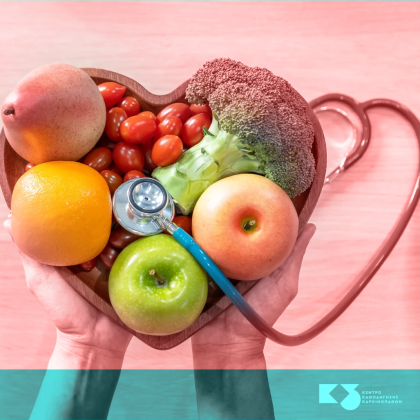
At the same time, the nutrition sessions explore how balanced and mindful eating can support the body, enhance energy and mood, and become an act of self-care and self-respect. Food is not only a necessity but also a way to show love — to the body, the soul, and to life itself.

The meetings are held online and are based on dialogue, experiential learning, and the sharing of personal experiences. Everyone participates at their own pace, in a warm environment of acceptance and trust.

To express your interest: Registration Form for the Support Group for People with Cancer

Text/adaptation: Ifiyenia for Kapa3

Understanding Breast Cancer Risk Factors: What You Can and Can’t Change

October is Breast Cancer Awareness Month — a time to raise awareness, share knowledge, and remind ourselves of the importance of early detection and prevention. One of the most common questions people ask is: “What can I do to lower my risk of breast cancer?”

The truth is that while doctors don’t know exactly what causes breast cancer, research has identified certain factors that increase the likelihood of developing the disease. Some of these are beyond our control, while others are linked to lifestyle choices and can be modified. By learning the difference, we empower ourselves to take the best possible care of our health.

Unchangeable Risk Factors

Some risk factors cannot be avoided. These include:

  • Sex: Being female or assigned female at birth is the biggest risk factor.
  • Age: Risk increases with age; two out of three invasive breast cancers occur in women 55 or older.
  • Family History and Genetics: A family history of breast cancer or inherited genetic mutations (such as BRCA1/2) increases risk.
  • Personal History: Women previously diagnosed with breast cancer are more likely to develop it again.
  • Past Radiation: Radiation to the chest or face before age 30 raises risk.
  • Certain Breast Conditions: Some non-cancerous breast changes are linked to higher risk.

Lifestyle-Related Risk Factors

Our daily habits and choices also play a significant role:

  • Weight: Being overweight, especially after menopause, increases risk.
  • Physical Activity: Lack of regular exercise is linked to higher risk.
  • Smoking and Alcohol: Both are associated with increased breast cancer risk.
  • Hormonal Factors: Use of hormone replacement therapy (HRT) or hormonal contraception may raise risk in some women.
  • Reproductive History: Age at first childbirth, number of pregnancies, and breastfeeding history all influence risk.
  • Menstrual History: Early onset of menstruation is associated with slightly higher risk.

Emerging Risk Factors

Research is ongoing, but some additional factors are being studied, such as:

  • Low vitamin D levels.
  • Night-shift work and exposure to bright light at night.
  • Exposure to chemicals (in food, plastics, cosmetics, sunscreens, pesticides, pollution).
  • Frequent consumption of grilled or smoked meats.
  • High levels of air pollution.

Myths and Misconceptions

It’s equally important to clear up what does not increase risk. Research shows no evidence that abortion, antiperspirants, bras, or dairy products cause breast cancer.

We may not be able to control every risk factor, but every small step toward a healthier lifestyle truly makes a difference. Exercise, balanced nutrition, limiting alcohol, and avoiding smoking are not just prevention measures — they’re acts of daily self-care.
At Kapa3, we believe that awareness and support save lives. No one is ever alone on this journey. We promise to continue to speak openly, share knowledge, and stand beside every woman. Because awareness is not about fear; it’s about strength, hope, and small steps toward a healthier tomorrow.

Read More here: https://www.breastcancer.org/risk/risk-factors

Text/Adaptation: Ifiyenia for Kapa3

October 17 – International Day for the Eradication of Poverty

October 17 has been established by the United Nations as the International Day for the Eradication of Poverty, a day dedicated to raising awareness and taking action against a phenomenon that continues to affect millions of people worldwide. The observance began in 1987, when thousands of citizens gathered in Paris to honor the victims of extreme poverty and advocate for a more just and equitable future for all.

Poverty is not only about lack of income—it affects access to education, healthcare, housing, employment, and mental well-being. For people living with serious or chronic illnesses, such as cancer, financial insecurity further complicates daily life, limiting access to treatments, medications, and supportive services.

According to the latest Hellenic Statistical Authority data (Income and Living Conditions Survey 2024), 26.9% of Greece’s population—approximately 2.74 million people—is at risk of poverty or social exclusion, an increase compared to the previous year. Greece ranks second in the EU after Bulgaria, highlighting the difficulty households face in coping with inflation, the energy crisis, and limited social protection.

Globally, according to the United Nations World Social Report 2025, over 690 million people live in extreme poverty (less than $2.15 per day), while 1.1 billion experience multidimensional poverty, lacking access to healthcare, education, and a decent standard of living. Social and economic crises, combined with climate change, disproportionately impact vulnerable households, increasing inequalities and reducing opportunities for stable recovery.

The International Day for the Eradication of Poverty also emphasizes the role of communities and decision-makers in creating inclusive systems. Addressing social determinants of health, ensuring access to essential services, and empowering vulnerable groups are critical to reducing inequalities and improving quality of life. By working together—health professionals, social organizations, and civil society—we can create a world where those facing illness are not further burdened by poverty.

At Kapa3, we firmly believe that access to quality healthcare and decent living conditions are fundamental human rights. Poverty and health are interconnected—the one can easily amplify or worsen the other. Through awareness, empowerment, and social support initiatives, we strive to contribute to a society where no one is deprived of the care they deserve, regardless of income. 

Read more: https://www.un.org/en/observances/day-for-eradicating-poverty

https://www.statistics.gr/documents/20181/3d7d2251-2302-9023-5280-a1d962c3a7a5

Kapa3 participation in the MELODIC consortium meeting in Lisbon

We are delighted to announce that Kapa3 had the opportunity to take part in the recent MELODIC consortium meeting, which was held in Lisbon. Although our participation was online, it was in real time, and our team contributed actively to the discussions, which focused on the development of the training program for healthcare professionals and the design of the intervention study, both aiming to support the mental health of young adults living with cancer.

The MELODIC project, funded by the EU4HEALTH program with a total budget of €1.8 million, addresses a critical yet often overlooked issue: the mental health of young adults aged 18–35 living with cancer.

During the meeting, partners exchanged experiences and findings from European research and interviews with healthcare professionals, families, and young adults with cancer. These insights strengthened collaboration and the formulation of strategies for timely psychosocial support.

Next spring, the project will launch the intervention phase, focusing on social prescribing and the use of green and blue spaces—harnessing the power of nature and community to promote well-being.

Kapa3 continues to work closely with its European partners to ensure a meaningful impact on the lives of young adults facing cancer.

Read more on the Melodic project here