
Continuing the Journey: Online Group Sessions for Mental Health and Nutrition – Third Cycle with Kapa3 and the LB.H.Sc

Following the warm response to the second cycle of meetings (see the related article here ), focusing on Nutritional Guidance and Experiential Psychological Support, Kapa3 and the Laboratory of Basic Health Sciences (LB.H.Sc), Department of Nursing University of Peloponnese are delighted to continue their collaboration with a third series of online group sessions for mental health and nutrition, dedicated to the holistic care of body and mind, designed for people living with cancer and their caregivers.

In this third cycle, mental health and nutrition are approached as two complementary sides of the same care.

The mental health sessions help participants recognize and manage challenging emotions such as anxiety, fear, sadness, or guilt, strengthen resilience, and cultivate a deeper connection with themselves and others.

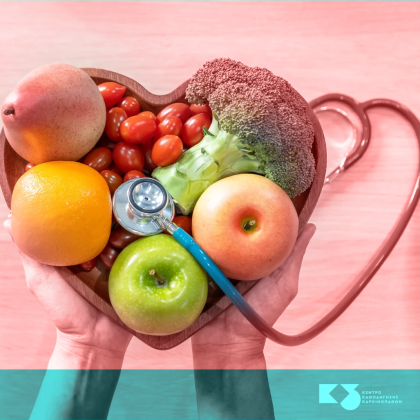
The nutrition sessions explore how mindful and balanced eating can support the body, improve energy and mood, and become a meaningful act of self-care. Food is not only a necessity but also a way to nurture the body, mind, and spirit.

Program of Online Sessions for Mental Health and Nutrition & Themes

  • Saturday, February 28, 2026, 17:30–19:00
    Myths and truths about “anti-cancer” diets. How to evaluate nutritional information and avoid risky practices.

  • Saturday, March 14, 2026, 17:30–19:00
    Stress and uncertainty: practical ways to manage them during treatments and exams.

  • Saturday, March 21, 2026, 17:30–19:00
    Giving space to emotions without being overwhelmed: recognizing and expressing fear, anger, sadness, and guilt.

  • Saturday, March 28, 2026, 17:30–19:00
    Nutritional support during treatment & the role of cachexia.

  • Saturday, April 25, 2026, 17:30–19:00
    Boundaries without guilt: protecting energy and mental resilience.

  • Saturday, May 9, 2026, 17:30–19:00
    Safe cooking practices & kitchen hygiene.

  • Saturday, May 23, 2026, 17:30–19:00
    Family and illness: changes in relationships and ways to support each other.

  • Saturday, June 6, 2026, 17:30–19:00
    The Tree of Life: who I am beyond the illness.

  • Saturday, June 13, 2026, 17:30–19:00
    What gives meaning to life now: discovering small but meaningful elements that sustain us.

Format & Participation

The meetings are held online, based on dialogue, experiential learning, and the sharing of personal experiences. Everyone participates at their own pace, in a warm environment of acceptance and trust. Consistent attendance helps build safety and confidence within the group.

To express your interest or join the first session of the third cycle (Saturday, February 28, 17:30–19:00): [Registration Link]

Text/adaptation: Ifiyenia Anastasiou for Kapa3

Cancer: From Prevention to Life Coordination – Successful Knowledge Seminar in Megara with Kapa3

With great success and participation from citizens of all ages, the Knowledge Seminar in Megara – From Prevention to Life Coordination took place on Sunday, February 8, in the Council Chamber of the Megara City Hall, in celebration of World Cancer Day.

The event was organized by the Municipality of Megara in collaboration with the Kapa3 Cancer Guidance Center, which since 2020 provides guidance and support to oncology patients and their families, ensuring access to vital information and services.

The seminar opened with a speech by the Mayor of Megara, Panagiotis Margetis, who shared his family’s personal experience with cancer, emphasizing the importance of accurate information and support throughout the patient journey. Stamatis Georgakis, Deputy Mayor for Public Health and Social Protection, coordinated the seminar and highlighted the value of Kapa3 and its Guidance Station in informing, supporting, and advocating for patients’ rights.

Distinguished experts participated in the seminar, presenting key aspects of holistic cancer care:

  • Georgios Nintos, MD MSc, Oncologist: Prevention and early diagnosis, causes, and preventive measures.

  • Katerina Papakonstantinou, MD MSc PhD, Obstetrician-Gynecologist: Gynecologic cancer, importance of HPV vaccination and Pap test.

  • Andrea Paola Rochas, Assistant Professor of Biology, University of Peloponnese Nursing Department: Nutrition and cancer prevention, emphasizing the Mediterranean diet, exercise, and avoidance of processed foods.

  • Maria Lavdaniti, Professor and Head of Nursing Department, International University: Role of oncology nurses in holistic care.

  • Pinelopi Vlotinou, Assistant Professor of Occupational Therapy, University of West Attica: Daily living support and quality-of-life improvement through occupational therapy.

  • Ioanna Sideri, Psychologist MSc, PhD(c), University of Peloponnese: Psychological support for patients and caregivers, resilience, and crisis management.

  • Grigoria Zacharogianni, MD MSc PhD, Radiation Oncologist: Modern treatment options and importance of moderate exercise during therapy.

The presentation of Kapa3 was delivered by Evangelia Bista, Co-founder and Head of Strategic Partnerships, highlighting the importance of digital literacy and a holistic approach to patient care. Kapa3 has expanded its oncology support network by inaugurating the Cancer Guidance Station in Megara, with the significant support of Megara Resins. In its first year, the station has assisted over 100 beneficiaries, offering guidance on social rights, patient file management, and psychological support, free of charge.

For 2026, Kapa3 is strengthening its digital services with Myrto, Greece’s first AI-powered Health Digital Assistant, providing personalized guidance and voice control. Planned initiatives also include: Wellness in Motion, with 12 outdoor walks for mental wellbeing of young adult cancer patients, the Cancer Wellness Open House Day, and a conference on equitable access to care.

The Knowledge Seminar in Megara – From Prevention to Life Coordination highlighted the importance of prevention, holistic care, interdisciplinary collaboration, digital literacy, psychological support, and continuous patient rights education.

Kapa3 warmly thanks the Municipality of Megara for hosting and supporting the event, as well as all speakers, for their invaluable expertise and commitment to sharing knowledge and scientific know-how.

Explore the photo gallery here:

The Press Release document here

KAPA3 at the 18th Panhellenic Congress of Nutrition & Dietetics

The 18th Panhellenic Congress of Nutrition & Dietetics took place at the Athens Concert Hall from 4–6 December 2025, bringing together scientists and professionals to discuss the latest developments in nutrition under the central theme “Bridging Research and Practice.”

The Congress covered topics ranging from alternative proteins to eating disorders, through lectures, workshops, and roundtable discussions.

During the session “Co-Creating Health: Participatory Research with Cancer Patients on Nutrition and Mental Resilience”, held on Friday, 5 December in Hall MC3, participants included Andrea Paola Rojas Gil, Associate Professor of Biology – Biochemistry and Director of the Laboratory of Basic Health Sciences at the University of Peloponnese, a close KAPA3 collaborator in the field of nutrition, with the topic “Nutrition as a Tool to Support Treatment and Wellbeing: Comparison of Co-Design Programs for Oncology Patients in Greece and Colombia”; Evagelia Bista on behalf of KAPA3 with “Nutrition as a Social Determinant of Health: Inequalities, Education, Environment and Policies”; and Ioanna Sideri with “Mental Health and Strategies for Empowerment and Resilience”.

Nutrition as a Social Determinant of Health

Evagelia Bista emphasized that nutrition is not merely a personal choice but one of the most critical social determinants of health, directly affecting the prevention, progression, and quality of life of oncology patients. Nearly half of people worldwide lack access to healthy food, and socio-economic inequalities determine who can follow a nutritious diet. Greece is no exception: the economic crisis, the high cost of healthy foods, and the turn towards cheap, highly processed options have worsened the situation.

Key points highlighted in the presentation included:

  • Income, education level, and food availability determine dietary quality, with low-income households experiencing higher rates of obesity and chronic diseases.

  • A shift from the Mediterranean diet towards Western-style options due to economic and social factors.

  • A double burden for vulnerable populations: undernutrition and obesity coexist, particularly affecting those facing food insecurity.

  • Impacts on oncology patients: adequate nutrition is crucial for treatment tolerance, recovery, and quality of life, yet many patients face financial and treatment-related barriers.

Ms. Bista presented KAPA3’s actions with a focus on nutritional support and the participatory approach applied in online Experiential Sessions, conducted in collaboration with the University of Peloponnese. These sessions continue a series dedicated to holistic care for body and mind, emphasizing both nutrition and mental health for oncology patients and their caregivers.

KAPA3 underlines that nutrition cannot be seen as an individual behavior alone but as the result of social, economic, and environmental factors. Reducing inequalities and ensuring access to healthy food for all is essential for better health outcomes, especially in oncology care.

Text/Adaptation: Ifiyenia Anastasiou for Kapa3

World Pancreatic Cancer Day – 13 November

Every November, World Pancreatic Cancer Day reminds us that behind every statistic there is a life—a life often challenged by one of the most silent yet aggressive forms of cancer.

According to the latest data from the World Health Organization and GLOBOCAN 2022, pancreatic cancer accounts for over 510,000 new cases and 467,000 deaths every year globally.
In Greece, the disease now ranks among the top five cancers in women and the top seven in men, with incidence steadily increasing in recent decades.

Early detection remains a major challenge, as symptoms—such as persistent abdominal or back pain, unexplained weight loss, or jaundice—often emerge only in advanced stages. Yet prevention can make a difference: avoiding smoking, maintaining a healthy weight, eating a balanced diet, and having regular medical check‑ups are all key steps in protecting pancreatic health.

The disease may also present with digestive changes or the sudden onset of diabetes without obvious cause—signals that warrant prompt attention.

Today is not just about raising awareness—it’s also about supporting patients and their families. With more knowledge, open communication with doctors, and access to specialized care, we can make a difference.

At KAPA3, we join the global community to emphasise that every story matters, and that prevention and early diagnosis can save lives.

Sources:

Text/adaptation: Ifiyenia Anastasiou for KAPA3