Telehealth Palliative Care Provides the Same Benefits as In-person Care

A recent study found that video-based telehealth palliative care produced results similar to in-person palliative care for patients with advanced non-small cell lung cancer and their caregivers. The study, presented at the 2024 American Society of Clinical Oncology (ASCO) Annual Meeting in June, found that quality-of-life scores were virtually the same for telehealth and in-person palliative care.

Barriers Impacting Access to Palliative Care

According to Lindsey Ulin, a palliative care fellow at Massachusetts General Hospital and Dana-Farber Cancer Institute in Boston, who was not involved in the study, palliative care is focused on providing supportive care to people living with cancer and other serious illnesses. Palliative care physicians help manage symptoms and side effects like pain, fatigue and nausea.

According to a 2019 analysis in Quality of Life Research, patients with advanced non-small cell lung cancer and family members or friends who care for them often face physical, emotional and financial challenges that may impact their mental health and overall quality of life. And a 2024 article in American Society of Clinical Oncology Educational Book argued that early integration of palliative care alongside cancer treatment can improve patients’ quality of life.

However, both Greer and Ulin say many barriers limit access to this care for advanced-stage patients and their caregivers. Common roadblocks include hospitals and clinics not offering palliative care, the misconception that palliative care is only for people at the end of life, transportation issues and the cost of care.

“The hope is that telehealth palliative care reduces these burdens for the patient and the caregiver,” Greer says.

Telehealth Palliative Care Study Shows Promising Results

Greer’s study involved 1,250 patients with advanced non-small cell lung cancer and their caregivers. His research team randomly assigned participants to telehealth or in-person early palliative care across 22 cancer centers in the United States.

Participants attended palliative care appointments every four weeks throughout their cancer treatment. At the week 24 assessments, quality-of-life scores were similar for telehealth (99.67) and in-person palliative care (97.67) based on the Functional Assessment of Cancer Therapy-Lung (FACT-L).

Researchers found there wasn’t a significant difference in patient-reported symptoms, such as anxiety and depression, between the groups. “These are fairly standard measures when looking at the effects of palliative care,” Greer says. “We look at these because we’ve found that palliative care clinicians can help patients improve their quality of life, as well as their symptoms of anxiety.”

One difference that study data revealed was less caregiver involvement (36.6%) in virtual palliative care than in-person care (49.7%). “We had hypothesized that, given how convenient telehealth is, it would be easier for caregivers to participate,” Greer says. “We realized that telehealth gives patients more autonomy to decide when to have a caregiver present. But with in-person care, the patient often needs a loved one to help them get to the clinic.”

“In palliative care, we think about the person living with cancer and their caregiver together as a unit,” Ulin says. “Palliative care is an extra layer of support, helping caregivers cope, communicate with other providers, understand a cancer diagnosis and treatment options, and provide resources.”

See more
https://www.cancertodaymag.org/cancer-talk/telehealth-palliative-care-provides-the-same-benefits-as-in-person-care/

Transforming Healthcare: The Power of Timely Information and Exercise in Underserved Communities

In today’s rapidly evolving world, having the right information at the right moment can determine success or failure, health or illness. As professionals, we recognize the critical impact of timely information, especially in health and wellness. It’s imperative to leverage this knowledge and take decisive action, particularly to support underserved communities.

Access to Healthcare: An Ongoing Challenge

Despite technological advancements, timely access to healthcare information remains a significant challenge in America. Disparities in healthcare access lead to varying health outcomes across different populations. Underserved communities often face systemic barriers that hinder their ability to receive prompt and adequate healthcare.

The consequences are evident: delays in health screenings, diagnostics, and treatments exacerbate conditions that could be manageable or preventable. This results in higher rates of chronic diseases like diabetes and hypertension among marginalized groups. The American Heart Association reports that African Americans are nearly twice as likely to have diabetes compared to non-Hispanic whites. These delays perpetuate cycles of poor health and reduced quality of life.

Exercise is Medicine: A Call to Action

The CDC’s extensive research underscores the benefits of regular physical activity. Our task is to ensure that underserved communities can access and utilize this powerful tool. The focus is on making fitness accessible to everyone, regardless of their circumstances.

Healthcare providers, fitness professionals, and community leaders must disseminate accurate and actionable information about exercise, empowering individuals to make healthier choices. It’s about promoting physical activity and breaking down barriers to make fitness accessible to all.

A Successful Example: HEALTHEFIT DWF in Covington, GA

HEALTHEFIT DWF in Covington, GA, exemplifies how integrating Exercise is Medicine (EIM) and Remote Therapeutic Monitoring (RTM) can revolutionize healthcare delivery in underserved communities. As a trusted advisor from its inception, I have seen firsthand how their innovative Medical Fitness Therapy program significantly enhances patient care.

Patients at HEALTHEFIT DWF benefit from real-time updates and personalized recommendations delivered via advanced digital platforms. This seamless integration of technology into healthcare management allows for easier chronic condition management and better adherence to treatment plans.

The success of HEALTHEFIT DWF is built on several key elements, including:

  • Integration of Cutting-Edge Technologies – HEALTHEFIT DWF uses advanced digital health solutions for continuous patient monitoring. These platforms collect and analyze data on vital signs, physical activity, and other health indicators, enabling prompt responses to emerging health issues.
  • Personalized Health Plans – Patients receive tailored health plans with specific exercise regimens, dietary recommendations, and lifestyle modifications, continuously updated based on real-time data and progress to meet their unique health needs and goals.
  • Enhanced Patient Engagement – Digital platforms have improved patient engagement by providing access to health data and facilitating easy communication with healthcare providers. This transparency fosters ownership and active participation in treatment plans.
  • Community Outreach and Education – HEALTHEFIT DWF emphasizes community outreach and education through regular workshops and seminars on exercise and healthy living, empowering individuals to take proactive steps towards better health.
  • Collaboration with Healthcare Professionals – The success of HEALTHEFIT DWF stems from collaboration between fitness professionals and healthcare providers, ensuring comprehensive care that addresses both medical and fitness needs, enhancing overall treatment effectiveness.
  • Measurable Health Outcomes – HEALTHEFIT DWF’s approach has led to measurable improvements in managing chronic conditions such as diabetes, hypertension, and obesity. Timely health information and personalized care plans have resulted in better health outcomes and quality of life.

Conclusion: Information and Exercise as Catalysts for Change

The challenges in healthcare access underscore the transformative power of timely information and the promotion of exercise as medicine. Whether delivering health advice or emphasizing the benefits of physical activity, receiving the right information at the right time is crucial for individual and collective well-being.

The example of HEALTHEFIT DWF in Covington, GA, illustrates how integrating EIM and RTM can revolutionize healthcare delivery, particularly in underserved communities. Their proactive approach, leveraging cutting-edge technology and personalized care, has led to significant health improvements for their patients. This model provides valuable insights and a blueprint for future healthcare initiatives aiming to bridge the gap in healthcare access and outcomes.

As we reflect on our progress and future goals, let us commit to ensuring that everyone has access to the information they need for a healthy and fulfilling life. By prioritizing timely and equitable access to healthcare information—especially regarding exercise as medicine and RTM—we can advance toward a healthier and more just society.

This is our call to duty. Let’s remain vigilant in our pursuit of timely information and accessible exercise opportunities, understanding that these are not just conveniences but fundamental rights that can unlock freedom, health, and opportunity for all.

References:

  • American Heart Association. “African Americans & Cardiovascular Diseases.” Retrieved from heart.org.
  • Centers for Disease Control and Prevention. “Physical Activity and Health.” Retrieved from cdc.gov.

David Rachal III, MBA, EIM-C, MFP-C, is a Medical Fitness Practitioner with decades of experience in chronic disease management and preventive solutions. David is dedicated to integrating digital health solutions into traditional healthcare practices to enhance patient outcomes and promote a healthier lifestyle. He has been instrumental in the start-up phases of DWF Wellness in Covington, GA, and continues to serve as a trusted advisor.

read more :

Transforming Healthcare: The Power of Timely Information and Exercise in Underserved Communities

It’s never been more important to focus on cancer prevention

With an ageing population, cancer cases predicted to increase from 17 million to 30 million by 2040 and rising levels of overweight and obesity, it’s never been more important to focus on cancer prevention. Over 40% of cancers could be prevented if we all lived healthy lifestyles, including maintaining a healthy weight, being physically active and eating a healthy diet.

But what does this mean in practice? Every day we’re bombarded with information about what’s healthy and what isn’t. It can be confusing and seem contradictory: what’s missing is the context – how do all the disparate pieces fit together to make a coherent picture?

That’s where our Global Cancer Update Programme, formerly known as the Continuous Update Project, comes in. This huge undertaking pulls the puzzle pieces together to show how what we eat, what we weigh and how active we are all affect our risk of cancer. The Expert Paneloverseeing the process then use that information to develop Recommendations for Cancer Prevention.

A while back I wrote about how this work was moving into a new and exciting phase of development. This new phase has now started and the programme has changed in a number of ways. It’s more:

  • targeted – looking at specific research questions such as early life exposures and their impact on cancer risk later in life.
  • collaborative – to increase the reach and scope of the work a number of collaborations with leading international research groups will take place that focus on specific areas such as dietary patterns and the life course.
  • efficient – we are shifting from reviewing all risk factors for every cancer to systematically scanning the evidence to identify which topics are likely to be the most fruitful areas of detailed study. Integrating more automation into the review process will be central to this.
  • inclusive – in addition to looking at cancer prevention, the work will expand to encompass cancer survivors. With improved diagnosis and treatment the good news is that there is a growing population of people living with and beyond cancer. The Global Cancer Update Programme will help us to understand how diet, nutrition and physical activity can improve long-term health and prolong survival after a cancer diagnosis.

There are four major themes to the work:

1. Cancer incidence

Looking at how a wide range of factors relating to diet, nutrition and physical activity as well as patterns of diet and lifestyle can affect cancer risk – either through decreasing risk or increasing it.

2. Cancer survivors

Focusing on the impact of diet, nutrition and physical activity on long-term health (cancer and non-cancer related morbidity, mortality and quality of life) after a cancer diagnosis. As part of this, we will look to determine for the first time the impact of diet, nutrition and physical activity on childhood cancer survivors.

3. Cancer mechanisms

Understanding the biological processes that underpin the links between diet, nutrition and physical activity and cancer.

4. Obesity

Ensuring previous work in relation to overweight and obesity remains up to date, given its critical role in increasing the risk of many cancer types. In addition, we will explore whether more specific guidance can be made for preventing obesity in adulthood and early life.

This comprehensive programme of work will allow us to look more deeply at how diet, nutrition and physical activity affect cancer risk and survival. In the next few years, the Global Cancer Update Programme will enable a more sophisticated understanding, with a more personalised approach to cancer prevention and survival than ever before.

Find out more about our Global Cancer Update Programme

What Is a Cancer Vaccine?

When you hear the word “vaccine,” you might think of your annual flu shot or COVID booster, but did you know that some vaccines can treat—or even prevent—cancer?

But before we get there, let’s start with the basics—what is a vaccine? How does it protect you from disease?

A vaccine at its core delivers something associated with disease, such as a protein, into your body, which trains your immune system to recognize and react to the disease later on.

Think of it as training a dog on a specific scent.

Flu vaccines, for example, deliver pieces of a protein from the flu virus. Your immune system sees the protein, recognizes that it doesn’t belong in your body, mounts an immune response against it, and stores this information in its “memory.”

Now that your immune system has been trained to respond to this flu protein, it will be ready to attack if you later are infected with the flu, allowing it to rapidly get rid of the virus before it has a chance to make you sick.

CAN VACCINES PREVENT CANCER?

Yes! Several vaccines protect against human papillomavirus (HPV), the most common cause of cervical cancer and a major cause of anal, oral, throat, and genital cancers. By preventing HPV infection, these vaccines also prevent the cancer-causing changes induced by HPV.

The first HPV vaccine was approved by the U.S. Food and Drug Administration (FDA) in 2006, and since that time, the rate of cervical cancers has dropped significantly among people who were vaccinated as adolescents.

The Center for Disease Control (CDC) recommends HPV vaccines for all adolescents (boys and girls) beginning at age 11 or 12 and up to age 26 for those who didn’t receive them earlier. Some people might be eligible for the vaccine after age 26 as well.

HOW DO VACCINES TREAT CANCER?

The vaccines we’ve discussed so far are preventive vaccines—they help people avoid a particular disease. Other vaccines, known as therapeutic vaccines, are instead used to treat patients already diagnosed.

Therapeutic vaccines for cancer work in the same way as preventive vaccines: biological material is injected into the patient, where it trains the immune system to find and attack disease, cancer in this case.

To date, only one targeted therapeutic cancer vaccine has been approved by the FDA, but researchers have continued to develop and test different types of cancer vaccines, with many of these showing recent promise against hard-to-treat cancers.

Unlike vaccines that target viruses, therapeutic vaccines for cancer train the immune system to attack the patient’s own cells, rather than an invading virus. Researchers, therefore, have to find ways to direct the immune response to cancer cells to avoid damaging healthy tissue.

To minimize effects on normal, noncancerous cells, therapeutic cancer vaccines train the immune system to recognize proteins that are either absent from normal cells or found at significantly lower levels on normal cells. Vaccines expose immune cells to these proteins in various ways, based on the type of vaccine.

PROTEIN-BASED VACCINES

Sipuleucel-T (Provenge), the sole FDA-approved therapeutic vaccine for cancer, was greenlit in 2010 for prostate cancer. It works by delivering small pieces of a protein found at high levels in prostate cancers. When the patient’s immune cells encounter the delivered protein, they become more likely to attack prostate cancer cells.

Multiple protein-based vaccines delivering other target proteins are under investigation for a variety of cancer types, including head and neck, lung, pancreatic, brain, and colorectal cancers, among others.

While protein-based cancer vaccines can be highly effective and well tolerated, they are expensive, time-consuming, and oftentimes difficult to develop.

RNA-BASED VACCINES

Another category of cancer vaccines uses messenger RNA (mRNA)—the same design used to develop the first COVID-19 vaccines. Instead of delivering the target protein, these vaccines provide cells with the genetic instructions (in the form of mRNA) to make the protein, which, in turn, stimulates the immune system to seek out and attack cancer.

mRNA-based vaccines can be produced much more rapidly than protein-based vaccines, but delivering the mRNA and preventing bothersome side effects can be a challenge.

mRNA-based vaccines are being tested to treat a myriad of cancer types, with recent success against advanced skin and pancreatic cancers. Many of these vaccines are custom-made for each patient—a level of personalization made possible by the mRNA platform, which allows custom vaccines to be produced quickly and without major delays in treatment.

DNA-BASED VACCINES

Like RNA-based vaccines, DNA-based vaccines deliver instructions to make the target protein, but they provide the instructions as DNA rather than mRNA.

DNA-based vaccines have many of the same benefits as RNA-based vaccines, including the inexpensive and rapid production. DNA-based vaccines, however, may cause autoimmune reactions or impact the patient’s own DNA. Further, administering DNA-based vaccines requires unconventional methods, and once administered, DNA still has to make its way into a specific compartment of the cell to function.

Despite these challenges, DNA-based vaccines have shown clinical promise against various solid tumors, such as cervical cancer, breast cancer, glioblastoma, and others.

VIRAL- AND BACTERIAL-BASED IMMUNE STIMULANTS

While not quite cancer vaccines, a related category of cancer therapy exploits the innate ability of viruses and bacteria to stimulate the immune response. The bacterial strain Bacillus Calmette-Guérin (BCG), for example, was originally developed as a preventive vaccine for tuberculosis but is now also used to treat bladder cancer. When BCG is administered into a patient’s bladder, it triggers an immune response within the organ that helps kill cancer cells.

Researchers are also using modified viruses that preferentially infect and kill cancer cells to release immune-stimulating molecules from cancer cells, with one such therapy approved to treat certain melanomas.

NEW DIRECTIONS IN VACCINE RESEARCH

Researchers continue to explore innovative strategies to improve therapeutic cancer vaccines, combining them with other immunotherapy drugs, using new technologies to identify and test novel designs, and developing faster ways to produce vaccines.

To learn about anticipated progress in the field of cancer vaccines, check out our interview with cancer vaccine expert Catherine J. Wu, MD, FAACR.

Read more

What Is a Cancer Vaccine? 

Kapa3 – Social Message for Public Awareness and Education on Cancer

The Kapa3’s social message for public awareness and education on cancer has gone viral! A powerful message that captures the attention of thousands of citizens daily on social media.

Continuing its successful effort to raise public awareness about the importance of social support and its impact on managing chronic illnesses, Kapa3 created a television and radio spot emphasizing the need for timely and appropriate social support from the right people—especially in an era where globalization and rapid lifestyle changes pose major challenges to healthcare professionals and the community in cancer management.

The spot, titled “Think of a Word That Starts with K”, engages and captivates thousands of citizens daily, with its reach steadily growing. This multifaceted social message was posted online as part of a campaign created by Kapa3 to inform and raise awareness. The message has already surpassed 100,000 views, reinforcing Kapa3’s mission: social support and guidance for cancer patients navigating the challenging path of their illness.

This initiative is a strong call to social responsibility, encouraging everyone to actively participate in the ongoing effort to support healthcare services, improve cancer patients’ quality of life, promote prevention principles, engage the public in health management, reduce human and financial costs, and highlight civil society as a positive driver for public-benefit actions.

A key prerequisite for all this is the establishment of a strong, supportive social, institutional, and legal framework that safeguards patients’ fundamental right to a life free from stereotypes and discrimination.

Notably, the spot, produced with a focus on promoting public health and social support, was approved by the Greek National Council for Radio and Television (ESR). Following the approval of its Special Three-Member Committee for Social Messages (Decision 207-09.11.2023), the spot was authorized for free broadcast on television and radio stations nationwide from December 1 to December 31, 2023.

The campaign was made possible thanks to the unwavering support of friends, partners, volunteers, and Kapa3 members under the guidance of A3, and has been promoted across Greece and online through the organization’s initiatives.

We are sharing it with you online so that it can be featured by local media, spreading the message that “Not only Cancer Starts with K, but also everything that can defeat it”, leading the way in public education and awareness.

According to Mattson (2011), building on definitions by Albrecht & Adelman (1987) and Gottlieb (2000), social support is defined as “a transactional, communicative process involving verbal and non-verbal interaction aimed at enhancing an individual’s perception of their ability to manage their problem, self-esteem, and sense of belonging.”

We sincerely thank you for your positive response and support.

Evangelí Bista
Head of Development and Operations, Kapa3
PhD(c), MBA, MSc, BSc
Mobile: +30 697 410 2934

September has been established as Childhood Cancer Awareness Month.

Childhood Cancer Awareness Month.

It is a rare disease, according to the Hellenic Society of Pediatric Hematology – Oncology (EEPAO), but with serious consequences for both patients and their families. A disease that can be defeated but often with painful and long-term efforts and serious immediate and delayed complications.

The numbers are indicative: 300-350 new diagnoses every year in Greece, 35000 throughout Europe with 6000 children dying due to cancer. The Pediatric Oncologists-Hematologists, Elena Solomou and Antonis Kattamis (Professor NKUA) report that in early 2020, the COVID-19 pandemic resulted in the research community turning to a new path of research approach.

In Lancet Oncology, the work of Sheena Mukkada and partners has shown that the scientific community is united for the common good at this difficult time.  This prospective study analyzed data from children and adolescents (<19 years) with cancer and COVID-19 around the world.  Typically, data from approximately 1500 patients from 131 hospitals in 45 countries, including patients from Greece, were used. 259 (19.9%) of the patients had a severe or critical infection, while 50 (3.8%) patients died.  Comparing the data with adults, mortality in adults with cancer is 28%, much higher than in children.

Childhood cancer must be a priority for any strategic planning of each country’s health system. These diseases in childhood are treatable, with overall survival at 80% in high-income countries. But when the right resources are lacking, such as in low-income and middle-income countries (where about three-quarters of the global number of childhood cancer is recorded),  only 20-30% of individuals have long-term survival. Delays in early detection, poor access to diagnostic services in the absence of full access to required cancer medicines, higher rates of comorbidity (e.g. malnutrition, infections and poverty) as well as refusal or abandonment of treatment are common, resulting in increased morbidity and mortality. All these factors result in lower survival rates and higher morbidity rates than in high-income countries.

The COVID-19 pandemic has exacerbated inequalities in access to each country’s health system despite efforts to tackle childhood cancer. With the mandate given by governments in the 2018 cancer resolution, the WHO, together with major international childhood cancer hospitals, set a goal of treating at least 60% of all children with cancer worldwide and reducing pain for all children.

The data from this study enable us to understand that during the pandemic there is a unique opportunity to develop and implement strategies tailored to specific health systems and to reduce inequalities in diagnosis and access to medication in children with cancer globally.

The scientific community makes concerted efforts to achieve high cure rates, with the best possible quality of life and the minimum possible long-term complications. Genetic and molecular biology are now the necessary element of diagnosis and treatment in a large part of neoplasms of children and adolescents. Personalized treatment, which will further increase the chances of cure for young patients, reducing immediate and ultimate toxicity, is a goal that may become a reality in the near future.

In this context, HSPHO has taken initiatives to strengthen cooperation between the oncology departments of the Territory and the recognition of our country as an equal member of European scientific organizations. It participates in international collaborative treatment protocols, thus ensuring access to innovative medicines and therapies under proper and organized supervision. Of course, the process of Greece’s full, equal access to each of these protocols comes at a high cost. Fortunately, however, in the long, arduous struggle of the children and their families, over the years, valuable helpers and supporters, associations and volunteers have stood by.

The understaffing of the Pediatric Hematology / Oncology Departments in medical, nursing and paramedical staff, the lack of public structures for targeted molecular tests, the lack of financial coverage of specialized tests and the difficulty of access to innovative medicines are problems for which we have repeatedly informed the competent bodies.

Each of us can help to the best of our ability! You can become a volunteer blood donor, or volunteer bone marrow donor, or help associations and organizations supporting children and their families, either through sponsorships or by donating some of his time.

Any effort to improve the care of children with cancer is welcome and important!

Learn more:

https://www.iatronet.gr/article/104037/paidiatrikos-karkinos-kai-pandhmia-covid19

https://www.iatronet.gr/eidiseis-nea/epistimi-zwi/news/52168/septemvrios-minas-efaisthitopoiisis-gia-ton-karkino-tis-paidikis-ilikias.html

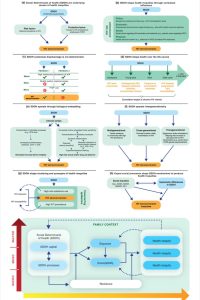
Conceptualizing the Mechanisms of Social Determinants of Health: A Heuristic Framework to Inform Future Directions for Mitigation

A large body of scientific work examines the mechanisms through which social determinants of health (SDOH) shape health inequities. However, the nuances described in the literature are infrequently reflected in the applied frameworks that inform health policy and programming.

We synthesize extant SDOH research into a heuristic framework that provides policymakers, practitioners, and researchers with a customizable template for conceptualizing and operationalizing key mechanisms that represent intervention opportunities for mitigating the impact of harmful SDOH.

In light of scarce existing SDOH mitigation strategies, the framework addresses an important research-to-practice translation gap and missed opportunity for advancing health equity.

Conceptualizing the Mechanisms of Social Determinants of Health!

I. SDOH
Health inequities are most often understood as associated with the social determinants of health (SDOH)

II. Opportunity
A practical, heuristic framework for policymakers, practitioners, and researchers is needed to serves as a roadmap for conceptualizing and targeting the key mechanisms of SDOH influence

  • Unifying principles

1. SDOH are underlying causes of health inequities
-> Meaningful community engagement in data generation and interpretation for understanding and mitigating underlying health inequity drivers and multilevel resilience factors

2. SDOH shape health inequities through contextual influences
-> Development, evaluation, and scale up of multilevel interventions that address the mechanisms of SDOH at the structural, psychosocial, and clinical/biomedical levels

3. SDOH contextual disadvantage is not deterministic
-> Adoption of individualized/differentiated, decentralized, and community-based service delivery models

4. SDOH shape health over the life course
-> Proactive intervention focused on prevention and health promotion as well as restorative care to maintain and improve physical, mental, and psychosocial functioning and quality of life

5. SDOH operate through biological embedding
-> Greater prioritization of harmful SDOH mechanisms and mitigation of their biological impact in clinical education and practice, including investment in biomarkers for early detection of and intervention on emerging disease trajectories

6.SDOH operate intergenerationally
-> Prioritization of family-based approaches to restorative health care, prevention, and health promotion

7. SDOH shape clustering and synergies of health inequities
-> Greater integration of comprehensive, interdisciplinary, team-based health services delivered within a value-based framework and at the top of providers’ licenses

8. SDOH mechanisms to produce health inequities
-> Departure from vulnerability- and deficiency-focused paradigms for understanding health inequities toward multilevel resilience-focused paradigms for reducing health inequitiess

An Organizing Framework of SDOH Mechanisms

1. Underlying causal factors
-> Two distinct classes of social influence: SDOH capital and SDOH processes

2. Mediating factors
-> Two mechanisms: environmental and behavioral exposure and biological susceptibility

3. Moderating factors
-> Resilience – as collective action that supports the ability of communities to thrive when confronted with structural challenge

4. Health inequity outcomes
-> The impact of SDOH mechanisms on health inequities is dependent on the broader patterns of morbidity within the community of interest

Check out the article by Marco Thimm-KaiserAdam Benzekri and Vincent Guilamo-Ramos here:

https://lnkd.in/e57GXthQ

Empowering patients through medical technologies for a healthier future

By constantly investing in existing and future technologies, the medical technology sector contributes to a healthier Europe. The 2023 MedTech Forum looked at some key trends in legislation and business and the role that EU policymakers can play to bring medical innovations to patients in a timely manner.

Europe takes great pride in its robust social security systems and the fundamental principles of equitable healthcare access. Data indicates however that significant efforts are still required to ensure that all patients across the continent enjoy top-tier quality care and unfettered access to medical services and technologies.

Medical technologies empower early diagnoses, timely interventions, and remarkable outcomes. Medical technologies mend, revive, and improve body functions, while telemedicine and connected devices bring patient monitoring to new frontiers. Innovations speed up recovery, safeguard well-being, and equip healthcare workers with vital insights for optimal decisions and fewer complications. By relieving strain on healthcare systems, fostering social and economic vitality, averting complications, and advancing efficiency through cutting-edge data and machine learning, medical technologies are high-tech, high-value game-changers in healthcare. Diagnostic technologies also act as a first line of defence against disease outbreaks and help support their management.

Because of its innovation power, and its positive impact on patients, healthcare professionals, and health systems, the medical technology sector has developed into a key industry with an important economic and societal impact in Europe.

European leadership for the benefit of patients 

Europe’s 34,000 medical technology companies invest heavily in improving existing and innovating breakthrough technologies for the benefit of patients. These companies, 95% of which are SMEs, drive economic growth, provide employment in Europe, and boost EU exports. In doing so, the sector adheres to strict regulatory standards that ensure safe devices which live up to their performance claims. Patient health and well-being in mind, no other region in the world sets such high standards to guarantee that medical technologies are safe for patients and healthcare professionals to use.

Despite Europe’s fundamental strengths in health and medical solutions, there are growing indicationsthat new and existing products will struggle to reach European patients and health systems in a timely manner: 17% of today’s in vitro diagnostics are expected to be discontinued in Europe, particularly among SMEs and approximately 50% of medical device manufacturers are deprioritising the EU market (or will do so) as the geography of choice for first regulatory clearance of their new devices.

MedTech Europe, the leading European medical technology trade association, believes that there are persistent, system-level issues within the European regulations for medical technologies which lead to unpredictability and delays, dampen innovation, and undermine confidence in the long-term viability of the regulatory framework.

To remain a global leader in medical technologies, the EU must deliver a more patient-centred and innovation-friendly regulatory framework that addresses the system-level challenges of today while preparing for the opportunities of tomorrow.

Getting through the maze 

Beyond the medical technology industry’s sector-specific developments, fundamental changes have been brought about in the last decade by the mega trends of digitalisation and sustainability. Such trends contribute to a revolution in the way innovation in medical technologies is happening, driving the need for a more forward-looking regulatory mentality to allow innovation to thrive.

Legislative activity of the EU in this area has been, rightly, immense – and much more needs to be done to ensure that all the rules-in-development which will impact medical technologies will actually work together to deliver products to patients. The EU’s Digital Strategy, driving regulation on artificial intelligence, cybersecurity, and data, including the European Health Data Space and the European Green Deal will legislate tectonic changes, including in the area of product design, are coming with a substantial set of new or updated requirements for medical technologies.

Against this background, substantial legislations are also being revised, such as the ones on Product Liability and Corporate Sustainability Due Diligence. It is paramount to include principles that ensure patients across the EU can benefit from a high level of protection and businesses are provided with legal certainty.

These new rules will significantly impact the way and speed in which technologies can be brought to market and accessed by those who need them. Getting medical technology innovations to European patients and healthcare systems in fact can often feel like navigating a complex and ever-shifting maze.

As a result, whether for R&D investment, clinical research, manufacturing or new product launches, Europe slowly losing ground to other geographies on innovation, because the maze seems to be getting harder to navigate. The EU thus has a big task ahead to further its efforts towards driving harmonisation and creating an environment of legal certainty for businesses.

The slowly approaching end of the EU legislative cycle is a unique opportunity to reflect on what has been achieved and what is still to be done. It is not a time to rush to the finish line but to stay level-headed and look for effective solutions to ensure medical technologies reach patients on time. We need to solve existing challenges in a comprehensive, sustainable manner, setting the tone for a future environment that will allow patients to continue benefiting from first-line, quality medical technologies and more equitable access to healthcare, and health systems to build the long-term resilience they need. The medical technology industry in Europe stands ready to contribute and collaborate to make this a reality.

This article was produced in partnership with Medtech Europe. MedTech Europe is the European trade association for the medical technology industry including diagnostics, medical devices and digital health.

https://www.theparliamentmagazine.eu/news/article/empowering-patients-through-medical-technologies-for-a-healthier-future

A post-emergency COVID-19 vaccine strategy: WHO’s end of emergency declaration spells out hope but challenges remain

The declaration of the end to COVID-19 as a public emergency is a symbolic signpost, but COVID-19 remains a threat and vaccination can play a key role in addressing it.

The declaration of the end to COVID-19 as a public health emergency is a symbolic signpost of the transition from an emergency to a more sustainable mode of preparedness and reaction. COVID-19 remains a threat though, and vaccination can play a key role in addressing it.

Thirty-eight months into the pandemic, and COVID-19 claims a life every three minutes globally. This leaves no room for complacency.

Instead, we need, to remain vigilant, have a coherent approach on vaccination and continue reducing COVID-19 hospitalisations, severe disease, as well as protecting our healthcare systems.

In this regard, Member States should strive for a better coordination among their national vaccination strategies in order to avoid major differences, with the EU having a stronger role through further harmonisation of some aspects of the vaccine administration in the Member States.

At the same time, while predictable pattern of COVID-19 seasonality has yet to be established, the impact of the disease has been much higher during the period corresponding to the traditional influenza season. Therefore, where possible, COVID-19 and influenza vaccination campaigns need to be combined.

Second, we need to reflect on the use of joint procurement as part of the EU’s vaccine strategy.

The strategy has been one of the milestones of the EU’s response to the pandemic. It demonstrated the unity of the EU as a whole, facilitated access to a broad and diversified portfolio of safe and affordable vaccines, and saved the lives of more than a million Europeans since the end of 2020.

Capitalising on this success, we need to go one-step further and, seriously, consider extending it to treatments of very rare types of cancer, especially paediatrics, as well as some rare diseases.

Nevertheless, increasing public confidence in vaccination is a key prerequisite to reach these strategies’ objectives.

As EPP Coordinator at the COVI Committee, I find the major disparities in vaccination coverage between and within Member States as well as the resurgence of vaccine-preventable diseases, such as measles, quite concerning. In order to address these, we have to continue tackling misinformation and disinformation, and reduce vaccination hesitancy through science-based communication on the benefits of vaccination.

Last, we should not forget that these challenges are essentially global. The EU played a decisive role in the global response to the COVID-19, by donating hundreds of millions of doses, and billions of aid to assist developing countries.

Building on that, the EU has to continue playing its role in providing support, improving access to vaccines for LMICs, as well as, boost global health research to develop the technologies and countermeasures, which are necessary to improve health.

By Stelios Kympouropoulos

Stelios Kympouropoulos (EL, EPP) is a member of Parliament’s EMPL and PETI Committees, the SANT Subcommittee and the COVI Special Commmittee.

Quality Questions:When you are diagnosed with cancer, how can you be sure you’re getting appropriate care?

IN APRIL 2020, truck driver John Lex was waiting to load up his tractor trailer at a Walmart distribution center in LaGrange, Georgia, when he felt a severe, sharp pain in his lower abdomen. The self-proclaimed “stubborn guy” figured if he went home to lie down, he would feel better. However, by the time he arrived home in Monroe, Georgia, the pain had amped up to “an eight out of 10.” He asked his wife to drive him to the local hospital’s emergency room.

Doctors there thought his pain might be appendicitis, but a CT scan revealed something unexpected: a mass in his colon. “The doctor told me that they believed it was cancerous, but he wouldn’t know for sure until they got in there,” says Lex, now 56, who had immediate surgery to remove the mass and have his colon resected. He would need to wait for results from the biopsy to get confirmation, but “[the doctor] was pretty confident that it was cancer,” Lex says

Three days after surgery, on April 25, 2020, these suspicions were confirmed. Lex’s tumor was malignant—with 19 positive lymph nodes. He had stage IIIC colon cancer. He was referred to a medical oncologist at Piedmont Walton Hospital in Monroe—the same hospital where he had his surgery. He completed a six-month course of chemotherapy with FOLFOX (folinic acid, fluorouracil and oxaliplatin), but in January 2021, the scans showed that the tumors were back in his colon, as well as the lining of his abdominal cavity.

At that time, his oncologist suggested another chemotherapy combination and referred Lex to a colleague at Atlanta-based Winship Cancer Institute at Emory University, which is less than 30 miles away from Lex’s home, for a second opinion. Winship Cancer Institute has earned the National Cancer Institute’s highest honor—a comprehensive cancer center designation—which signifies significant research infrastructure along with the capacity to provide high-quality treatments to patients. The oncologist at Winship confirmed the treatment plan. Lex continued to be treated by his original oncologist, satisfied that he was receiving appropriate care.

Treatment Close to Home

Like an estimated 80% to 85% of people with cancer in the U.S., Lex sought treatment at a community cancer center. Community cancer centers typically provide care through oncology practices or networks, offering treatment at local hospitals instead of specialty cancer centers. They are not usually a part of large academic teaching hospitals and don’t have NCI designations.

“Community hospitals are those institutions that are designed to take care of patients. They’re not necessarily teaching and they’re not necessarily doing research. That’s not to say that they never do,” says Thomas Tucker, the senior director for cancer surveillance and associate director of the Kentucky Cancer Registry at the Markey Cancer Center Prevention and Control Program at the University of Kentucky in Lexington. Tucker has published research on Markey Cancer Center’s efforts to form an alliance with community cancer hospitals to help provide more standardized cancer care throughout Kentucky.

The decision to receive care in a community cancer center is often influenced by geography, given that many people in the U.S. do not live near large academic teaching hospitals or one of the 71 NCI-designated cancer centers spread across 36 states and the District of Columbia. “The number one criterion that’s going to affect where a cancer patient gets treated is going to be their location,” says Rose Gerber, a breast cancer survivor who is the director of patient advocacy and education at the Community Oncology Alliance, a nonprofit organization based in Washington, D.C., that advocates for the preservation of oncology private practices that offer patients high-quality, affordable cancer care close to home. Gerber notes referrals often come from a patient’s primary care doctor who is familiar with local oncologists. In addition, a patient’s and doctor’s familiarity with the local health system and the convenience of not traveling far for what are usually multiple treatments often provide reassurance to patients, Gerber says

Experience Matters

Other variables, including a person’s cancer type, stage, the pathology and genetic makeup of the tumor, and any previous treatments, can all factor into people’s decisions about where they go for their care. When analyzing choices, oncologist Diane Reidy-Lagunes suggests that patients start by asking questions to gain an understanding of the doctor’s experience with the patient’s stage and type of cancer.

“There are definitely some questions that you want to ask the oncologist when you’re meeting them … particularly for instances of rare diseases,” says Reidy-Lagunes, who is the associate deputy physician-in-chief of the Regional Care Network at Memorial Sloan Kettering Cancer Center in New York City. She suggests asking, “Is this a disease that you’re often taking care of? Have you only seen one in your lifetime or do you see five in clinic daily?”

Patients can also look up a physician’s specialties online before the office visit, says Nancy Keating, a primary care physician at Brigham and Women’s Hospital and a researcher in the Department of Health Care Policy at Harvard Medical School in Boston, who studies factors that influence the delivery of high-quality care for people with cancer. “The more specialized training someone has, the better, especially when complex care is needed,” she says, using the example of a surgeon who specializes in a certain kind of cancer. “If you are a colorectal surgeon, you’ve done a fellowship, and you only do colorectal surgery. In addition, you are continually getting exposed to new cases daily and that’s all you do.”

With more experience comes greater proficiency. Research indicates that people with cancer who undergo complex procedures at high-volume surgical centers have better outcomes compared to low-volume centers, including for lung, esophageal and pancreatic cancer. For example, one study published in the April 2017 Annals of Surgery suggests patients with esophageal cancer who traveled to high-volume surgical centers had significantly better five-year survival rates, with 39.8% of patients living five years or longer compared to 20.6% who sought treatment at low-volume surgical centers. Another study published Nov. 1, 2021, in Cancer, compared outcomes at high-volume and low-volume radiation centers for a number of cancers and found patients receiving adjuvant radiation had significantly improved survival at very high-volume facilities when compared to low-volume facilities. Patients who received radiation alone for prostate, non-small cell lung, pancreatic, and head and neck cancer without surgery or other treatments also had increased survival, according to the study.

Lindsay Longo, an IT services director who lives in Tampa, Florida, was diagnosed with stage II Hodgkin lymphoma in November 2020 after going to an emergency room with escalating symptoms from COVID-19. While she was there, doctors performed a CT scan and discovered a large mass in her left lung, a rare presentation of Hodgkin lymphoma. She had a lung biopsy on Nov. 25, 2020, and five days later was diagnosed with cancer.

Longo ultimately decided to get her treatment at Moffitt Cancer Center, an NCI-designated cancer center in Tampa. The 39-year-old was impressed with the depth of experience that Moffitt provided, including swift coordination of care. “I didn’t feel like [the hospital where I was diagnosed] was moving fast enough for me, so I decided on Moffitt for its credibility and the top ranking. For me, it was a no-brainer,” she says.

On Dec. 31, 2020, Longo began treatment, receiving eight rounds of ABVD (Adriamycin, bleomycin, vinblastine, and dacarbazine) administered every two weeks. At the end of treatment, a scan revealed one spot on a lymph node. At that point, a tumor board, consisting of a multidisciplinary team of physicians at Moffitt, reviewed her case and suggested she have four more rounds of chemotherapy. On July 27, 2020, her scans were clear.

Access to Clinical Trials

While the standard-of-care treatments offered in cancer centers and community hospitals already have proven efficacy, some patients may also be interested in experimental treatments and clinical trials, says Gerber, who was diagnosed with stage II HER2-positive breast cancer in 2003.

Gerber had a lumpectomy followed by eight rounds of chemotherapy and radiation at Eastern Connecticut Hematology and Oncology, an oncology practice affiliated with Backus Hospital in Norwich, Connecticut. Her physicians also offered her an opportunity to participate in a clinical trial that tested the use of a targeted medication called Herceptin (trastuzumab) to reduce the chance of her cancer returning.

“[HER2-positive breast cancer] at the time was one of the deadliest diagnoses with a very poor prognosis,” she says. Gerber realizes now how fortunate she was to take part in a ground-breaking clinical trial. Today, she credits her survival and good health to being a part of the Herceptin clinical trial, and the drug is now the standard of care for patients with HER2-positive breast cancer. Gerber notes that many community cancer centers offer clinical trials—and the idea that this type of research is only offered at larger research or academic hospitals is a misconception.

Having access to a range of treatment options—both the standard of care and experimental drugs—is especially important for patients who have advanced cancer, says Heidi Nelson, medical director of the American College of Surgeons, Cancer Programs, which is responsible for the Commission on Cancer (CoC) accreditation program for hospitals. The accreditation means facilities have demonstrated that they provide a range of services, either on-site or through referrals to other facilities, including diagnostic imaging, radiation oncology, systemic therapy, psychosocial support, rehabilitation, nutrition and access to clinical research.

Collaboration between medical oncologists, surgeons, radiation oncologists, nurses and social workers provides a good measure for quality care, Nelson says. “With an appropriate team of specialists, each professional sees a different part of the patients’ needs and the cancer details. The full picture comes together when all the professionals come together around each patient to make sure nothing is left out of the care plan,” she says.

That type of collaboration can also extend across hospital systems—including between NCI-designated cancer centers and community hospitals. One example of this type of collaboration is with the NCI-designated University of Kentucky Markey Cancer Center, in Lexington, which started an affiliate program in 2006 that now includes 21 community hospitals. One of the requirements for facilities taking part in the alliance is achieving and maintaining CoC accreditation, as a means to increase quality of care in cancer hospitals across the state. A study of 13 hospitals in the network published in the February 2021 Annals of Surgical Oncology showed this collaboration increased the hospitals’ ability to meet quality measures three years after they joined the network compared to three years prior. In addition, the number of hospitals that received CoC accreditation increased from three to 12.

“This is an opportunity for the medium- and small-sized hospitals to have access to resources for facing issues or problems they may not have seen before,” says Tucker, who notes that academic and research hospitals don’t have the capacity to treat every cancer patient. “The smart thing [to do] is to help community hospitals develop that capacity. Many of them are quite good at it [already],” he says.

For patients like Lex, having the ability to tap into expertise at both his local cancer center and a larger cancer center provided extra reassurance. This collaboration included having a multidisciplinary team review his case at the hospital to determine the best course of care. “Knowing that it’s not just [my oncologist] that’s looking at my records, that it’s all the doctors that she works with really eased my mind,” he says.

In May 2021, Lex went back to Winship for another second opinion after a PET scan showed one of his three tumors was growing. Genetic testing in early 2021 showed his tumors tested positive for BRAF mutations, which made Lex eligible for a combination of targeted therapies, Erbitux (cetuximab) and Braftovi (encorafenib). Since starting treatment, his tumors have appeared to be less active in the PET scans, which could be an indication that treatment is working. In addition, one tumor has gotten smaller in size. He hopes the targeted therapy will keep his tumors at bay. “We’re hoping that maybe the treatment will knock it out completely,” says Lex. “I am so happy I got the second opinion. It just eases your mind because I have two great doctors looking over me.”

Quality Questions